



 10 min. read
Records from the Alberta Energy Regulator show coal mines struggle to prevent discharges of potentially harmful sediments into waterways, raising questions about impacts on water and wildlife as the Alberta government pushes to open more land to coal mining along the Rockies.
The Narwhal analyzed data from the regulator from the past three years and found there have been 42 incidents since 2023 tied to existing coal mines located in west-central Alberta, along the foothills and eastern slopes of the Rocky Mountains. All of those incidents are related to impacts on water. Many of the incidents were related to the release of sediment into nearby lakes and streams, which can be toxic for fish and other aquatic wildlife.
Of the 42 incidents, only six — 14 per cent — resulted in enforcement actions by the provincial regulator.
Summary
Going back to 2013, there have been 23 provincial enforcement actions levied against coal mines in the province, with total fines of just under $1.1 million.
Almost all of the fines were tied to one incident, the Obed mine disaster, which dumped 670 million litres of wastewater into the Athabasca River about an hour east of Jasper, Alta. The mine’s owner was ordered to pay $925,000 in provincial fines (and $3.5 million in federal penalties), and the mine is no longer operating.
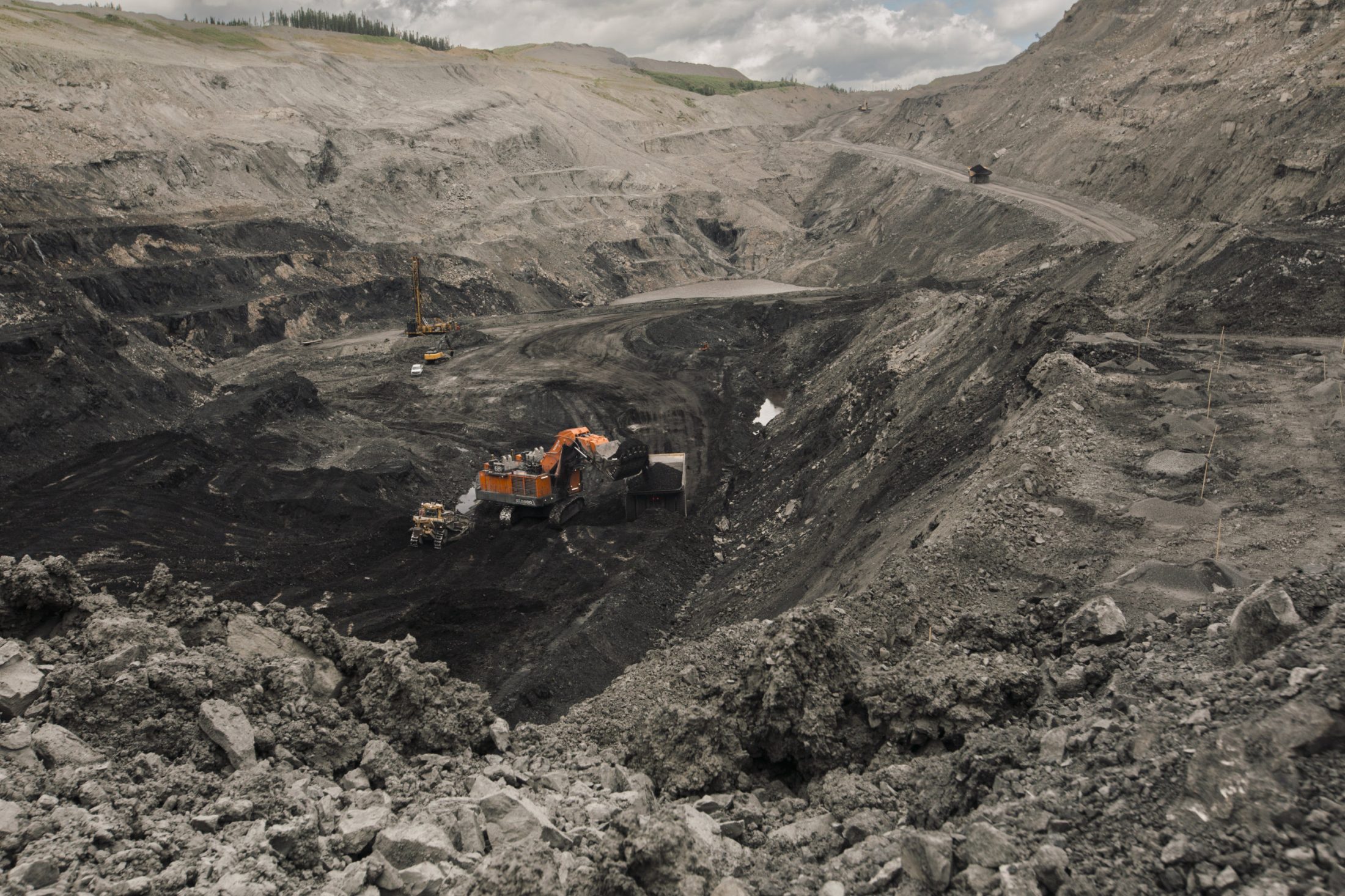
Of the existing mines, Coal Valley, owned by Westmoreland Coal, is tied to the most incidents — 16 in total — in the past three years. The Coal Valley mine, near Hinton, Alta., produces thermal coal, used to create electricity and primarily burned in Japanese factories. But the mine’s owners say numbers alone do not tell the whole story.
“One should consider the number of reportable events alongside their causes, environmental significance, the company’s monitoring and reporting practices, its co-operation with regulators and the corrective actions taken,” a spokesperson said in response to questions from The Narwhal. “This provides a better context for what is really happening at our mine sites.”
Coal Valley does not produce high levels of selenium
Westmoreland was the only company to respond to questions about regulatory compliance in Alberta. It also invited The Narwhal to tour the Coal Valley mine to provide more context for some of the incidents.
A significant distinction the company was eager to highlight was the fact the coal produced at its mine does not contain high levels of selenium — a claim backed up by independent environmental assessments commissioned by the company and submitted to the regulator. Selenium is a key chemical pollutant concern for most existing and potential mines along the rocky spine of the province.
Coal mining can produce selenium, which is harmful to human and fish health if it accumulates in high quantities, as well as toxins such as arsenic, a key concern in the ongoing debate about opening new mines in the headwaters that feed rivers, lakes and streams across Alberta, Saskatchewan and into Manitoba.
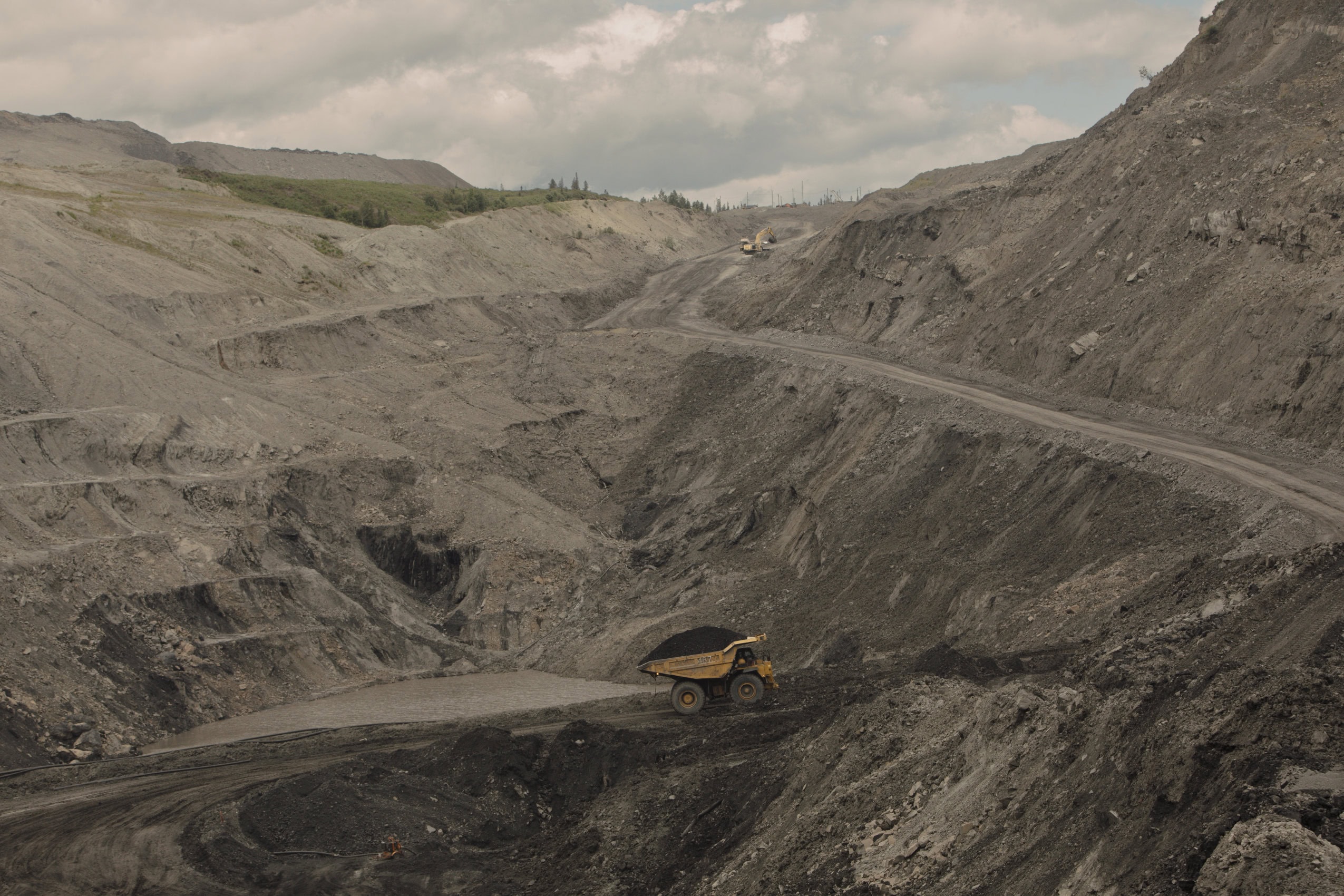
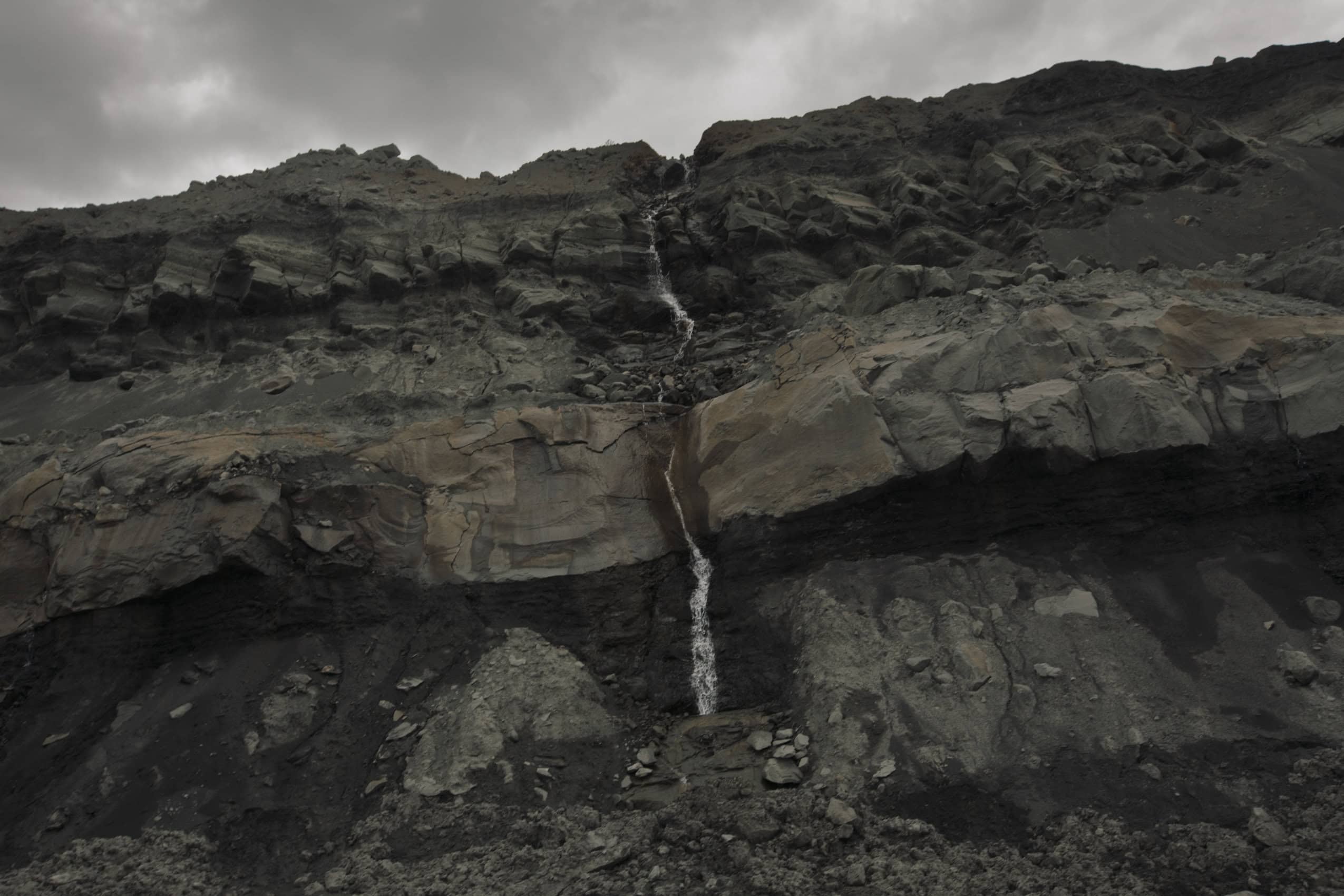
Groundwater and surface water assessments submitted to the regulator appear to show most water at Coal Valley is within guidelines for a host of contaminants, including selenium.
Almost all of the incidents tied to Coal Valley are for exceedances of “total suspended solids” — an overabundance of debris and sediment — including one infraction in April in which the company was almost triple the allowable limit.
The company said it was hit with heavy snow-melt that overwhelmed its systems. It also said it conducts extensive testing to evaluate potential effects and that those results “remained within applicable regulatory parameters following the event.”
The regulator, in response to questions from The Narwhal, says it will conduct its own testing “when required for enforcement activities.”
Climate change could exacerbate run-off and have significant impacts: retired government scientists
The Alberta government has waffled on its coal policy since first reopening Alberta’s Rocky Mountains to coal mining in 2020, prompting immense public backlash. It has since reinstated the earlier ban, but not before some exploration projects were approved, then it suspended those approvals and finally rescinded those suspensions to allow them to go forward as it prepares a new coal policy — anticipated this fall. A committee sought input from Albertans on a new policy in 2021.
As part of that process, some experts rang alarm bells related to heavy snow-melt akin to that experienced at Coal Valley.
Weather events overwhelming mine infrastructure is something a group of retired provincial government scientists warned about in a submission to Alberta’s coal committee.
“High snowfall run-off and major rainfall events have happened on a regular basis, often causing flows that were well above the levels that regulatory agencies and companies anticipated, included in modelling and for which infrastructure was designed and built,” wrote the five scientists. “This will be exacerbated by climate change making historic rainfall, snowfall and streamflow data increasingly out of date for planning and engineering purposes.”
Those same scientists warn that sediment and the chemicals used to treat waste “can be toxic to fish.” Sediment-laden waterbodies can also impact fish spawning and rearing, as well as aquatic insect production — food for fish.
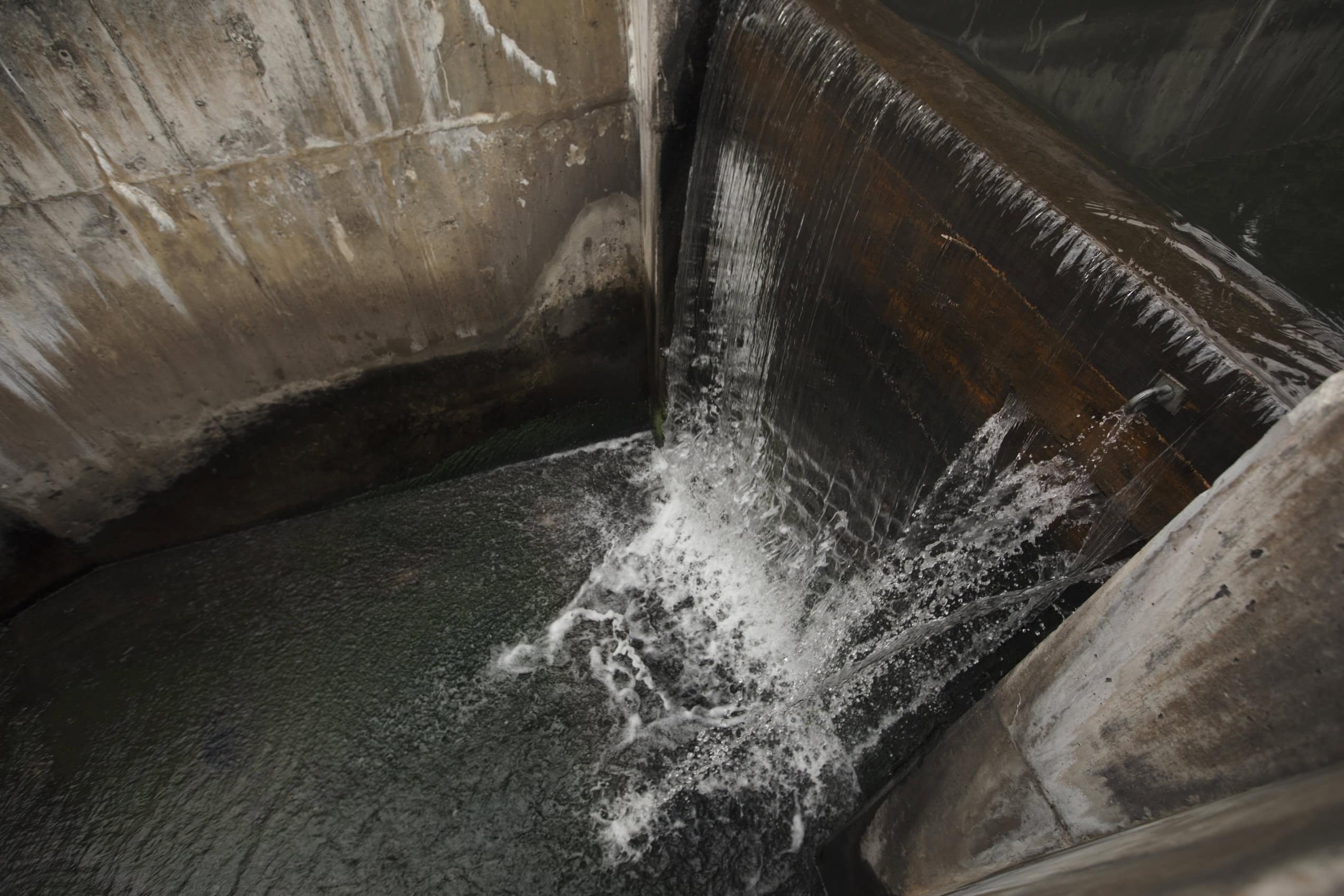
Katie Morrison, the executive director of the Canadian Parks and Wilderness Society in southern Alberta, says there’s a lot of focus on selenium because it has such a big impact and because no mine has ever successfully prevented it from entering waterbodies.
“I don’t think there’s too much focus on selenium, but I do think the fact that there are many other contaminants that are released is sort of lost in that conversation a little bit,” she says.
Westmoreland says it “conducts approximately 8,000 surface-water sampling events” each year at 47 different locations around the sprawling mine, as well as groundwater, wetland and biological health monitoring.
“We also sample 20 additional locations upstream and downstream of the mine and exceed a number of the minimum monitoring requirements contained in approvals,” the company wrote after a tour of the mine site.
Coal Valley is not alone in releasing sediment into Alberta waterways.
‘Enforcement action may not be required’
In 2023, CST Canada Coal Ltd., which operates the Grande Cache coal mine, released wastewater into the Smoky River for 17 hours and was ultimately fined $10,000 by the provincial regulator for the release and for failure to report it for more than seven hours.
Again, the issue was total suspended solids, but the regulator makes it clear in its report about the incident that it’s not just a question of murky water.
The run-off can release harmful chemicals even as it settles, and fine sediment can harm fish through gill abrasion and behavioural changes.
CST was also fined $23,000 in 2024 for dumping mine wastewater into the Smoky River after a sensor malfunctioned when a pond overflowed. The company did not report the incident for five days.
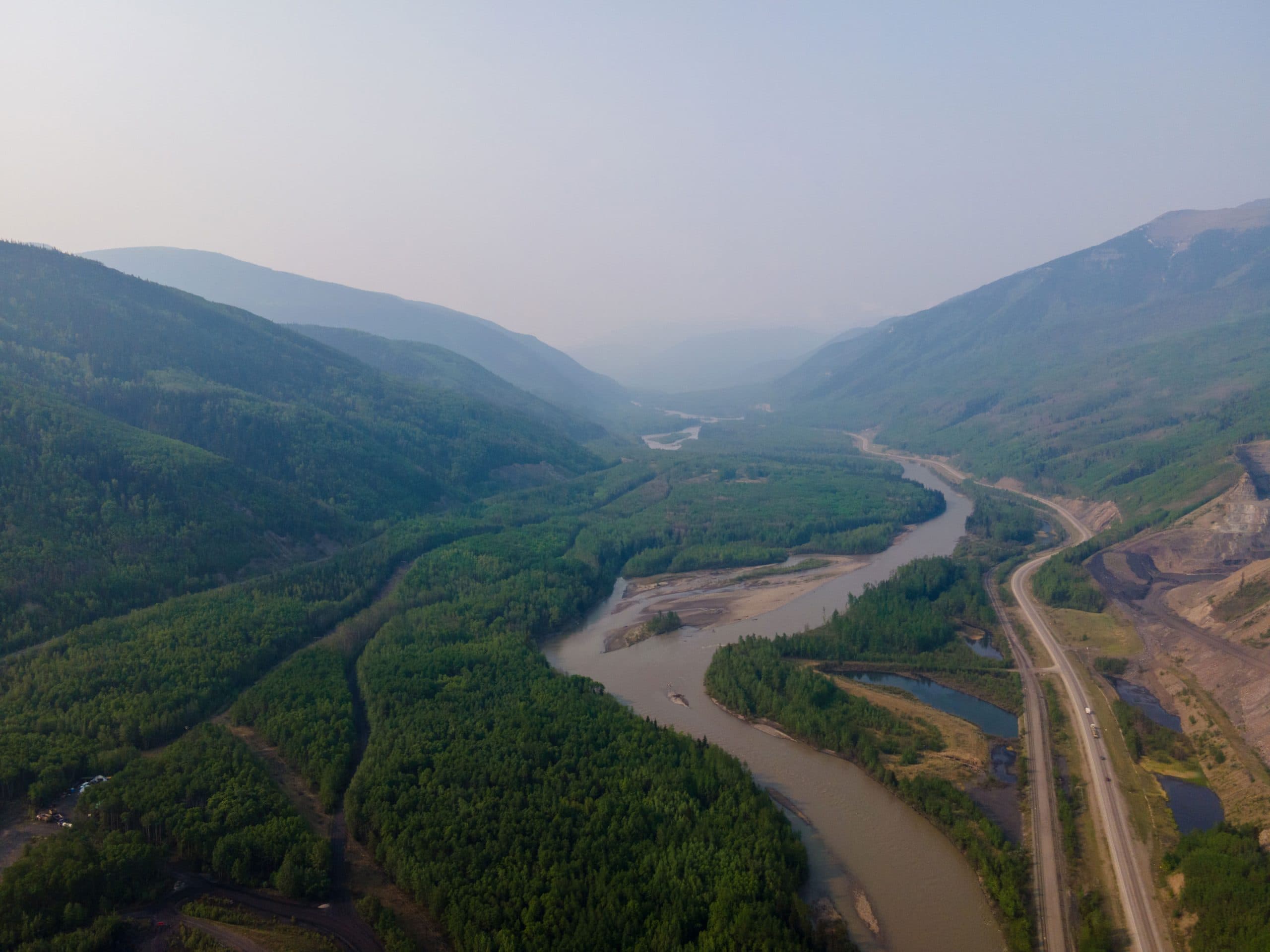
The same company was fined $20,000 by the regulator in July for another incident in 2024, which dumped at least 1 million kilograms of sediment into Sheep Creek, although the exact quantity is not known. The total suspended solids were 1,920 times the regulatory limit on the day of the release. According to the regulator, the company didn’t report the incident for more than 22 hours and when it did, it withheld important details.
The causes of the spill included high rainfall and “known drainage problems” at the mine.
An inspection by the regulator showed “elevated levels of metals and polycyclic aromatic hydrocarbons” with potential risks to bull trout spawning habitat, although that risk was listed as “unlikely.”
The Alberta Energy Regulator, in response to questions emailed by The Narwhal, said it takes into account several factors when determining whether to fine a coal company for violations.
“If the operator is compliant and responsive in early stages to mitigate and address incidents, further action may not be required,” wrote an unnamed spokesperson. “Also, if there is no emergency phase and little or no impact to waterbodies or wildlife, enforcement action may not be required.”
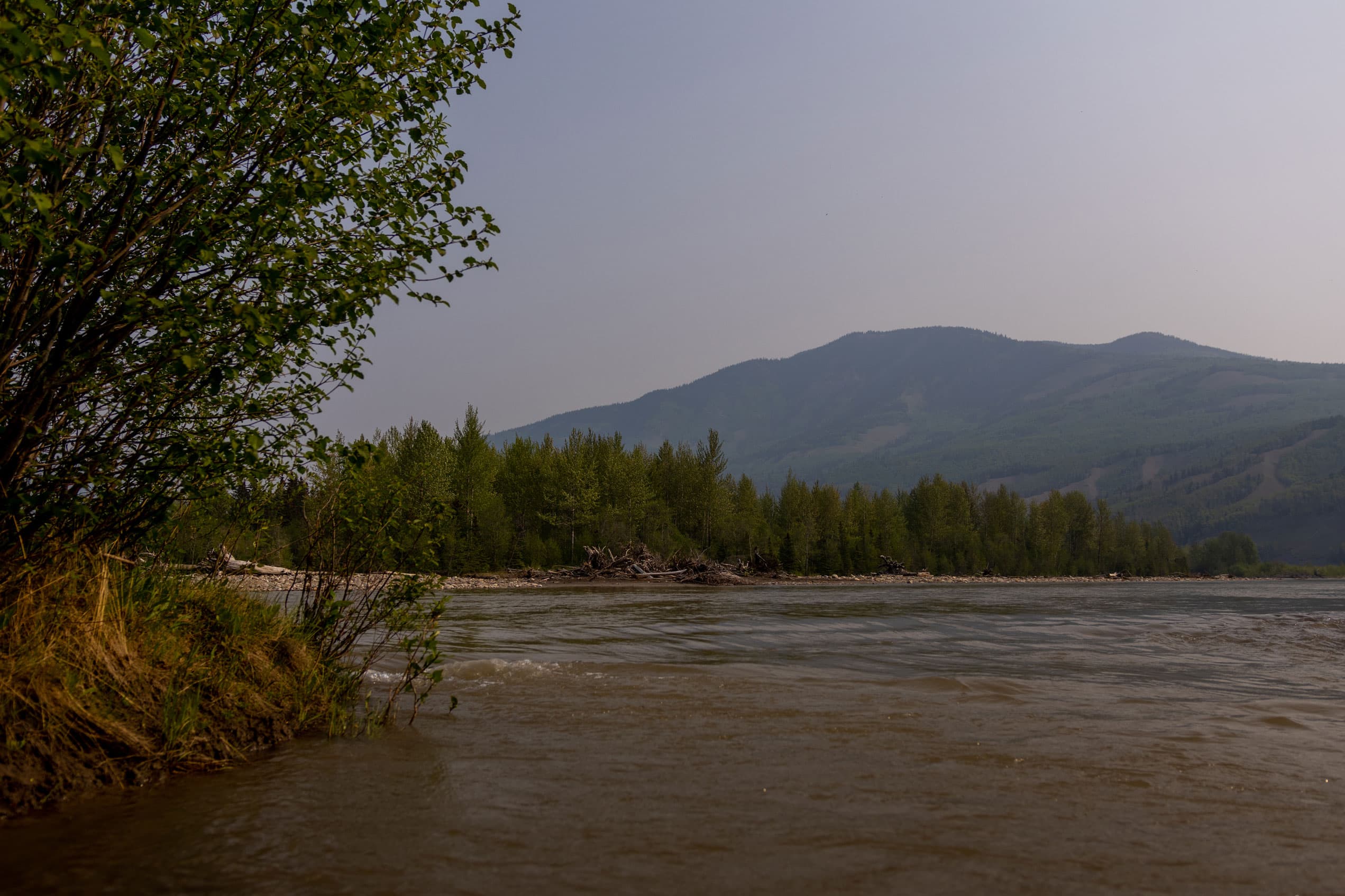
The regulator will issue orders to companies to fix an existing issue or try to mitigate impacts, issue warning letters to force compliance or, as in one case involving the Obed mine disaster, prosecute a company in court.
“The tools we use depend on the significance of the noncompliance,” the spokesperson wrote. “We keep a record of every company’s compliance and enforcement history. If a company purposely (or repeatedly) fails to follow the rules, our enforcement actions will escalate, and the consequences will become more severe.”
Morrison says it’s not about simply punishing companies for non-compliance.
“I don’t think we’re saying, ‘Hey, we need to immediately close down the operating mines,’ but we do need to still hold those operating mines to standards,” she says, adding there also has to be a clear path from an incident to enforcement.
“But I think more than that, we don’t want to just penalize companies for infractions, we want to prevent those things in the first place.”
The chemistry of coal
James C. Hower has been studying coal for more than 50 years and is a research professor at the University of Kentucky. He says there’s a lot to consider when assessing the impact of coal mining on the environment, including the type and grade of coal, as well as individual companies and the regulations in place.
“We’ve got plenty of examples in the Appalachians of people who have mining companies that, in general, are good operators and seem to be doing things the right way, and then something goes wrong,” he says.
He cites flooding as a major risk to a well-ordered mine operation. And while he doesn’t study Alberta in particular, he says concerns over water quality are legitimate, particularly for ranchers in the south of the province, where new mines are being proposed.
A key factor, he says, is ensuring contamination does not get out of control so that reclamation is possible.
“If it’s done wrong in the first place and things get out of hand, you got a big problem,” Hower says.
Land-use planning is supposed to precede new coal policy: conservation advocate
The province is expected to unveil its new coal policy this fall, outlining new rules for where and when a new coal mine can operate. The policy is the outcome of years of on-again off-again restrictions on coal mining in the Rockies, particularly in sensitive areas to the south.
The policy follows public consultations by a government commission that made numerous recommendations including the need for robust land-use planning, which considers cumulative impacts from other industries and users, ahead of any coal policy that could allow new mines to operate.
“That hasn’t happened,” Morrison says. “So they are already going ahead with a coal policy without that land-use planning.”
She says the risks to the landscape, the environment and even to coal companies, is too great to allow new mines in the province.
“It also doesn’t make sense from a company side to say to companies, ‘Yes, you can come and pitch a project here,’ knowing that it’s actually not going to be compatible down the road if our regulatory system was working as it should be.”