





 10 min. read
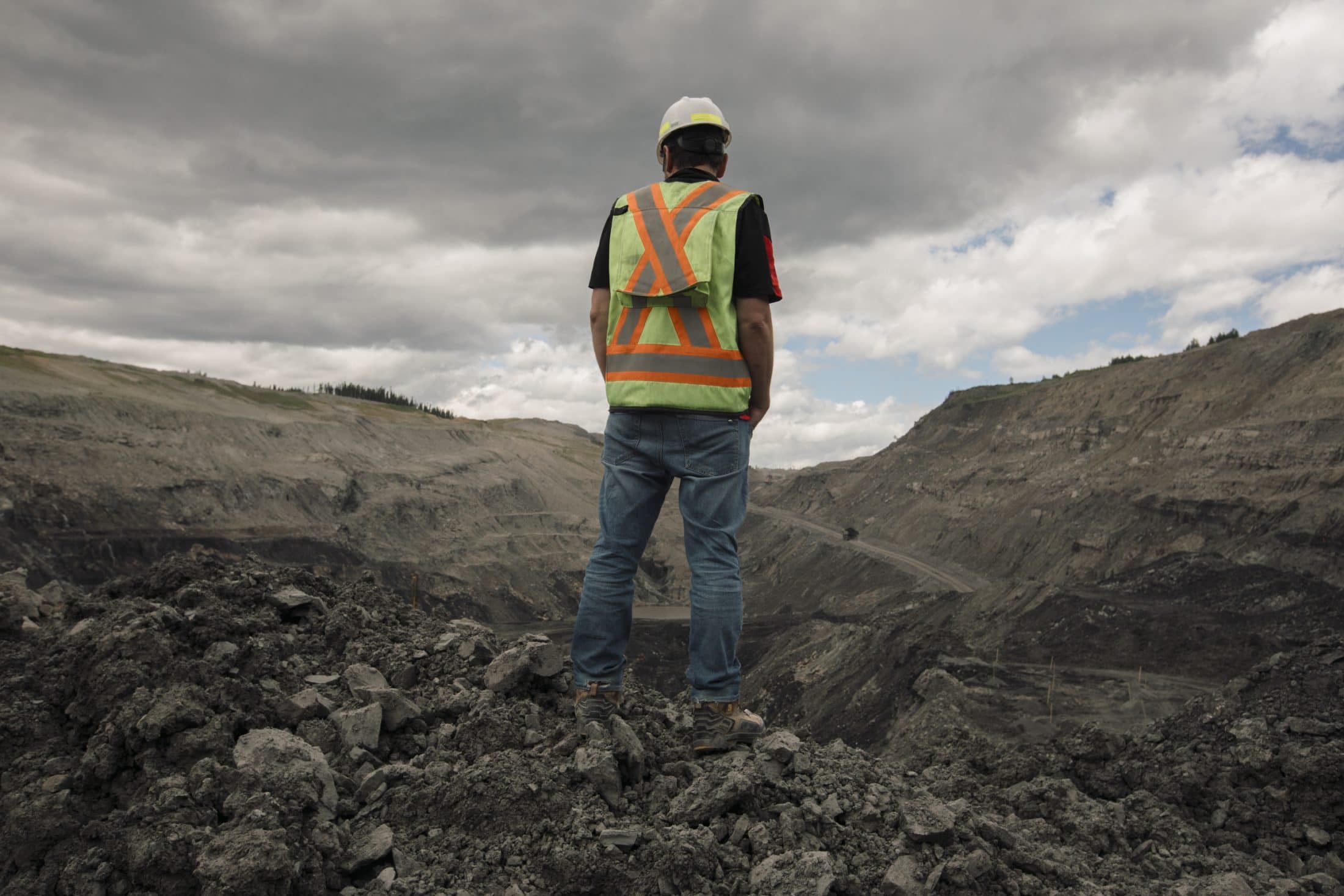
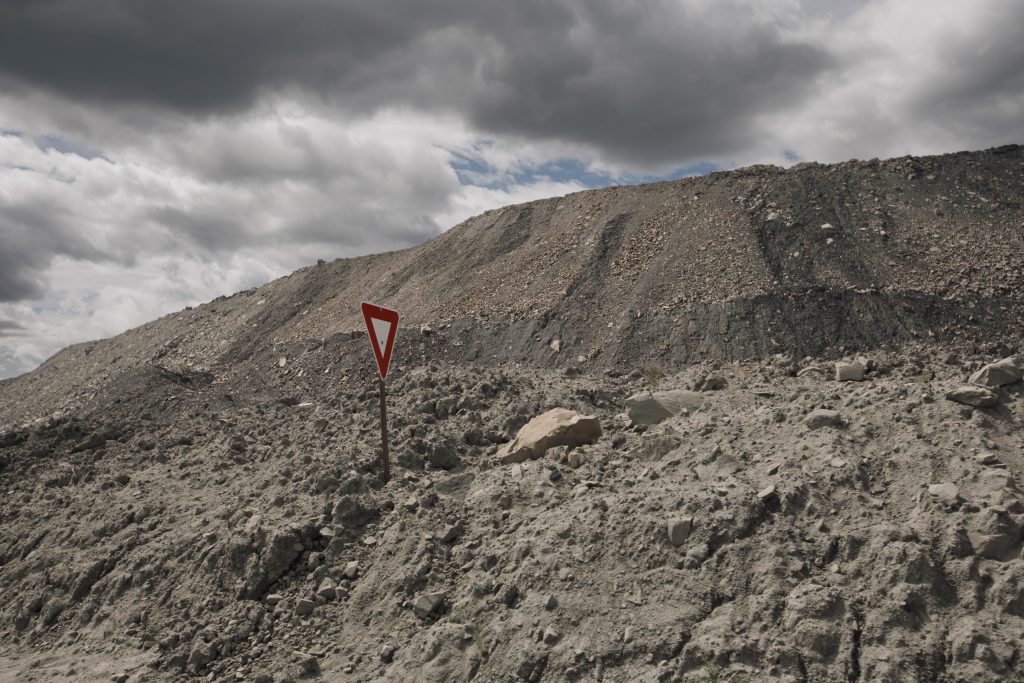
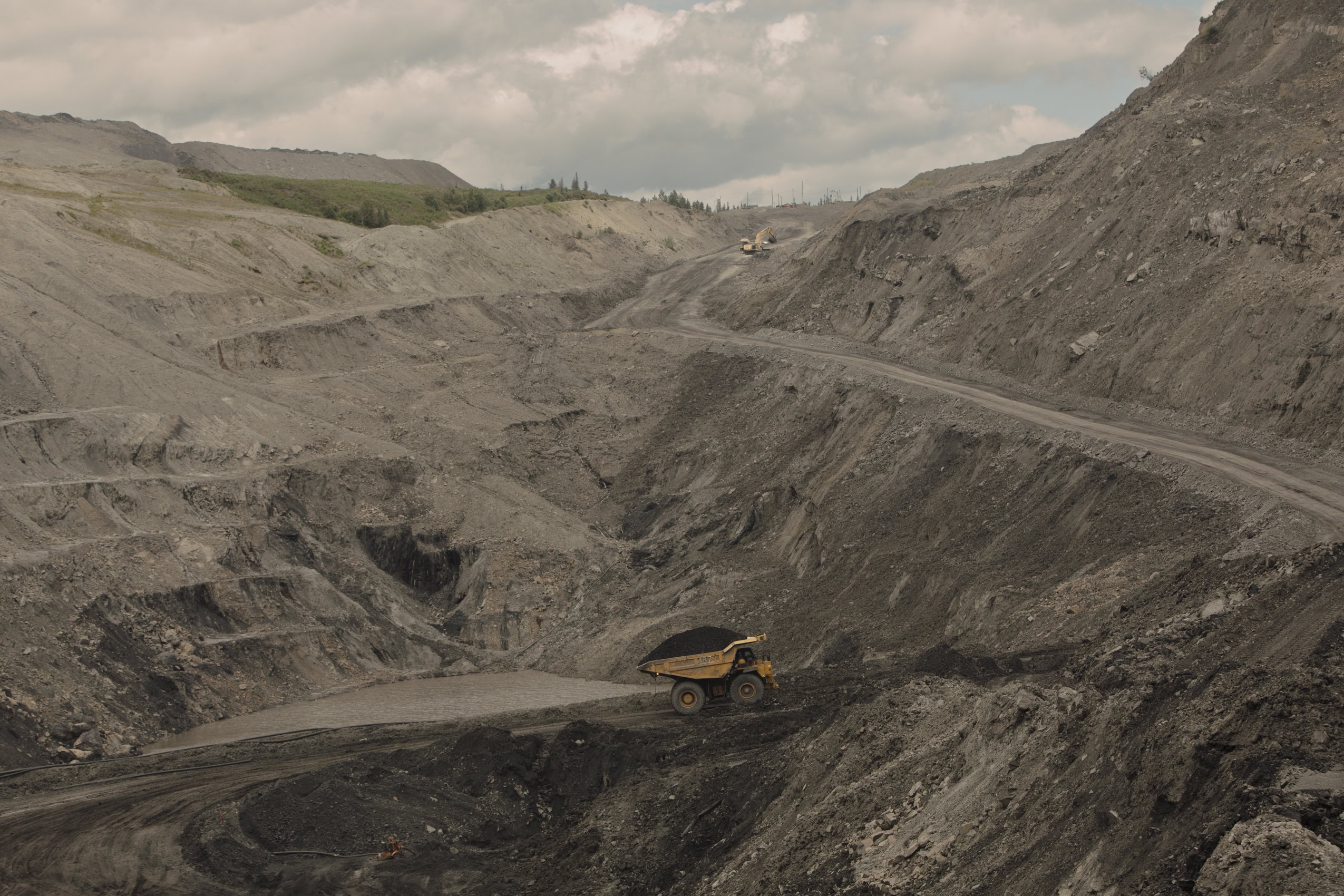
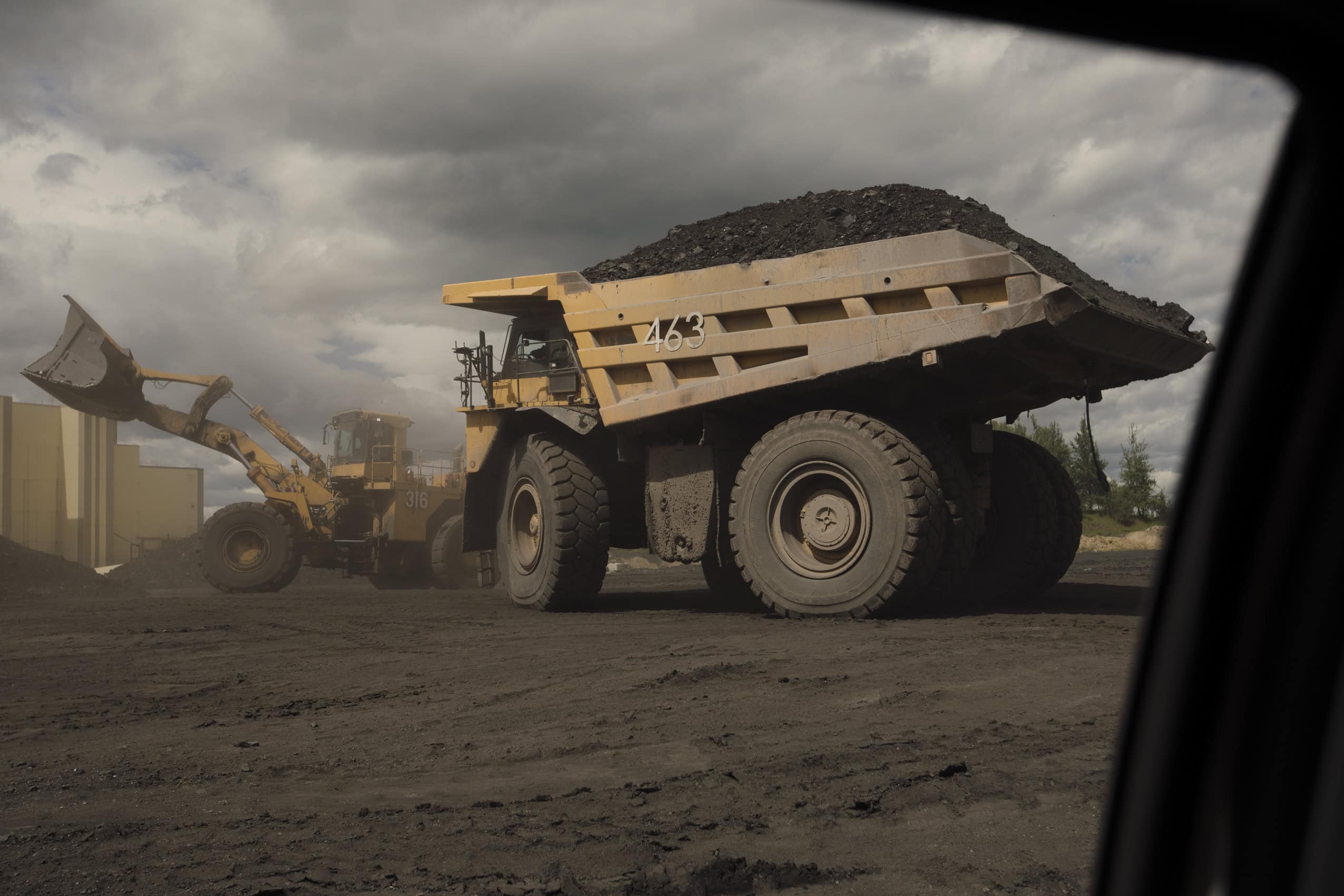
The Coal Valley mine, nestled in the foothills of Alberta’s Rocky Mountains, is a sprawling 200 square kilometres and has been in operation since 1978. Three hours west of Edmonton, it stretches alongside Highway 40, forming a long, narrow gash that includes large open mine pits as well as areas in the process of being reclaimed. It’s part industrial, part moonscape, part nature.
It has been closed over the years as markets dip — most recently for three months in 2025 — and it has moved tremendous amounts of earth and coal. Currently only one of its pits is active.
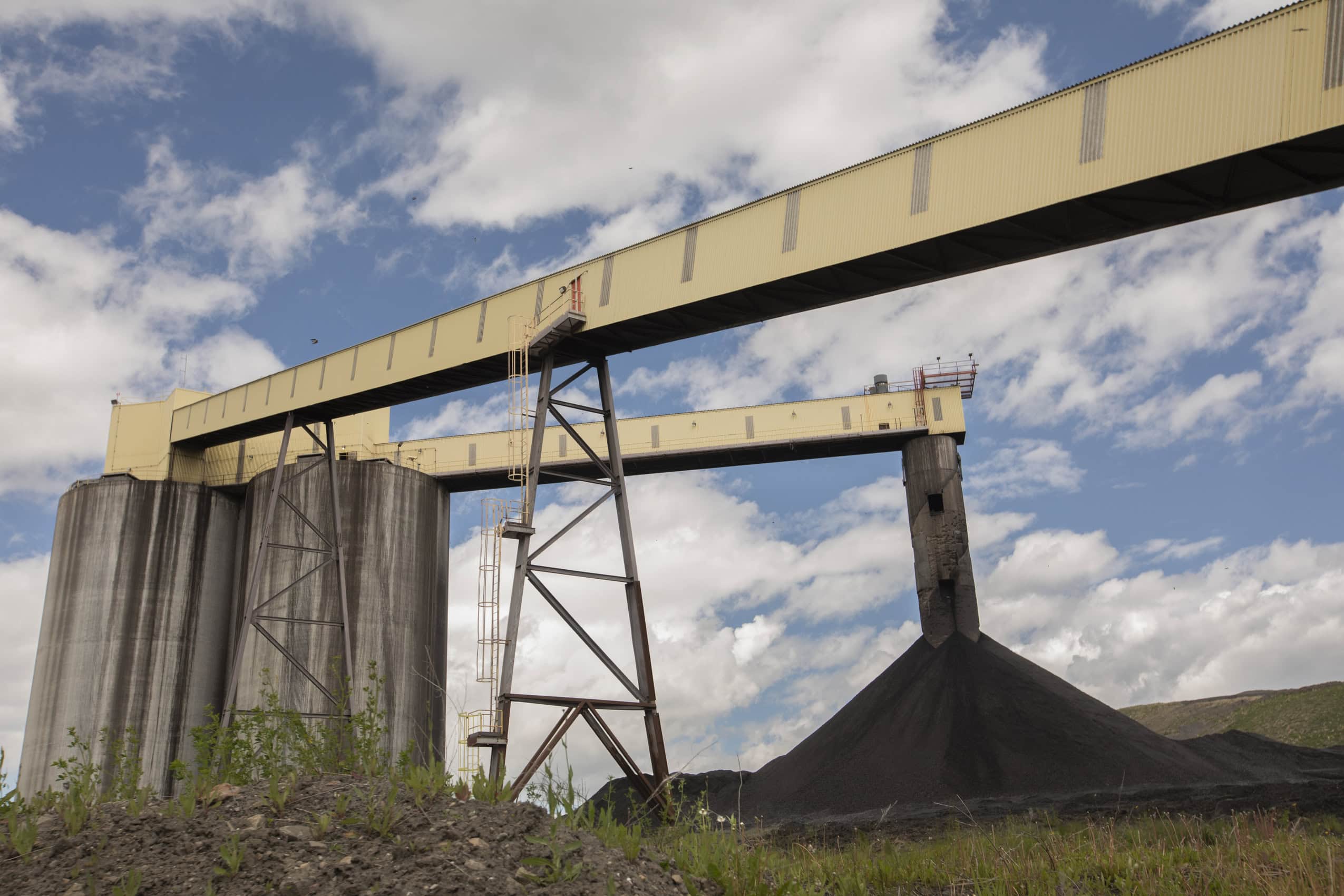
On paper, the mine looks bad. There have been 16 incidents in the past three years, almost all of which were spills into the creeks and rivers in and around the site. That makes it the worst existing mine in Alberta in terms of the number of infractions. But the company behind the mine says numbers don’t tell the whole story.
The mine operates under the name Prairie Mines and Royalty ULC, and is ultimately owned by Denver-based Westmoreland Mining, one of three companies that still operate commercial coal mines in Alberta. It was the only one to respond to questions emailed from The Narwhal for an article about infractions at coal mines.
“We appreciate your questions and the approach you’re taking with this story,” Jon Heroux, Westmoreland’s director of external affairs, wrote. “I think we can do one better than simply giving you an interview over the phone or by email.”
This is not typical of Alberta’s coal mining companies, many of which seldom, if ever, respond to journalists’ requests.
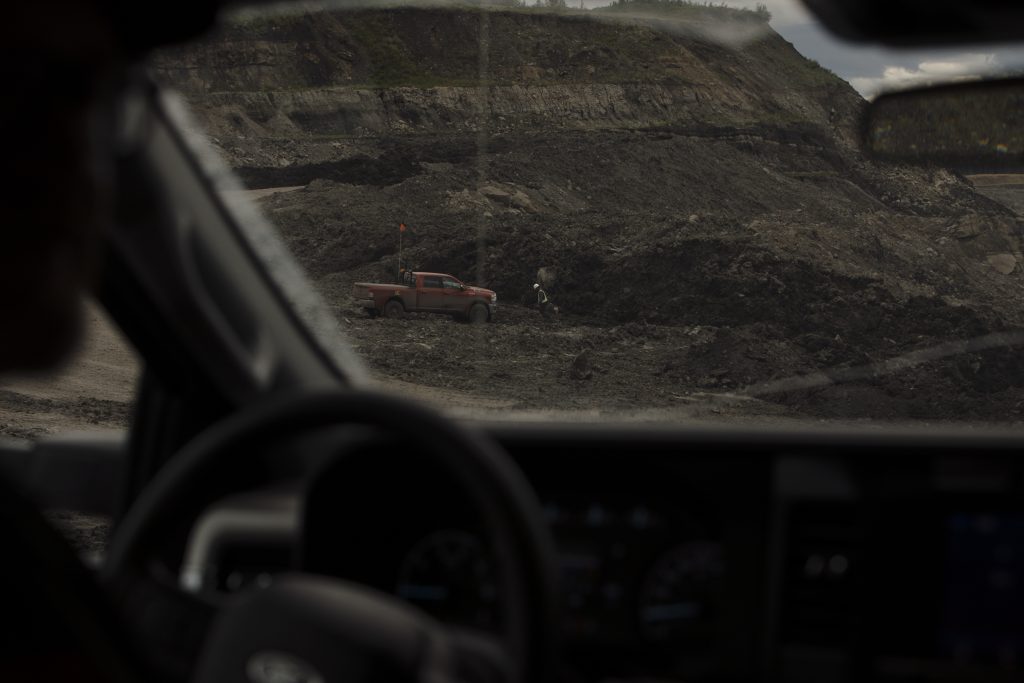
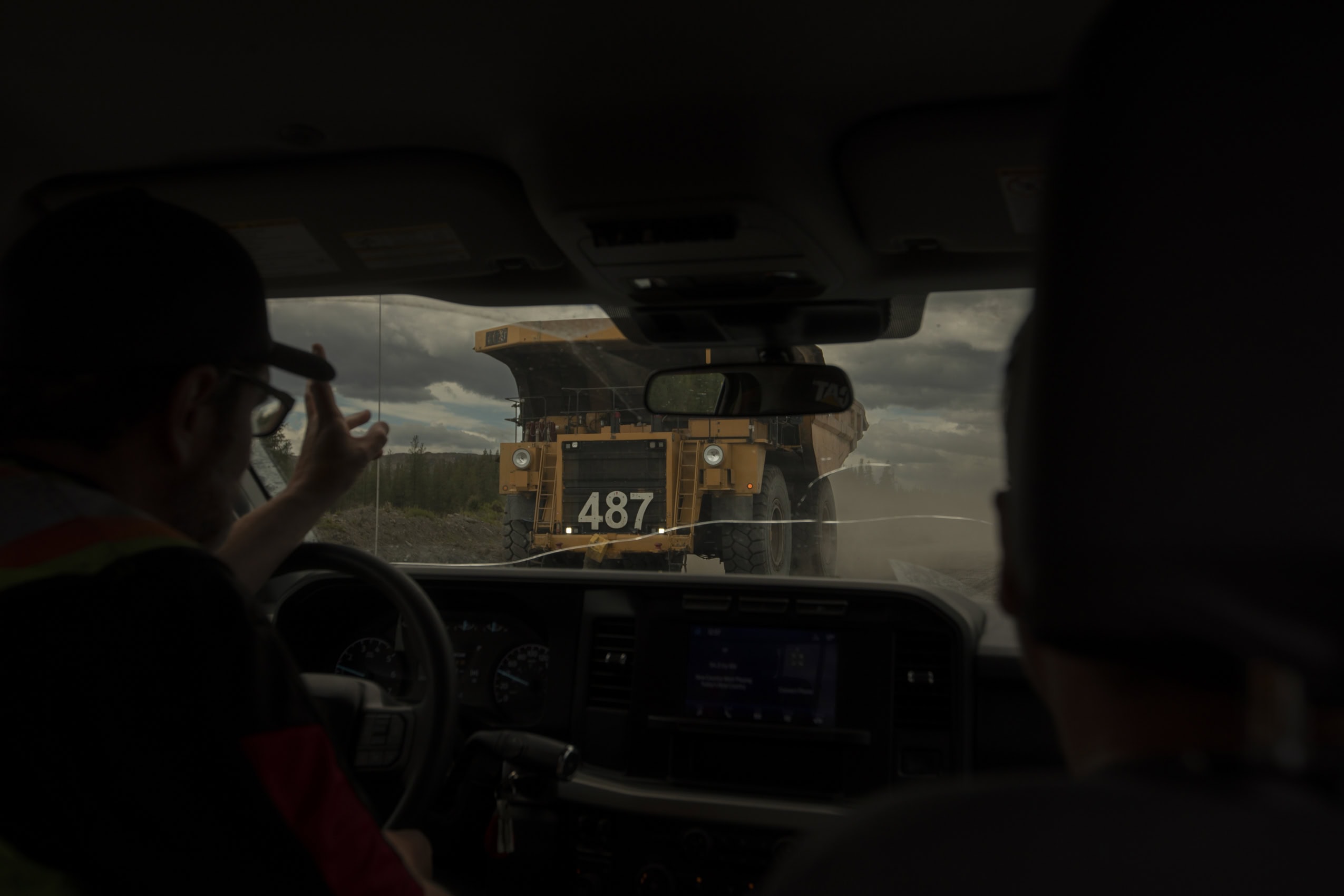
A little more than a week later, company representatives spent a day driving two journalists from The Narwhal around the site.
Alberta government wants to bring industry back from the brink
Coal was once big business in Alberta. Rich seams were found buried in the mountains and foothills, and the Prairies offered easy access to lower-quality coal that powered local electricity plants for decades. As recently as 2018, coal-fired power was the main source of electricity in Alberta.
The Crowsnest Pass in the southwest boomed (and busted) alongside the black rock at the heart of its economy, bringing wealth but also disparity, which led to strikes and even communist agitation from disgruntled workers.
But the markets changed — changes in demand, swings in prices — and so did government regulations. As the industry waned in the south of the province, the 1970s government of former Progressive Conservative premier Peter Lougheed introduced restrictions aimed at preserving beloved landscapes — and the all-important water that trickles and surges down those rocky slopes.
Three decades later in 2024, the phase-out of coal-fired electricity — a significant source of air pollution and emissions — in Alberta spelled the end of strip mines near electrical power plants, which are now mostly powered by natural gas. But that phase-out still allows for some mining. Alberta produces both thermal coal, which is exported to places that still burn it for electricity or for industrial uses, and metallurgical coal, which is used in steel-making.
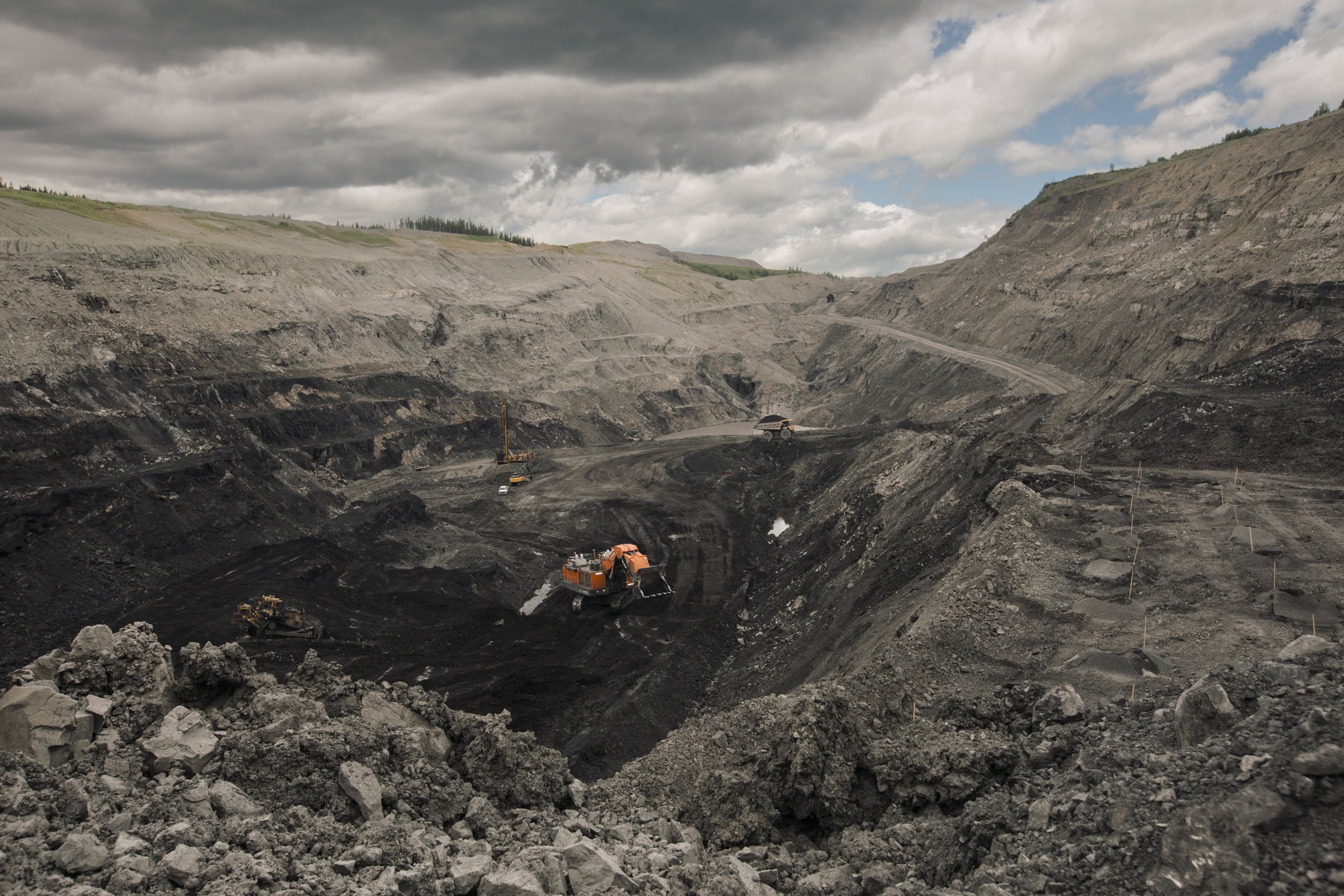
Today, just three large commercial coal mines are up and running (four if you count Dodd’s, a family operation that mostly serves individuals and farms). Coal Valley is one of two that produces thermal coal mostly used in factories abroad while the third is a metallurgical mine.
But it’s not the end of the story of coal in Alberta, at least not yet.
The current provincial government has opened the door to new mines in areas set aside by the Lougheed conservatives in 1976, and a new coal policy — a guide to where and when mining can take place — is expected this year. This follows five years of acrimonious debate and public backlash against opening the Rocky Mountains to new mines.
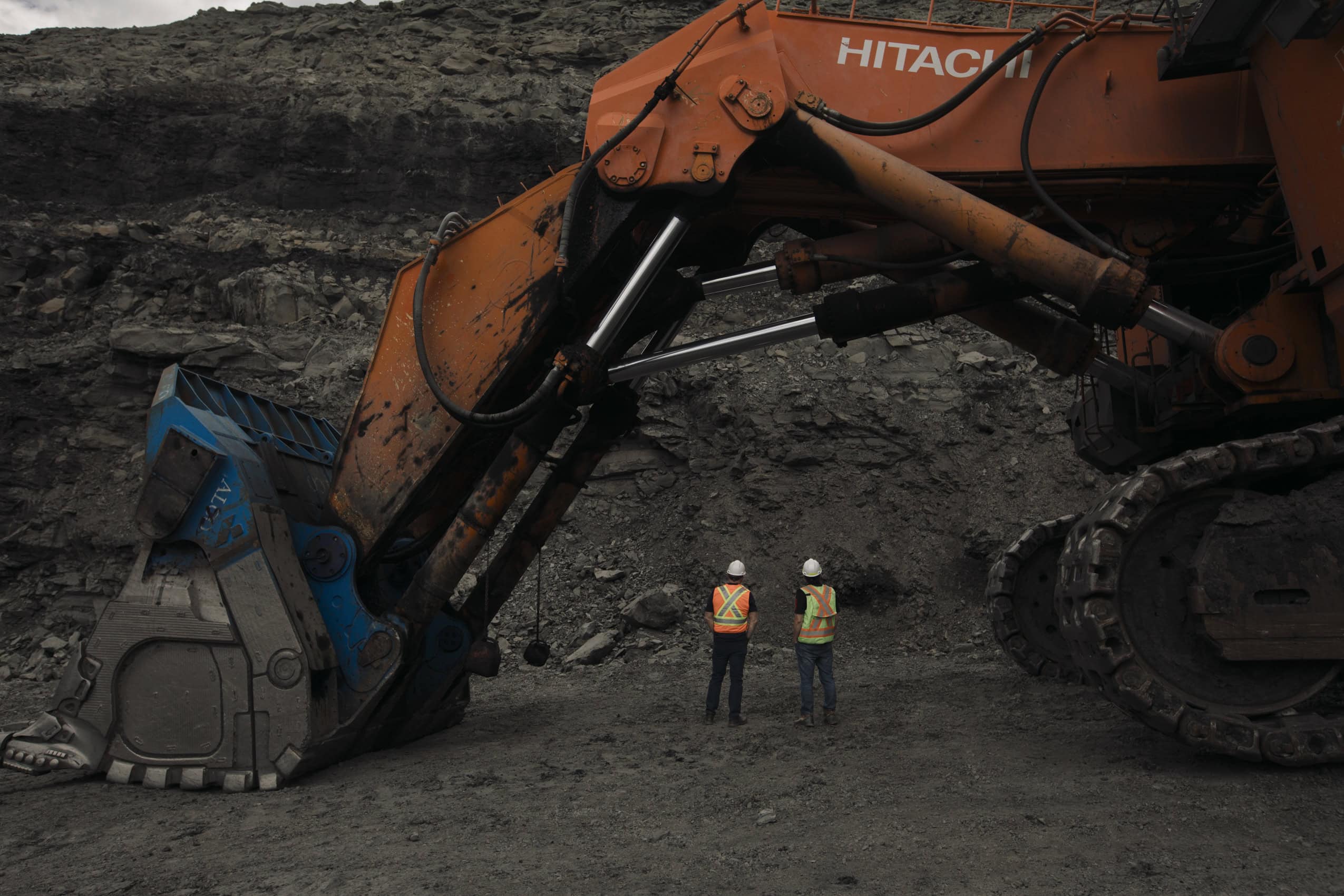
According to data from the Alberta Energy Regulator, the three existing mines have struggled to keep coal waste and sediment out of the province’s waterways, a key concern for Albertans wondering what will happen to the headwaters for the Canadian Prairies if they’re contaminated.
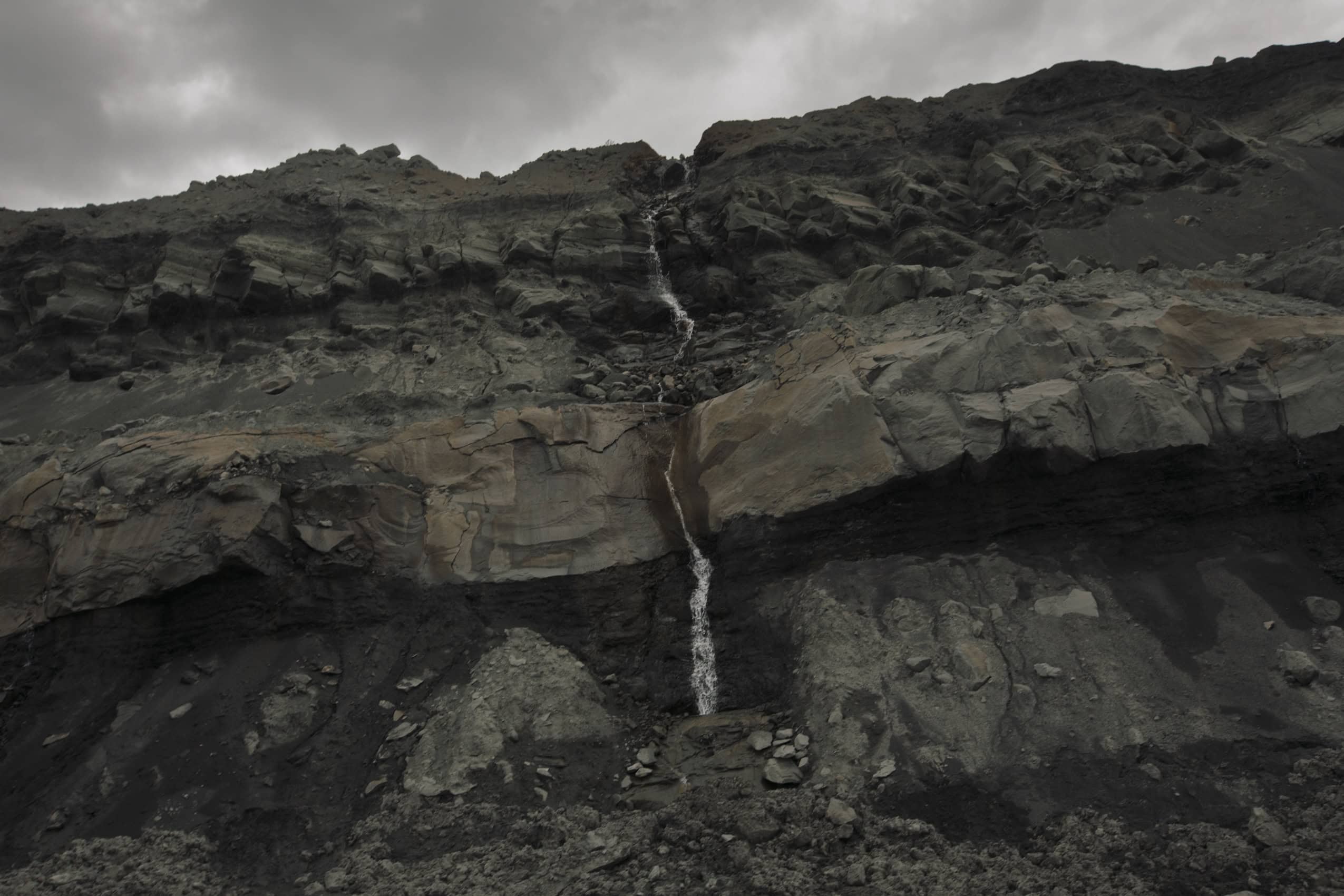
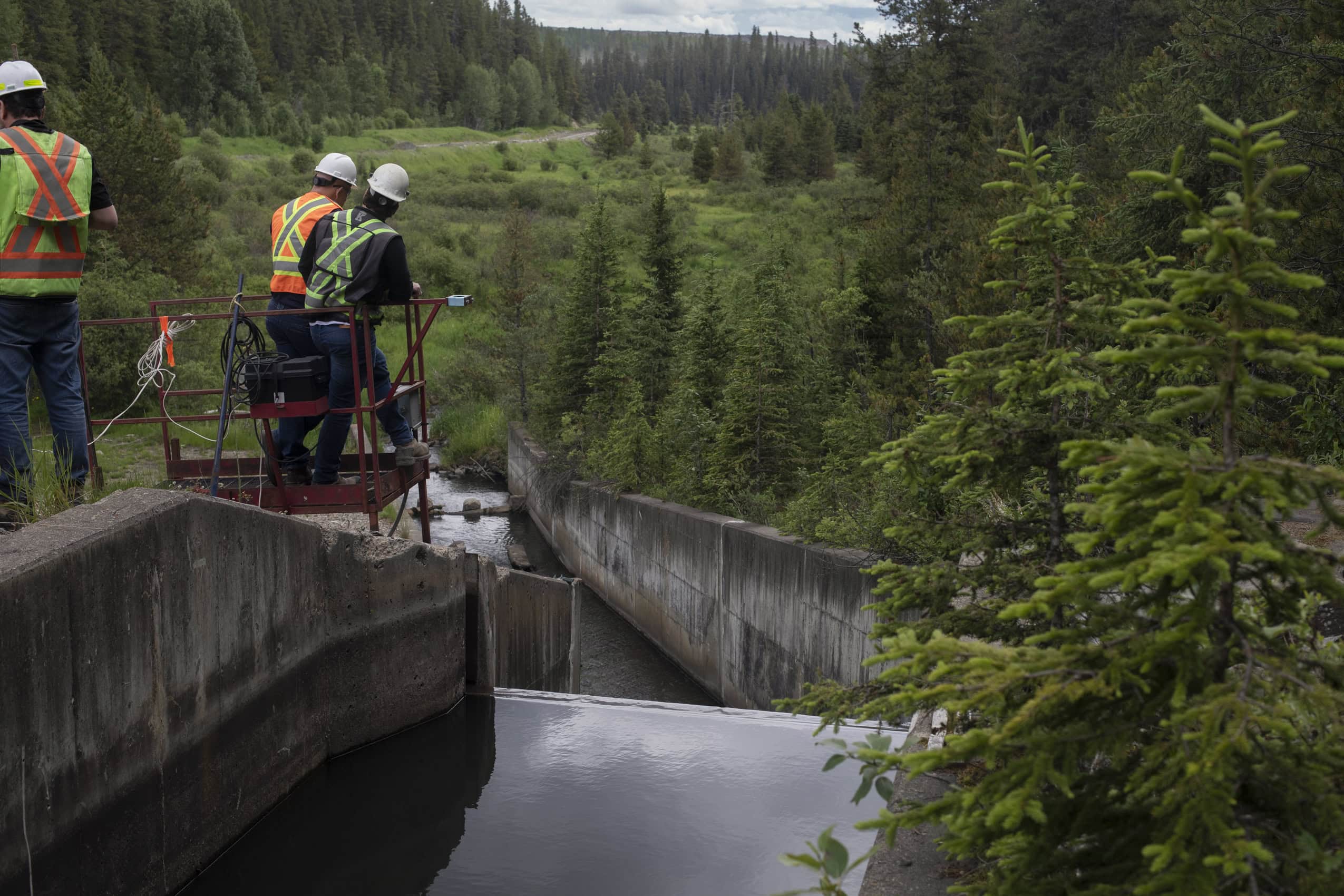
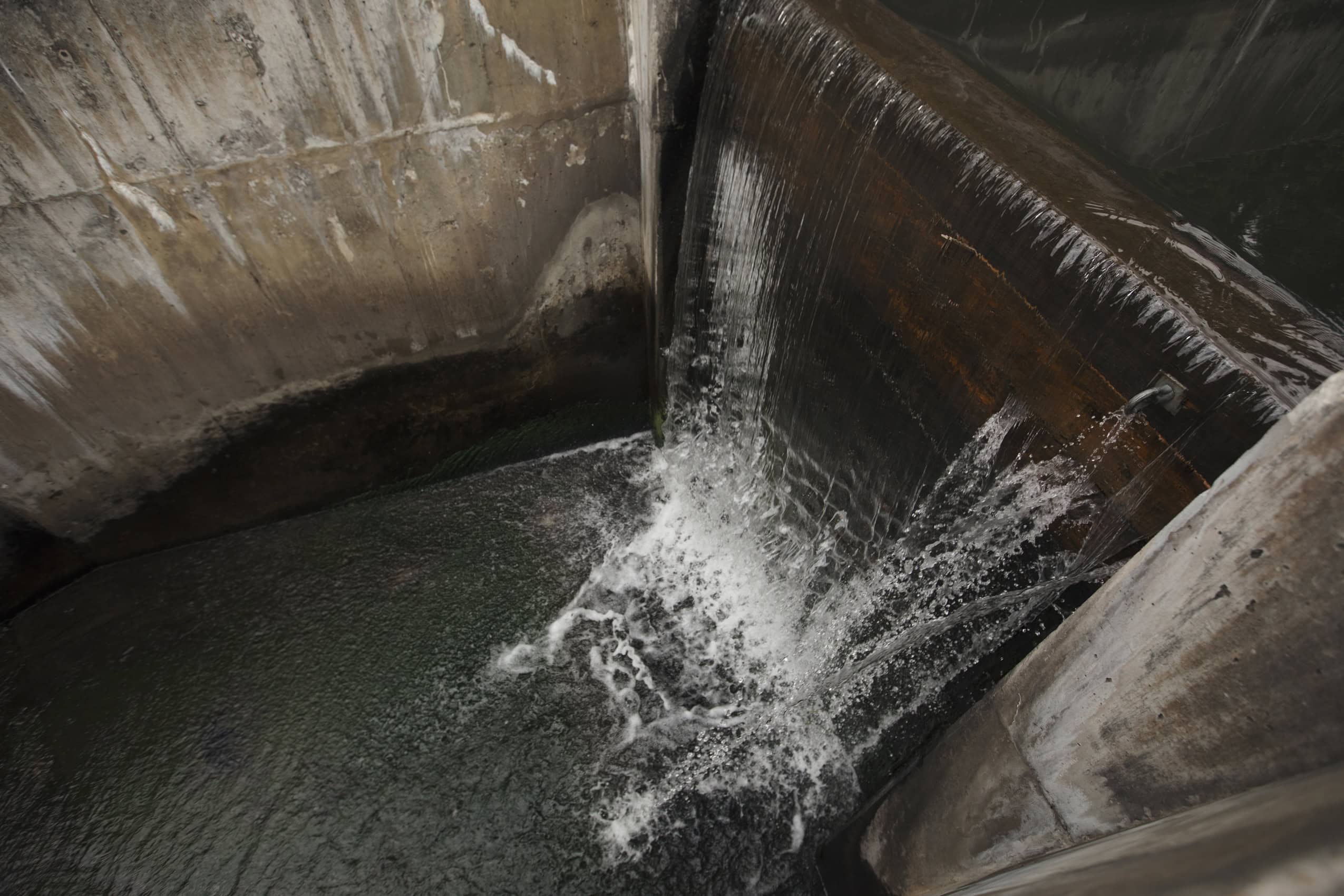
There have been 42 incidents in the past three years, almost all of which involve water.
Further south of the existing mines clustered in west-central Alberta, new metallurgical coal mines have been pitched for the traditional mining region near Crownest Pass. The water that flows from the rocky slopes there tumbles across an astonishing expanse of prairie clean through to Manitoba, providing habitat and hydration to ecosystems, helping to irrigate crops and slake the thirst of livestock, wildlife and humans alike.
Cavernous pits and tree-lined lakes
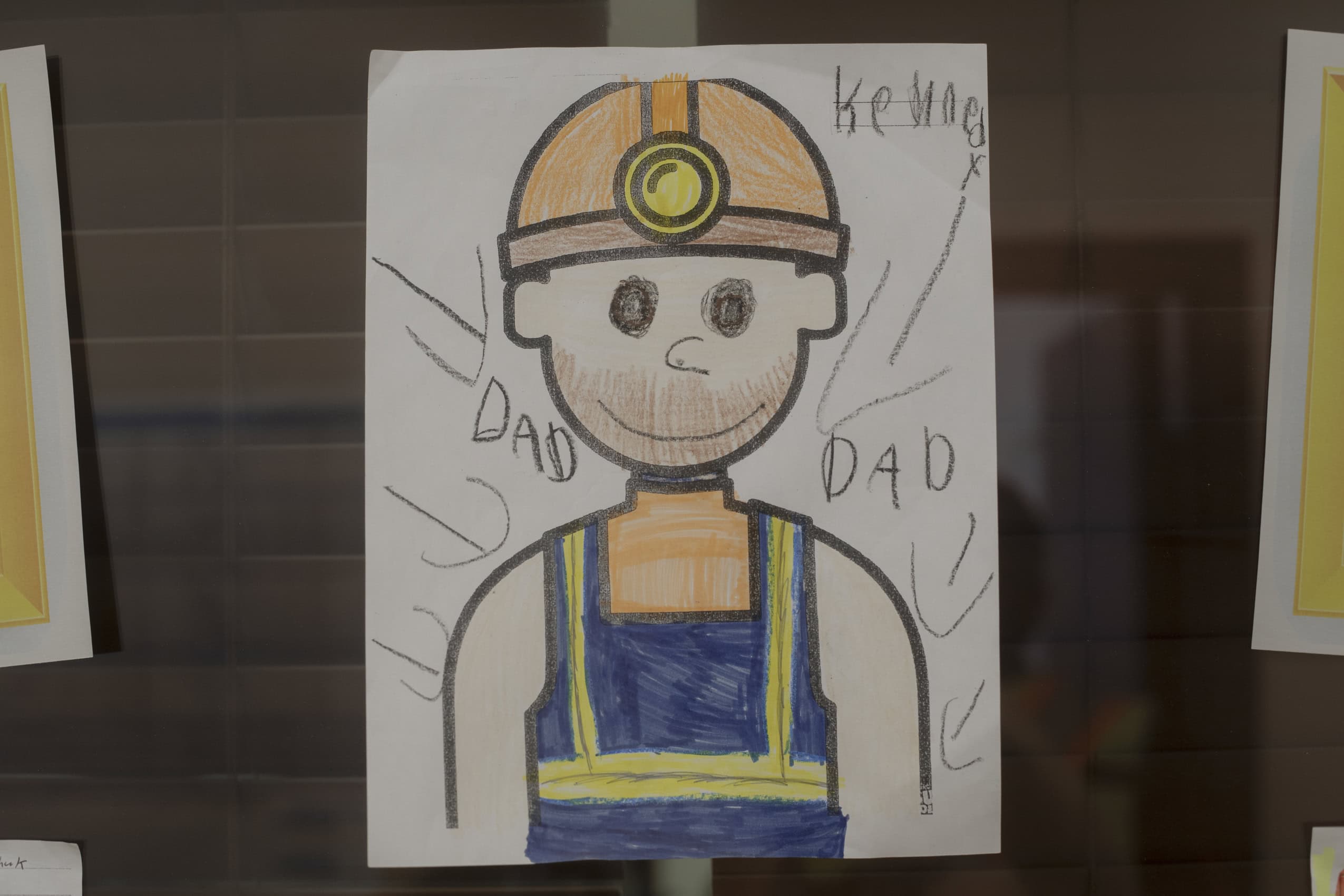
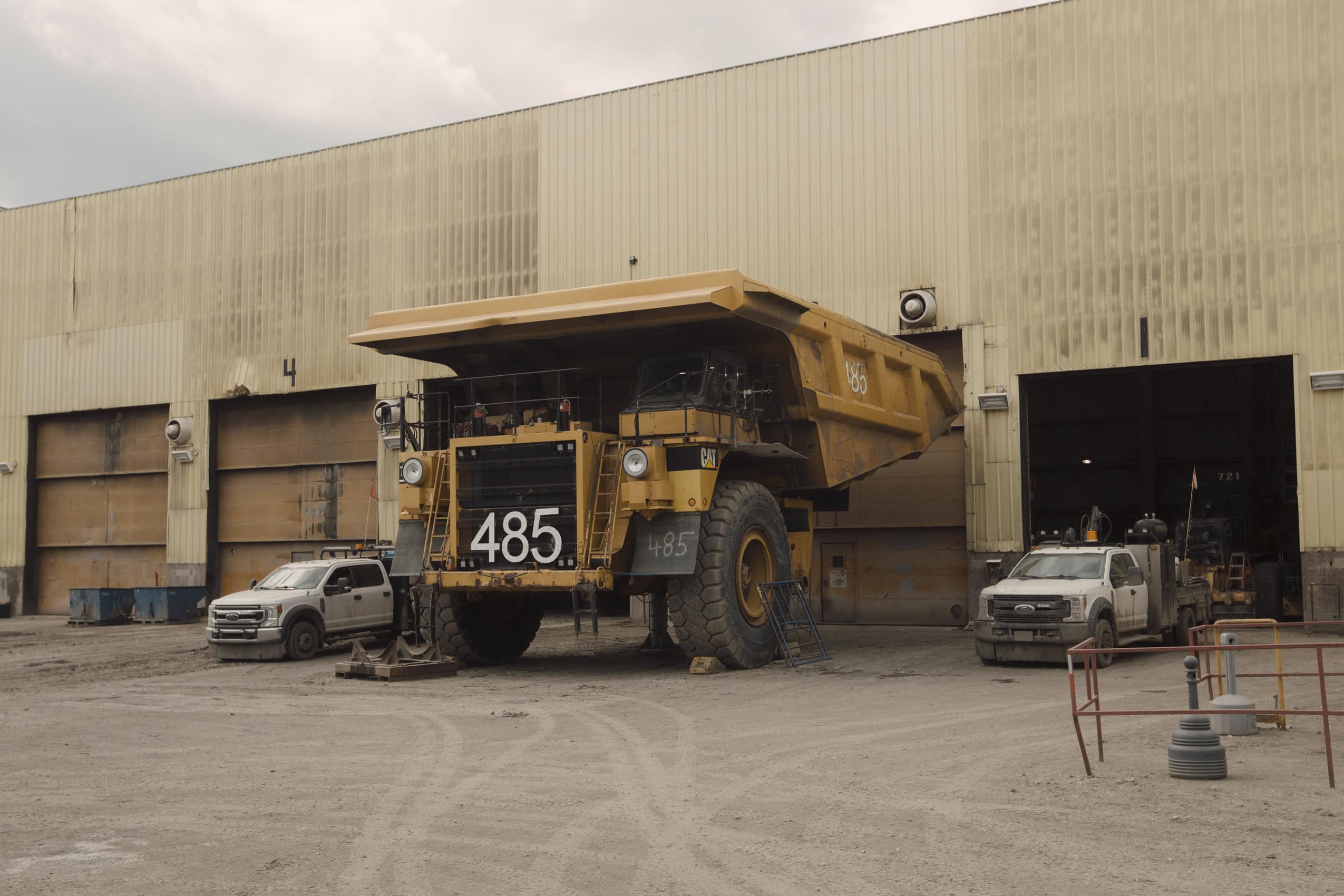
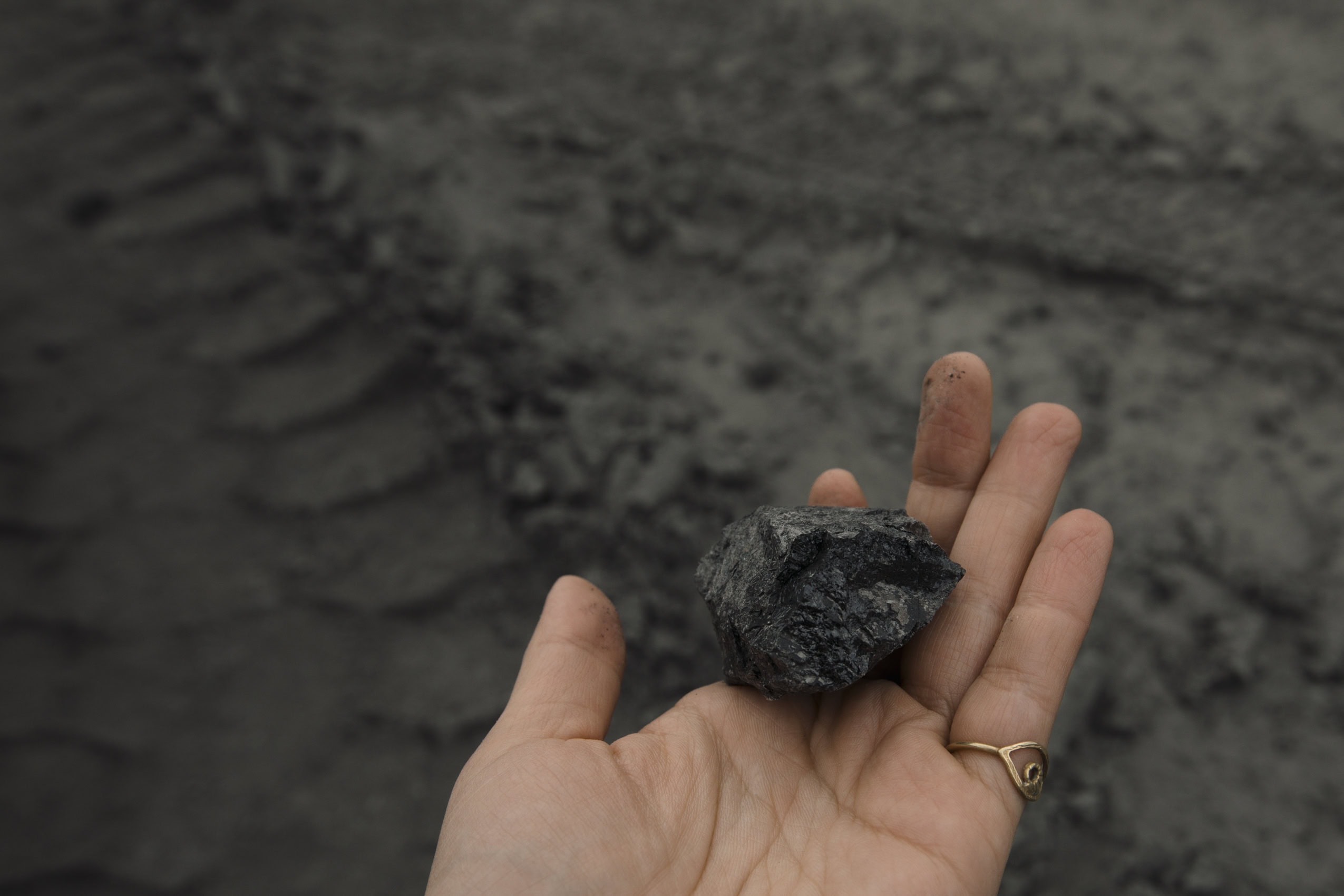
Inside the main office at Coal Valley, the smell of coal — like fresh asphalt — permeates the two-storey space, which sits next to workshops designed to handle repairs on towering mine dump trucks. The walls are adorned with colouring sheets showing mine workers, carefully filled in by local young students, some of whom have parents at the mine.
Inside a conference room a map of the mine is displayed under a glass top on the table. Here, Scott Sturm, Westmoreland’s chief operating officer, and Steve Love, the mine’s general manager, talk about operations and reclamation, water and regulations while pointing to areas on the map. Charles Reid, senior legal and government affairs counsel, asks that the conversations not be recorded.
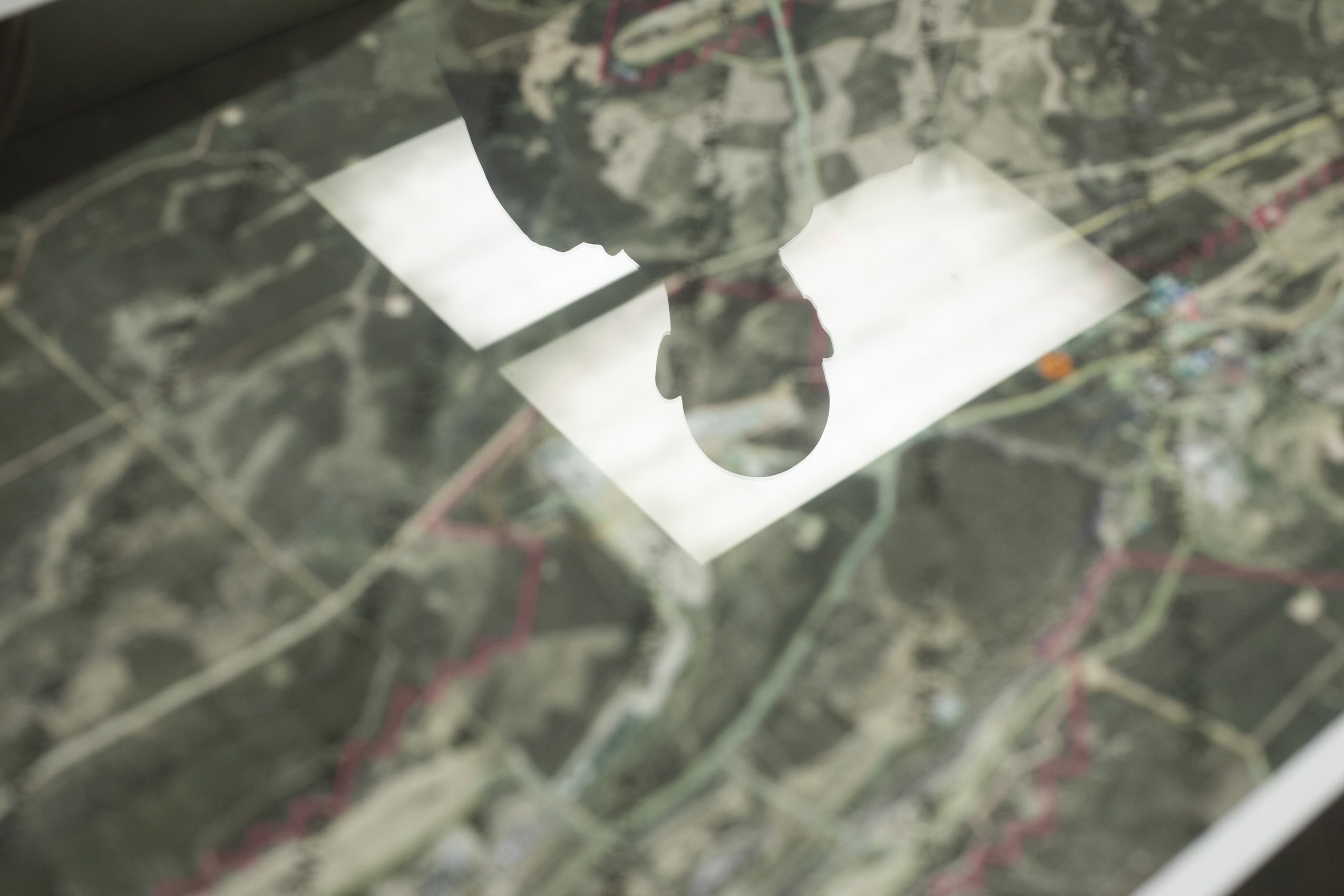
They talk about how the coal on site doesn’t have high levels of selenium, a compound that’s harmful to fish and human health in high quantities and a key concern in the ongoing debate about the future of coal mining in Alberta. The lack of selenium is a simple bit of geochemical luck rather than the product of engineering or human ingenuity, but it helps the company set itself apart when discussing spills. Its claims are backed up by water sampling conducted for the company by an independent contractor.
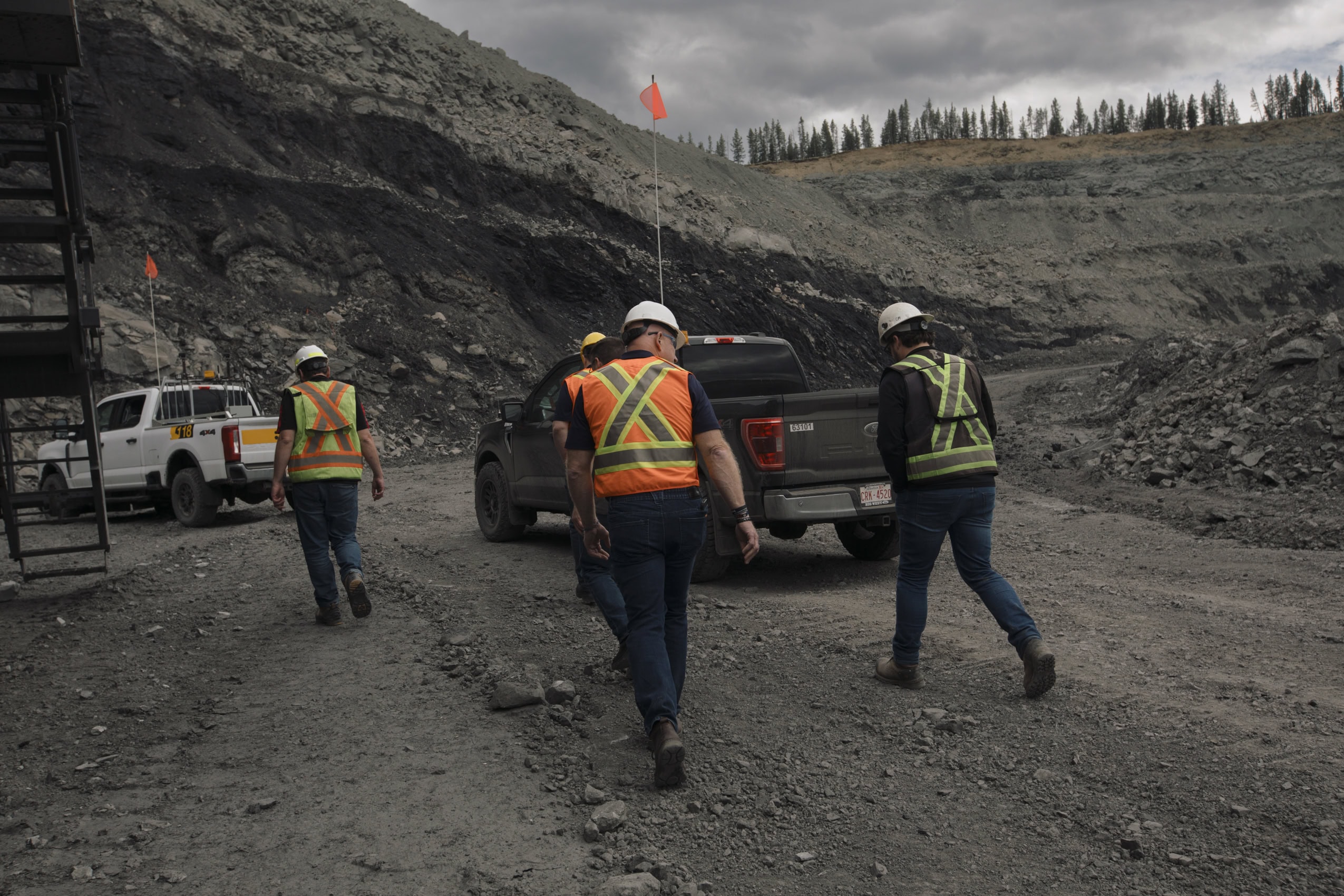
Before setting out for a tour of the mine, they talk about the incidents listed by the regulator, including areas where spills have occurred.
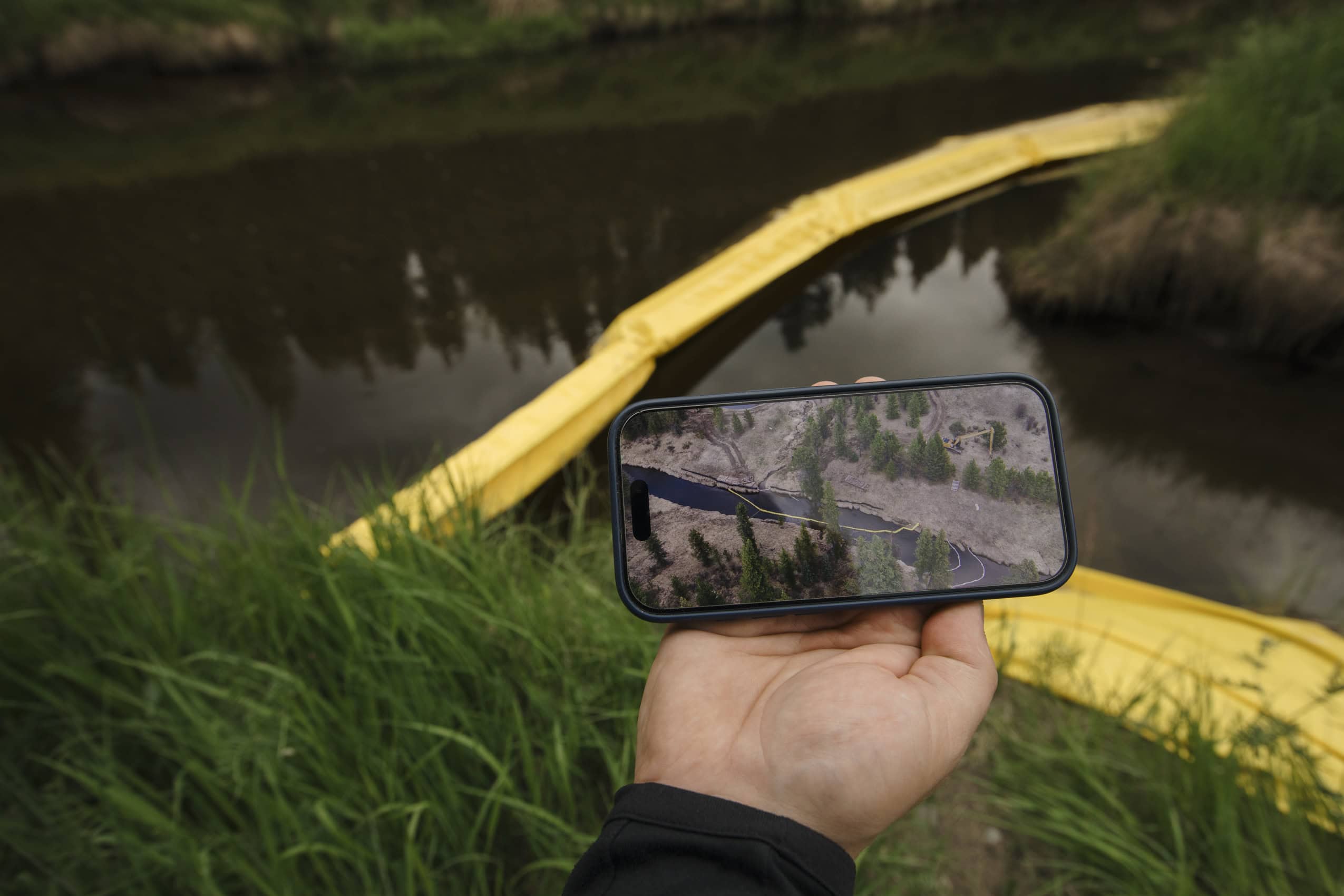
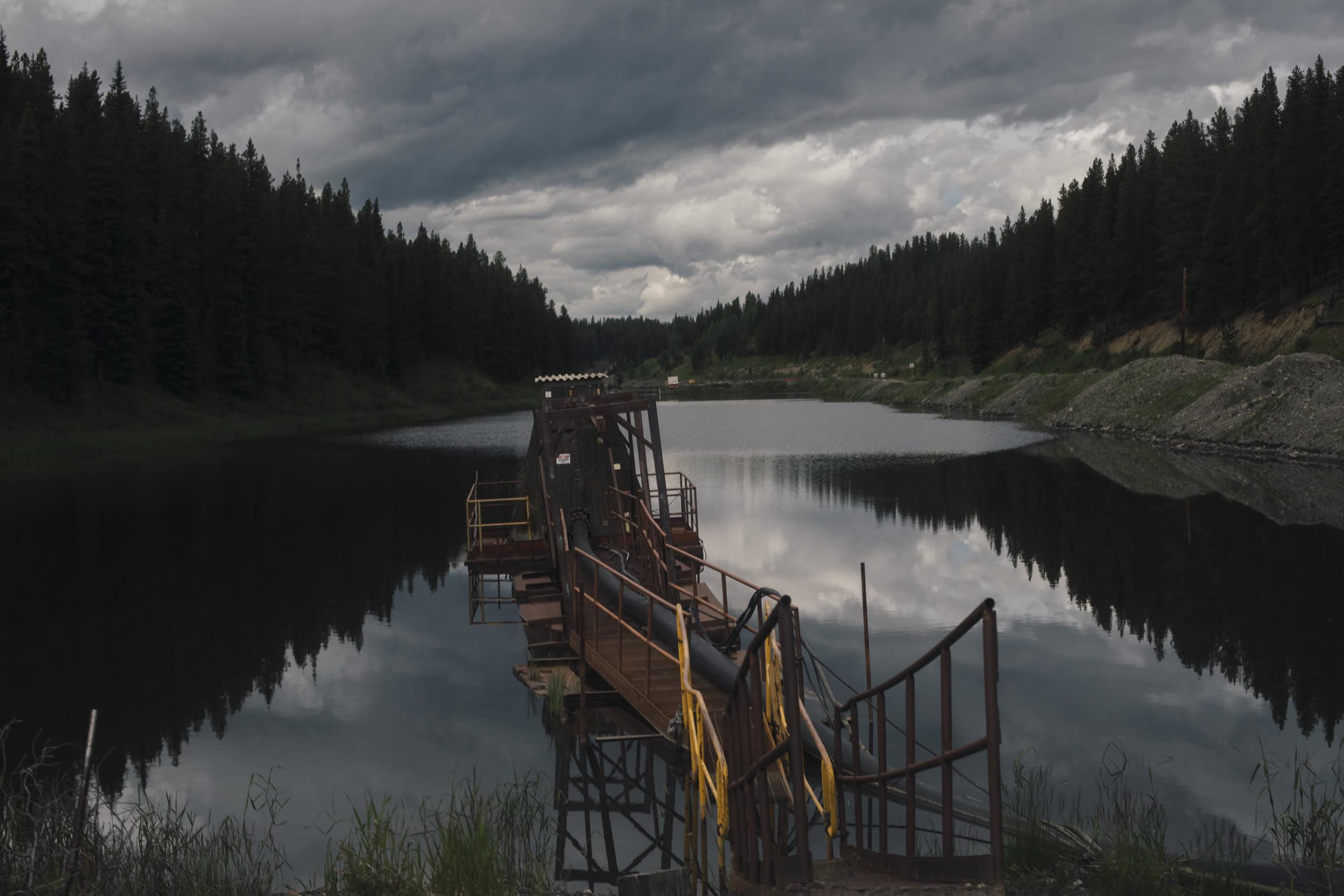
One recent incident dumped sediment in a creek, the result of erosion from a roadway and a collapsed culvert. At the site of the spill, the system designed to contain the sediment is still in place: a floating yellow barrier. Today, it’s closer to shore and smaller in size compared to three months earlier — Sturm pulls out his phone to share a photo from the time of the spill.
Sturm, a white-goateed man who looks somehow built for coal mining, says another incident in April was the result of ice blocking outflow from the mine’s long stretch of ponds. Known as Coal Creek, the long, narrow series of ponds are where debris and contaminants settle as the water slowly moves through them, ultimately discharging into a small waterway. The ice, combined with snowmelt and heavy rain, overwhelmed Coal Creek, and led to the spill.
Those spills involved sediment. And even without some of the chemical pollution concerns experienced by other mines, it can still have an impact. Sediment-laden riverbeds can smother habitat and impact fish and insect reproduction, and there is always the risk of contamination from pollutants including arsenic and heavy metals.
The company is also under investigation by the Alberta Energy Regulator for an incident related to a spill from the same area in 2025, but details have not been released.
In a follow-up email after the tour, Heroux says Westmoreland is working on “permanent engineering improvements” to the facility and says the company measures water quality after a spill. Heroux says conditions remained within regulatory limits following the spill in April and noted the company monitors surface water at 47 locations throughout the mine, as well as groundwater, streamflow and wetland conditions around the site.
“We also sample 20 additional locations upstream and downstream of the mine and exceed a number of the minimum monitoring requirements contained in its approvals,” Heroux wrote.
The tour pauses at the cavernous Pit 26, the only area of the mine that is currently active, a deep hole in the earth with a massive digger pulling loads from its lowest depths. There’s also a stop at the storage area where coal is washed prior to shipping to Japan. Further from the active areas, a short walk down a gravel road leads to a lush-looking lake that was once a mining pit — known as an end-pit lake, it’s part of a reclamation process those leading the tour seem particularly proud of and eager to highlight.
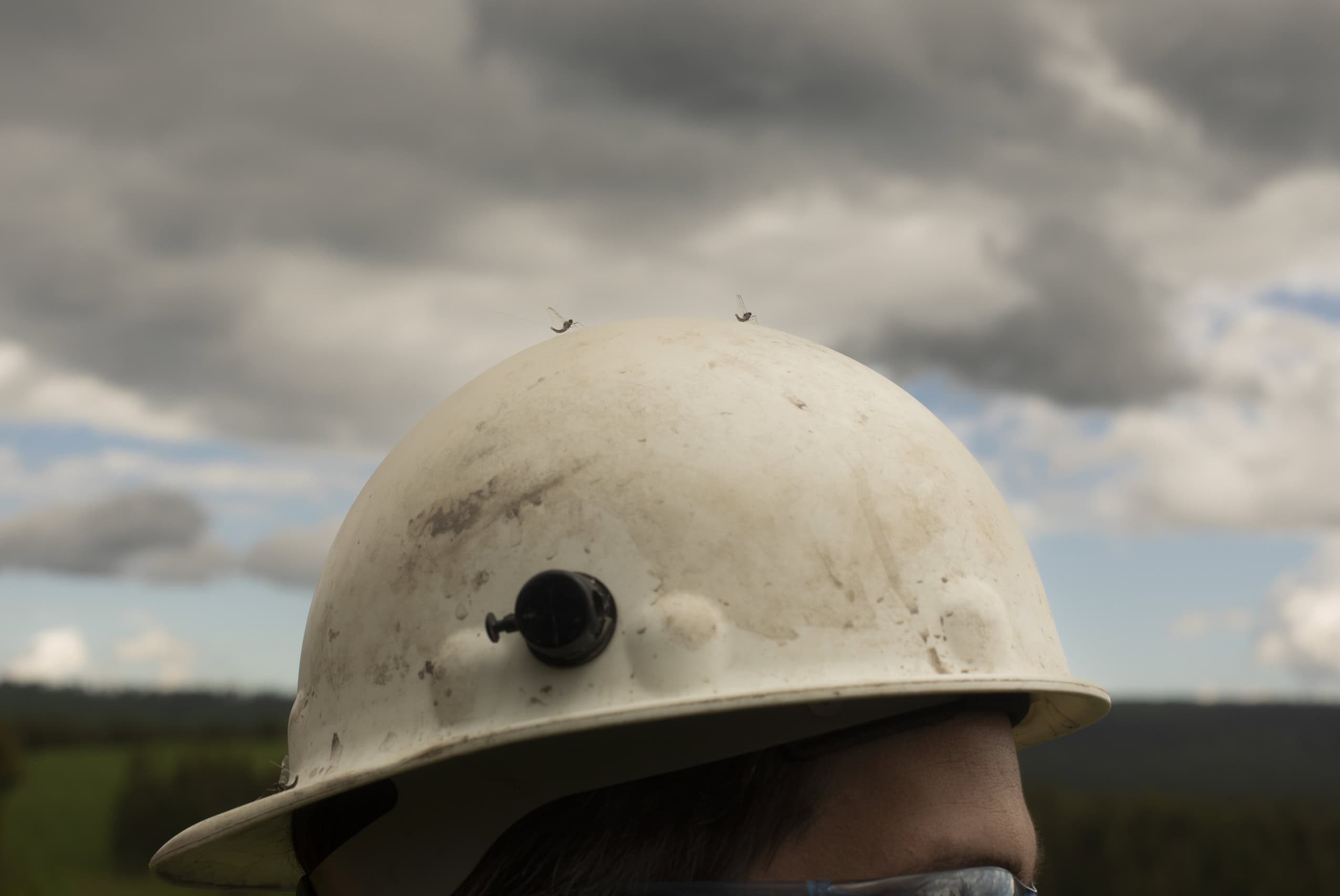
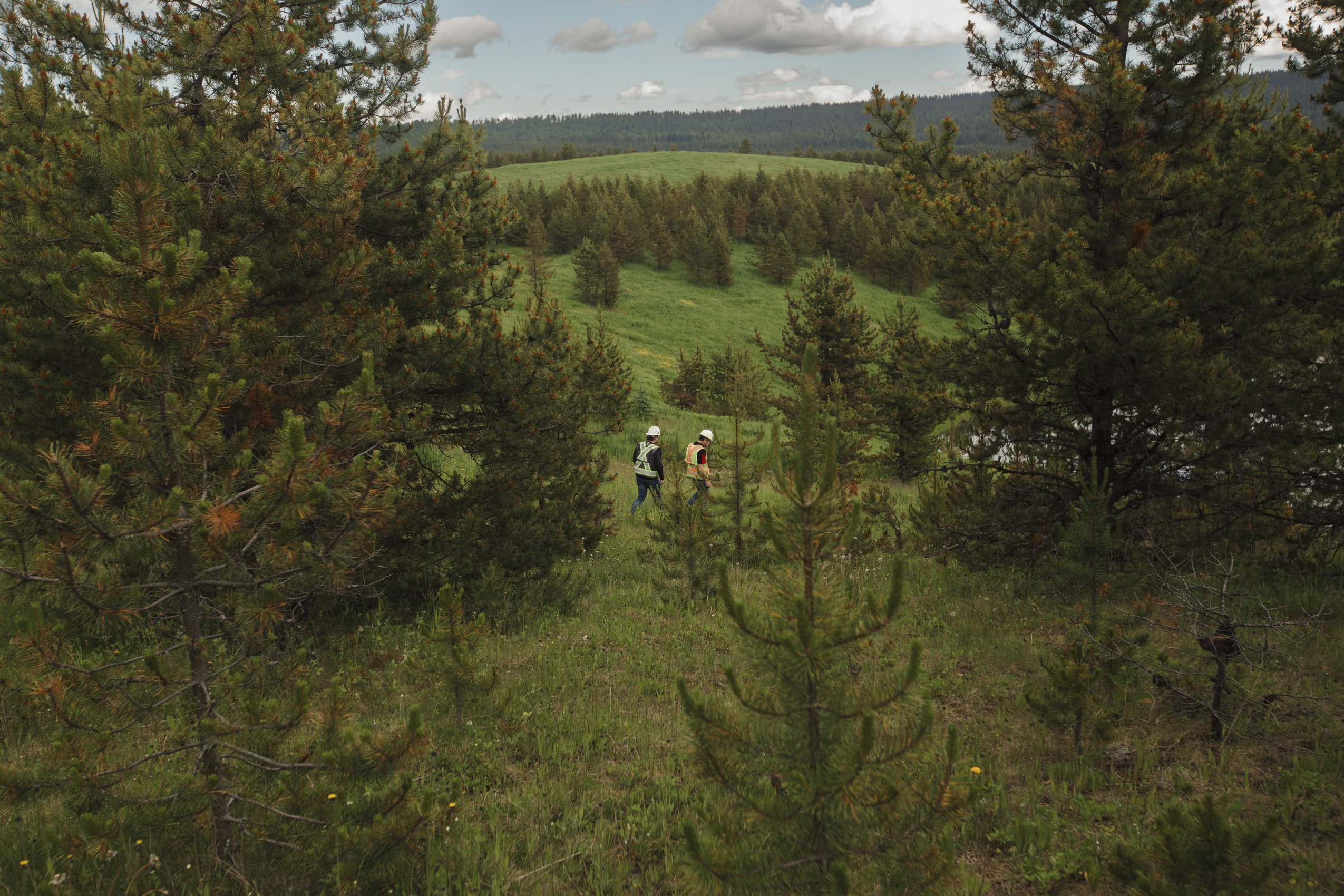
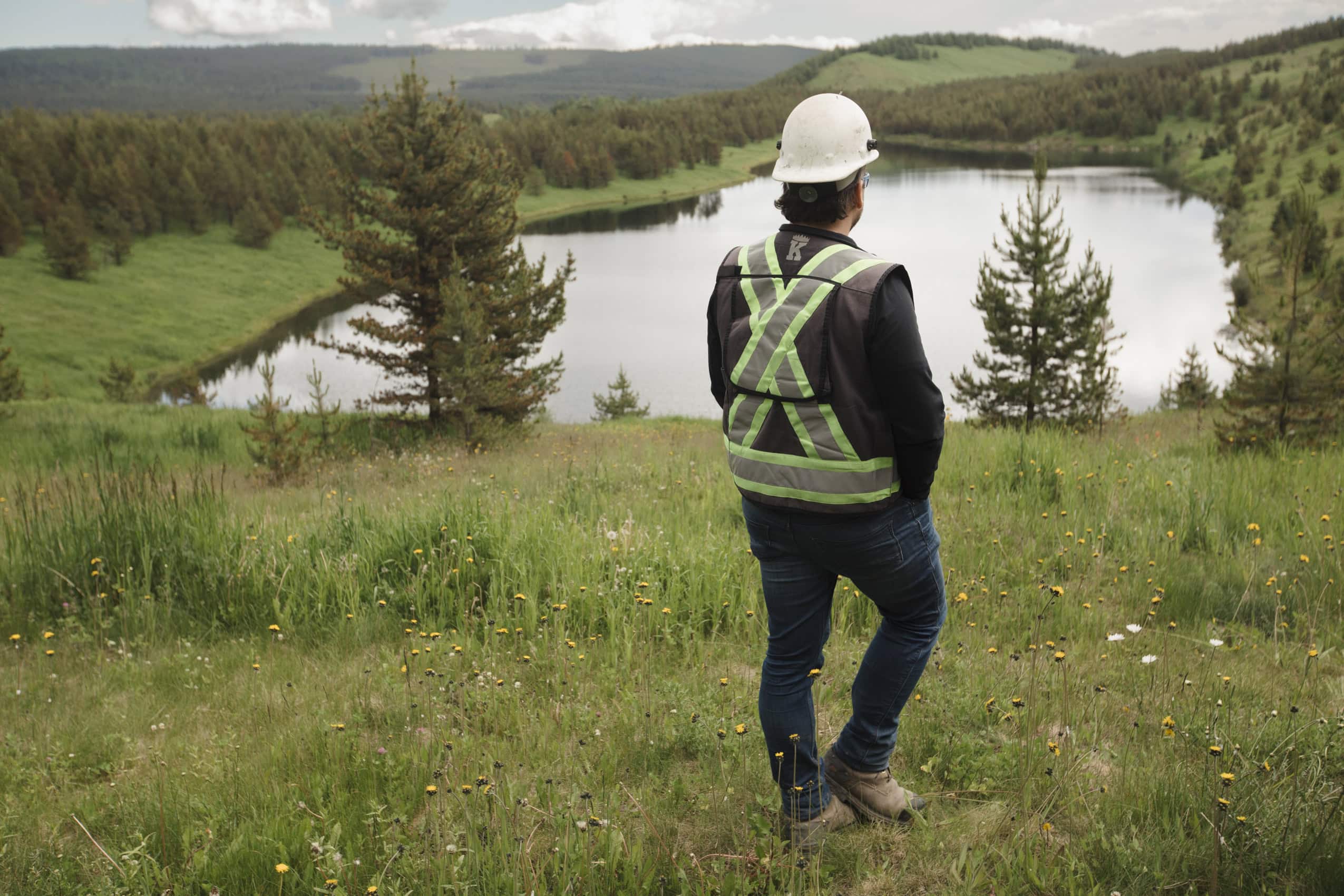
That former mining pit, now called Sterling Lake, is open to the public, accessed via a hike and stocked with fish for recreational angling. It has not yet been certified as reclaimed nor has the land officially been passed back to the province.
Love jokes he’s been sampling drinking water for years to ensure it’s clean.
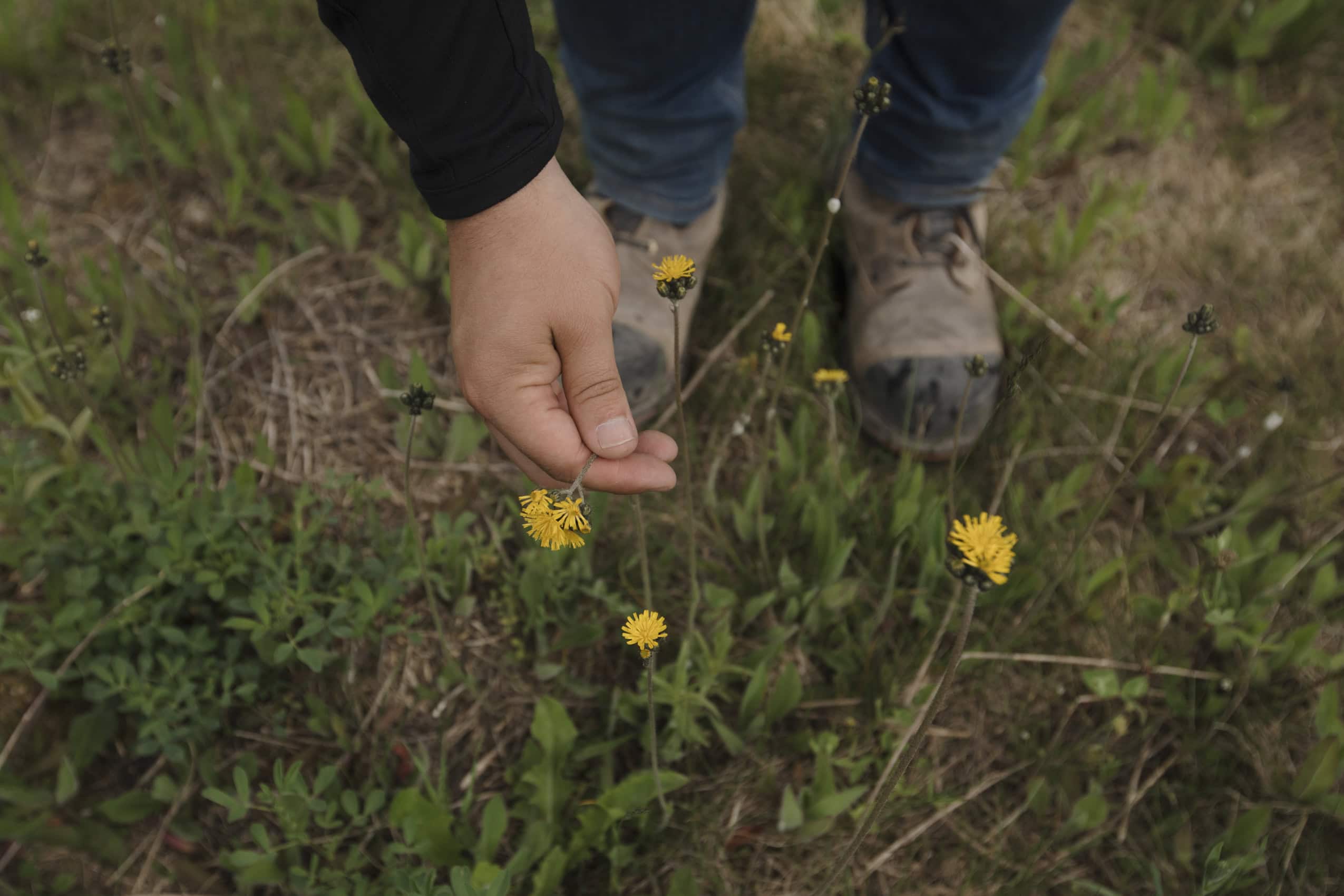
Is a better coal mine … good?
Driving through the mine, Love talks about the grizzly sow, Betty, who dens nearby and passes her unique colouring from one generation of cubs to the next. Out the window, the landscape shifts from areas replanted with fir trees, to deep pits and cuts in the land. Across the valley, clearcuts dot the hillside, which those on the tour are quick to point out are the result of logging operations and not mining — another industry, a separate problem, within view.
The impacts on the land are clear and immense. The emissions when the product is finally burned, meanwhile, are out of sight.
It’s clear the staff at Coal Valley who spoke with The Narwhal care about the work, the site and the surrounding environment. The willingness of the company to reach out is critical to understand the nuance of its operations and its failures.
The company is eager to point to how quickly it reports and responds to spills, and explain how those spills aren’t an apocalyptic deluge of wastewater sludge. That may be true, but it’s also clear the mine struggles to contain water not meant to flow into waterways.
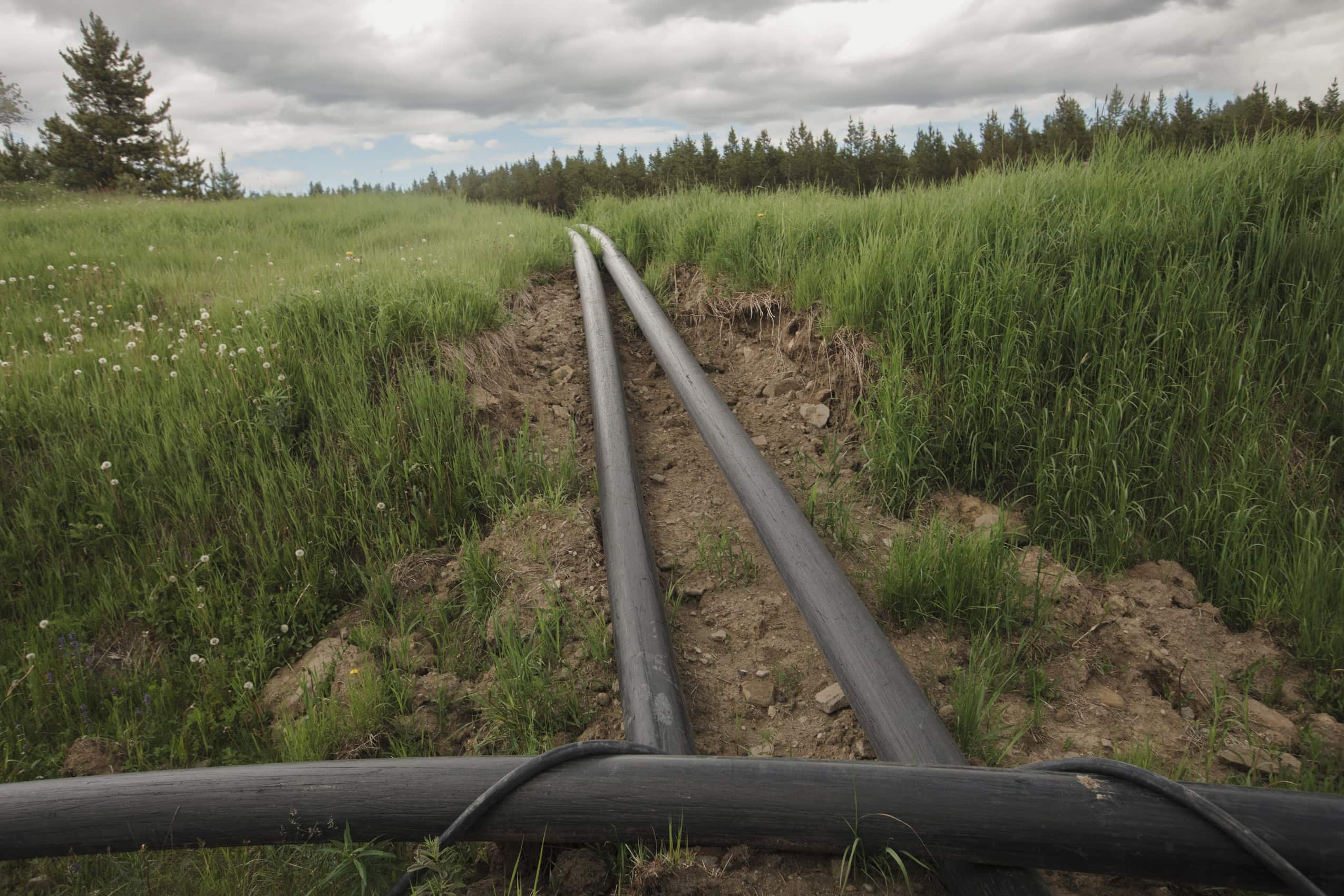
The information provided by the Alberta Energy Regulator through its compliance dashboard is often unclear about the impacts of coal mining incidents. There are few details linked to most infractions beyond “sediment runoff and sediment to waterbody,” or a figure on how much sediment was measured on a given month or day.
The regulator is also sparing in the use of enforcement powers, including fines, to deter violations. Only about $1.1 million in fines has been doled out since 2013 and more than 80 per cent were for one major incident.
Following the mine tour, Heroux said the regulator’s data can be misread.
“The [Alberta Energy Regulator] compliance dashboard records reportable events and regulatory activity, but it does not necessarily explain why an event occurred, its environmental significance, the company’s response or the outcome of the regulator’s review,” he wrote. “Please remember that those distinctions are important when evaluating the figures.”
Not far from Coal Valley, mine operator CST Coal has been fined $53,000 for spills that took place over the past three years, and for failing to quickly report those infractions to the regulator. In one instance it waited days. The context and the failure to report contributed to the penalties, according to the regulator.
CST Coal did not respond to questions from The Narwhal.
Driving home from the tour down Highway 40, following the length of the mine site invisible over an adjacent mound, there’s a comfort in knowing that it’s still possible to talk across divides and see firsthand where assumptions fall apart, and where they do not.
But at the end of the day, there remains a lingering question the industry might not be able to overcome: given the impacts on the land, on water and on emissions that cause air pollution and exacerbate climate change, is it enough that a coal mine is striving to be better than its peers?
Updated on Sept. 3, 2026, at 2:35 p.m. MT: This story has been updated to reflect the fact that coal-fired electricity has been phased out in Alberta, not across all of the Prairies as was implied in a previous version.
Updated on Sept. 4, 2026, at 10:05 a.m. MT: This story has been updated to correct a photo caption that misidentified a plant as a dandelion.