




 11 min. read
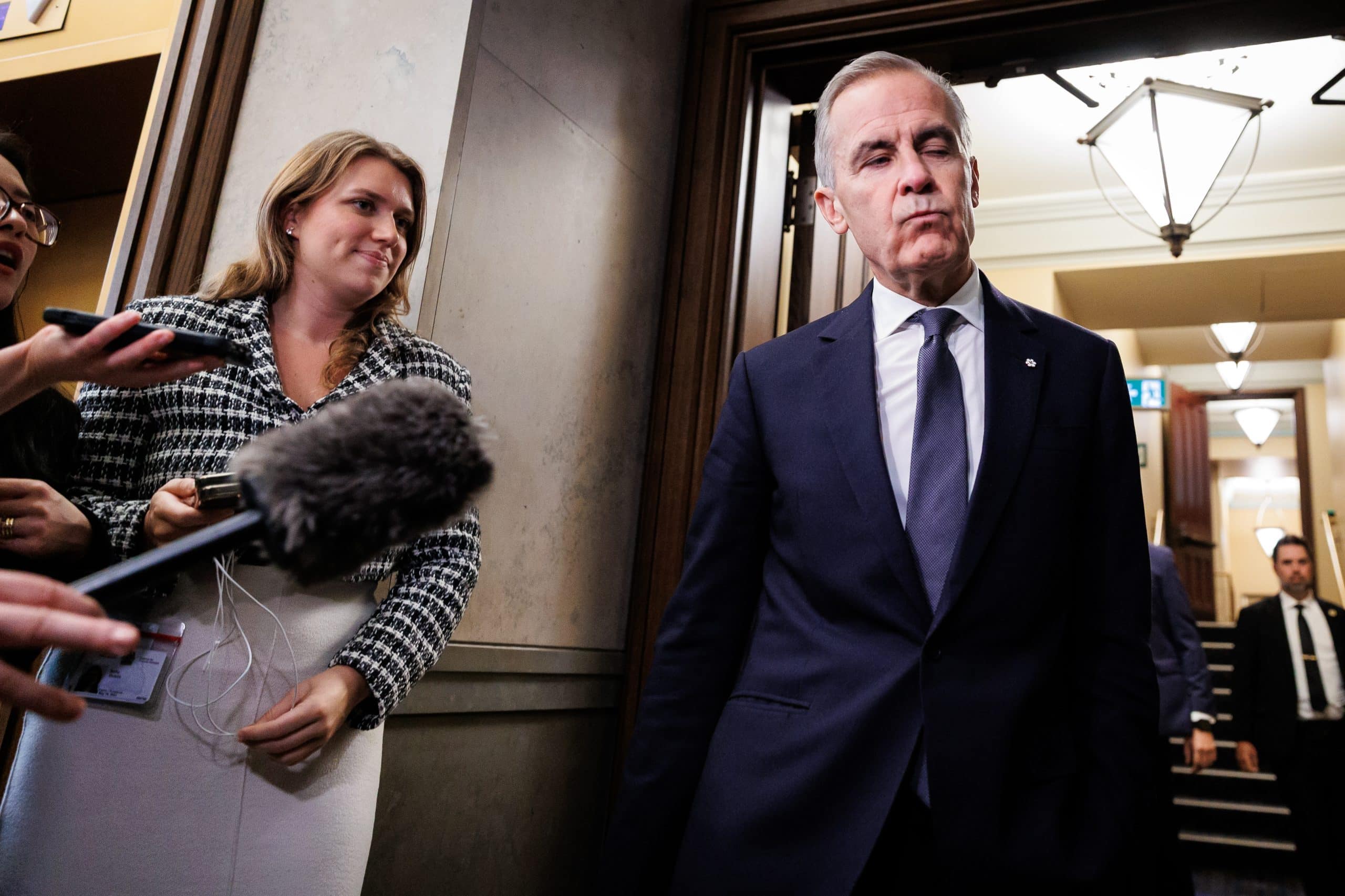
Prime Minister Mark Carney’s government has introduced legislation to expand its “national interest” regime meant to speed up major projects, overhaul federal environmental scrutiny of industrial activity and consolidate Indigenous consultations.
In doing so, the government is largely moving ahead with sweeping proposals it made in May, and making them permanent, despite spending the summer hearing from a public concerned about exactly this: that the Liberals’ plan could sideline scientific expertise and concentrate political power.
Transport Minister and Government House Leader Steven MacKinnon introduced Bill C-39, the Building Canada Strong Act, in Parliament on Sept. 21. The nearly 250-page omnibus bill will entrench new powers to bypass normal government approval processes for projects like pipelines, highways and nuclear facilities, by removing a five-year time limit that was built into last year’s Building Canada Act.
Summary
The Building Canada Act first introduced a special designation to allow projects to skirt regular rules if the government deems them in the “national interest,” coming in the wake of U.S. President Donald Trump’s tariffs and threats to annex Canada.
Asked by reporters on Wednesday to justify why the government was making its temporary powers permanent, Finance Minister François-Philippe Champagne said Canadians “understand what we’re facing is unprecedented in Canada’s history.”
“We need to make sure that we have the proper tools in the toolbox to favour economic security in our country,” he said.
The government claims the bill will “bring greater speed, certainty and predictability to infrastructure project reviews” while maintaining “strong environmental safeguards” and upholding Indigenous Rights.
One of the key changes in the bill is to force all projects subject to federal reviews through a one-year timeframe for approval or rejection, compressing the time to examine things like environmental impacts into a matter of months.
“If you’re going to say no — decide it within a year,” is how Carney put it on Tuesday, addressing criticism of the bill on the sidelines of the United Nations General Assembly in New York.
But this shortened timeline is one of many proposals Canadians have been cautioning Ottawa against since it was first made last May, warning that such fast-tracking could create conditions incompatible with the time and space necessary to properly assess big projects.
The government received more than 26,000 emails and over 40 written submissions on its spring proposals from provinces, territories, Indigenous groups, industry representatives, environmental organizations, academics and think-tanks, according to a summary report published earlier this month.
While much of the feedback was broadly supportive of the effort to speed up approval of major projects and cut down on inefficient government processes, there was also “widespread agreement that reform should not come at the expense of environmental protection or Indigenous Rights,” the report noted.
In particular, Canadians expressed a “recurring concern” around the concentration of decision-making authority in a single minister, or in a small group of powerful people.
“Many cautioned that increased ministerial or Cabinet discretion could weaken accountability, increase politicization, reduce predictability, and diminish the role of independent scientific, technical, environmental, and Indigenous expertise,” the report stated.
Meanwhile, Indigenous groups worried the changes could undermine reconciliation and limit their ability to assert their constitutional rights within their territories, warning of potential lawsuits.
After tabling its bill, the government received praise from business groups for taking steps to attract investment and boost the economy.
Business Council of Canada president and CEO Goldy Hyder urged Parliament to “pass the legislation quickly to safeguard the interests of Canadians and rebuild the country’s reputation as a reliable trading partner.” The Western Business Coalition welcomed the one-year timeline for reviews, among other changes.
The changes also come after months of intense lobbying from the oil and gas industry to “simplify” project reviews and commit to much shorter deadlines for approvals.
Starting in 2025, oil and gas executives and lobby groups launched a public campaign pressuring Carney to “unwind the past decade” of environmental and energy policy, complaining that the current system was “impeding” fossil fuel growth.
The bill also follows regulatory changes Carney’s government made early in September to remove certain oilsands facilities and fossil fuel power plants from federal assessments.
Other groups have expressed dismay that the government was moving ahead despite public concerns of overreach.

The environmental advocacy group Centre québécois du droit de l’environnement said a one-year timeline is “incompatible with the assessment of complex, large-scale projects” that often involve big risks to watersheds, wildlife habitat and communities.
Such projects generally require long-term studies and analysis of cumulative impacts — not to mention meaningful public input and Indigenous consultations.
Assembly of First Nations National Chief Cindy Woodhouse Nepinak warned Carney against “abusing” his powers to speed the bill through Parliament without adequate debate and consultations.
The national chief said the government should be open to incorporating amendments to the bill offered by First Nations leaders.
So what else is in Bill C-39? Here’s what you need to know.
Moving pipeline and nuclear reviews away from an environment agency
The legislation takes federal reviews of pipelines, nuclear facilities and power lines out of the hands of the Impact Assessment Agency of Canada, a federal body that reports to the environment minister and is meant to ensure project designs protect Indigenous Rights and the environment.
Instead, pipeline projects will be reviewed by the Canada Energy Regulator, an agency of the Crown that reports to the energy minister and oversees construction and operation of certain pipelines and power lines.
For nuclear projects, the Canadian Nuclear Safety Commission, which also reports to the energy minister, will carry out assessments.
The government said “diverse stakeholders” had expressed support for the move and that environmental, health and Indigenous considerations would continue to be “addressed with rigour.”
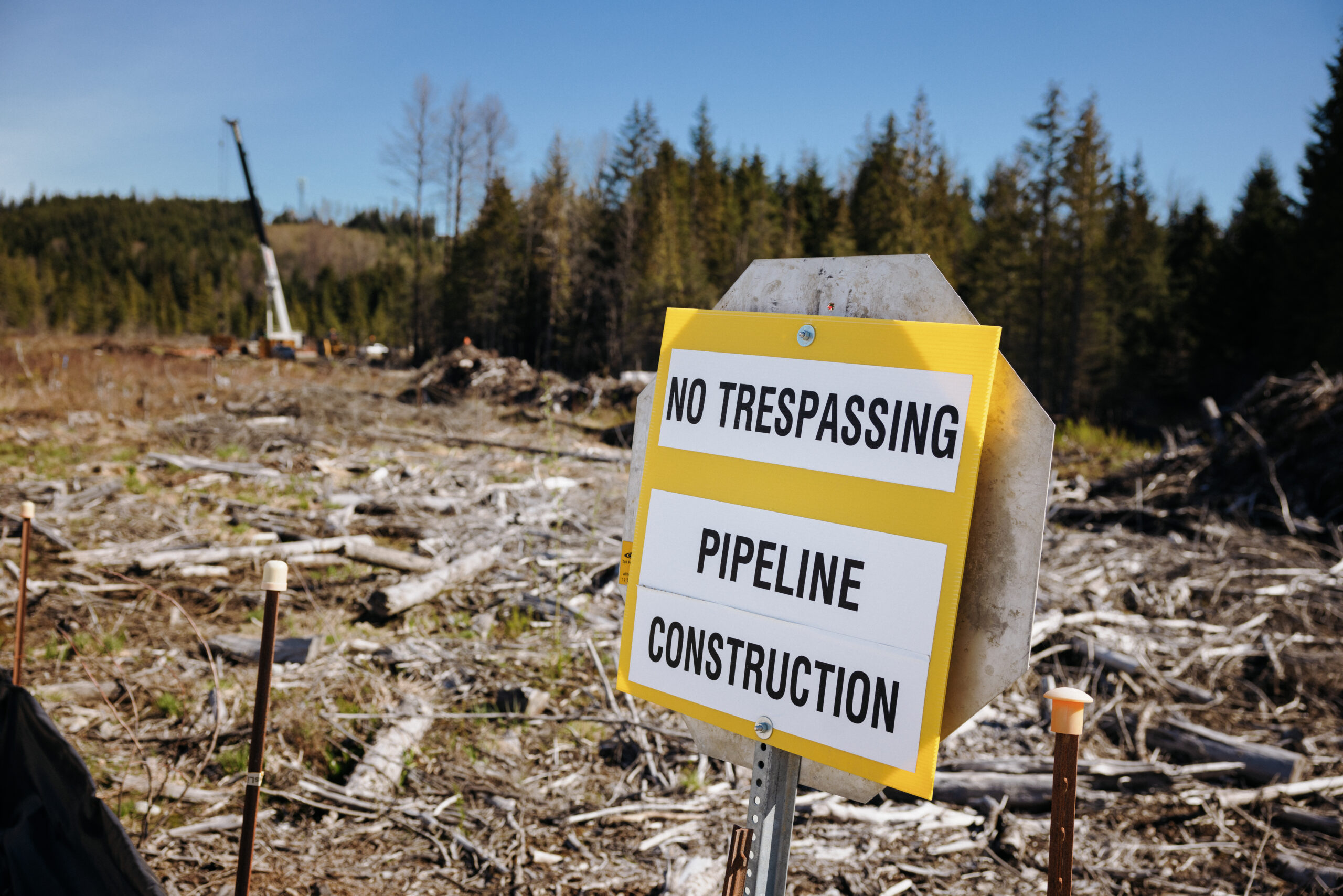
Yet making the energy regulator the sole assessor of pipeline projects was one proposal where the public, through “advocacy campaigns distributed through civic engagement platforms and petitions,” had “consistently emphasized concern,” according to the feedback report.
Indigenous representatives also asked the government to hold the energy and nuclear regulators “to the same standard” as the Impact Assessment Agency.
They asked that Indigenous Peoples be involved in updating the laws that govern these agencies, so they’re consistent with the United Nations Declaration on the Rights of Indigenous Peoples, which is meant to uphold their “free, prior and informed consent.”
In 2021 Canada passed a law to embed that declaration at the federal level.
Taking ‘national interest’ projects a step further
Another idea that elicited major unease from the public was the creation of federal “economic zones” where certain projects could be “pre-approved.”
Carney’s new legislation rebrands these as “regions of national interest.” Once designated, certain projects inside the region would benefit from the ability to bypass normal approval processes, just like “national interest” projects.
The type of “regions” the government is considering are wide-reaching: a telecommunications network, an industrial area or an “energy production” area are all in play, it said. The region doesn’t even have to be currently used — it could be picked for “future development needs.”
The first step would be to conduct a regional assessment through the Impact Assessment Agency, which the government said would measure the “cumulative effects of current and foreseeable activities in the area” and involve Indigenous consultations over things like impacts, boundaries and “culturally sensitive areas.”
Then a federal minister will recommend whether to list the region as in the “national interest.” If it does, projects will be “considered pre-approved” and be given a list of conditions.
Kerrie Blaise, founder and lawyer at the nonprofit Legal Advocates for Nature’s Defence, warned in a statement that the Ring of Fire mining and development region on Treaty 9 territory in northern Ontario could be designated as a “region of national interest.”
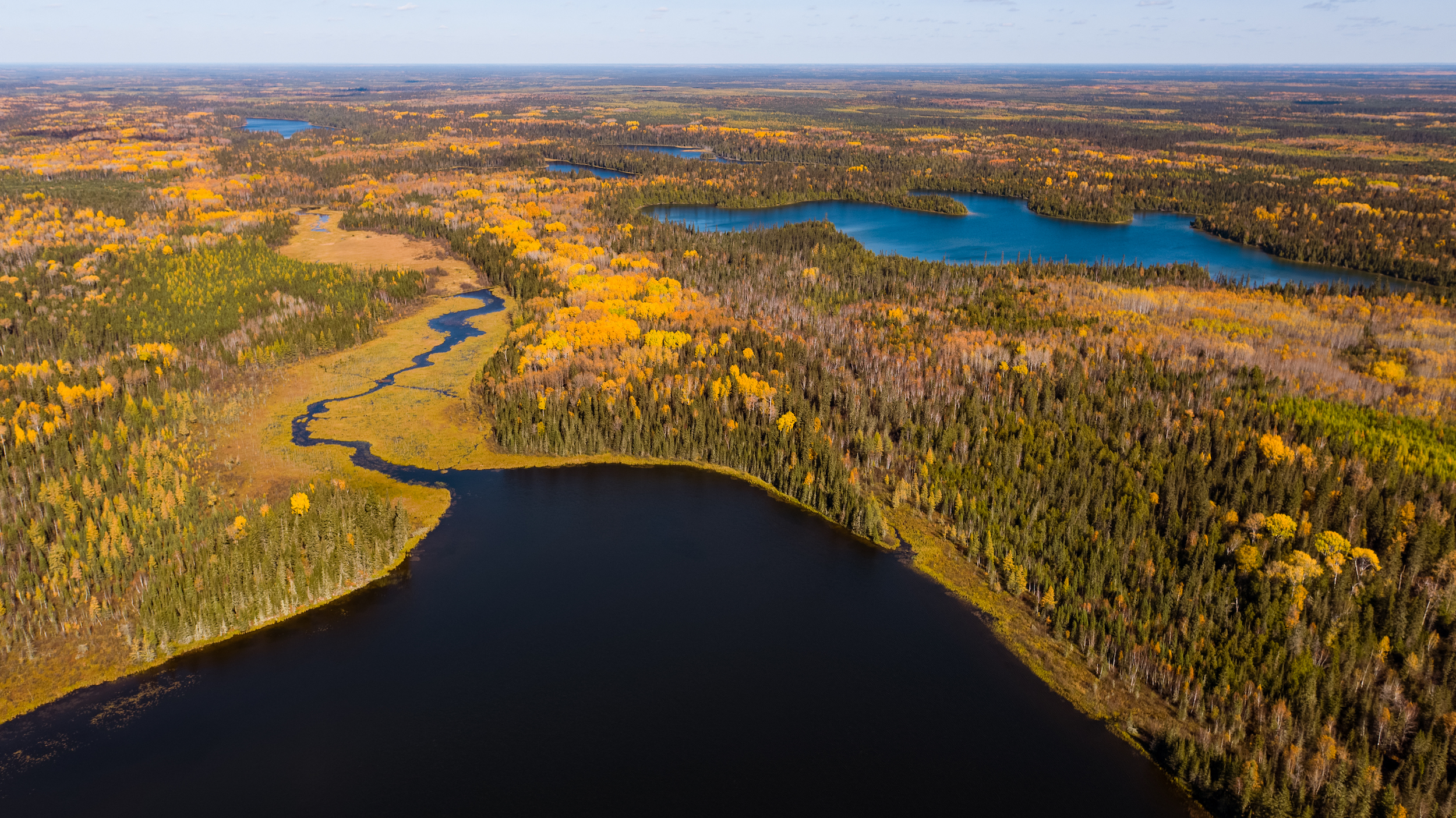
A group made up of representatives from 15 First Nations and the Impact Assessment Agency are in the midst of a regional assessment of development in the Ring of Fire area.
“Effectively ‘pre-approving’ mining projects within the Hudson-James Bay Lowlands — where the Ring of Fire is proposed — risks irreparable harm to pristine rivers, globally significant carbon stores, refuges for wildlife and species at risk and the Indigenous Peoples who call this region home,” Blaise said.
The regional designation follows a similar process for designating individual projects in the “national interest” that was established in last year’s Building Canada Act.
That process allows the government to automatically grant all federal approvals at the same time, following consultations.
Since passing the law, the government has moved to formally designate four projects as in the “national interest” — a new oil pipeline to the west coast, a nuclear waste depot in Ignace, Ont., the Roberts Bank Terminal 2 in Vancouver and the Mackenzie Valley Highway in the Northwest Territories.
Many more projects are being considered for the designation by the Major Projects Office, a body run out of the central government agency that supports the prime minister and Cabinet.
A streamlined impact assessment process and the option of earlier project starts
Currently, the Impact Assessment Agency produces a project review to be considered by the environment minister, who then issues a decision on whether it should move forward.
Other ministers who oversee departments with expertise in different fields, such as fisheries, still have to issue permits for the project after that decision is made, as part of separate processes, which the government says has made the overall project approval process take five years or more.
The new bill would empower the environment minister to issue a decision statement that comes with all required permits issued concurrently from different departments — and all of this happening within a year.
As well, the environment minister can authorize some work to begin on a project before its Impact Assessment Agency review is completed, if this is deemed in the public interest.
Consolidating Indigenous consultations, making climate one consideration among many
The bill mentions “climate” five times, but vaguely: it’s one of many considerations officials must weigh when deciding on projects like pipelines, power lines or regions of “national interest.”
The project’s effects on the government’s climate change commitments are among them, but there are no specific dealbreakers, such as an amount of heat-trapping emissions that might trigger a rejection, for example.
Others include “the interests and concerns of the Indigenous Peoples of Canada,” Indigenous Knowledge, scientific information, environmental effects, safety and security, health, social and economic effects, “the existence of actual or potential markets” for pipelines and their “economic feasibility,” and the financial resources of the applicant.
The bill also moves to centralize federal consultations with Indigenous groups by establishing a new “Crown Consultation Hub” within the Impact Assessment Agency, though the energy and nuclear regulators will still oversee their own.
Changes to transportation, navigable waters and fisheries laws
The bill would create a new “National Trade Corridors Council” that would monitor the movement of goods and provide advice to the transport minister on “disruptions.”
It gives the transport minister new powers to authorize exemptions to the Canadian Navigable Waters Act for dumping materials into waterways. Materials that are currently banned from dumping include sawdust, wood scraps and waste.

As well, some companies would be allowed to harm fish and fish habitat by paying a fee to an environmental damages fund to “offset” it.
The bill also allows the labour minister to end a work stoppage if the government believes that to be in the “national interest.” Labour leaders say that infringes upon Canadians’ right to strike.
Greenpeace Canada dubbed Bill C-39 the “Bulldoze Nature Bill.”
In a statement, nature and biodiversity campaigner Salomé Sané said, “Carney’s government is locking us into a short-sighted strategy in which decisions about workers’ health and rights, living ecosystems — from rivers, forests to grasslands and communities — are subordinated to a logic of speed and profit, not care and protection.”