



 5 min. read
A northern Manitoba First Nation is calling for a voluntary closure of moose hunting in its traditional territory to protect the declining population and respond to what it sees as a lack of provincial intervention.
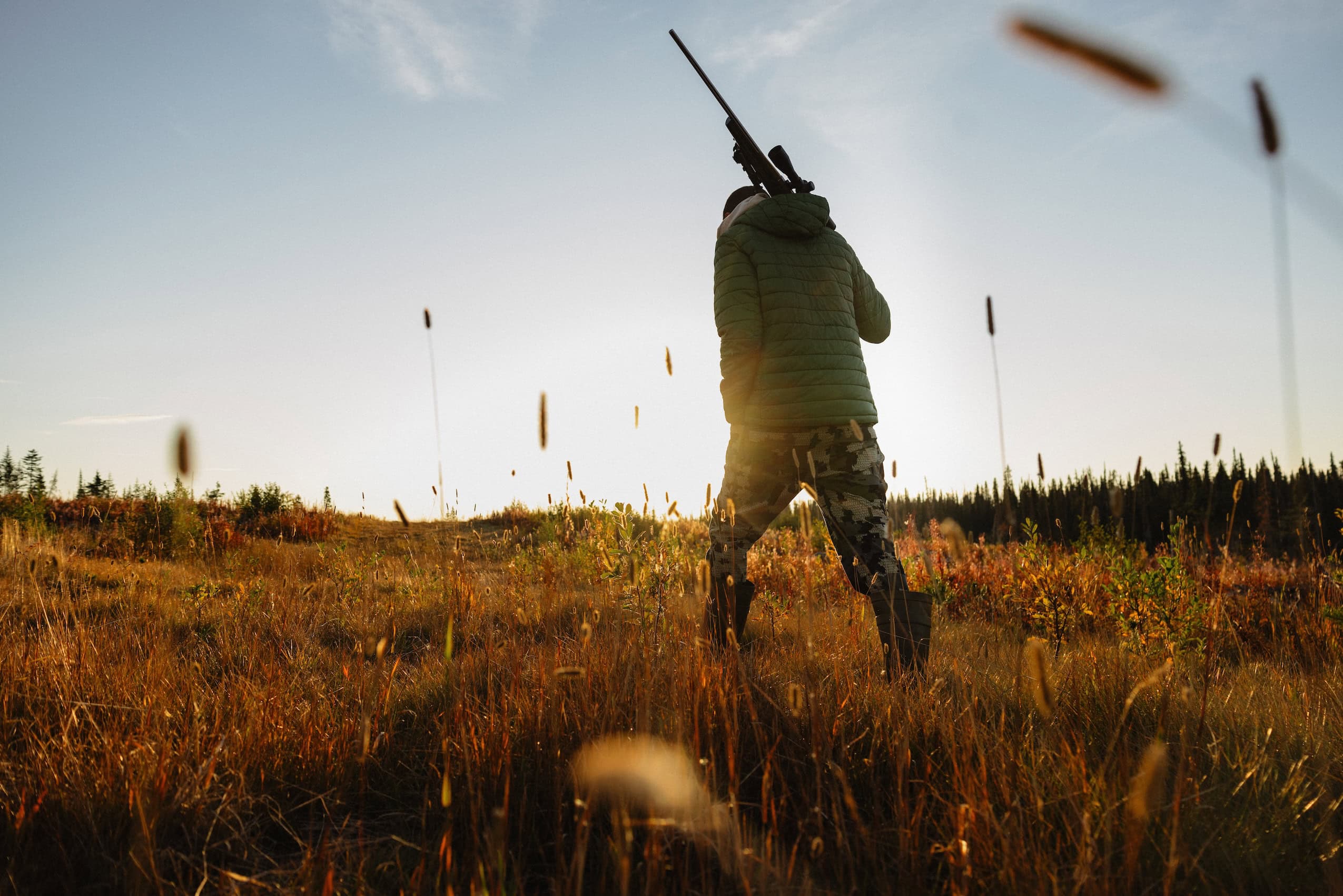
On Friday morning, Misipawistik Cree Nation issued a plea urging hunters to abstain from harvesting moose in provincial Game Hunting Area 10 — a 10,000-square-kilometre region of boreal forest north of Grand Rapids, Man. The request applies to this year’s moose-hunting seasons, which open Monday.
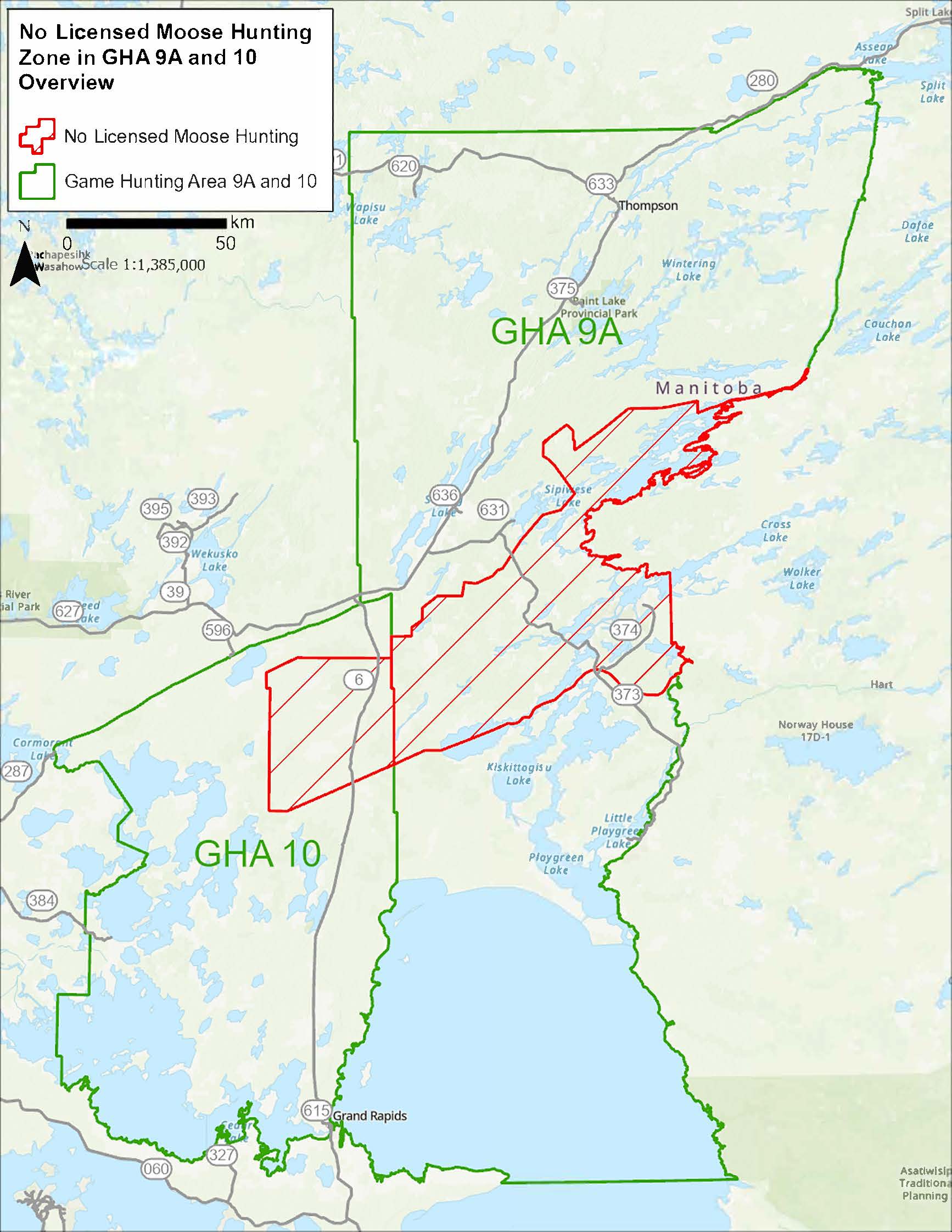
According to the province’s 2025 aerial big game survey, an estimated 281 moose reside in the area, roughly 60 of which are bull moose. That’s down from an estimated 346 moose in 2013, which the survey describes as a “relatively stable population” over the past decade.
This year, 124 licences and 62 bull moose tags were made available in the region during Manitoba’s annual hunting draw.
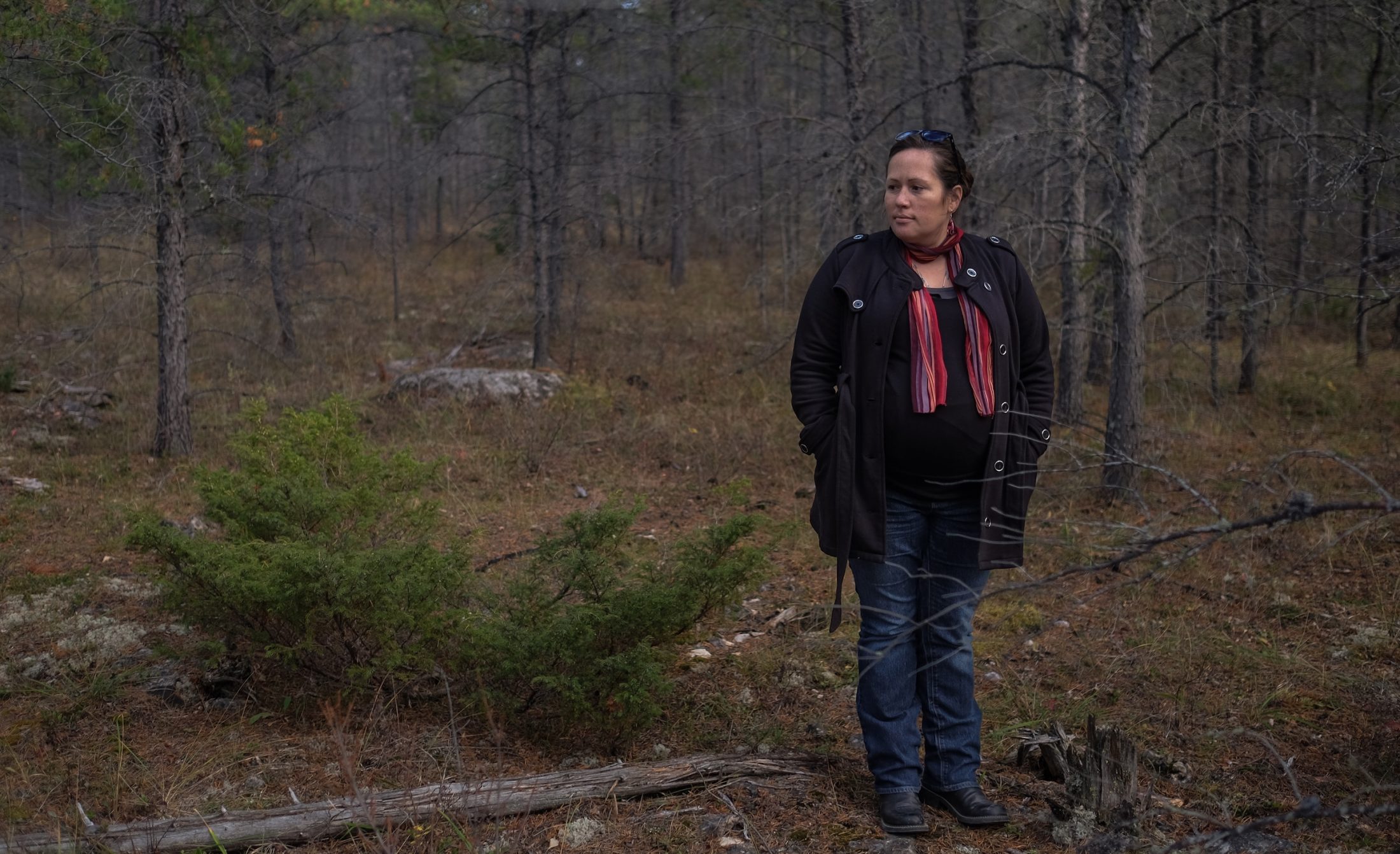
“That is putting the entire population at risk of a collapse,” Misipawistik Chief Heidi Cook said in an interview with The Narwhal and Winnipeg Free Press ahead of the announcement. “There may be no moose next year. This is an emergency. We have to do something now to make sure that the population can recover.”
According to an emailed statement from a provincial spokesperson, fewer hunters applied to the moose draw resulting in 37 licences allocated for the area with a projected harvest of nine bull moose this year.
The nation’s voluntary hunting closure begins immediately and runs through the fall and winter moose seasons, which close in December. There will be no enforcement of the closure, but members of Misipawistik’s Kanawenihcikewak Land Guardians program will be monitoring the game area and liaising with hunters, Cook said.
The guardian program has been monitoring the local moose population and working to reduce poaching and roadkill incidents since 2018 after community hunters observed a decline in the number of animals in the area. Misipawistik hunters reportedly harvested no moose in the region during the 2025-26 season.
“Moose is an important cultural species for us. It’s not only a source of food, but the relationship surrounding a moose harvest — having that time as family groups to be on the land and maintaining those connections, and then passing on the intergenerational knowledge surrounding the moose harvest — all of that is lost,” Cook said.
In recent years, she said, local hunters have had to travel to Saskatchewan to find moose.
Misipawistik First Nation awaits court’s decision over case against Manitoba government’s moose hunting licences
Misipawistik has raised the concerns about moose hunting and food security with the province multiple times, including during a meeting with Natural Resources and Indigenous Futures Minister Ian Bushie earlier this year, Cook said.
Minister Bushie did not respond to a request for comment by publication time.
The First Nation filed a lawsuit against the provincial government last September, arguing licensed moose hunting infringes on the community’s Treaty Rights to harvest the animals for food on its traditional lands. The judge has yet to deliver a decision on the case.
“We need to take action as responsible hunters, people who care for the land and people who care for the moose, to self-regulate because there’s a failure on the part of the provincial government to do that right now,” Cook said.
Chris Heald, senior policy advisor with the Manitoba Wildlife Federation, a conservation organization representing hunters, commended Misipawistik’s intent, but said the number of tags issued by the province does not equate to the number of moose bagged during the season.
“Hunter success in that area traditionally has only been less than five per cent. So we’re talking about three or four moose, that’s likely all that gets harvested by licensed hunters,” Heald said.
“The province thought this was a fair thing and if hunters are legally purchasing their licence and the season begins next week, then they should go,” he added.
Concerns around licensed moose hunting affecting Treaty Rights are shared with other First Nations in Manitoba
First Nations elsewhere in the province have also raised concerns about the impact of licensed hunting on moose populations and Treaty Rights.
Last fall, Bloodvein First Nation, located on the eastern shore of Lake Winnipeg, used a checkstop previously set up to prevent contraband goods from entering the nation to bar non-Indigenous hunters from entering its territory to harvest moose. The Manitoba Wildlife Federation asked the court for an interim injunction, but it was dismissed.
Manitoba Keewatinowi Okimakanak, a political advocacy organization representing several northern First Nations, has repeatedly called on the province to cancel the draw for moose licences in the north, including in Game Hunting Area 10. The organization issued a statement Friday in support of Misipawistik’s voluntary hunting closure.
In 2024, the provincial government reduced the number of licences available by 75 per cent in four northern hunting areas. The move sparked a legal challenge by Pimicikamak Cree Nation, which argued the decision affected its members and ran counter to Manitoba’s obligation to consult and prioritize Indigenous hunters under Treaty 5 and the 1977 Northern Flood Agreement. The case was dismissed.
The province has recognized that moose in Manitoba face significant threats from hunting, predation, disease, habitat loss and climate change. It has issued hunting bans in the Duck Mountain, Porcupine Provincial Forest and Turtle Mountain areas.
Eva Wasney is a reporter covering environmental issues in Manitoba. Her position is part of a partnership between The Narwhal and the Winnipeg Free Press.
Updated on Sept. 18, 2026, at 4 p.m. CT: This story has been updated with information on the number of moose licences allocated this year, provided by the Government of Manitoba after publication.