




This is an excerpt from Temperature Check, a weekly newsletter about what’s hot, and what’s not, when it comes to energy and the environment in Canada. Subscribe now to receive next week’s edition in your inbox.
War is not healthy for children and other living things.
So says a poster that became iconic during the war in Vietnam. And so says a new federal report about 2,750 contaminated sites overseen by either the Department of National Defence or the Canadian Armed Forces, where heavy metals, persistent chemicals and other toxins could pose “immediate or long-term risk to human health or the natural environment, or both.”
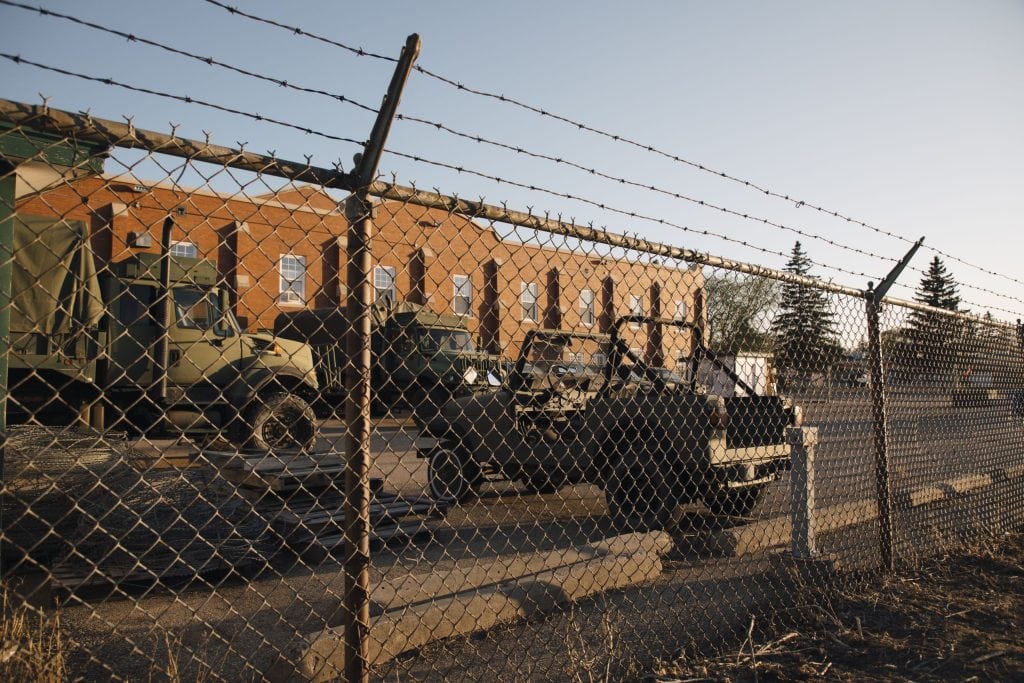
As we honour lives lost on Remembrance Day, we often think of soldiers downed by enemies on a battlefield far away. But as The Narwhal’s Leah Borts-Kuperman reported last year, many put their lives at risk right here in Canada. From firefighting foam to unexploded ordnances, pollutants on military sites nationwide are linked to cancers, infertility and birth defects, often because of how long they persist in water and soil. And, sources told her, National Defence often appeared indifferent, despite planning housing for military families on contaminated sites.
“Because you sign on that dotted line, the expectation is you’re going to die for your country,” a military spouse told Leah. “Well, dying doesn’t mean I should get sick because of a chemical that [the government] didn’t clean up properly.”
The report is welcome, though many of its 11 recommendations seem overdue. Any workplace that regularly exposes staff to hazardous substances should already have “a standardized list of illnesses” that could occur as a result. As National Defence tries to quadruple primary reserve forces, military staff should be able to trust that Canada will take responsibility if those illnesses emerge years after their service.
One retiree told Leah he links his illness back to a New Brunswick base sprayed with Agent Orange, the infamous herbicide whose effects linger in Vietnam. Decades later, it’s still true: war is not healthy, for children and other living things.
For more Temperature Check, subscribe to The Narwhal’s newsletters.