



 2 min. read
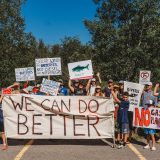
A portion of Canada’s national archives is once again going on the chopping block as the federal government closes seven of its eleven Department of Fisheries and Oceans (DFO) libraries. The closures are being billed as a “consolidation” of resources but critics fear that the move reflects the federal government’s continuing disrespect for science.
“It is information destruction unworthy of a democracy,” said Peter Wells, an ocean pollution expert at Dalhousie University in Halifax told Postmedia News. He described the closing of the libraries as a “national tragedy.”
According to the DFO website, the libraries are closing to cover inefficiencies and all material will continue to be available either in digital form or via interlibrary loan. What’s missing is a strategy to digitize the vast numbers of books that are not already available online.
Caroline Davies is executive director of Save Ocean Science (SOS), a group dedicated to rescuing the St. Andrews Biological Station Contaminants and Toxicology Department in Charlotte County New Brunswick and its staff from massive budget cuts. She estimates that 70% of the holdings at the St. Andrews library cannot be digitized because of copyright issues.
“School students, graduate students, marine scientists from here and regional universities, both Canadian and American, and members of the public need the Biological Station library,” SOS argues. “Its unique resources help measure the impact of coastal weather and climate change, track 100 years of ocean science history, and help us attract and keep our valuable scientific staff. Libraries in Halifax or further away won’t meet our needs!”
Postmedia also uncovered evidence that “weeding” of the collections is taking place. A list circulating from the St Andrews collection shows large chunks slated for discard.
The libraries house some of important historical texts, including 50 illustrated volumes from Britain’s Challenger expedition that sailed the seas in the late 1800s and reports detailing the DDT pollution that wiped out young salmon in New Brunswick’s “rivers of death” in the 1950s.
Ecologist Rachel Cason, author of the environmental classic Silent Spring, used those records in the chapter Rivers of Death.
Last year Library and Archives Canada suffered a similar round of crippling budget cuts sparking cries of outrage from librarians and scholars across the country.
The DFO has been under the chopping block for several years. This year’s budget had it undergoing cuts rising to $33 million per year by 2015-2016.
Image Credit: GrahamBould via Wikimedia
.jpg)