



Who Pays?
A series on how Canada’s economy intersects with its environment
Illustrations by Jarett Sitter
Canada has long had a resource-based economy. Fur, forests and fish anchored local livelihoods and international trade before this was a country. For the last century or so, oil, gas and minerals have done the same. As modern geopolitics become increasingly unstable, politicians across the country are — once again — promising economic stability through harvesting nature.
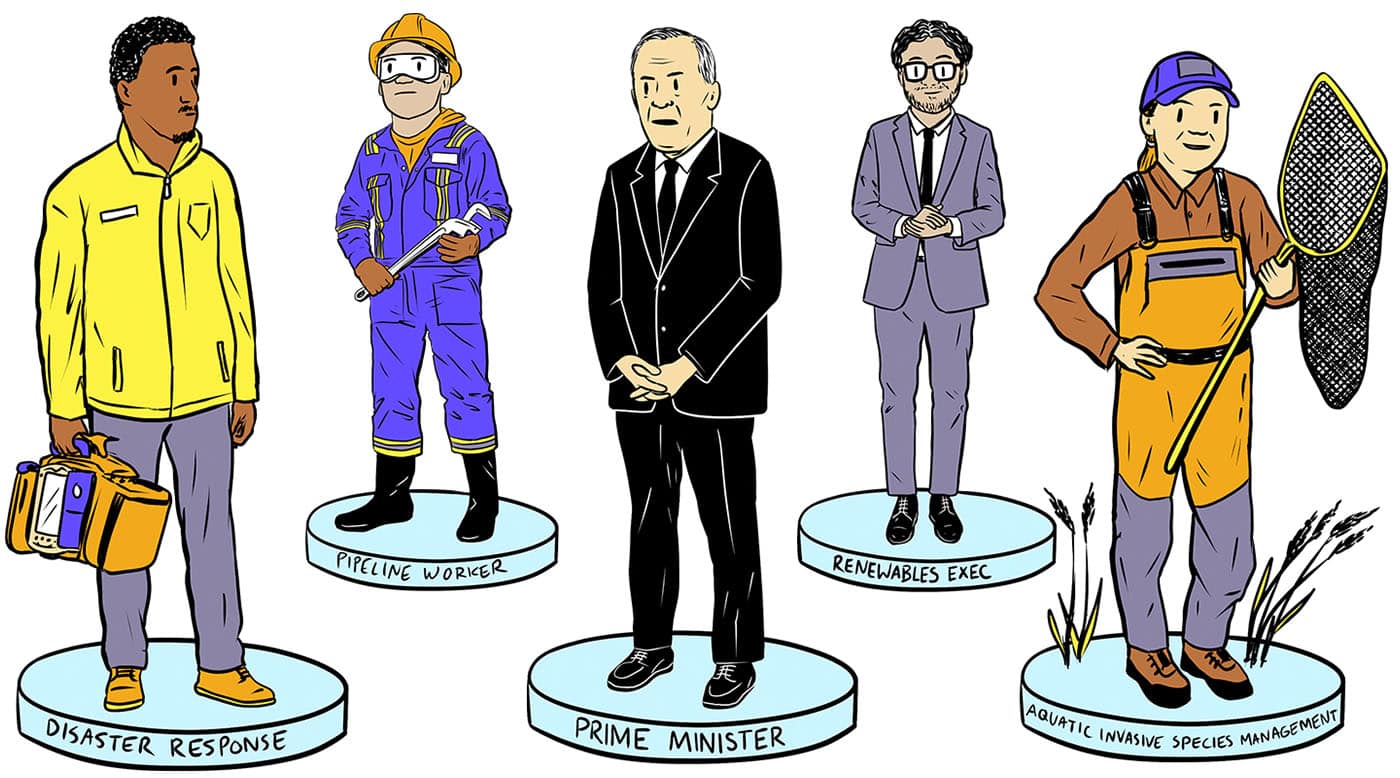
But a degraded environment isn’t stable, economically or otherwise. And pollution and the effects of climate change bring hard costs. Food prices rise when farmers can’t rely on the soil or the weather. Flood and wildfire evacuations cost families, businesses and governments. Poor air quality and extreme heat result in lost paydays for outdoor workers, as well as for caregivers who need to stay home with sick kids or vulnerable seniors.
Environmental foresight is good financial planning. From carbon pricing to water protection to flood-smart development, the ways we act and spend today could significantly reduce our future costs. Or, they could massively increase them.
A healthy economy requires a healthy environment. When we try to ignore that, somebody pays. Let’s take a look at who.
Choose a topic
Health
-

‘In death and in debt’: how we pay for fossil fuels with our health
Talk of affordability often comes down to the price at the pump. But more and more Canadians are realizing the less upfront cost of coal, oil and gas use, as it affects their bodies

23.6%
In 2023, smoke days were responsible for up to 23.6 per cent more asthma-related hospital emergency visits in Ontario.
17,400
Federal research has found air pollution contributes to about 17,400 premature deaths each year in Canada.
Oil and gas
-
Alberta allows windfall oil and gas payments to select ranchers — on public land
Our analysis found the Alberta government allows millions of dollars of taxpayer money to wind up in the hands of a few ranchers grazing cattle on public land. The government has long ignored calls to fix the system
-
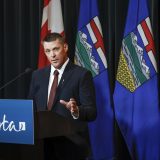
Alberta’s finance minister receives public money for oil and gas wells on public land
It’s a unique way the government allows ‘personal financial benefits’ from public land in a system criticized by the auditor general. One of the recipients is Finance Minister Nate Horner’s ranching business, The Narwhal has learned
-
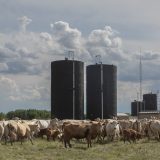
Alberta taxpayers are paying millions to ranchers who lease public lands. Here are 5 things you need to know
Alberta allows windfall oil and gas payments to ranchers using public land. It’s a complicated issue — that also involves taxpayers
$0
The amount of money the Province of Alberta gets for oil and gas leases on public grazing land
$244,500
Estimated amount of money one grazing land leaseholder earns annually from oil and gas wells on public land
Disaster response
-
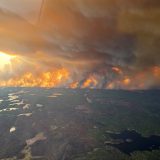
Counting up receipts: one of Canada’s worst wildfire seasons cost at least $500M
Our analysis found $500 million in expenses directly attributable to last year’s wildfires in Manitoba — from evacuation flights to lost homes to closed business to burned power poles. The true costs are even larger
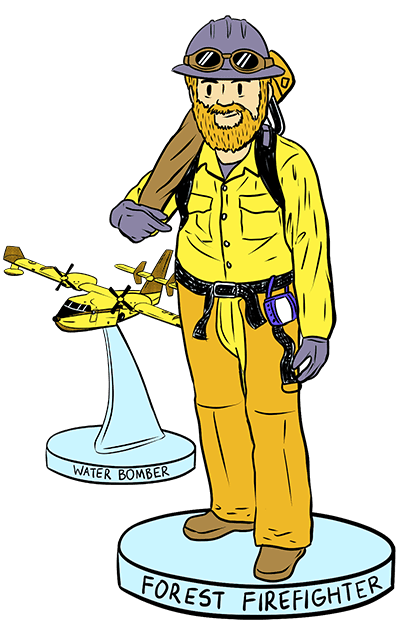
$375 million
In 2025, emergency wildfire expenses cost Manitoba $375 million.
+42%
That’s 42 per cent more than the budgets of the environment and climate change department and the department of natural resources combined.
Agriculture
-

Climate change is increasing northern Ontario cattle herds — and beef prices
Warmer days and longer growing seasons are making new areas more hospitable for cattle farms, as traditional beef regions battle drought and flooding
-

How an Okanagan deep freeze left B.C.’s independent wineries with a big tax bill
B.C. wineries needed foreign grapes to replace a 2024 harvest decimated by extreme weather. Now, the government program that made it easier to import fruit is making it harder to turn a profit
$3.75 billion
Wine is a $3.75-billion dollar industry in B.C., one that keeps not just vineyards but restaurants, hotels, supply companies and small family businesses afloat.
+23%
Beef prices in Canada are currently 23 per cent higher than the national five-year average — in part because droughts are reducing herd size, while global demand continues to grow.
Development
-

Ontario cities are preparing buildings for the climate crisis. The Ford government is set to make that more expensive
Municipalities have spent millions to ensure buildings can cope with extreme weather. A ban on green rules for Ontario developers could slow things down and drive costs up

$800,000
The 2025 budget for the climate leadership division in Kingston, Ont., which runs a popular program to help homeowners access zero-interest loans for retrofits that reduce emissions, energy use and water use.
$11
How much the climate leadership division adds to Kingston’s average property tax bill.
Conservation
-

Guardian programs are investments in our future — but Canada’s investment in them is uncertain
The federal government recently announced $230M for Indigenous Guardians — but there is little information about how or when the money will be spent
-

Nature makes Canada a whole lotta money. We’ve got the charts to prove it
Conserved and protected areas in Canada are invaluable — but we have 9 charts that try to capture their economic impact
$1 = $5.47
For every $1 invested in Indigenous Guardians, up to $5.47 is returned to the Canadian economy.
Labour
-

From $25 an hour to $4,995: salaries on either side of the climate crisis
Climate change is making life more expensive. Droughts and unpredictable temperatures affect farming and food security, while heat waves drive up utility bills and floods cause insurance to spike. Meanwhile, the gap between Canada’s highest- and lowest-income households hit a record high last year — making these costs harder for some to bear than others. …

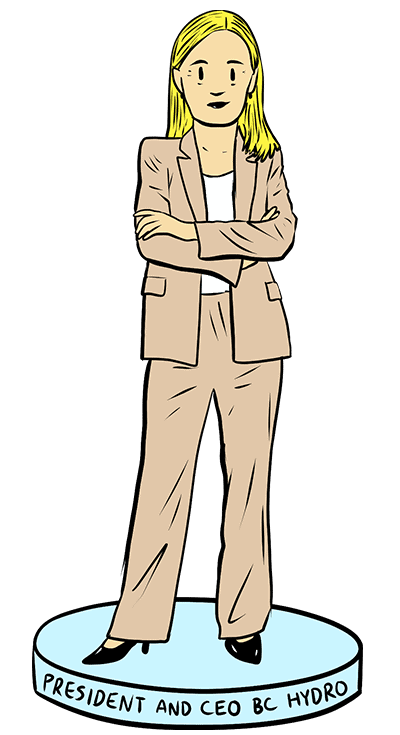
$4,995/hr
The CEO of Cenovus is the lowest paid head of Canada’s five biggest oil and gas companies. He makes about $4,995 an hour.
200x
That’s about 200 times the median hourly wage of Canada’s forest firefighters.
Energy
-

Who really pays for B.C.’s power?
In B.C., residential electricity customers pay almost twice as much as big businesses. As demand for power spikes, the cost of infrastructure and daily use is only going to go up
Cost for residential electricity by region (cents/kWh), based on 1,000 kWh/month of usage
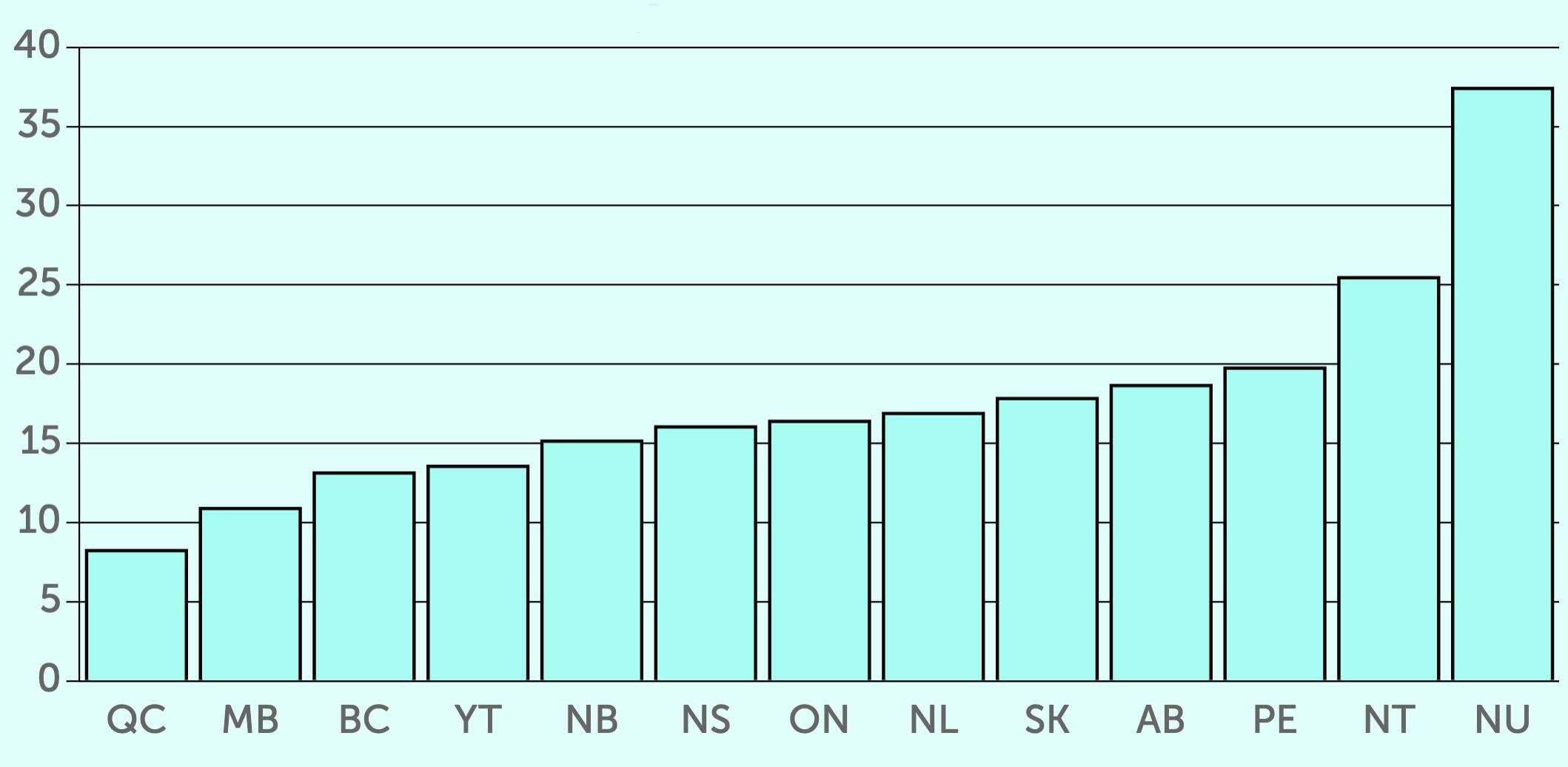
Source: Canada Energy Regulator, 2026-03-04
Public finance
-

Meet a millionaire who wants Canada to tax the rich
Avi Bryant retired at 40 after making millions in the tech industry. Now, he’s part of Patriotic Millionaires, a group advocating for higher taxation of the country’s wealthiest citizens — which he says could help Canada achieve its climate goals
5.7%
The amount of Canada’s total net wealth held by the country’s top 0.01 per cent richest families, according to the Office of the Parliamentary Budget Officer
Credits
Executive editor: Denise Balkissoon / Creative director: Shawn Parkinson / Web developer: Andrew Munroe / Reporters: Drew Anderson, Leah Borts-Kuperman, Santana Dreaver, Carl Meyer, Paloma Pacheco, Julia-Simone Rutgers, Matt Simmons, Fatima Syed and Shannon Waters / Video producer: L. Manuel Baechlin / Editors: Elaine Anselmi, Michelle Cyca, Arik Ligeti, Will Pearson, Sharon J. Riley, Jacqueline Ronson, Lindsay Sample and Karan Saxena