




 8 min. read
Summary
- Farmers in Saskatchewan are dealing with variable weather, exacerbated by climate change. For many, this has meant hotter, drier summers, but the experience is far from universal.
- In some areas of Saskatchewan, growing conditions have improved with a changing climate.
- Farmers are also better equipped to deal with harsh weather, as new technologies and farming practices develop.
Scott Hepworth’s great-grandma used to have to shovel dirt out of the kitchen after dust storms swept across the Prairies.
More than a century later, drought is still a factor on Hepworth’s fifth-generation family farm near Assiniboia, Sask. In fact, it remains a defining feature of the land, which sits within the Palliser Triangle, one of Canada’s driest agricultural regions.
But despite increasingly volatile weather in recent years, including long dry spells, record heat and sharp swings between extended drought punctuated by patchy rain, Hepworth says his crops aren’t suffering — instead, they’re performing better than expected in these conditions.
He estimates that since he began farming in 2004, his crop yields during hot, dry summers have roughly doubled compared to what they were a few decades ago.
It’s come as a surprise to some farmers across the Prairies: they are seeing the impacts of climate change, yes. But those impacts haven’t necessarily been bad for their bottom lines.
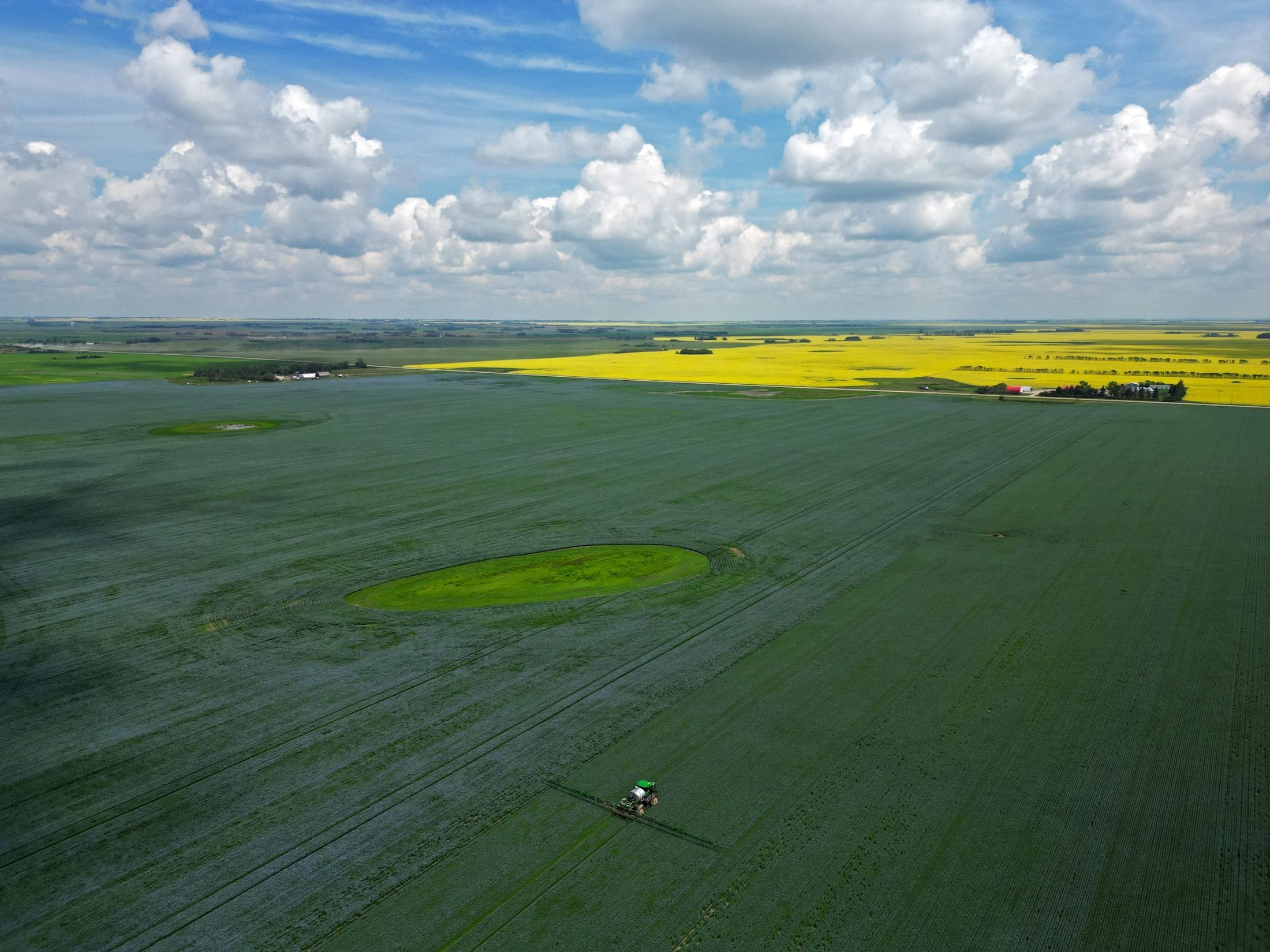
Only a few hours away from Hepworth’s farm, in northeast Saskatchewan — a region once considered too cold and wet — warming temperatures and drier conditions have improved growing conditions.
“We were the worst place in the province to farm when I started farming, and now we’re the best place,” Ted Cawkwell, who owns a farm in the area with a couple partners, says.
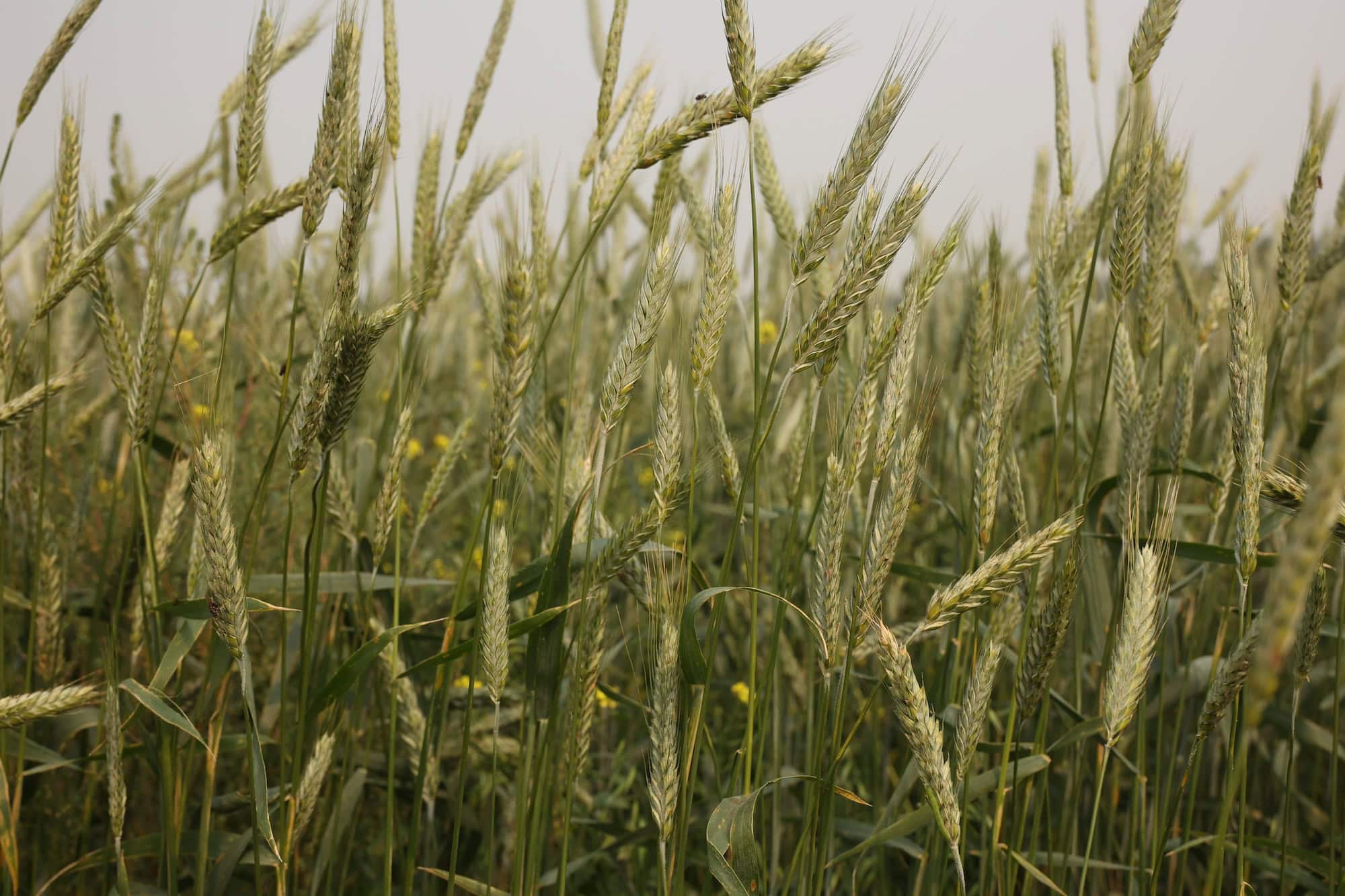
On his land, fields that were historically difficult to seed and harvest are now more reliable. And he hasn’t seen damaging early frosts, once common every few years, in decades.
Cawkwell says yields on his farm have improved dramatically over the past decade. The area overall has seen some of the highest yields in the province in recent years.
While there are several reasons for this — including better crop genetics and farming practices — Cawkwell believes changing weather patterns have been a major factor, too.
“Twenty years ago, I would have never guessed the climate could change like this. You think of climate change as in tens of thousands, or millions, of years — not twenty. And that’s kind of the scary part of this.”
Farming wins are a combination of changing weather and new practices
Of course, the story is nuanced. On Hepworth’s farm, it’s not just the changing climate that has improved his crops. Conserving moisture has long been a focus for the family. Hepworth’s dad adopted what’s known as minimal-till seeding in the 1980s — essentially, reducing or eliminating the need to plough the soil when planting new seeds. This has improved soil health and reduced erosion. Another practice that Hepworth believes has benefited his farm is called continuous cropping, meaning every acre has a crop on it every year; roots in the ground rather than bare fields help retain moisture and protect the soil.
Advances in crop genetics have also played a big role, Hepworth says. He also serves as a director for SaskWheat, the Saskatchewan Wheat Development Commission — a farmer-funded organization that invests in wheat research and crop variety development. Over the past several decades, hundreds of millions of dollars in public and farmer funding have gone into developing new wheat and durum varieties in Canada. Hepworth is now able to grow drought-tolerant wheat and durum varieties bred to be shorter and better able to withstand stress.
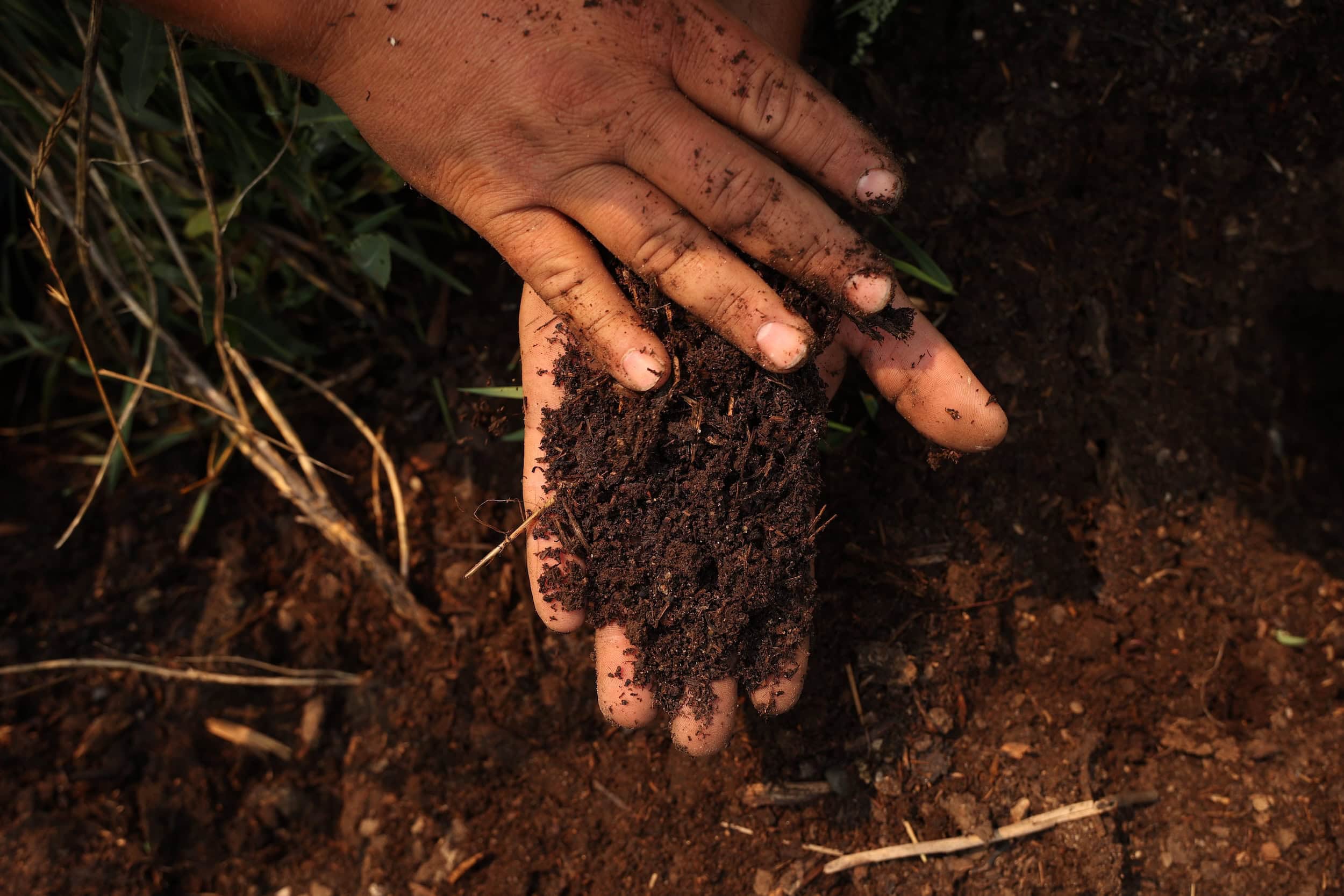
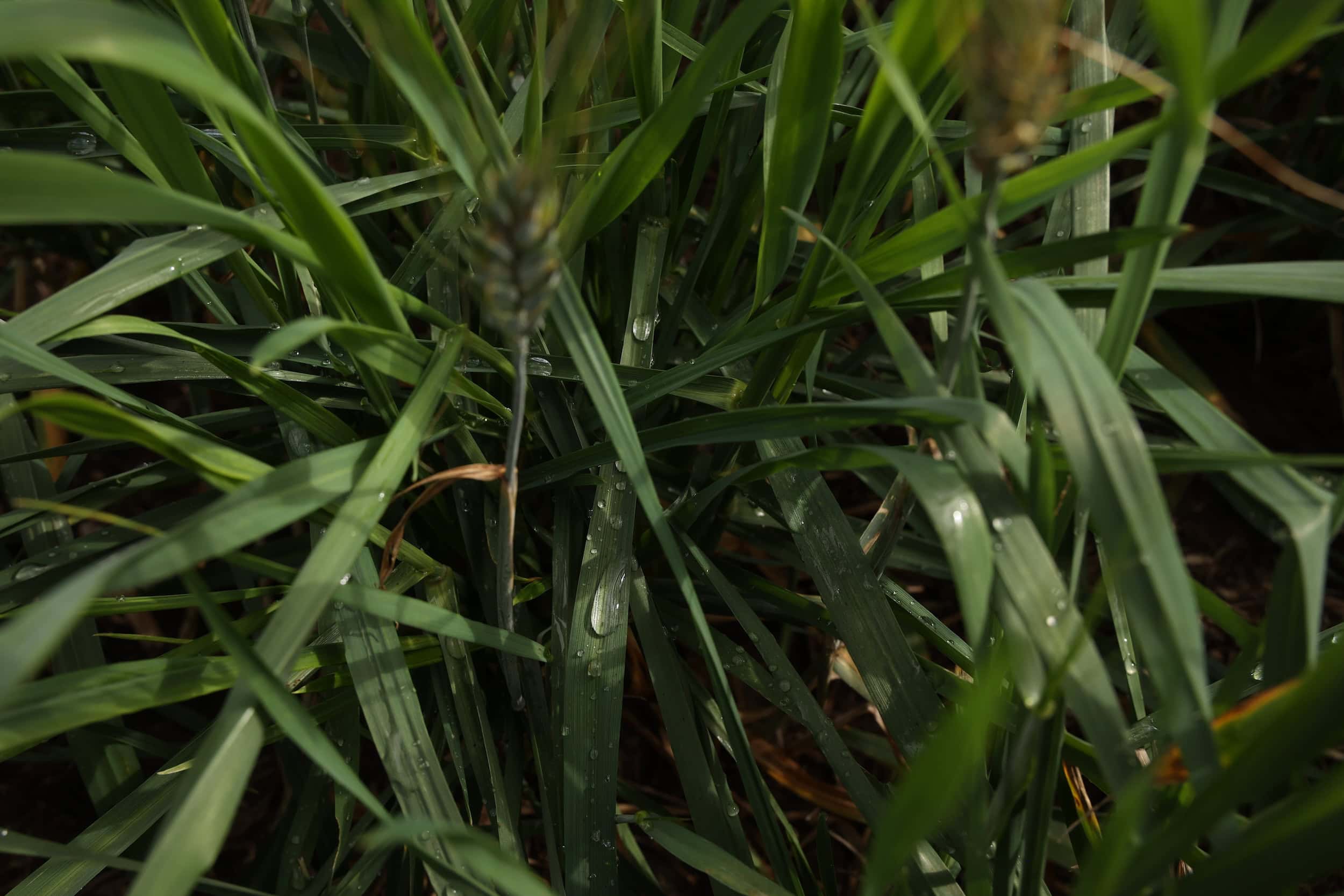
It’s all helped. Hepworth, now in his early 40s, has his own memories from his childhood, of dust storms so intense he couldn’t see across the yard. Largely because of improved farming practices and soil management, he hasn’t seen one since.
For Hepworth, a combination of climate, farming methods and technology have led to increased success.
But the experience is anything but universal.
“It’s been quite variable, even within a few kilometres,” he says.
In parts of southern Saskatchewan, particularly deeper into the Palliser Triangle, recent conditions have had a very different impact.
A few hours southwest of Hepworth’s farm is Climax, Sask. — one of the driest regions in the province.
Here, farmer Cody Glenn says he has experienced about six consecutive years of drought on his farm.
In 2021, the worst year for drought in Saskatchewan in two decades, Glenn says 260 acres of barley resulted in almost nothing. The crop couldn’t even be properly harvested, producing just a couple bales of low-quality feed.
In other recent years, his barley yields were around a quarter of what they should be.
In light of all this, he says his current strategy is just to stay viable.
Despite changing weather, crop yields overall are holding — and even rising across the province
Even though there’s no question some farmers have struggled under increasingly variable weather across the Prairies, crop production has not declined as sharply as some predicted.
The reality is far more nuanced, Dave Sauchyn, a leading Canadian climate scientist with a focus on the Prairies, says.
“There’s no single climate,” he says. “It varies a lot from place to place.”
Across the Prairies, climate change is showing up most clearly through warmer winters and longer frost-free seasons, rather than consistent increases in extreme summer heat, he says.
In many areas, peak temperatures still haven’t exceeded those seen in the 1930s, in the “Dust Bowl” era.
Water patterns, however, are shifting in more complex ways, he adds. Snow is generally melting earlier, more precipitation is falling as rain instead of snow and less water is available later in the summer.
As a result, Sauchyn says, drought remains the main concern. That pressure is most acute in the Palliser Triangle, where dryness has long shaped farming practices. But in recent years, moisture stress has also become more common in parts of the northern and eastern grain belt — areas that historically faced fewer drought constraints.
And not all these changing patterns are bad for farming regions.
Fewer and shorter cold periods are extending the growing season. In some regions — particularly along the northern and western margins of Saskatchewan — this is actually improving production, as Cawkwell has seen on his farm.
And despite increased variability, overall crop performance has remained relatively strong. Yields for major Saskatchewan crops such as wheat and canola have generally trended upward over the last couple decades, with many recent years coming in at, or above, long-term averages.
Jeff Schoenau, a soil scientist at the University of Saskatchewan, says this reflects decades of improvements in farming practices.
He says comparisons of Prairie soil samples from 1996 to 2018 show significant gains in key indicators such as microbial biomass, respiration and organic matter — factors that contribute to healthier, more resilient soils. These improvements are the result of smarter farming practices, he says. That includes conservation tillage (avoiding or minimally ploughing a field every year), diverse crop rotations (not planting the same monocrop in the same field year after year) and more precise use of fertilizers.
Combined with advances in crop genetics and other improved farming strategies, Schoenau says crops today can withstand conditions that would have caused far greater losses in the past.
And while climate scientists like Sauchyn expect continued variability — and potentially more severe drought — Schoenau believes farmers will continue to adapt.
“Farmers are pretty resilient, and when things change, they adapt and they use all of the resources and ingenuity and expertise available.”
Some scientists and farmers are cautiously optimistic — but not all
Sauchyn is also cautiously optimistic.
He is clear that prolonged drought would pose serious challenges, particularly in a warmer climate. It will be critical, he says, to understand the difference between what’s a short-term blip and what is a long-term trend.
But his team’s projections, based on large geospatial datasets of climate, soils and yields, suggest that northern and western margins of the grain belt may continue to benefit. That’s because it’s getting warmer and growing seasons are getting longer.
This offers little hope to farmers like Glenn, who lost the lottery in terms of farm placement.
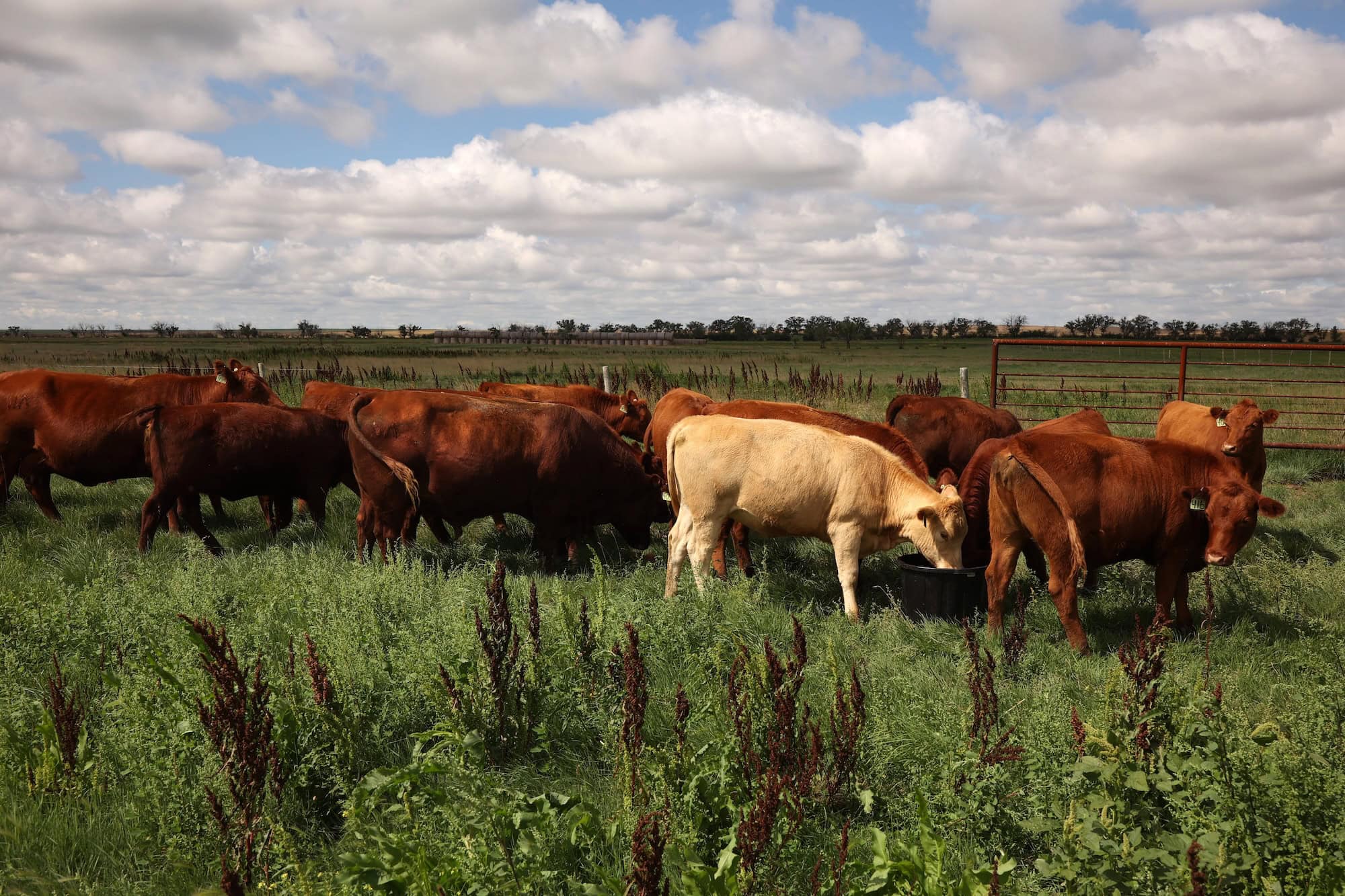
He says farmers in his area are displaying their despair.
“There’s more land for sale down here than there is buyers.”
For now, he hopes crop insurance will help carry him through, but if dry conditions persist, the path forward becomes less clear — particularly in areas where irrigation options remain limited.
“I know I’m an optimist. I always have been, but it’s really hard to see the future currently.”
Hepworth is inspired greatly by his great-grandparents, who persisted through their own tough times.
“We’re in a dry cycle now, but farmers always find ways to adapt, and we’re always looking for ways to improve our soil health and leave our land in better shape for the next generation,” he says.
“I feel as though every generation on this farm has had it better than the last, and that’s what motivates me.”