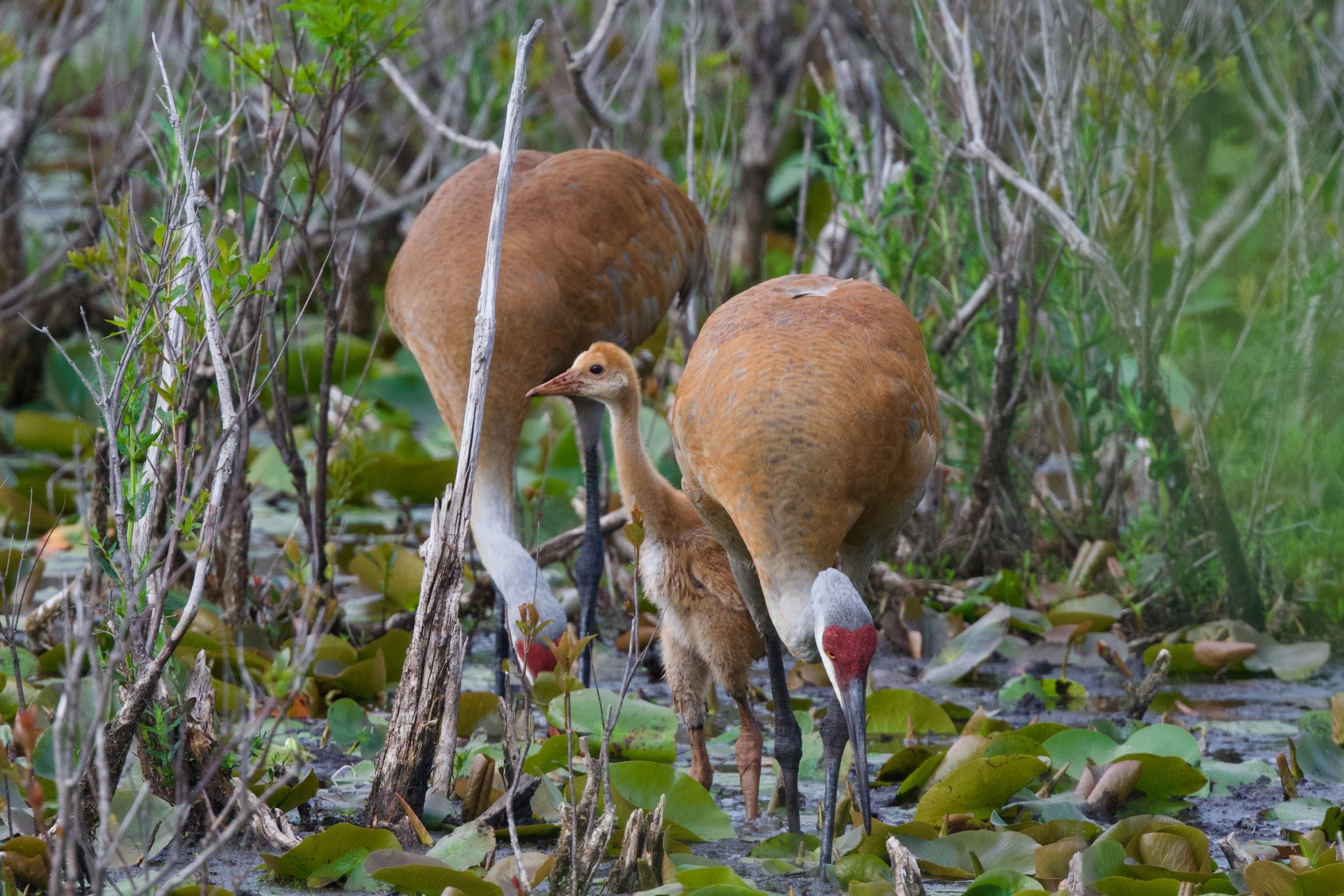
Sandhill crane parents search for food with their young one, who appears easily distracted. Parenting across the animal kingdom can look familiar to parents of the human variety.
Doting mates, coddling parents and a touch of tough love; the animal kingdom has a lot to teach us about rearing young.
As a wildlife photographer for 14 years, I’ve had the chance to see these parents in action, and feel the loss of young left to fend for themselves.
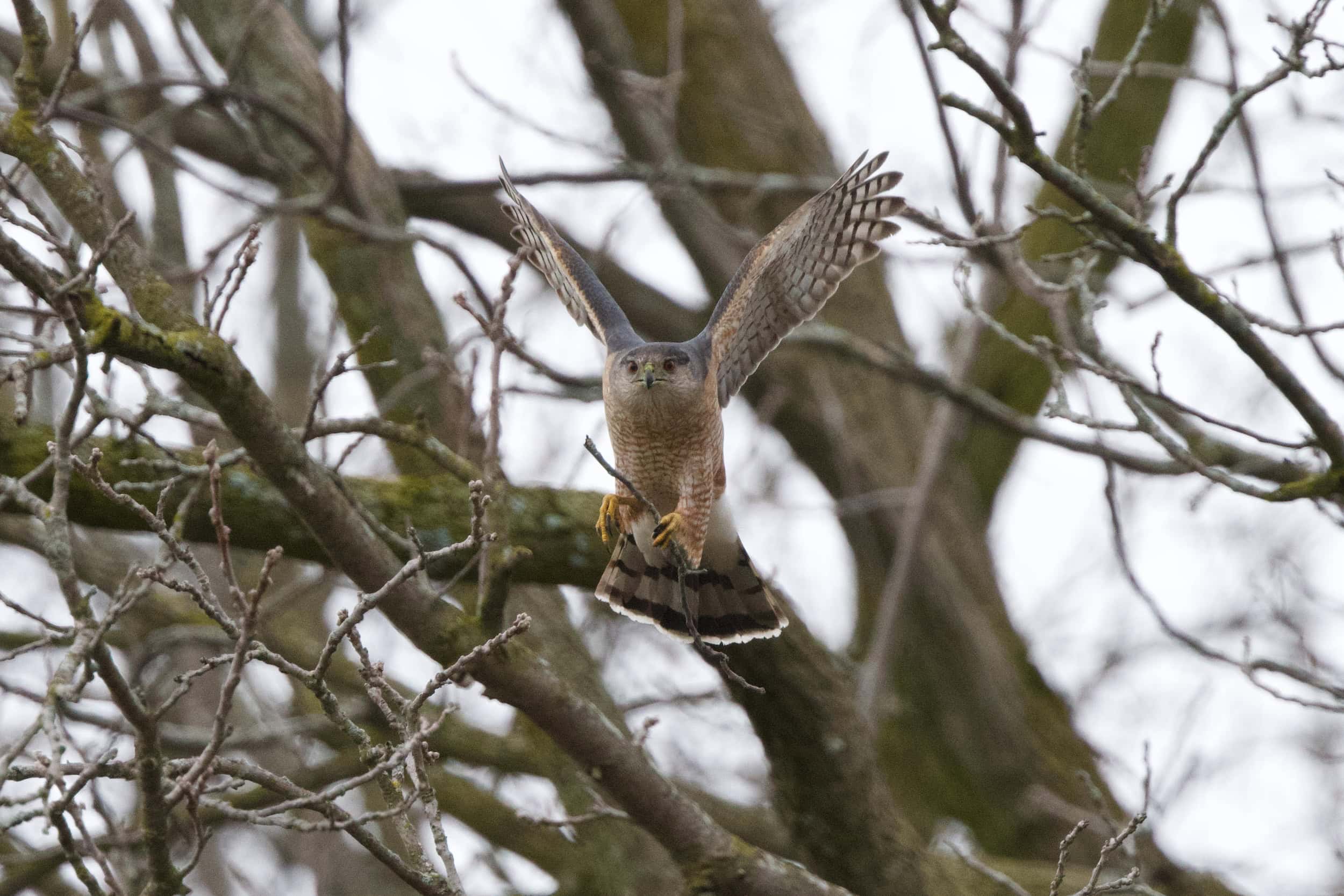
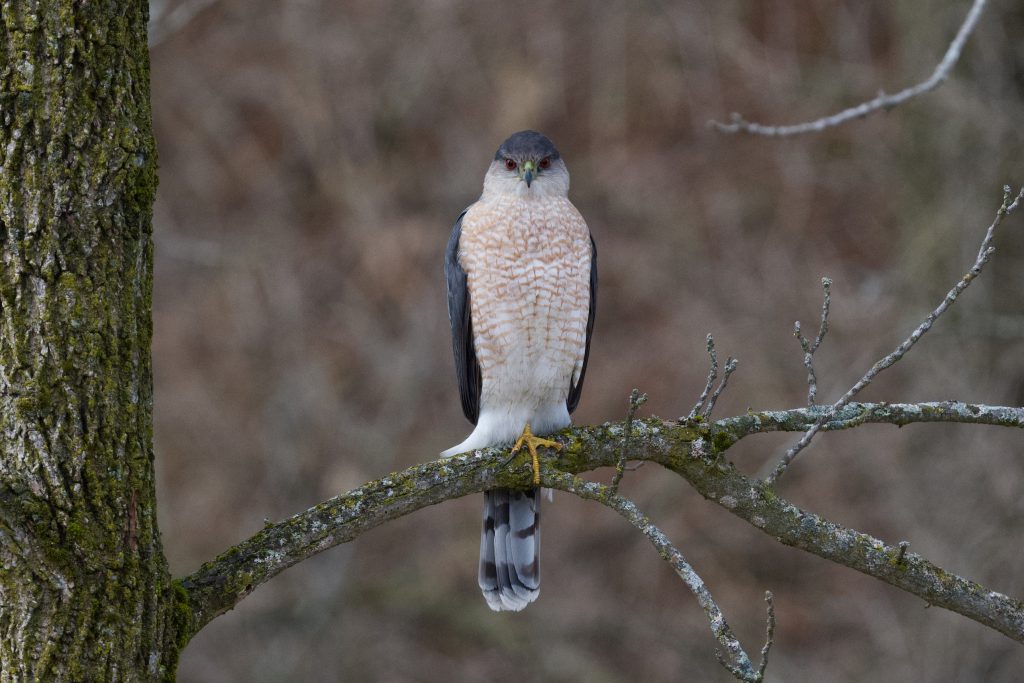
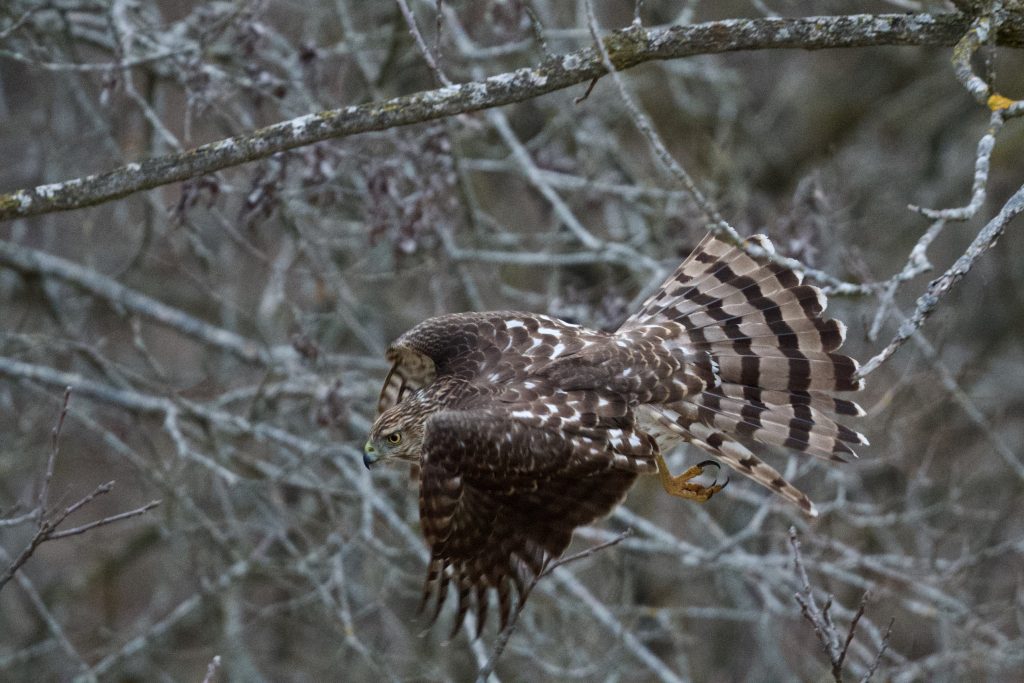
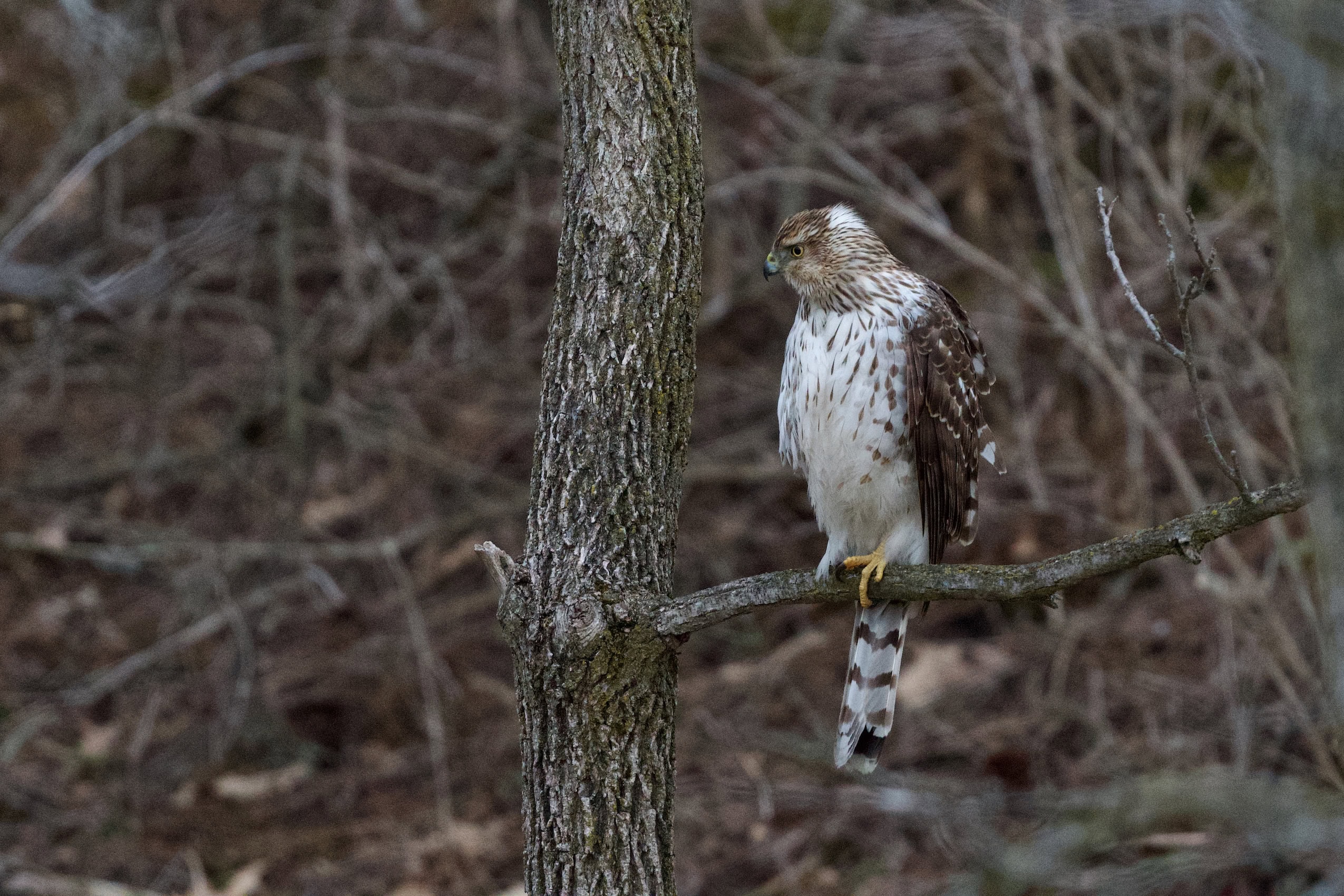
I’ve spied a Cooper’s hawk, watching closely as its parents hunt, so it can one day feed its own family. I’ve seen an eagle drop a fish into a river for an eaglet, when their own angling skills weren’t yet up to snuff.
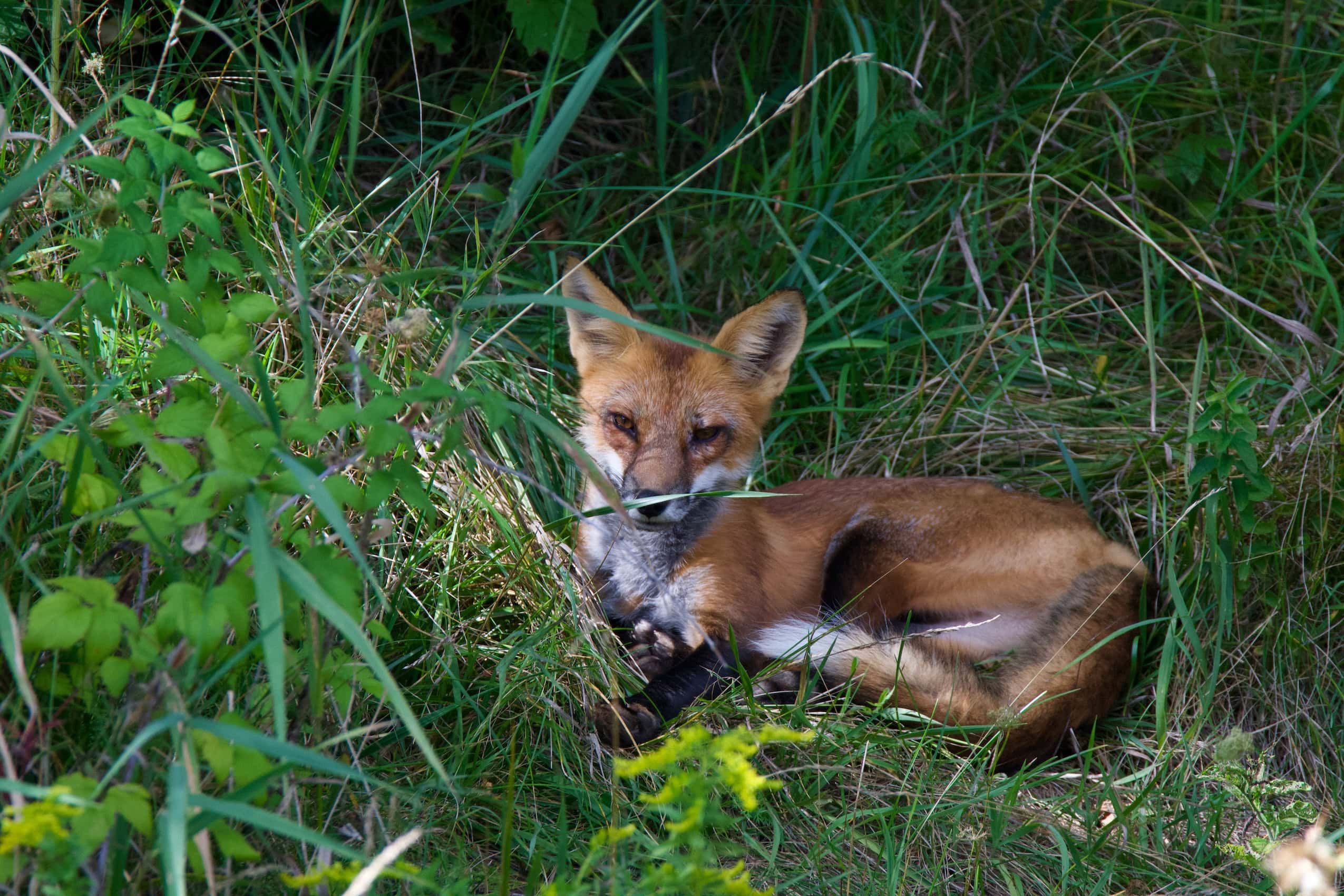
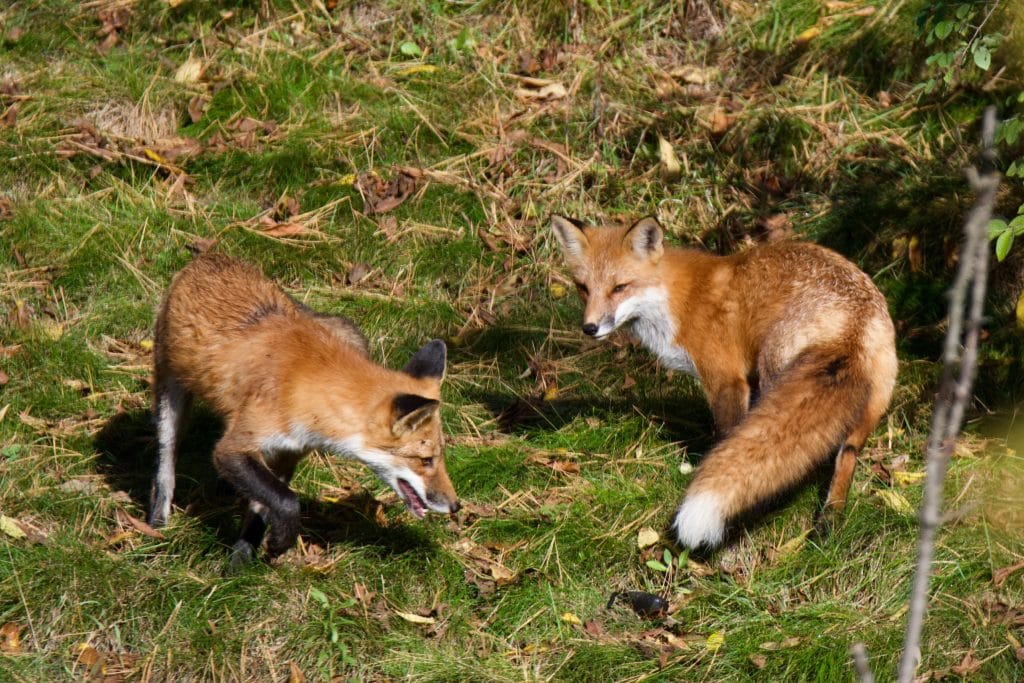
Perhaps the most relatable scene was a worn out male fox, taking an afternoon nap in the grass, as his kits rough-housed nearby.
From the fields, rivers and skies of Ontario, here are some of my favourite family portraits.
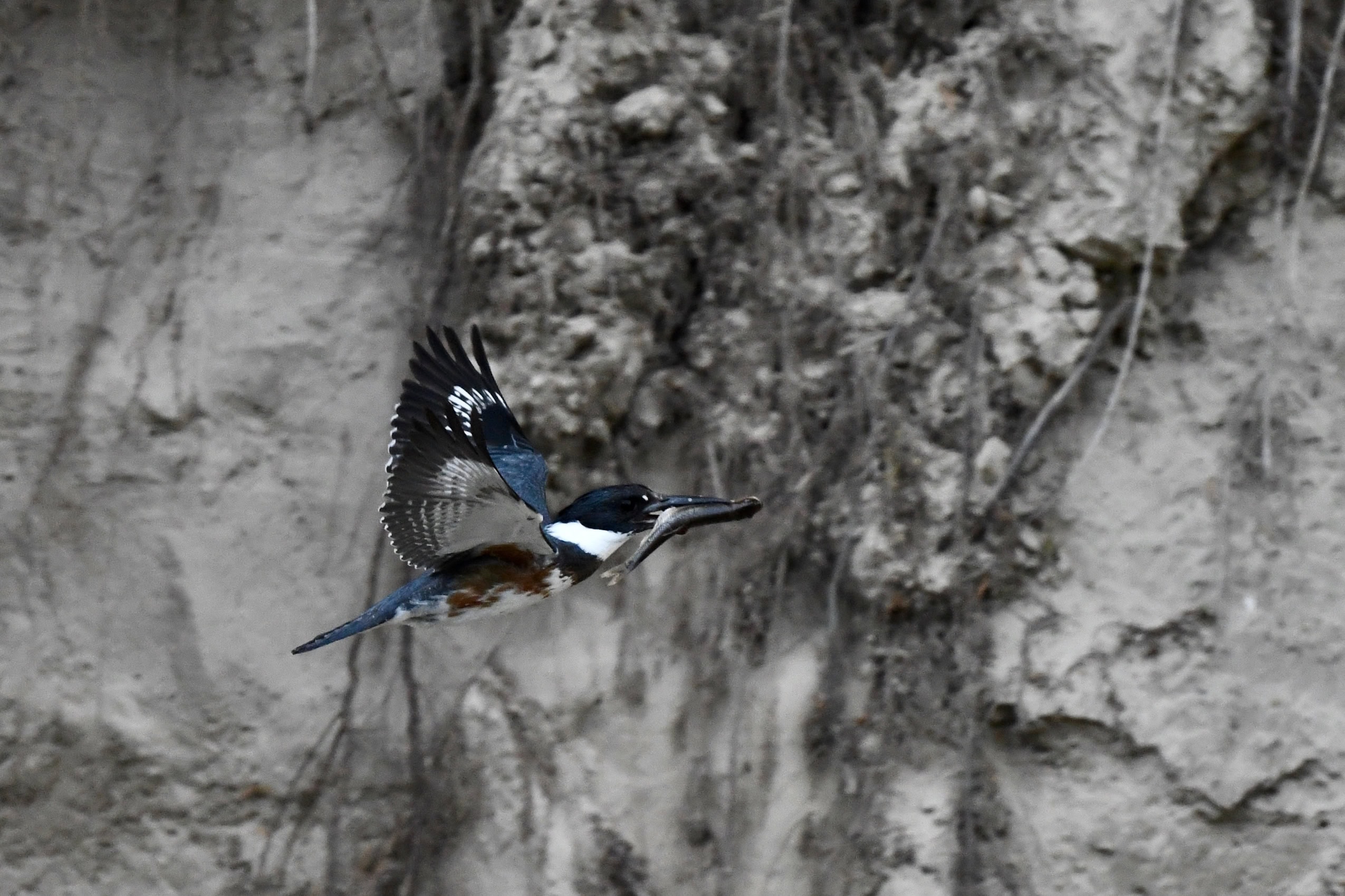
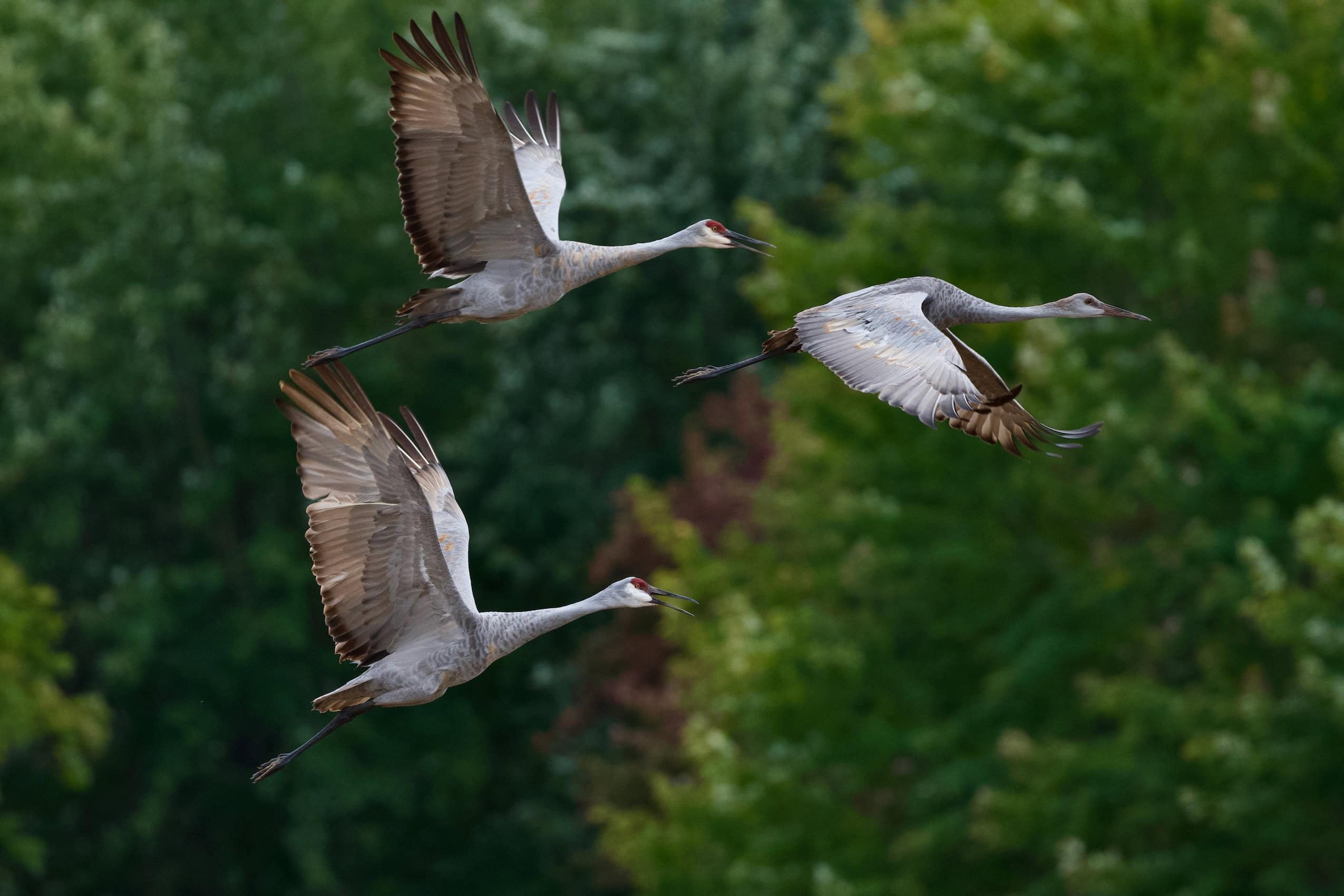
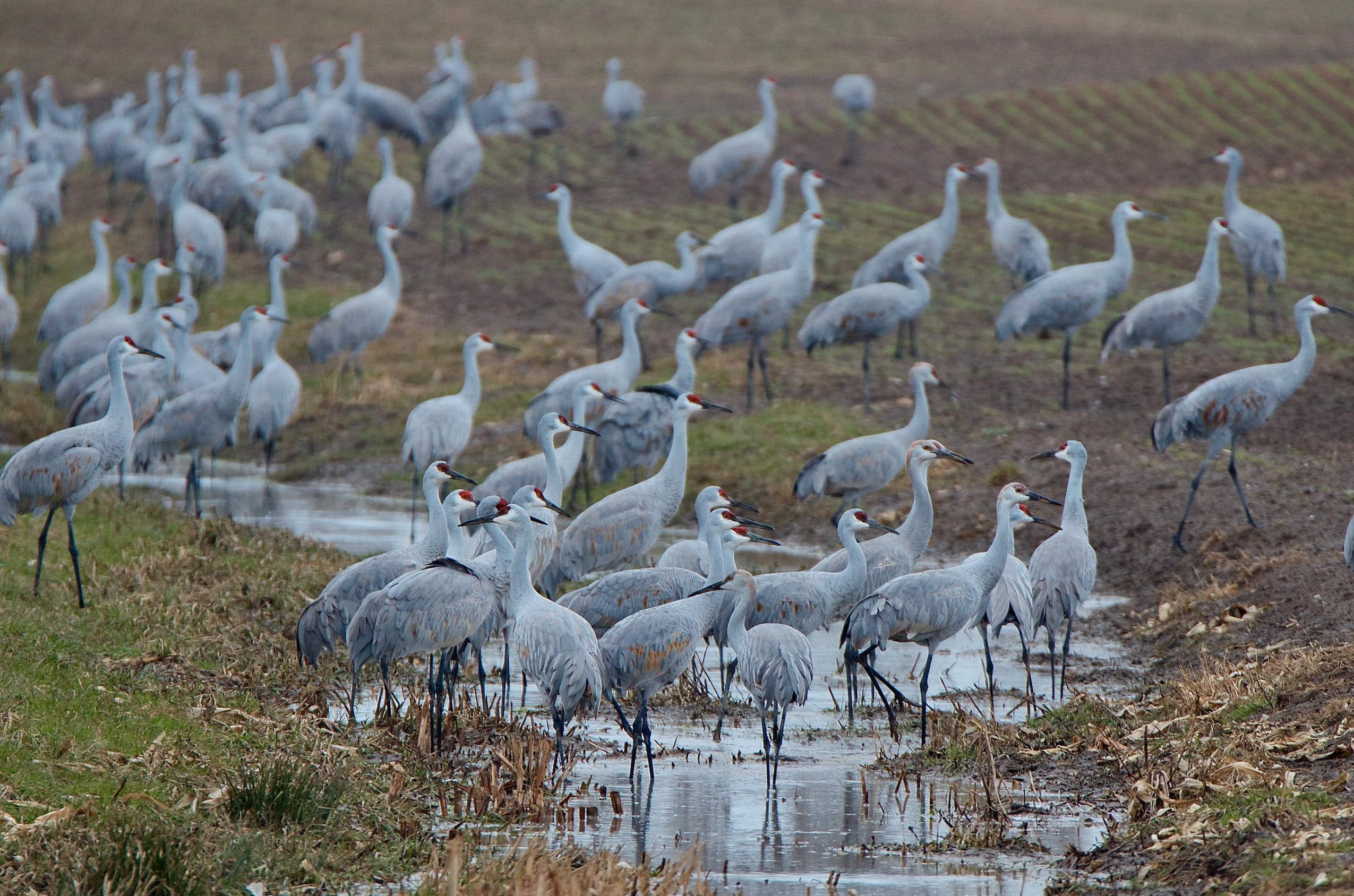
As they mature, the eyes of Cooper’s hawks change colour from brown to orange to red. A pair has been hunting in the woods behind my apartment for the past few years, and last year they were joined by a hatchling.The young Cooper’s hawk spends time watching the adults dart between tree branches to capture mourning doves, mice and even squirrels. This is a skill it will need to survive.In the seven years I’ve been visiting the Nith River in Ayr, Ont., belted kingfishers have nested in a sandbank. When there are young in the nest, the adult male is busy delivering fish and crustaceans to them. Often he will perch on a nearby tree before deciding to enter the nest — a security precaution, to keep their location hidden from predators.Two sandhill crane couples I know of return to their nesting areas south of Cambridge, Ont., each spring. Both pairs laid eggs in 2024. One pair’s nest was flooded and abandoned, but this other couple successfully raised a young one, called a colt. They forage close to the nest when the colt is young, but it will eventually be strong enough to fly with its parents.Each December, sandhill cranes, both young and old, gather in fields along the shore of Lake Erie for migration, although some will remain in Ontario through the winter.
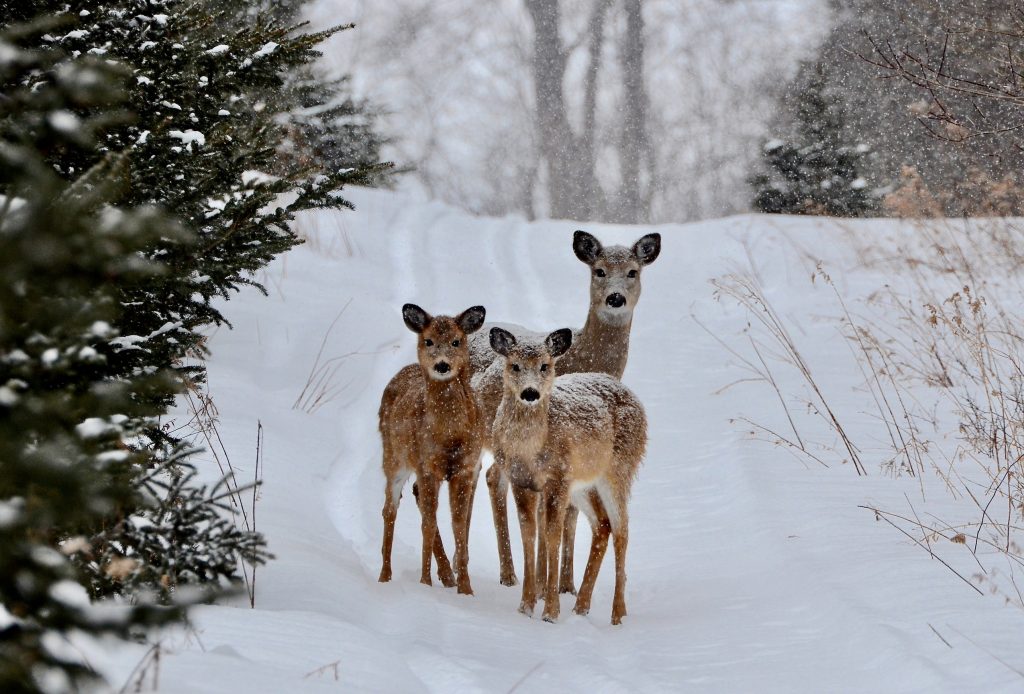
Deer families traditionally include a doe and her offspring from recent years, and they’ll sometimes join with others to form a larger herd. One winter, while wandering across a path, I had the feeling I was being watched. When I turned around I spotted this doe with two fawns.
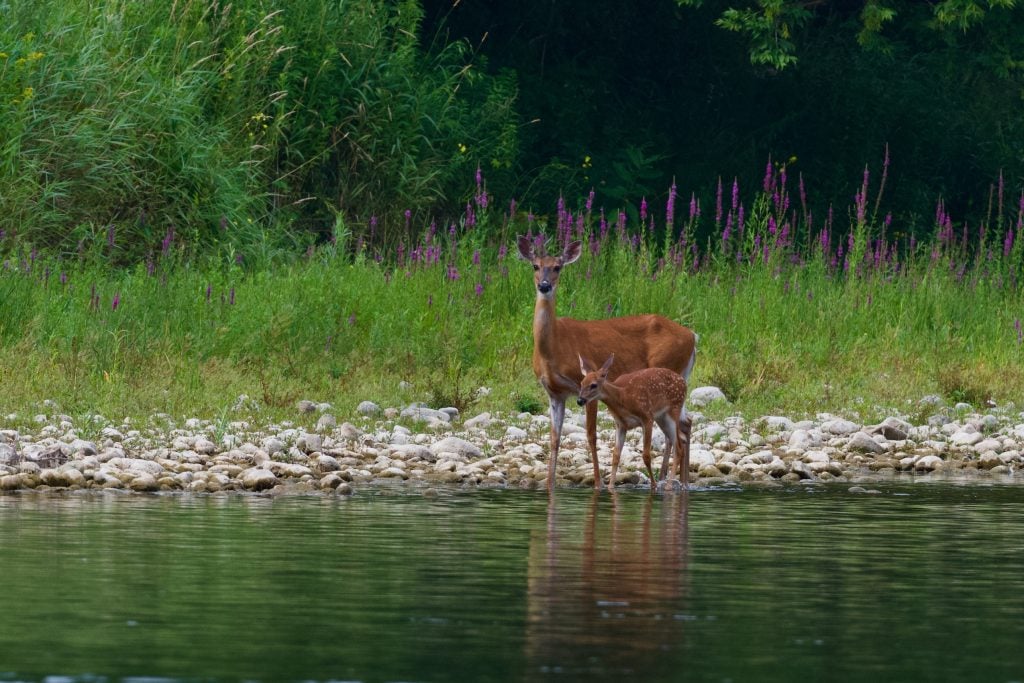
Another mother and fawn approach the Grand River in Brantford, Ont., for a drink. I would often see them crossing the river here.
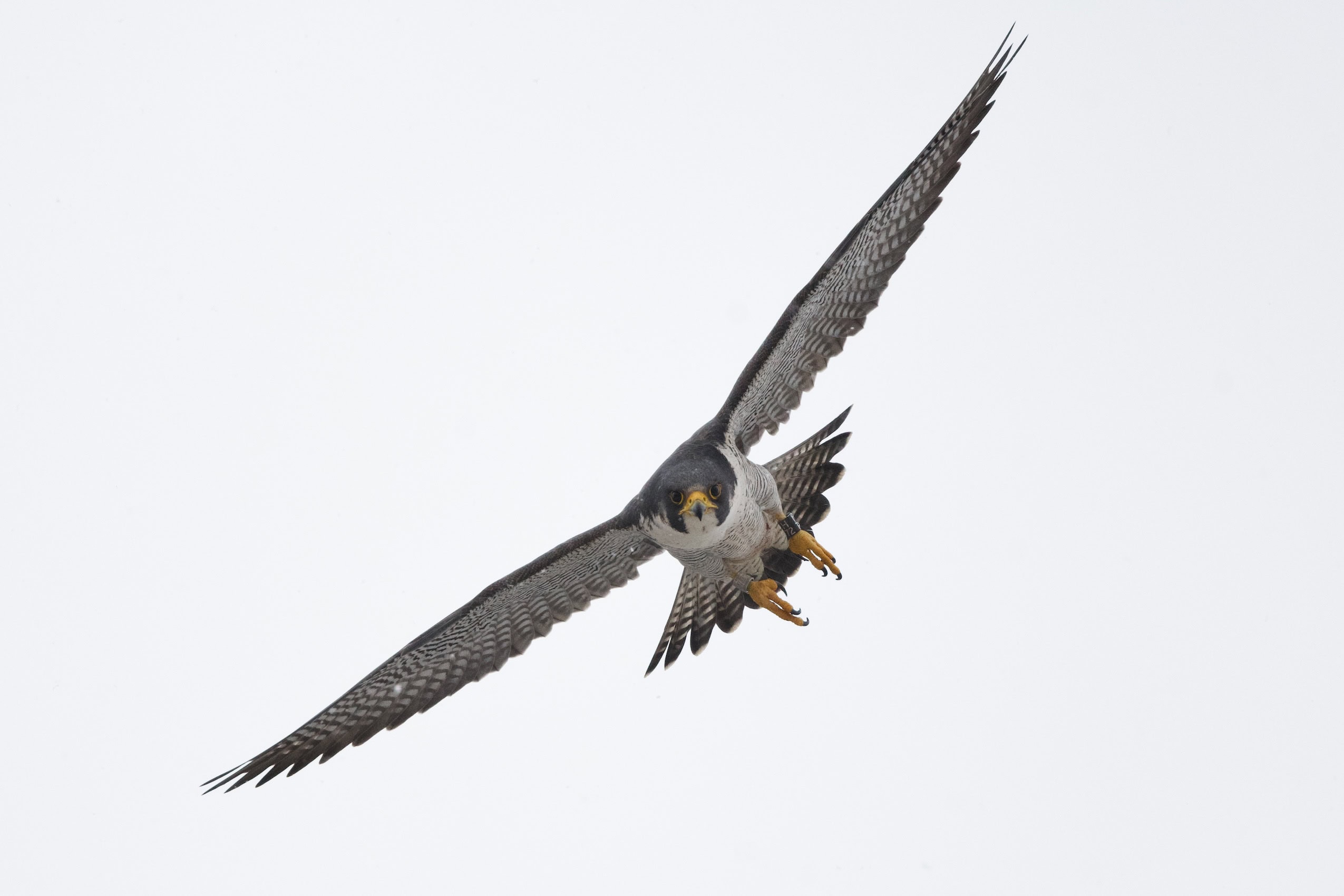
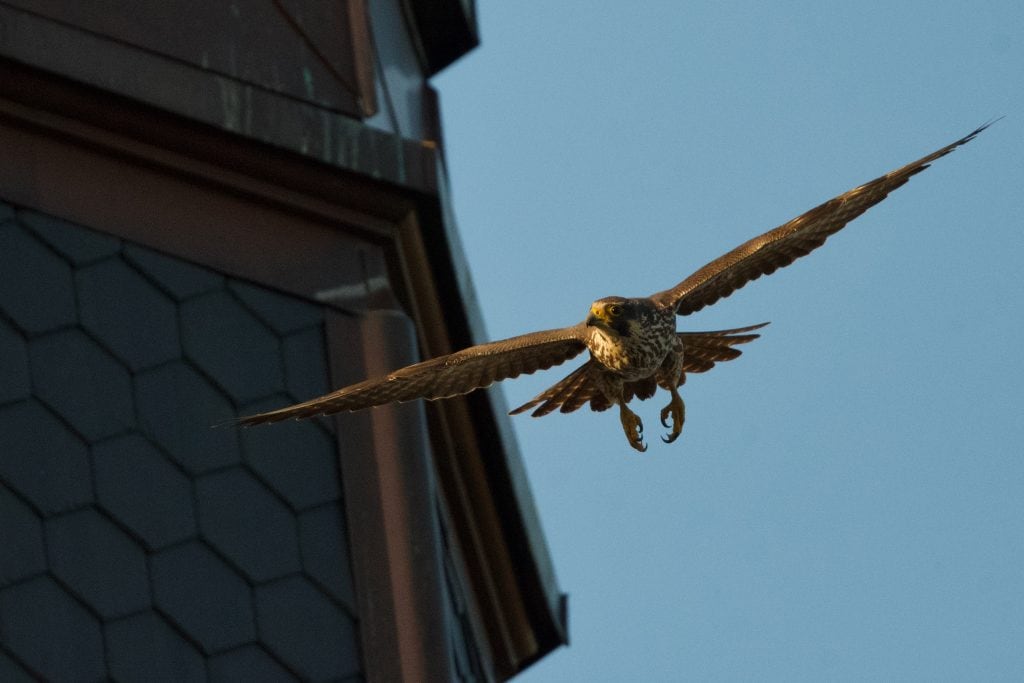
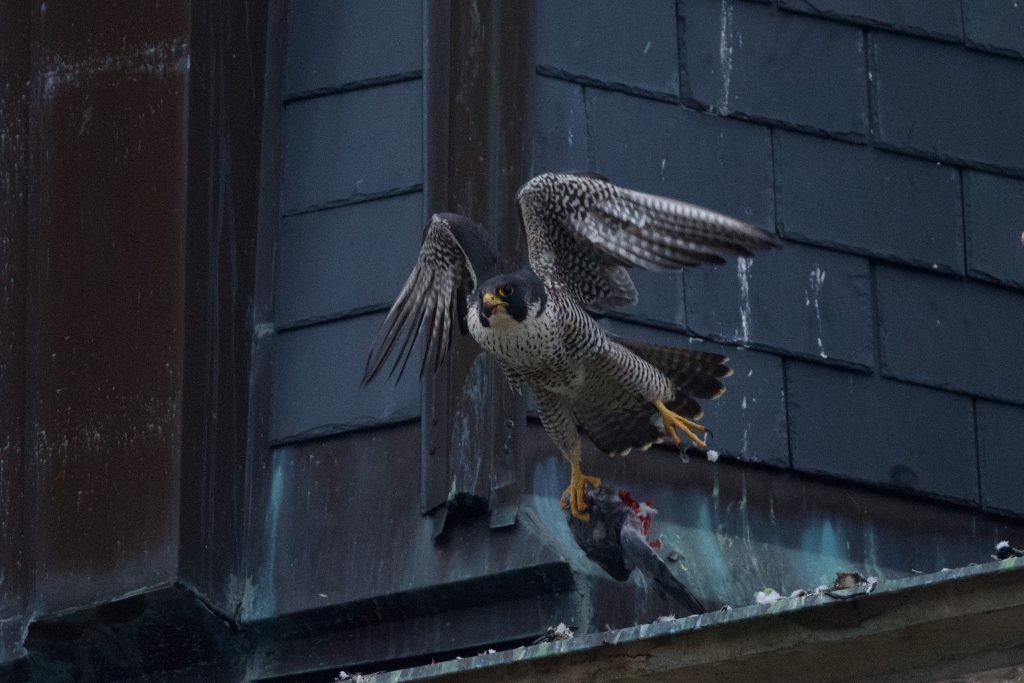
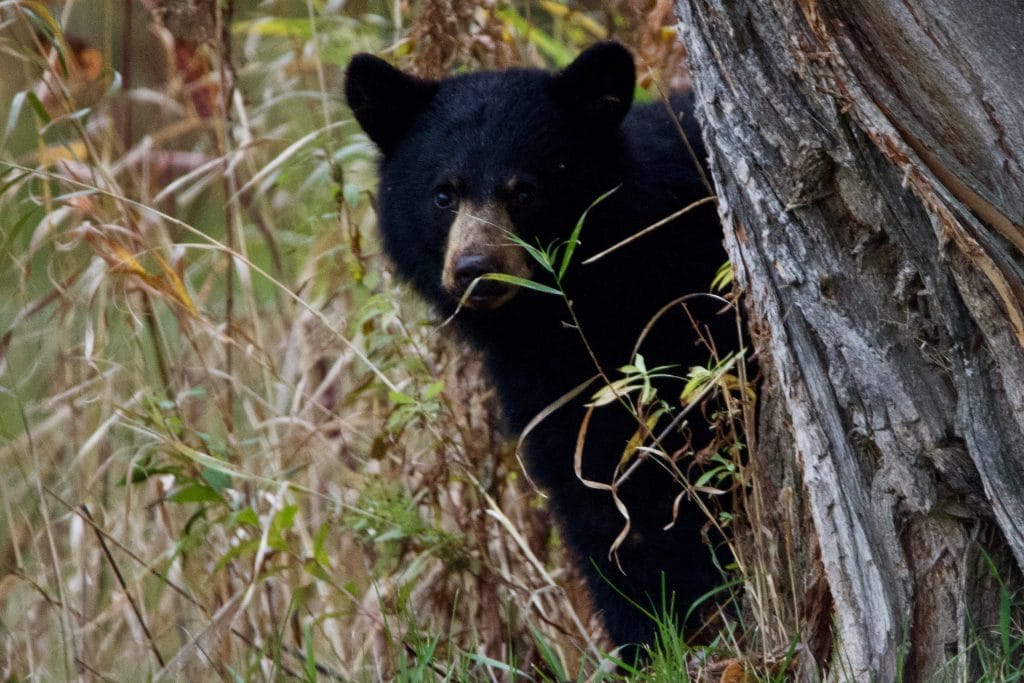
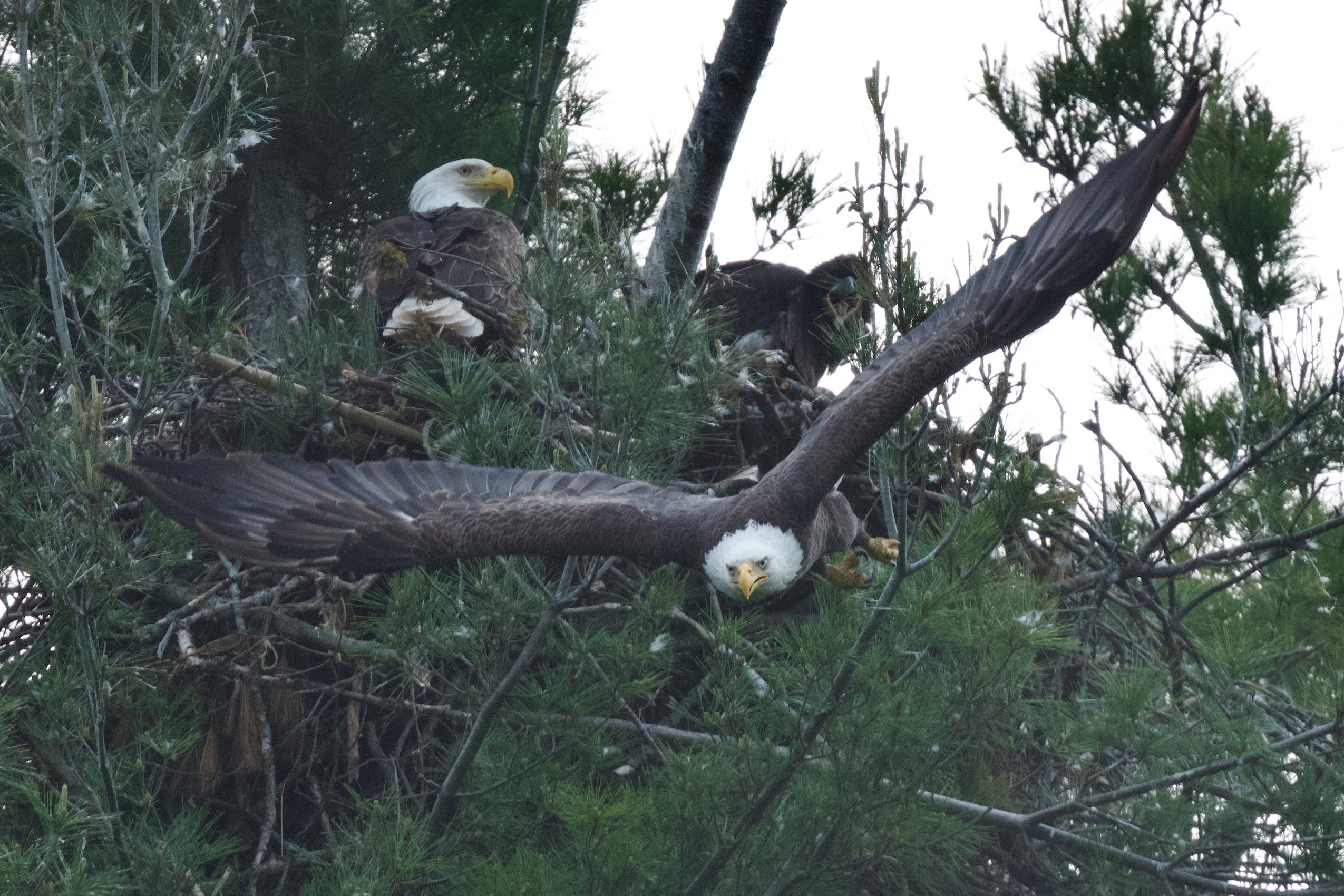
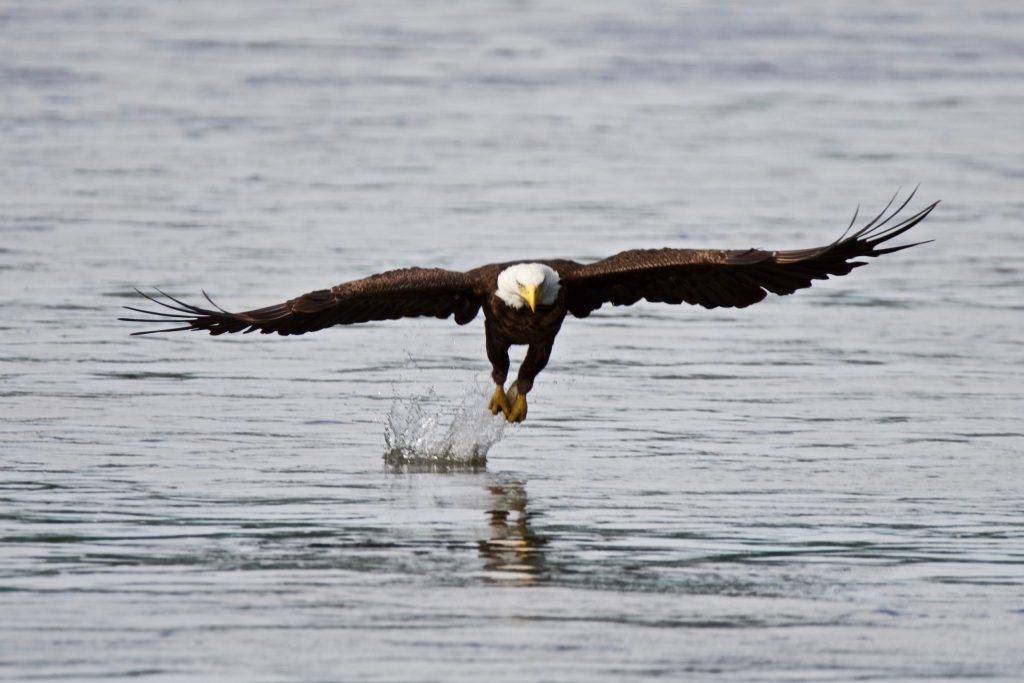
Peregrine falcons are the world’s fastest animal, using their roughly 300-kilometre-per-hour flight speed to capture birds much larger than themselves. A pair took up residence on the roofs of two churches in downtown Cambridge, Ont., in 2023 and 2024. They were attracted no doubt by an abundant supply of pigeons and gulls close by.In the spring of 2024, the pair were joined by one of their offspring, seen on the left, which noisily chased the adults whenever they caught a pigeon. I noticed the adults didn’t like to share, but the young one would feed on scraps until her hunting skills were perfected.Black bear cubs normally remain with their mothers for roughly a year and a half. This cub was foraging in the woods surrounding Killarney, Ont., with no siblings and no mother in sight. There was an extraordinarily high number of orphaned cubs that year and the Ontario Ministry of Natural Resources couldn’t possibly rescue all of them. A weight limit of 15 kilograms was set, with cubs believed to be below that number targeted for capture and care at a sanctuary. After sharing my photos with one of the ministry’s bear technicians, this one was deemed to be a healthy weight with the potential to survive the winter on its own. A few weeks later I was told by locals they had seen two cubs scavenging at the Killarney town dump. Hopefully, this one made it through the winter.In spring, an adult female bald eagle lays her eggs in a nest constructed with moss, twigs and tree branches snapped from nearby trees. She spends up to 35 days on the eggs, only occasionally getting relief from her mate to stretch her wings — always in the vicinity of the nest. The adult male is the constant provider, delivering food to the nest. When the eggs hatch, his hunting activity is frantic, and the eaglets quickly grow.
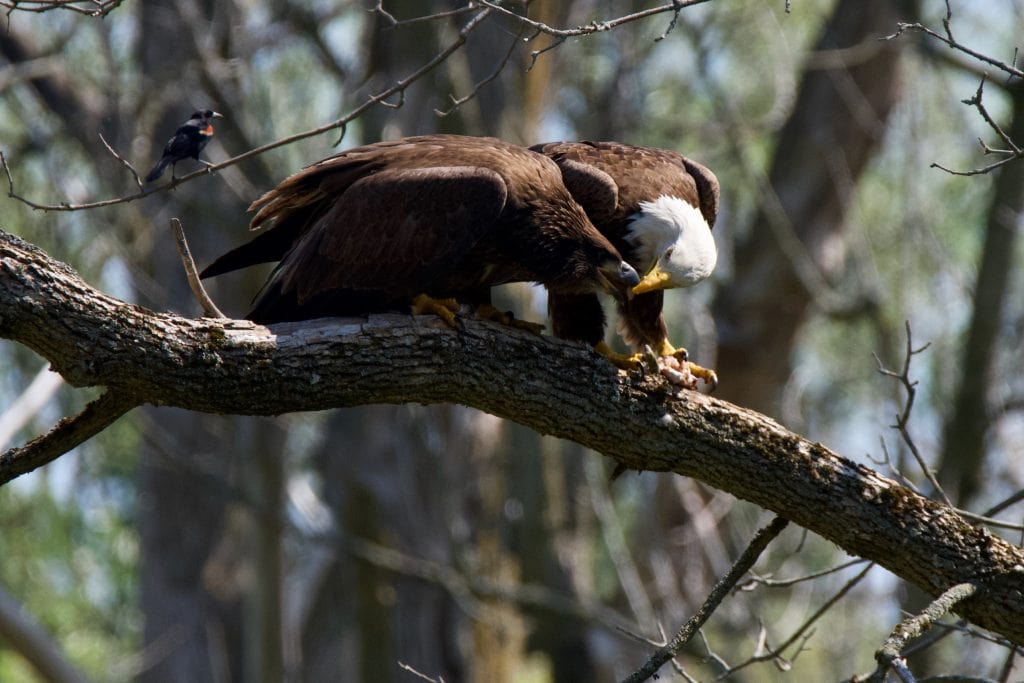
From what I’ve seen, each year, one of the fledglings will remain dependent upon the adults for food, even after his or her siblings have left the territory to fend for themselves.
Adults will continue to feed this eaglet, dropping food in the vacated nest or on tree branches close to the nest. Once I watched the adult male drop an enormous northern pike into the river below a begging eaglet. It was an illustration of what good parents these eagles are.
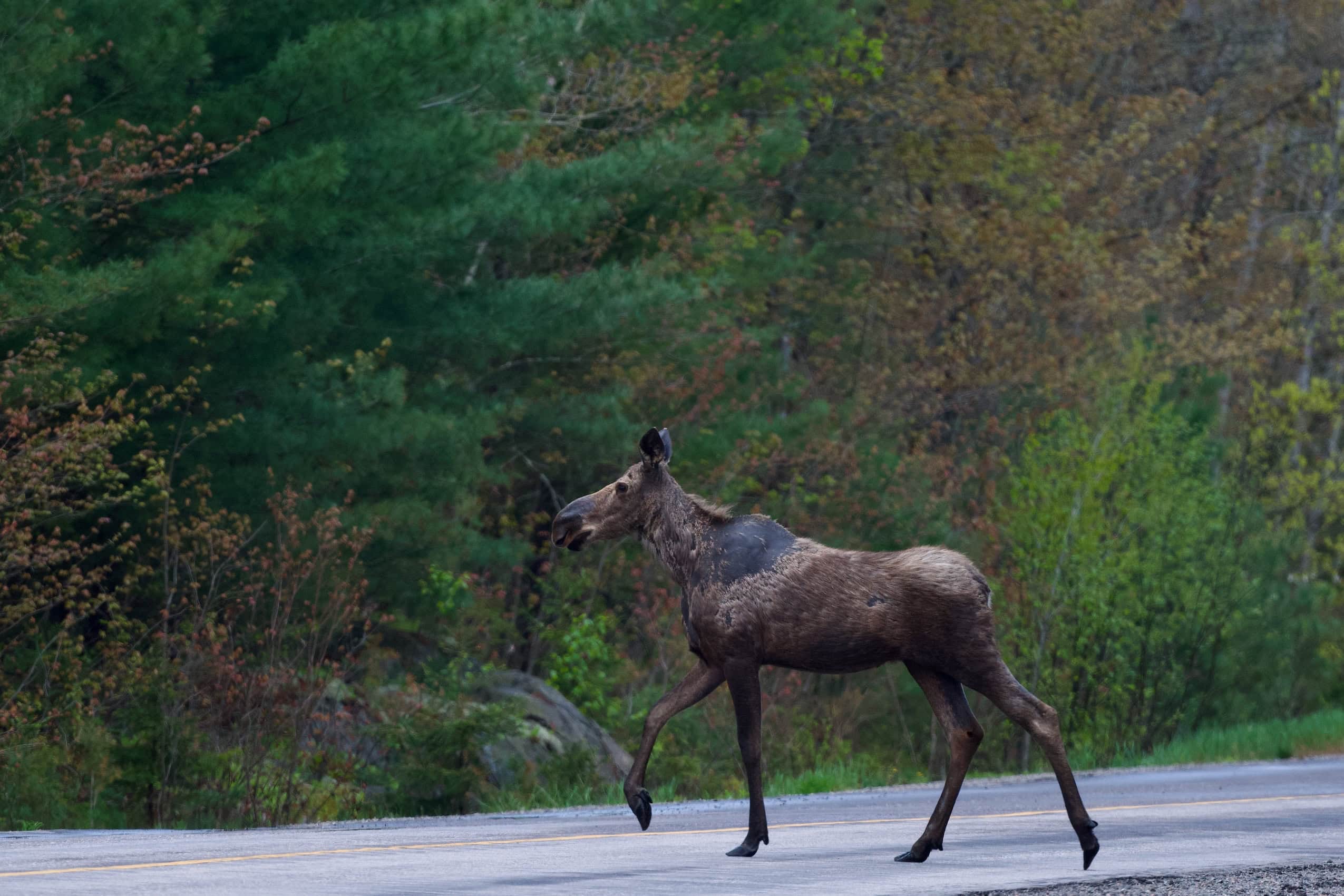
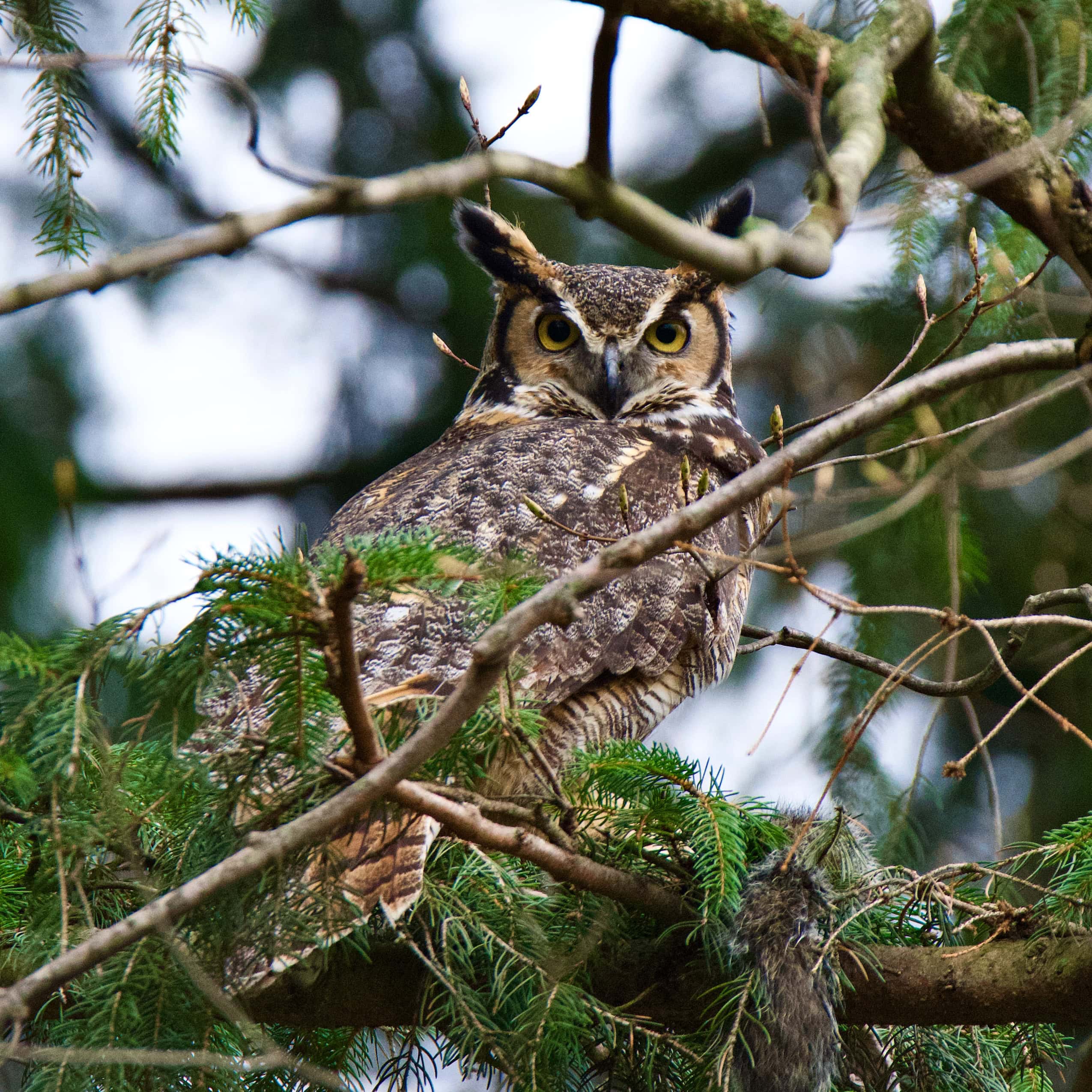
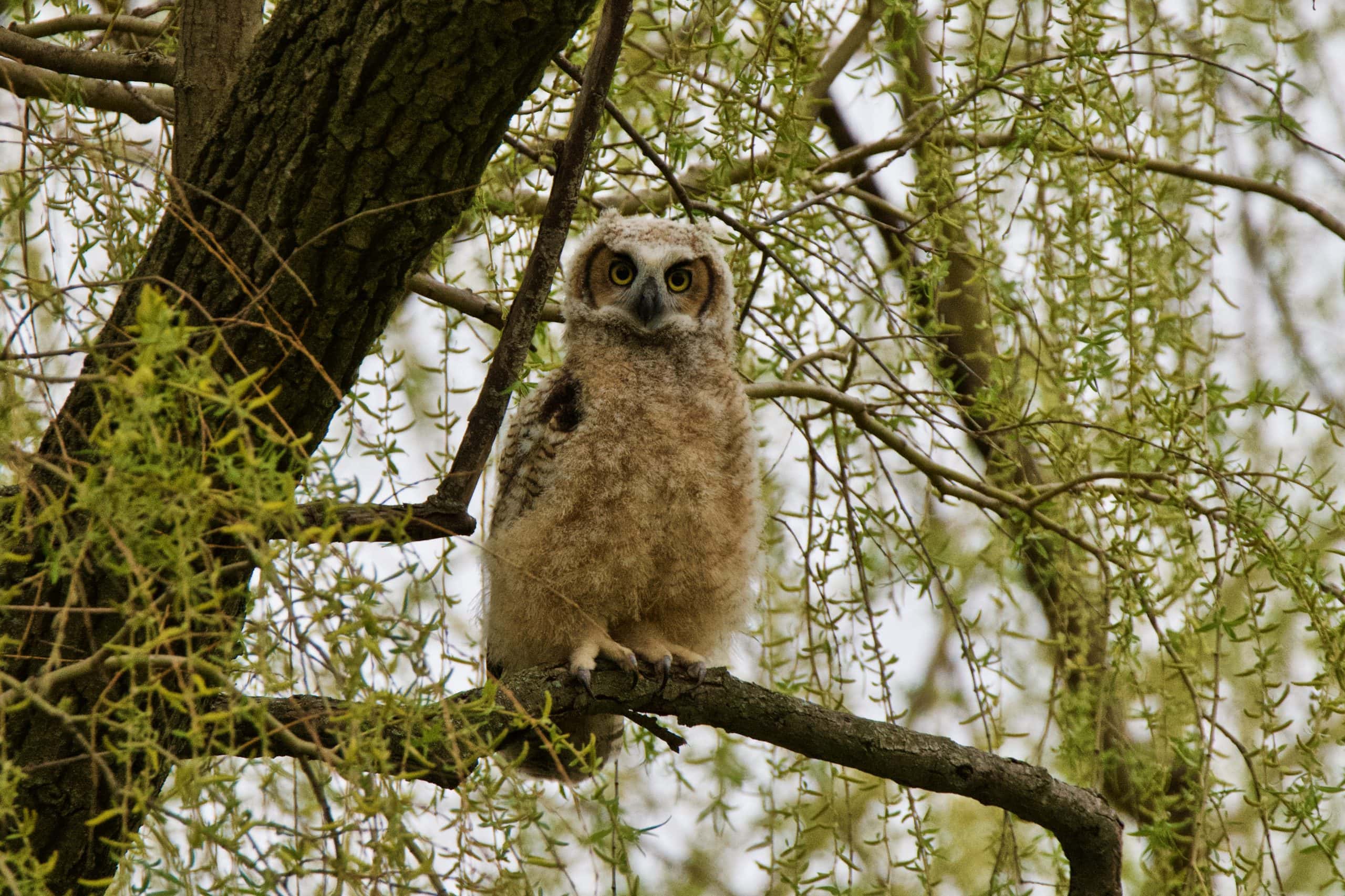
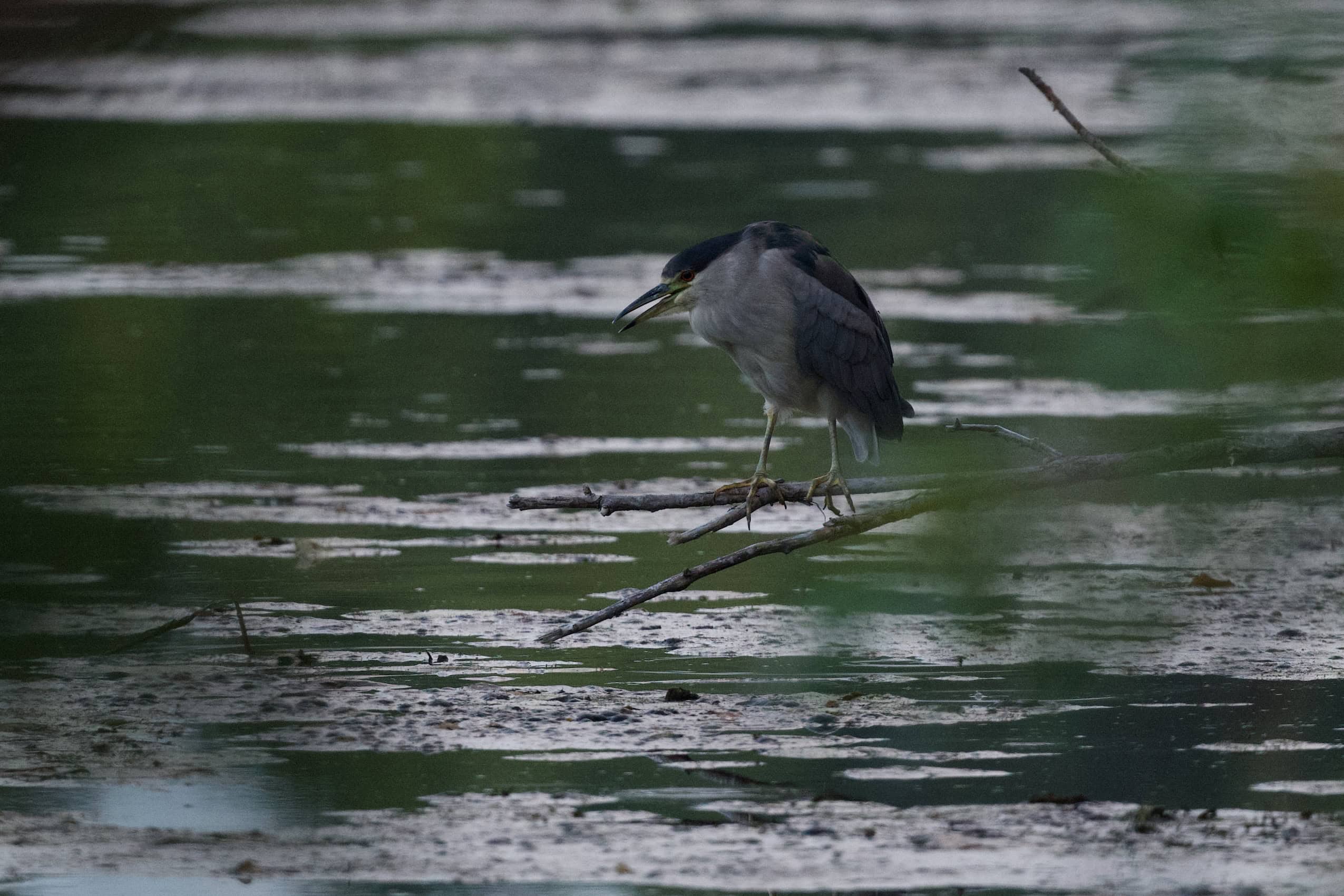
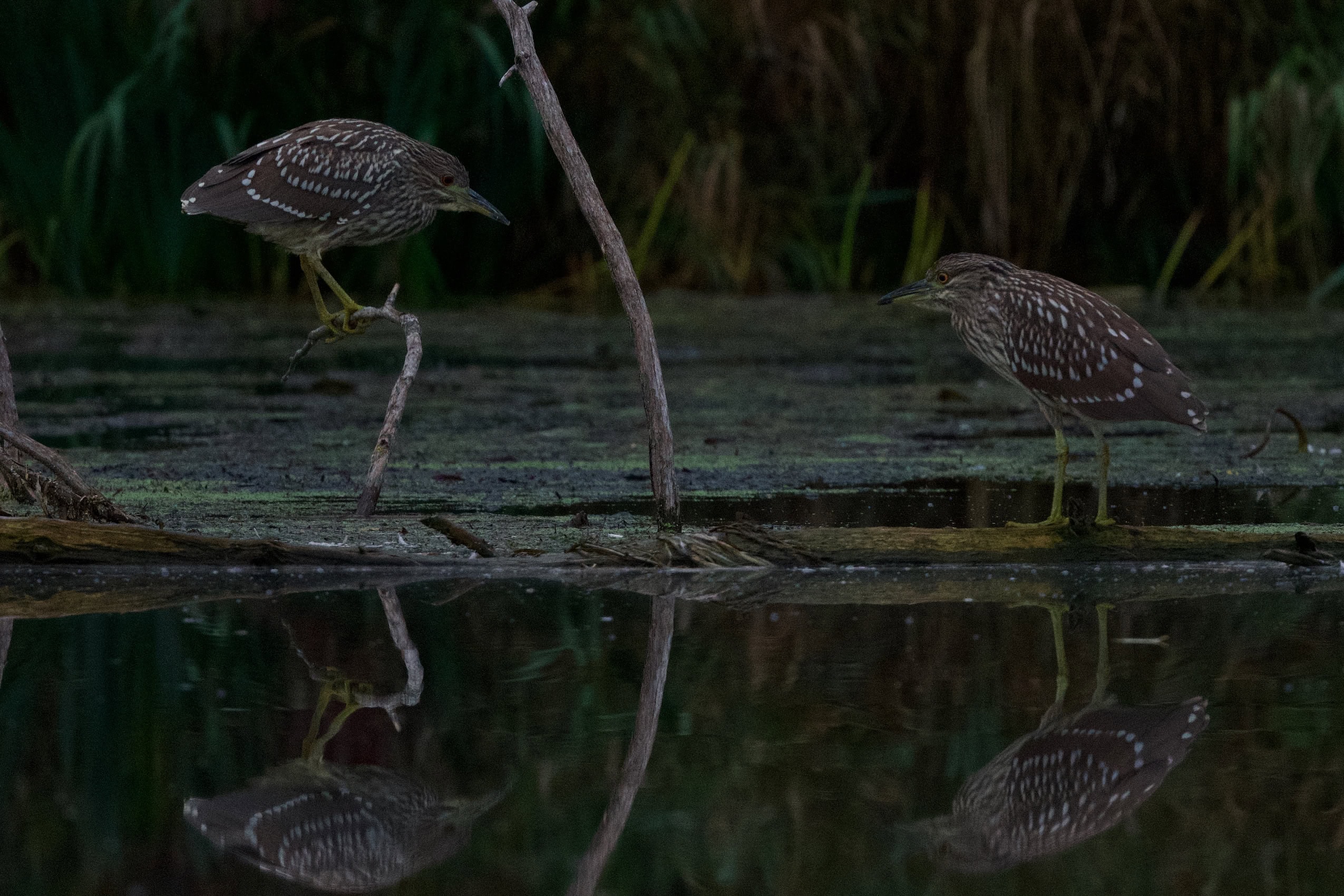
A cow moose is a devoted mother and will care for her calf throughout most of its first year — but after that, tough love kicks in. This solitary calf photographed in May 2024 has, in all likelihood, been cast out by its mother so she can prepare to birth another calf.Over a few weeks of observation, I saw this male great horned owl bring squirrels, birds and half-eaten rabbits back to feed both his mate and one owlet, which was hidden in the trees. The adult waited for me to back away before taking the meal to his offspring, likely to keep its location secret.The young one was reliant upon its parents as it dared to only fly short distances between neighbouring trees.Black-capped night herons fish along the edges of ponds and rivers. This adult night heron preferred hunting for small fish in the shadows along the Speed River, in Cambridge. Her two offspring have learned to hunt from their mother, but found it easier near a dam on the river where fish might gather.Over time the young herons will lose their brown markings and eventually take on the appearance of an adult — white breast, black-capped head and wings.
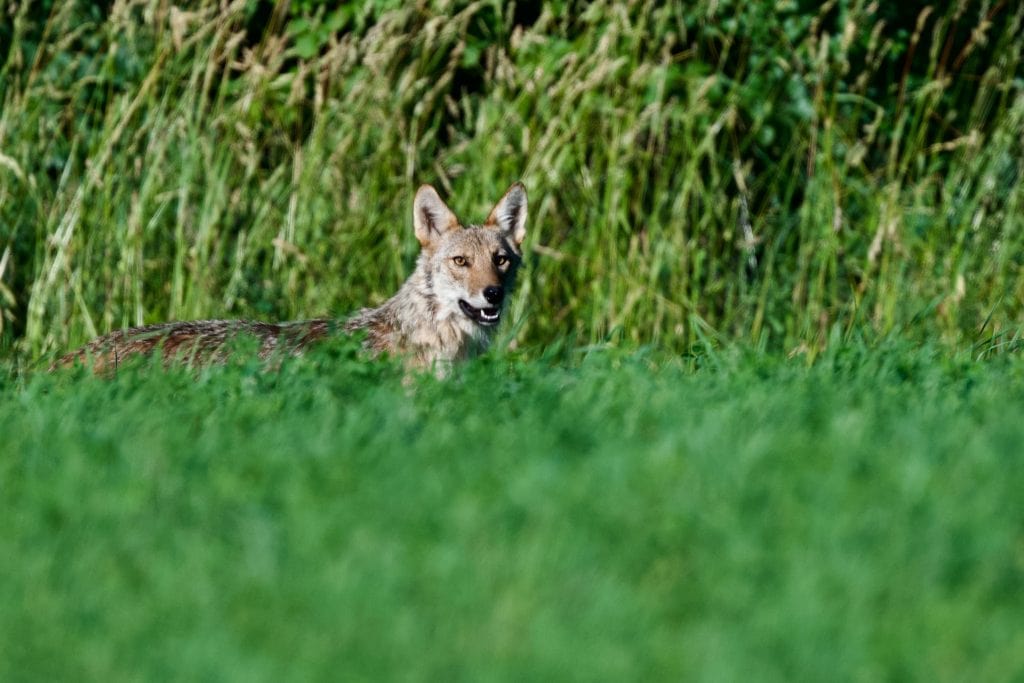
While his mate was tucked away in a den giving birth and then caring for the tiny pups, the adult male coyote was the sole provider for his family.
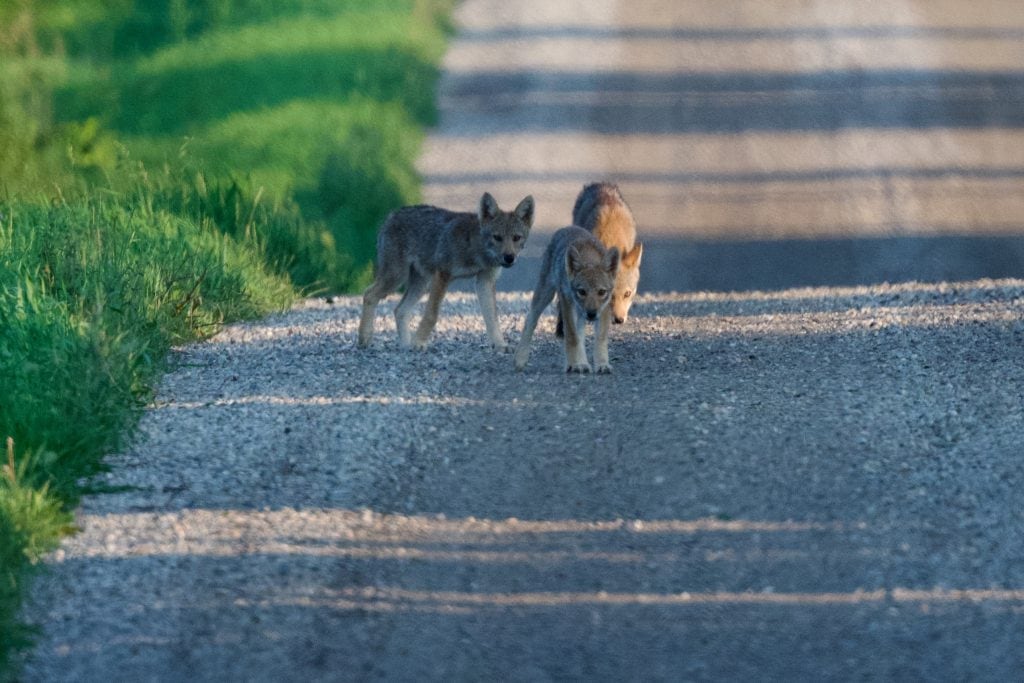
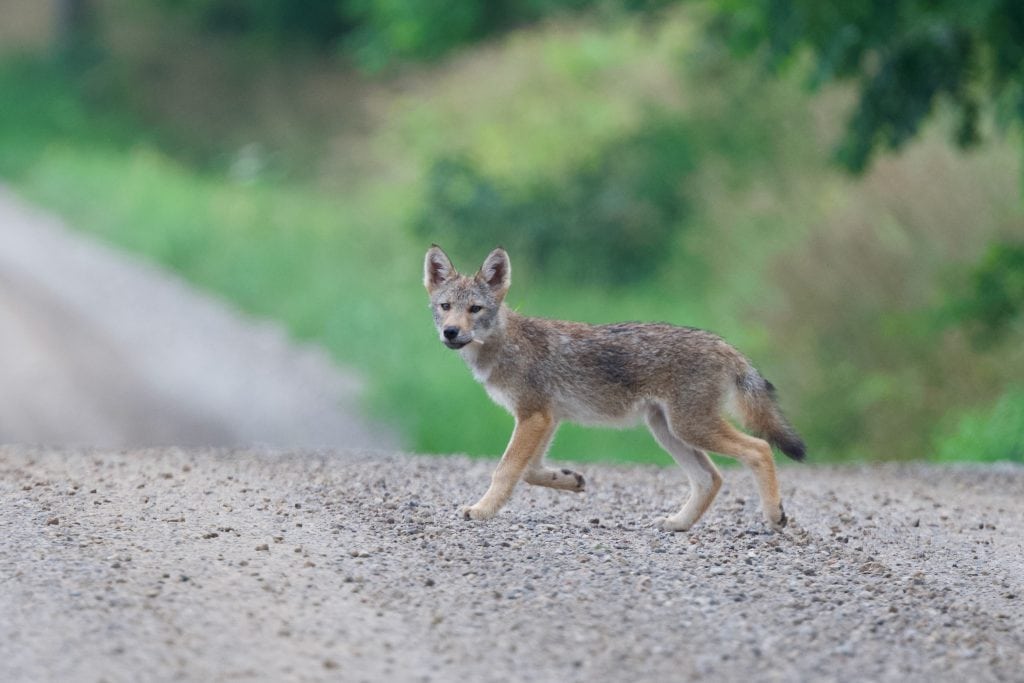
Although I suspected the location of their den, near Paris, Ont., I kept my distance. After a couple of months of parental supervision, the three pups began venturing out and exploring the area.
As the pups grew in size, they also answered the calls of their parents to meet down by the Grand River.
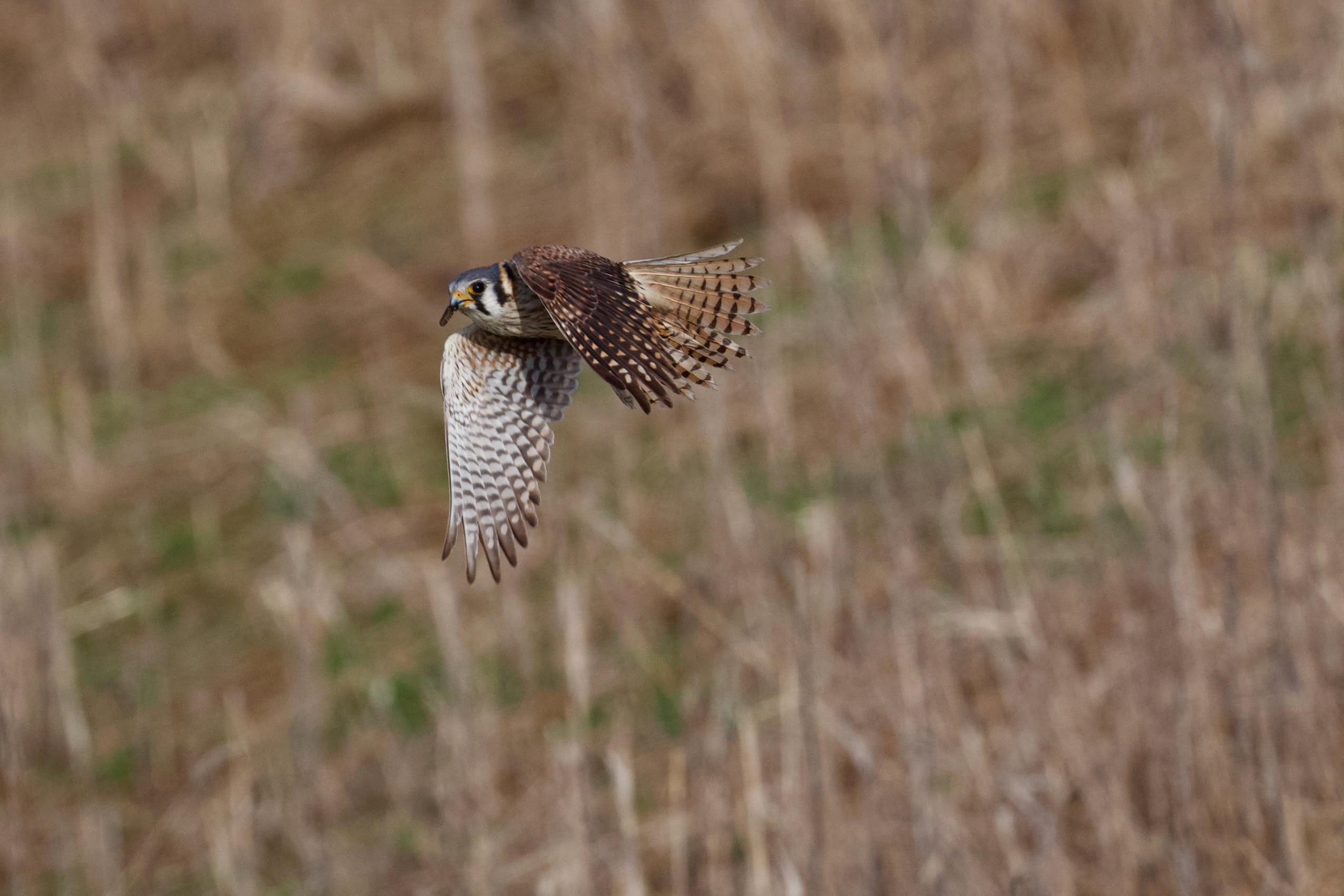
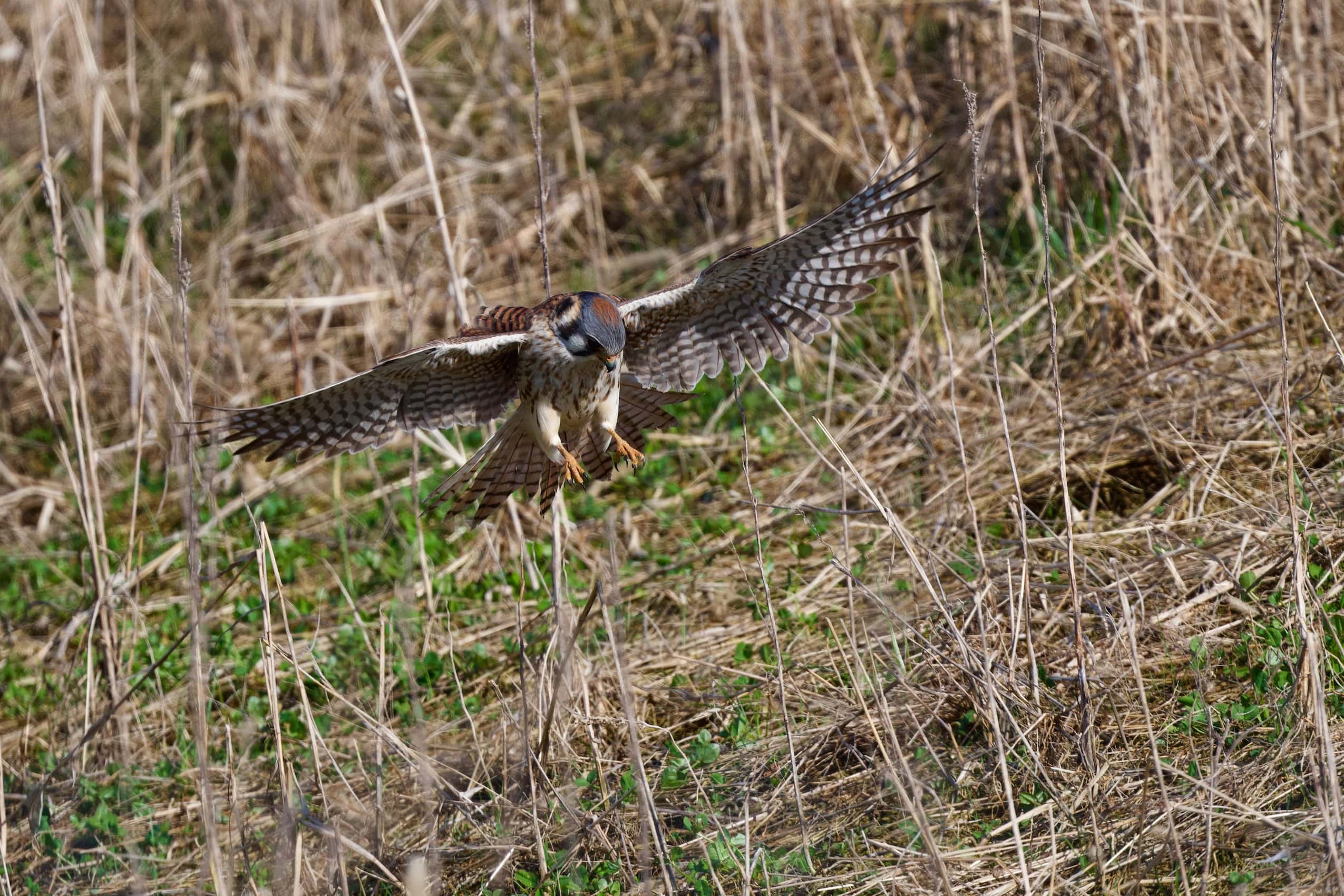
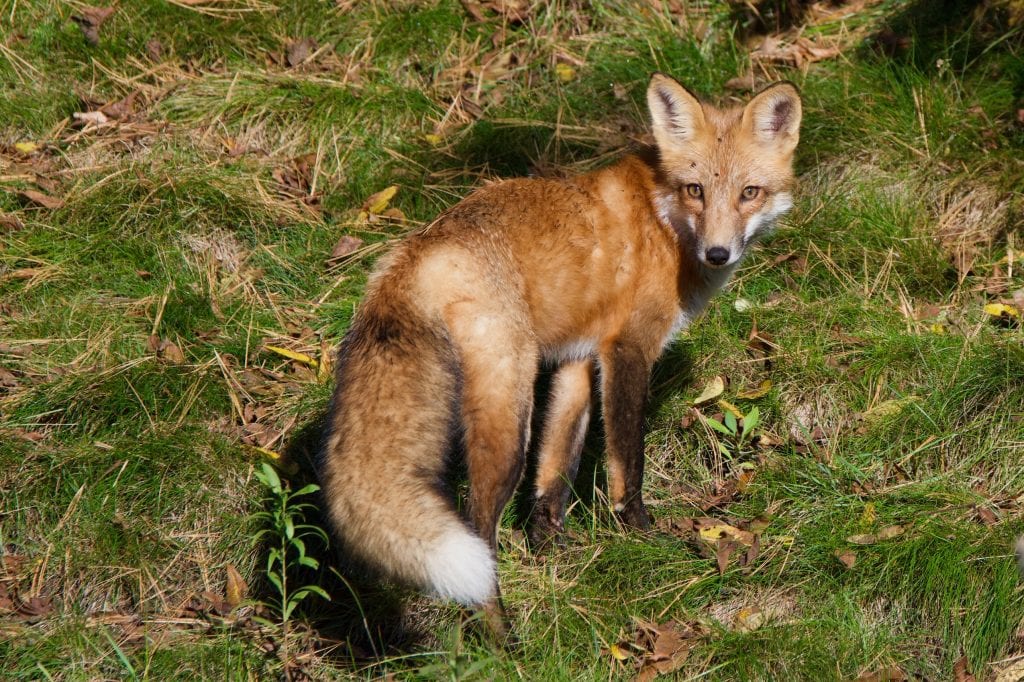
Kestrels are the smallest member of the North American falcon family. Fully grown, they are about the size of a mourning dove. Over the month of April 2022, this adult female became used to me standing at the side of the road photographing her each evening as she hunted insects and mice.I didn’t see her over the following months and realized she was probably nesting somewhere. When she did eventually return it was with three young ones, none of which were as bold as her. They kept their distance.For much of 2020, a red fox could be seen hunting behind my apartment building. In the summer and fall, two kits turned up, often playing together. Feeding the growing kits was a lengthy and apparently tiring process for the adult male, who would regularly take a 20-minute afternoon nap in the grass undisturbed by the sound of my camera clicking away.




 5 min. read