Emma Gilchrist grew up in an oil and gas town in northern Alberta and has been reporting on the environment since 2007. She co-founded The Narwhal in 2018 and is based on Vancouver Island.
There isn’t much everyone agrees on these days, but I’m pretty sure we can all agree on this: it’s a time of heightened uncertainty.
Layered on top of all the global geopolitical turmoil, there are no fewer than FOUR different elections in Canada within a 10-day period (not to mention municipal contests in three more provinces over the next few weeks).
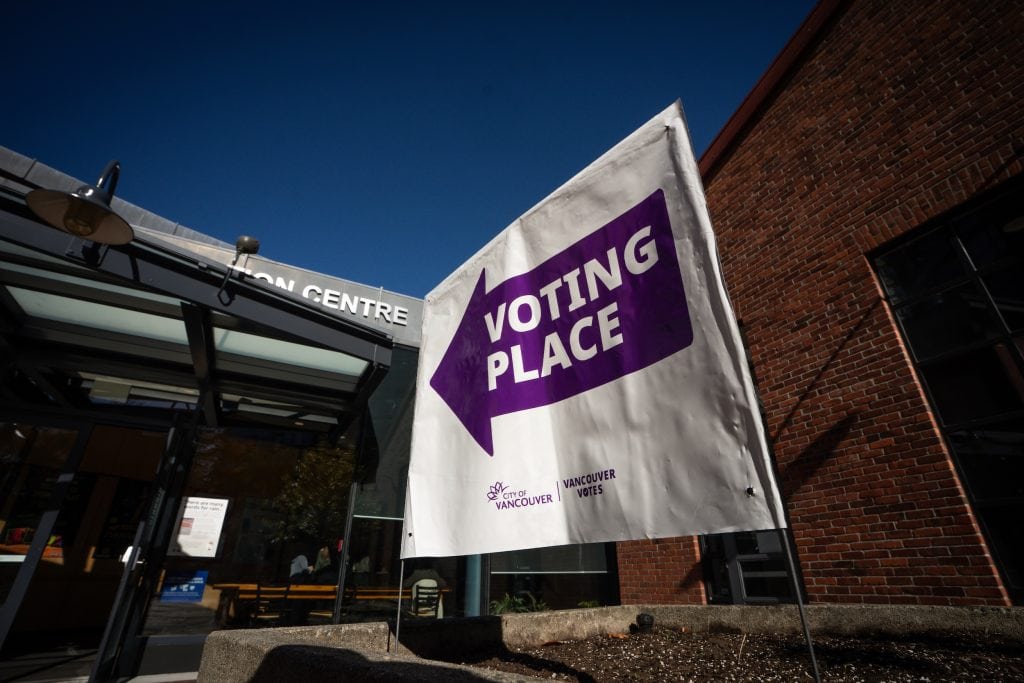
First there were B.C.’s municipal elections on Saturday, which in Vancouver saw the Green Party’s Pete Fry beat incumbent mayor Ken Sim, by a wide margin. With that, he became Canada’s first Green mayor (most cities in Canada don’t allow municipal political parties, so take that fact with a grain of salt).
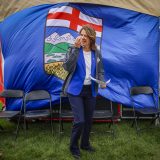
Then Monday, Albertans headed to the polls for the separation referendum, with 75 per cent voting to stay in Canada, according to preliminary results. (The other nine questions — on immigration, services for non-permanent residents and constitutional changes — yielded much more divided results.)
And it’s not over yet. British Columbians go to the polls in a snap provincial election on Saturday. Climate change has taken a back seat in an election defined by concerns about the economy.
Economic anxieties tend to crowd out worries about climate change because they’re immediate and personal, one expert told The Narwhal’s B.C. politics and environment reporter Shannon Waters.
“People know how much they’re paying for eggs, but nobody knows if their house is going to be the one that will burn down,” Kathryn Harrison, a political science professor at the University of British Columbia, said. “There’s this uncertainty about who will bear those risks.”
The BC Conservatives are neck and neck with the incumbent BC NDP, despite being in such disarray it would make even the keenest political observer’s head spin. Meanwhile, the BC Greens are polling at about eight per cent, but have a strong chance of winning two or more priority ridings. Even though there hasn’t been much talk of the environment in this election, there is a lot at stake, so check out our full rundown on the key issues in B.C.
As if we all won’t be ready to be done with elections come Sunday (I’m tired just writing this), it keeps going: on Monday, Ontario voters will head to the polls to elect their municipal leaders in an election that has been exceedingly difficult to get excited about, executive editor Denise Balkissoon writes. Still, it didn’t keep her from digging deep to assess the 53 candidates for mayor in Toronto to find someone with some climate cred.
Speaking of digging deep, I’ve been exploring new depths of fatigue lately, thanks to some very early mornings with a sick toddler. On the upside: I get to see the sun rise over the mountains and hear the birds wake up. It brings to mind Mary Oliver’s poem Wild Geese. In part, it goes like this:
Meanwhile the world goes on.
Meanwhile the sun and the clear pebbles of the rain
are moving across the landscapes,
over the prairies and the deep trees,
the mountains and the rivers.
Meanwhile the wild geese, high in the clean blue air,
are heading home again.
The imperilled natural world keeps going amid all the madness.
Hamilton steel-maker delays toxic cleanup, again — this time, the reason is U.S. tariffs By Rajpreet Sahota
More than 10 years ago, ArcelorMittal Dofasco proposed installing containment structures to stop the contaminated sediment in its boat slip from escaping into Hamilton Harbour. So far, it hasn’t happened.