



 16 min. read
Taylor Bachrach first saw the western edge of Nanika Lake on an August afternoon in 2025, as a bitter storm rolled in.
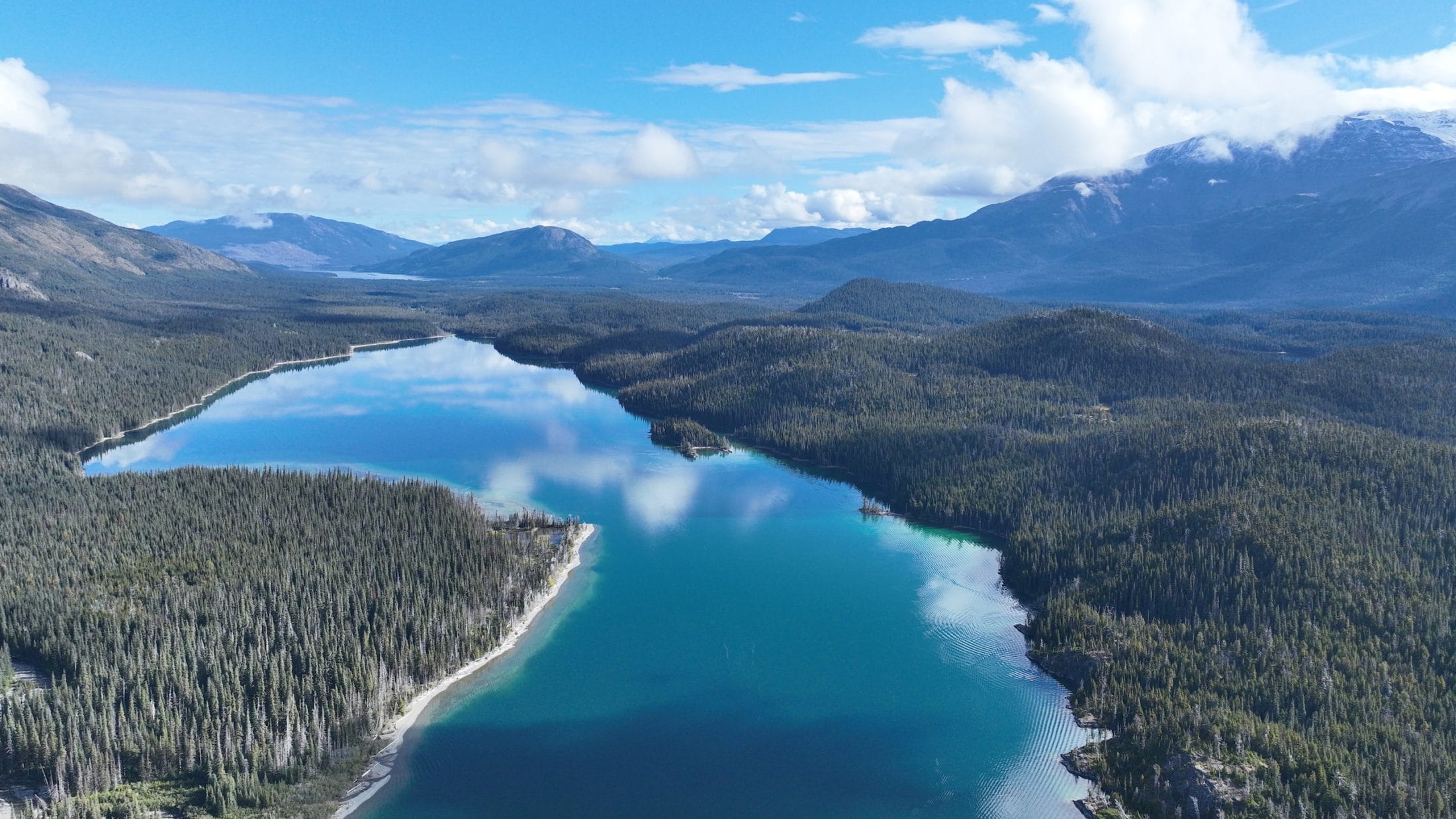
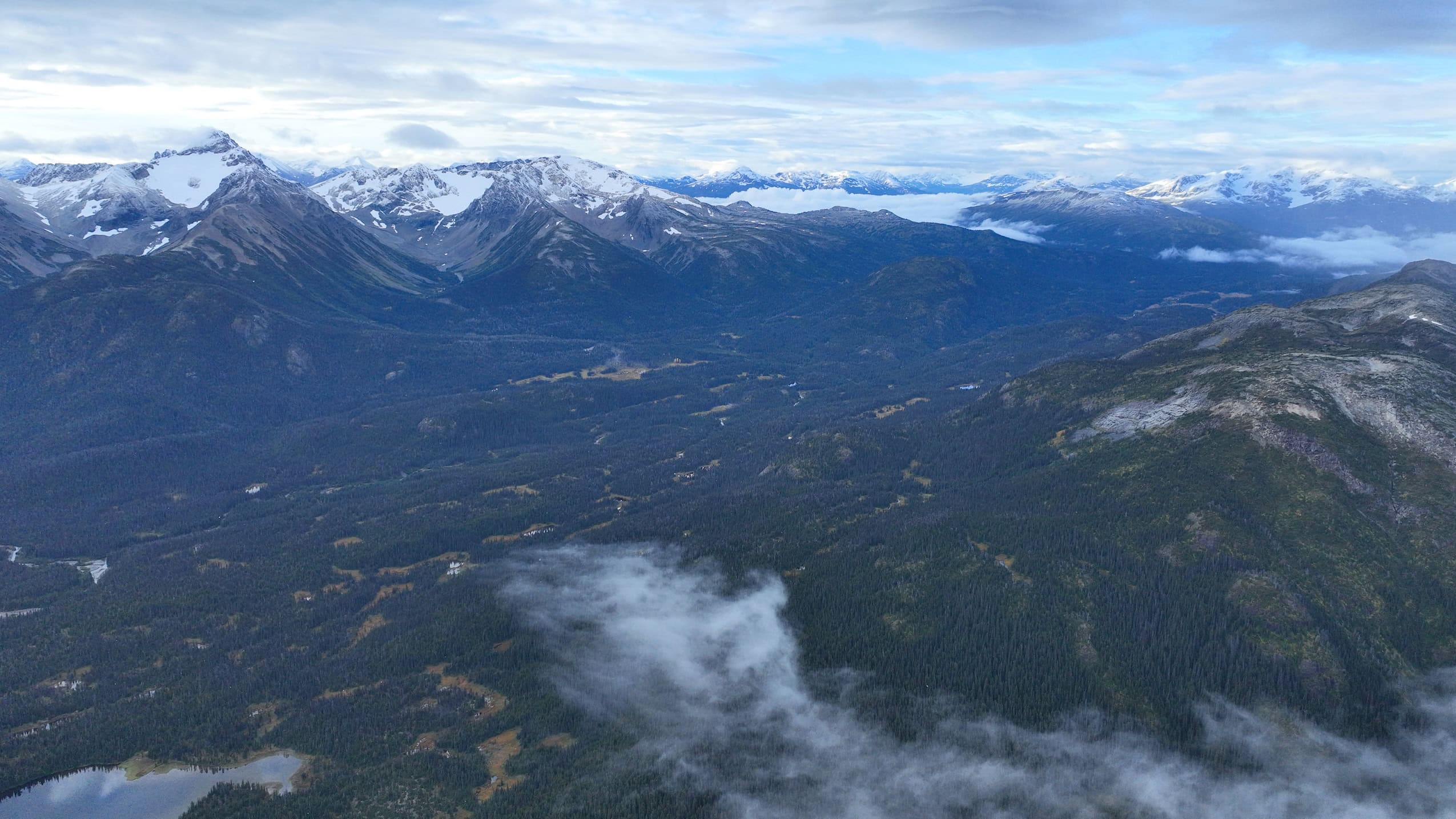
It appeared in a momentary break between the clouds: a circle of turquoise in an otherwise grey, static sky. Few people get to see the lake, nudged against the eastern side of the Coastal Mountains of central B.C., but thousands, including Bachrach and his family, rely on it daily to support their watershed.
“It was a really emotional moment, and that image in that moment has stuck with me ever since,” he said.
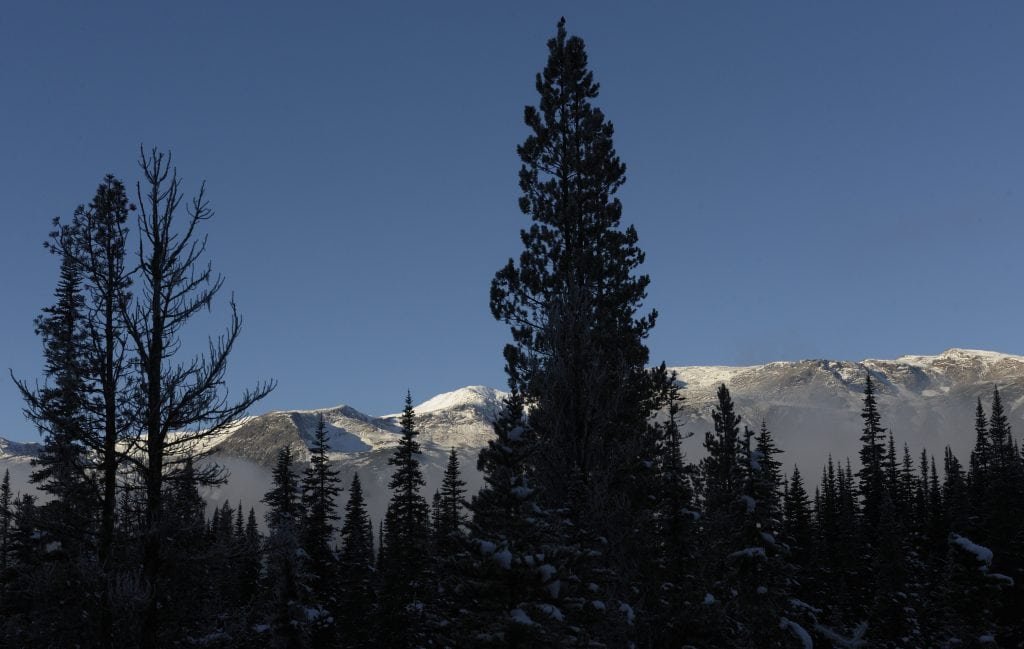
Nanika Lake and the mountainous landscape that surrounds it look like a place the last century forgot, unscathed by the clearcuts, dams and developments fanning elsewhere in all directions. The area is part of the headwaters of the Wedzin Kwa (Bulkley-Morice River) which winds its way through the Bulkley Valley until it joins the Skeena River. So far, the headwaters have remained mostly undisturbed — but that could soon change.
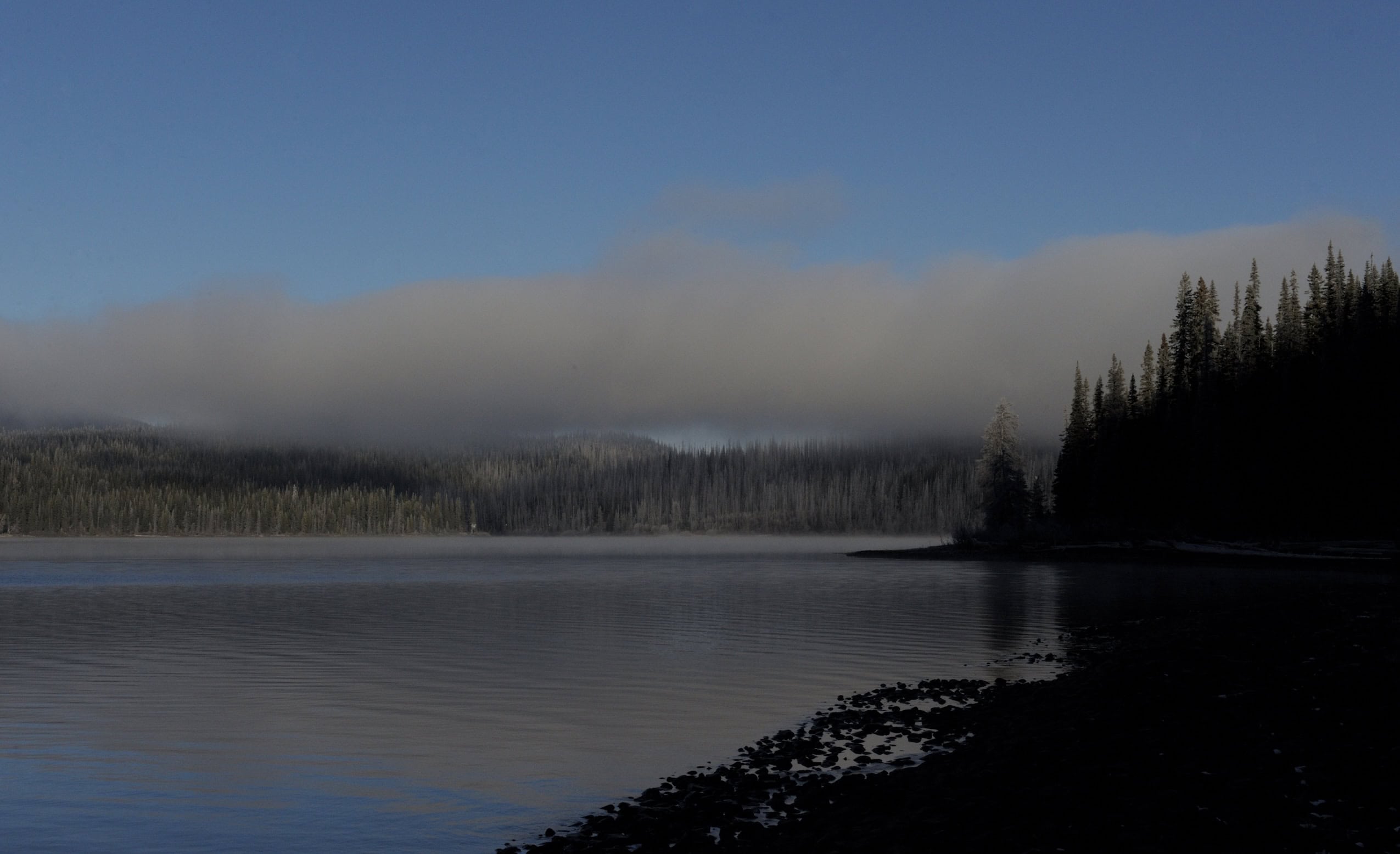
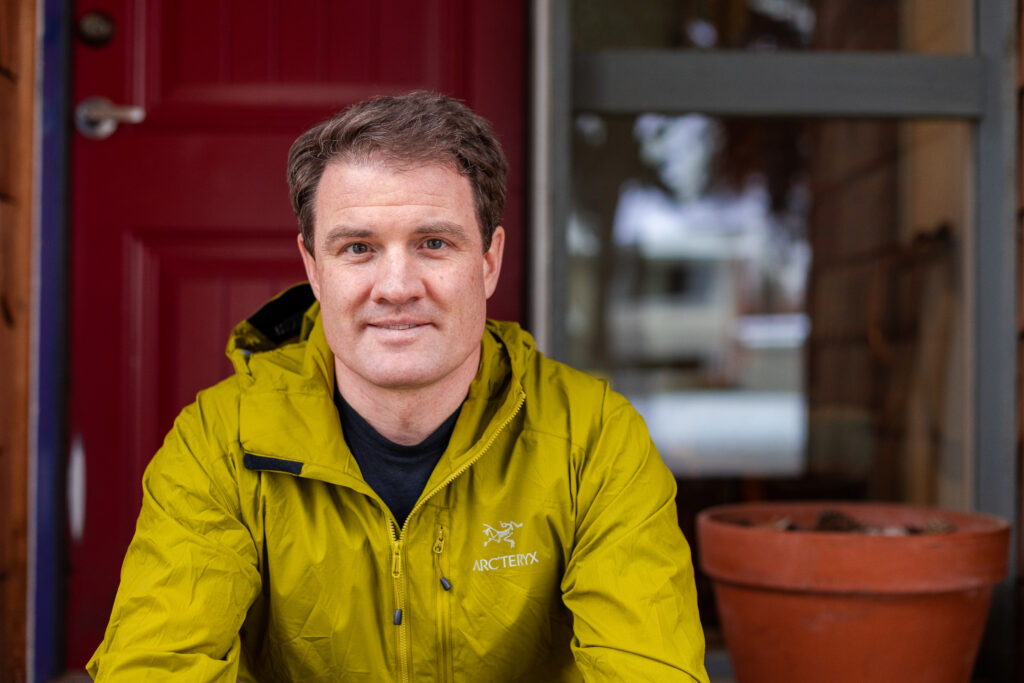
“When I heard that there’s this giant open-pit mine planned right next to that spectacular lake in the headwaters of our river, I found it pretty alarming, to be honest,” Bachrach said. He served as a member of Parliament for Skeena—Bulkley Valley from 2019 to 2025 and the mayor of Smithers, B.C., for eight years prior to that. He now works as a communications consultant with clients including SkeenaWild Conservation Trust.
Surge Copper Corp. plans to build one of North America’s largest open-pit copper mines beside Nanika Lake in the Bulkley Valley around 80 kilometres south of Houston, B.C. This would be the first mine for the company, which began its exploration work at the Berg site in 2021 and took full ownership of the claim area in 2023.
Called the Berg Copper Project, the proposal is on B.C.’s list for fast-tracking through the province’s Critical Minerals Office. It was also included in a select group of projects featured at the federal government’s Canada Investment Summit in Toronto in September.
Surge has now released its initial plans for the mine, the first major step in its environmental assessment process. The province is accepting public comments on the document until Nov. 9.
Everything about the Berg project is supersized: it covers a landmass almost the size of Manhattan, and plans to mine a pit about half as big as the Great Pyramid. Its tailings pond for storing mine waste will be as deep as Seattle’s Space Needle is tall, spanning two kilometres from end to end. Its size is becoming customary for many new mines worldwide as higher-grade deposits are increasingly mined out, leaving companies sifting out more waste rock to get at what they want.
Berg’s relatively low-grade copper deposit just meets the threshold of what’s currently deemed economic to mine. To make up the difference, Berg plans to target the molybdenum, silver and gold that occurs alongside the copper. As a producer of silver alone, Berg would be among the country’s largest.
But it’s Berg’s copper and molybdenum deposits that classify the mine as a “critical minerals” project in Canada. The federal government deems minerals “critical” when, among other possible things, they’re considered scarce, economically essential and produced in Canada. Copper falls into that category thanks in part to its superconductive properties which make it essential in expanding electric systems — think, copper wire — and molybdenum’s strengthening properties are used in everything from fighter jets to chemical processing. Both metals face anticipated supply shortages in coming years.
Berg’s products could help bolster Canada’s efforts to diversify its exports and strengthen its ties with the European Union, which has been clear about its desire for the critical minerals Canada could mine. Federal Energy and Natural Resources Minister Tim Hodgson recently described critical minerals as one of Canada’s “most important geopolitical cards” in an interview with The Globe and Mail.
“There’s an inherent economic and strategic interest in developing these types of resources because they supply raw materials that are essential,” Leif Nilsson, Surge’s chief executive officer and director told The Narwhal.
He said Canada’s track record as a stable trading partner with better human rights, labour and environmental standards than other mining regions makes Berg an ideal source.
“Doing this kind of work in the country of Canada allows us to achieve a whole host of those objectives,” he said.
Surge’s pitch also includes local economic benefits, noting around half its workforce, peaking around 64 salaried and 719 hourly employees, “could be sourced” from the region, offering possible relief from the local forestry industry’s decline. The Houston sawmill, for example, officially closed its doors in 2024, formalizing hundreds of layoffs.
But the region where Surge plans to build already plays important roles close to home, supplying water to the largest salmon spawning grounds in the Morice watershed. According to fisheries biologist Michael Price, salmon in the region are facing critical declines, and he is worried the Berg Copper Project could pose new risks.
Nilsson said these issues are “primary concerns” for the company, which will focus on “avoiding, mitigating, minimizing those sorts of impacts.”
In an emailed statement, Surge added: “The environmental assessment will determine whether the proposed project can proceed, and if so on what conditions.”
Surge’s plans for Nanika Lake
This summer, along with opening its new office in Smithers, Surge’s name appeared on signs at the community’s soccer fields. Nikki Skuce, director of the environmental organization, Northern Confluence, said news that the project had reached the environmental assessment stage came as a surprise. “I thought it was years away,” she said.
Nilsson told The Narwhal that despite entering the early stages of the environmental assessment process, there’s still lots of work ahead to prove Berg’s case. “This is not a project that is about to be permissioned for construction tomorrow,” he said.
Some aspects of the project could change as it progresses, others will not — like the open-pit approach for mining the Berg deposit, a pocket of hardened underground magma-formed metals inside rocks.
Depending on the metals they contain, the rocks would be moved by conveyor belt to an on-site processing facility which would grind them up, mix them with water and chemicals and extract their metals for export. The slurry of leftovers would then be sent by another conveyor belt to the tailings facility. (The company would power these conveyor belts with electricity carried on a new transmission line extension to the site near Houston, B.C, about 100 kilometres away.)
According to the company’s project description, a sizable chunk of the rocks on Berg’s property are laced with sulphur compounds which, when dug up and exposed to air and water, can turn into sulphuric acid. In waterways, that acid can leach heavy metals from surrounding rocks, sometimes including pollutants like cadmium, arsenic and mercury. Those acid-generating compounds will be present in parts of the two-kilometre-long tailings pond proposed next to Nanika Lake.
“You’re adding this really, really significant risk factor of it all being potentially acid-generating,” Adrienne Berchtold, an ecologist and mining impacts researcher with SkeenaWild, told The Narwhal. “I don’t think I’m exaggerating to say that if that facility failed, it would undoubtedly be catastrophic.”
Nilsson told The Narwhal the mine’s proposed lakeside tailings location was chosen to take advantage of its natural barriers, minimizing the need for human-made tailings embankments.
“There’s a very sound set of reasons that this site was chosen, and the overarching philosophy behind that is risk reduction,” Nilsson said. The company plans to construct human-made barriers to supplement the natural ones in two locations.
To avoid acid mine drainage during operations, most mines cover tailings ponds with water. Ideally, the waste remains submerged, isolating its pollution. But sometimes tailings ponds breach their barriers or leak into groundwater, where it then escapes into watersheds. Berchtold authored a recent report showing that seepage issues have begun at the Red Chris mine in northern B.C., which targets a similar acid-generating copper deposit.
“I’m feeling increasingly concerned about how well the risks of mine seepage are understood,” Berchtold said, adding that once seepage starts, it can be exceedingly difficult to contain. “Groundwater is a key challenge in managing mines.”
In a statement, Surge Copper said its tailings facility will be designed to address “seepage pathways, seepage management, groundwater monitoring and long-term stability.”
“Our objective is to prevent and minimize releases through design, rather than rely on treatment alone to manage impacts after they occur,” the company added.
This summer, Surge began conducting baseline groundwater studies at the site. So far, its efforts to understand above-ground water have presented challenges: its project description report notes channels tend to move around the site from year to year, adding there are “avalanche and terrain stability concerns” throughout the higher elevations of the project area.
Berchtold said those stability issues likely refer to the mine pit itself and not the lower-elevation tailings facility, but noted that with a tailings dam as big as the one Surge is proposing, the spectre of hazards can still loom large.
She questions the company’s decision to propose a mine in a watershed as sensitive and intact as the upper reaches of the Morice.
“There are so many things that just don’t really make sense to me,” Berchtold said.
‘We reckoned we won’
The Nanika watershed narrowly averted wholesale transformation decades ago.
In the 1950s, the aluminum company Alcan hatched a plan to dam the Nanika and Nechako rivers to power its coming Kitimat aluminum smelter. Intent on stoking the post-war economy, the province obliged, offering Alcan exclusive rights to the entire flows of both rivers for the next half century.
Alcan planned to rearrange both rivers like the movable chutes of a kid’s marble run, tunnelling under mountains and reversing their flows. Eventually, such manipulations would merge the separate river systems in an artificial lake chain.
The company proceeded, first damming and flooding the Nechako, before coming back decades later to launch the Kemano Completion Project, which would dam the Nanika and usurp the Nechako River’s remaining flows. The project faced legal opposition from groups like the Carrier Sekani Tribal Council and resistance from advocacy groups like Save the Bulkley, who warned of grave consequences for salmon. The federal government also raised pointed concerns, including the director general of the Department of Fisheries and Oceans Pacific Region, who was quoted in a 1984 government report warning the project “contains elements which make it of more vital concern to salmon than any other fish habitat question we are likely to encounter in the rest of this century.”
Bowing to broad, overwhelming pressure to reject the project, including a federal injunction against Alcan’s control of water flows, Alcan relinquished its rights to the Nanika River in 1987, and NDP premier Mike Harcourt formally cancelled the Kemano Completion Project’s plans for the Nechako in 1995.
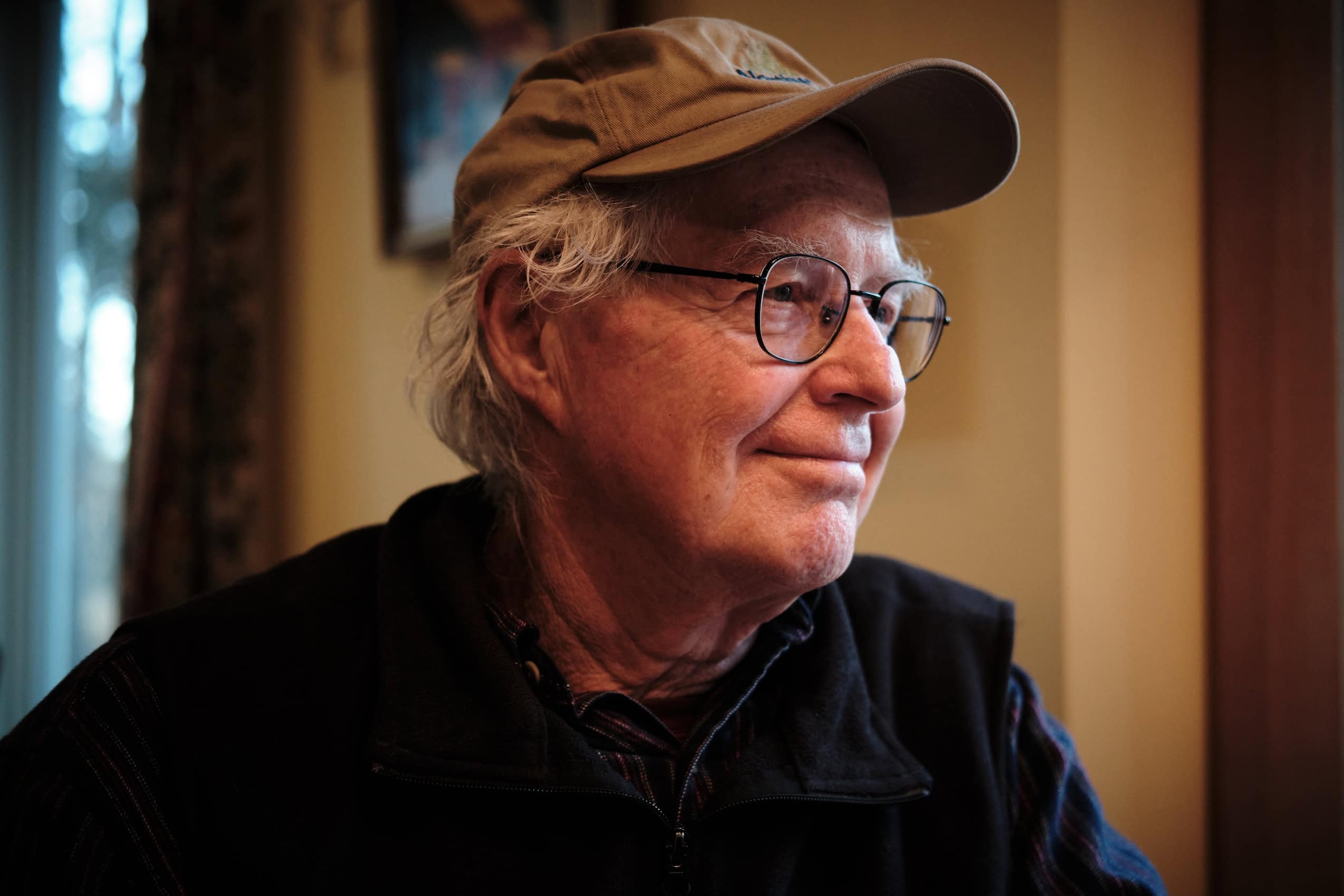
“We reckoned we won,” Jim Pojar, an ecologist and forester based in the region, said in an interview. “But sometimes these things don’t go away.”
“They’re like vampires; they need a stake through the heart, otherwise they reincarnate.”


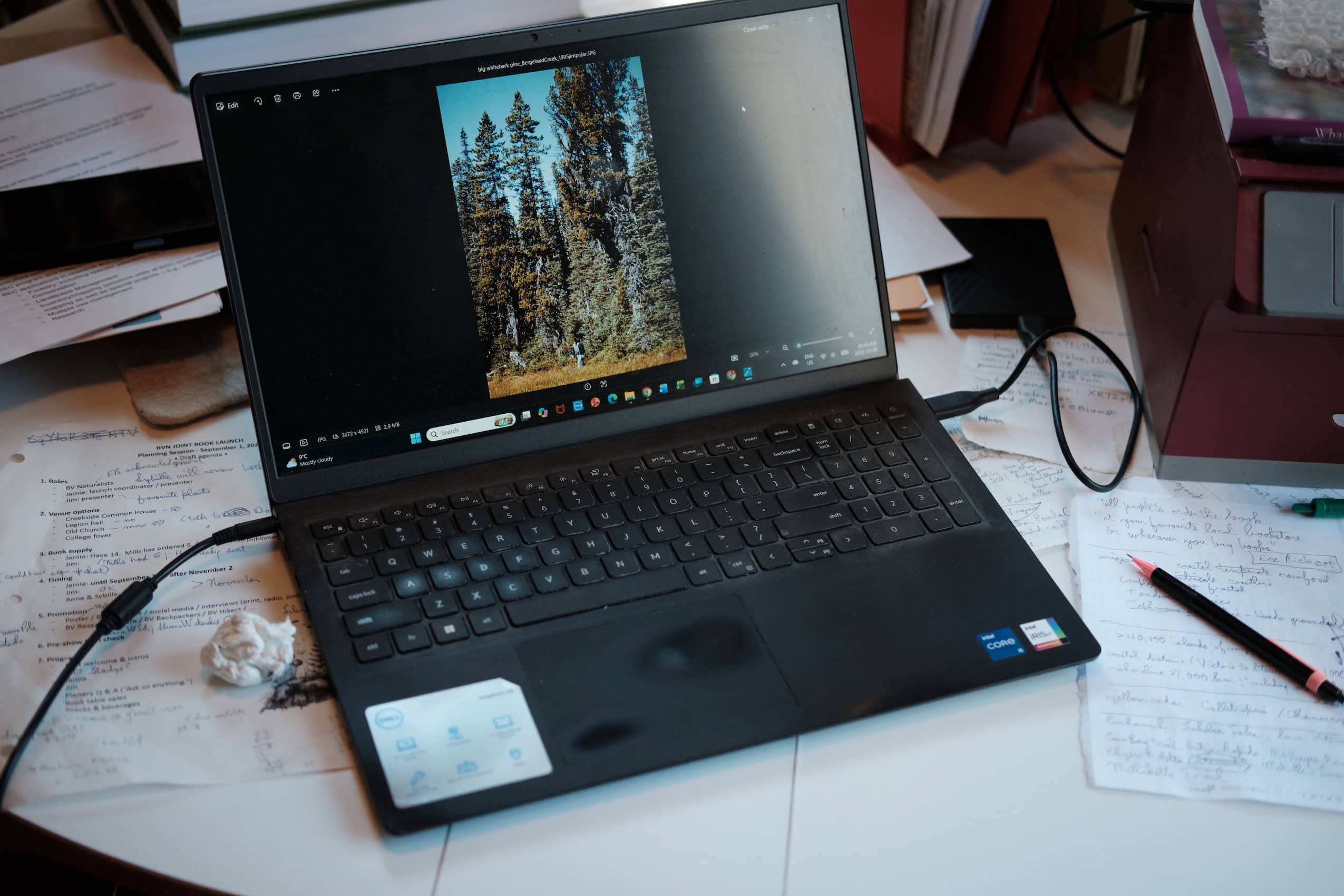
In the 1990s, Pojar attempted to help fashion such a stake.
He was working for the B.C. government’s forest service at the time, and had been tasked with helping to identify special places across the province in need of protection. The NDP government had committed to major protections, prompted in large part by Indigenous-led resistance to clear-cut logging and growing international attention on the province’s old-growth forests. Pojar and his colleagues classified Nanika as a top priority, primarily for its recreational value as a popular canoe route, but also for its forests and wildlife: for example, the region is part of the northern range of the Tweedsmuir-Entiako caribou herd, among the threatened southern mountain caribou.
But their efforts hit a snag when the recommendations reached a committee that included representatives from the Ministry of Mines. The committee tweaked what Pojar and his colleagues had recommended for protection in the Nanika area “to exclude mineral tenures.”
Those tenures now belong to Surge.
Nilsson pushed back against those suggesting that Berg’s impacts would be similar to those of the previous dam proposal.
“You often get the impression from people that it’s an us versus them thing and that people in the business of resource development or industrial development are anti-environmental sustainability,” he said. “We, as people, are of course interested in the environmental sustainability side of things.”
‘We are trying so hard to rebuild the salmon stocks’
The Wet’suwet’en Nation has been working to advance protections that Pojar and his colleagues failed to achieve.
The Nanika Lake’s downstream river system is the “single most important salmon spawning river in the territory,” Price, who has worked with the Wet’suwet’en Nation on efforts to restore salmon stocks, said. According to Price’s research, salmon populations in the river system crashed in the 1940s, from around 70,000 returning each year to the low thousands by the 2000s due to years of overfishing, development and forestry. The Wet’suwet’en Nation responded by imposing a fishing ban on their members to avert population collapse.
“We put bans on ourselves, and our people suffered,” Sleydo’ Molly Wickham told The Narwhal. A member of the Wet’suwet’en Nation’s Gidimt’en Clan, where she is a wing chief in the Cas Yikh house, Wickham’s territory sits adjacent to the proposed mine site, and its access to salmon relies on the Nanika’s headwaters.
Wickham, a leader in the longstanding resistance against the construction of the Coastal GasLink pipeline, which crossed through the Wedzin Kwa in Wet’suwet’en territory, said salmon populations in the territory remain at critical levels.
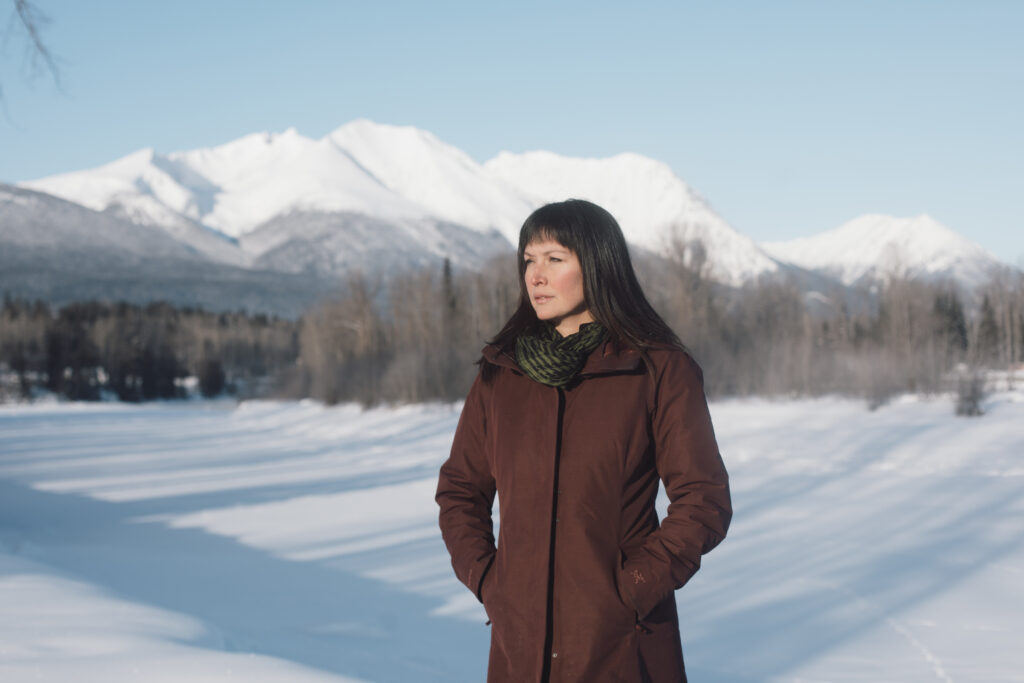
For Wickham, the Berg project poses unacceptable risks to the headwaters of the Wedzin Kwa.
“It feels like a bigger threat to our way of life than the Coastal GasLink,” Wickham said. “Our culture is based on the fact that we are salmon people.”
Wickham added the mine itself is proposed for the neighbouring territory of the C’ilhts’ekhyu Clan. “I can only talk about how that would impact me, you know, my family and my future generation,” she said.
In recent years, the Wet’suwet’en Nation has been working to establish an Indigenous Protected and Conserved Area (IPCA) in the region to support critical salmon spawning areas. Outlines for the possible protections include Nanika Lake and the areas now proposed as Berg’s mine and tailings pond. The Office of the Wet’suwet’en, an administrative office representing the nation’s Hereditary Chiefs, is currently participating in the environmental assessment process for the Berg Copper Project, and it is unclear how the mine proposal may affect the nation’s plans to advance the protected area.
The Office of the Wet’suwet’en did not respond to The Narwhal’s request for comment. The Cheslatta Carrier First Nation also has territory in the region, but did not respond to The Narwhal’s request for comment ahead of publication.
“We are trying so hard to rebuild the salmon stocks,” Wickham said. “It feels like the government and industry are just putting all of that work out the window.”
Nilsson said he’s aware of concerns around the mine’s impacts on salmon. “We’re not oblivious to them.”
Nilsson said the company hopes people will flag concerns during the coming environmental assessment process. If the process determines the project’s impacts would be an “unacceptable trade-off” that mitigation efforts can’t resolve, he said, “then projects like this don’t go ahead.”
Who decides?
An environmental assessment through the Impact Assessment Agency of Canada is the central regulatory hurdle most major mining projects must clear before receiving a green light. Often extending for several years, assessments typically serve as the primary opportunity for communities to voice their thoughts about a given project.
Assessments tend to prescribe project conditions and mitigation efforts, but they rarely reject projects that have entered the queue.
“The environmental assessment process is focused on the question of how to make projects happen, not the question of whether they should happen,” Bachrach said.
“I think most reasonable people would agree that there are some places where development just isn’t appropriate.”
B.C. has experimented with different ways to decide what happens where. That included a flurry of land-use planning tables in the 1990s attempting to decide which areas to protect and which to develop, based in part on community input, and more recently through efforts to establish land-use plans in select parts of the province. The new wave of planning has coincided with efforts to rectify erasures of First Nations’ jurisdiction that marred the 1990s-era attempts, as laid out in B.C.’s 2019 Declaration on the Rights of Indigenous Peoples Act (DRIPA). B.C.’s newly elected Conservative government campaigned on repealing that legal commitment, and the fate of current land-use planning efforts and its role in shaping development in targeted areas remains in question.
Meanwhile, efforts to fast-track decision-making processes for major projects like Berg are well underway.
Surge’s vice-president of environment and regulatory affairs Jennifer Anthony is familiar with this shifting policy landscape in B.C. She joined Surge in January 2026 after working as the assistant deputy minister of permitting transformation in B.C.’s Ministry of Water, Land and Resource Stewardship. In a recent podcast interview, Anthony touted B.C.’s efforts to fast-track projects like Berg through its Critical Minerals Office.
“It really helps direct staff and those limited resources to come around projects like the Berg Copper Project, and to, quite frankly, deprioritize potentially other things,” she said.
Anthony noted Surge has “deliberately had conversations” with Canada’s Major Projects Office about potential opportunities to designate it as a project of national interest. Thanks to recent legal changes under Bill C-5 passed last spring, and Bill C-39, currently under deliberation, projects in the “national interest” could be considered pre-approved before any federal environmental impact assessment occurs.
In an email, Surge told The Narwhal it doesn’t consider “improved coordination” through the Critical Minerals Office as an exemption from the environmental assessment process “or a reduction in substantive environmental requirements.” It also noted “Berg has not been designated a project of national interest or granted advance approval under the relevant federal framework,” and added “any suggestion that the project is already ‘pre-approved’ or faces lesser regulatory obligations is incorrect.”
Canada’s Major Projects Office told The Narwhal via email the proposed project has not been referred to the office, and added the coming legal changes on project assessment are “about improving processes, not weakening environmental standards.”
Canada’s Impact Assessment Agency noted Berg’s inclusion in Canada’s recent investment summit “does not replace any federal regulatory processes, nor does it constitute determination of a project’s effects or any decision under the Impact Assessment Act.”
Bachrach worries about what fast-tracking could portend for places like Nanika, whose value to communities and ecosystems isn’t easily quantified.
“I’ve always thought that one of the things that brings us together as Canadians and is a common thread that connects our country is the land and the vast and wild places that are part of our home,” he said.
“When the prime minister talks about ‘building Canada strong,’ a lot of what he’s talking about is accelerating the extraction of resources,” Bachrach added. “We need to be clear that that comes at a cost.”
This story was produced with files from Matt Simmons.