




 10 min. read
Summary
- B.C. is preparing to overhaul its natural gas royalty system, which determines how much revenue the government earns from the industry, by 2027.
- The government is promising a better return for taxpayers while industry warns higher rates could drive investment to Alberta.
- The debate comes as some advocates argue B.C. should collect more from gas companies who are using public lands for profit.
As B.C. readies to change what it charges fossil fuel companies extracting natural gas from public lands, industry supporters are pushing back.
B.C. has been eyeing changes to its natural gas royalty structure since 2021 when an independent assessment found the existing system needed a complete overhaul. The old system was “contributing to or possibly overcompensating” for the costs of developing oil and gas in B.C., the assessment concluded, which hugely reduced royalties returned to the public.
Details on how the new framework will increase royalties have yet to be released.
According to BC Conservative Labour critic Kiel Giddens, it risks “chasing away investment potential.” He raised the issue in the legislature on the final day of the spring sitting, saying if B.C.’s new royalties are too high, gas producers could move their operations to Alberta.
“There is a real risk that we could actually lose revenue if we’re not competitive,” Giddens told reporters.
Green Party MLA Jeremy Valeriote had a different take.
“If Alberta wants to sell off their public resources for a song, then we should let them,” he told reporters at the legislature. “We should be standing up for competitiveness in terms of getting the most out of our resources.”

Energy and Climate Solutions Minister Adrian Dix is confident the new royalty system will strike a better balance for both the industry and British Columbians.
“To ensure a fair return … but also a situation where the industry can prosper and invest — those are my two goals in the process,” Dix said.
The new royalty system is emerging alongside B.C.’s burgeoning liquefied natural gas (LNG) industry. LNG Canada, the first production facility to begin operating in B.C., began shipping its product to Asian markets last year — although the facility has experienced equipment issues that have reduced its production capacity. The B.C. and Canadian governments are eagerly anticipating a final investment decision on Phase 2 of the facility, which will double its capacity to 14 million tonnes of LNG per year.
Meanwhile, three other B.C.-based LNG projects are moving toward being operational before 2030. Together, these LNG production facilities will create a significant boom in gas demand, one the industry is keen to capitalize on.
On April 9, Dix sent a letter to industry stakeholders, as originally reported by DOB Energy. The letter, obtained by The Narwhal after Dix’s ministry refused to provide a copy, acknowledged the feedback included several key themes, such as “the need for reliable B.C. gas supply to underpin existing and future LNG projects.”
Dix also emphasized the government’s commitment to “the growth of LNG as a cornerstone of B.C.’s economic strategy.”
“A strong, investable upstream sector is essential to realizing this opportunity,” he wrote.
How much revenue does B.C. earn from royalties? Probably less than you think
The new royalty system is set to take effect on Jan. 1, 2027, following years of consultations with the industry and First Nations, as well as members of the public.
Royalties are supposed to give British Columbians a share of the profits that private companies earn by pumping oil and gas from public lands. B.C.’s previous royalty regime was criticized on that front because it offered companies a generous suite of credits that could reduce their royalty payments.
In 2022, B.C. announced the end of several of those credits, including the deep well credit, which former Premier John Horgan described as “the largest fossil-fuel subsidy in British Columbia.”
At that point, the province had given away more than $7 billion in credits to oil and gas producers, with $3.75 billion of those still on the books. Companies are able to use those credits to reduce the royalties they would otherwise pay; money that would have gone into the provincial budget to fund other initiatives. (As of last month, companies had yet to claim about $600 million in credits, according to Dix.)
The billions in credits contrast with the revenue B.C. actually collects from natural gas producers. Budget documents show B.C. has collected $5 billion in royalty revenue from gas producers since 2019, nearly half of that in 2022. This year, the province expects to collect $942 million in royalty revenue — less than it projects the BC Lottery Corporation will earn. Next year, royalty revenue is expected to hit $1.6 billion, driven by higher natural gas production.
“I think the dirty little secret of oil and gas is that they don’t contribute a ton in taxes,” Sven Biggs, Stand.earth’s Canadian oil and gas programs director, said. “There is not tons of economic activity actually connected to this [industry].”
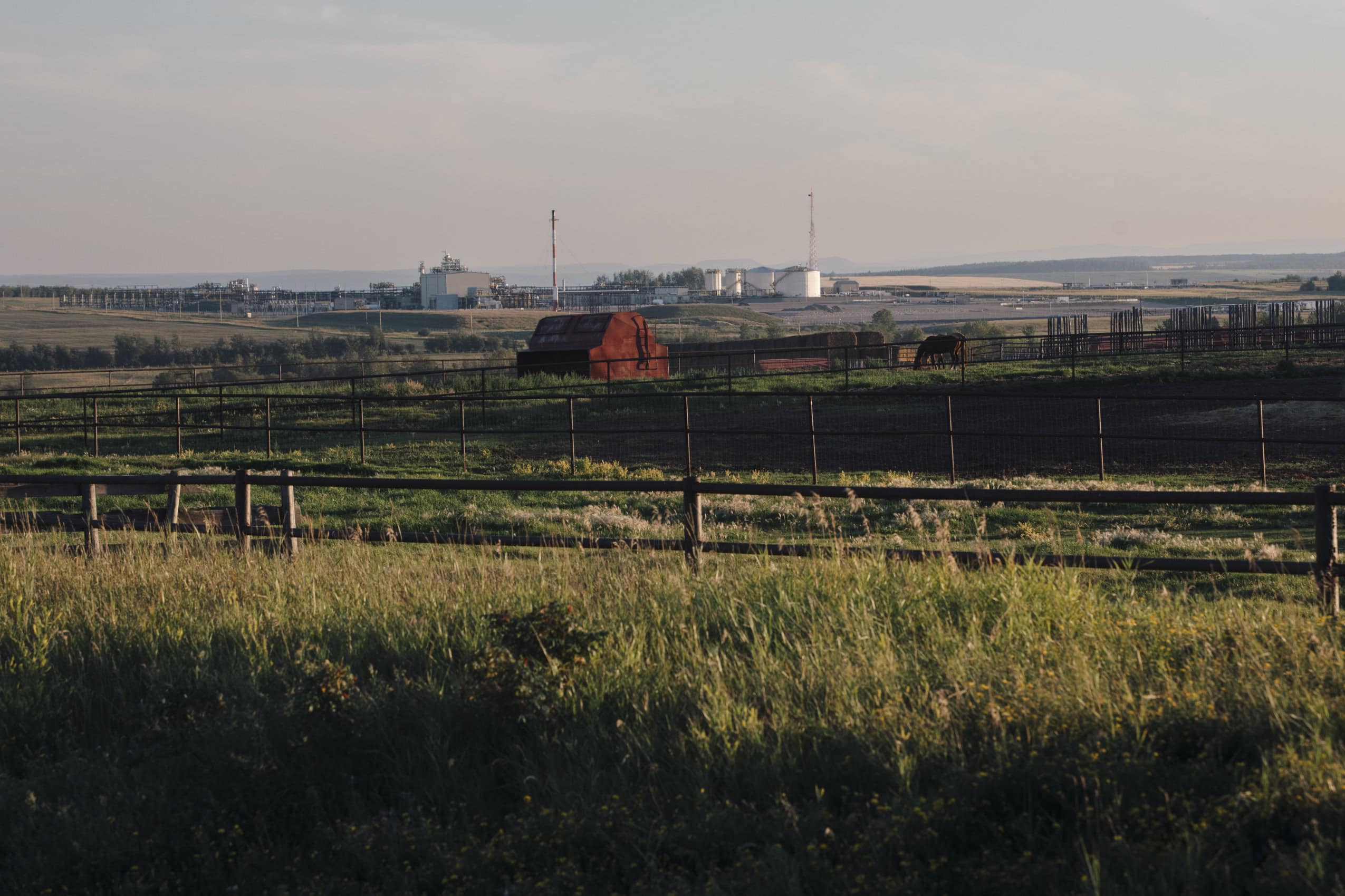
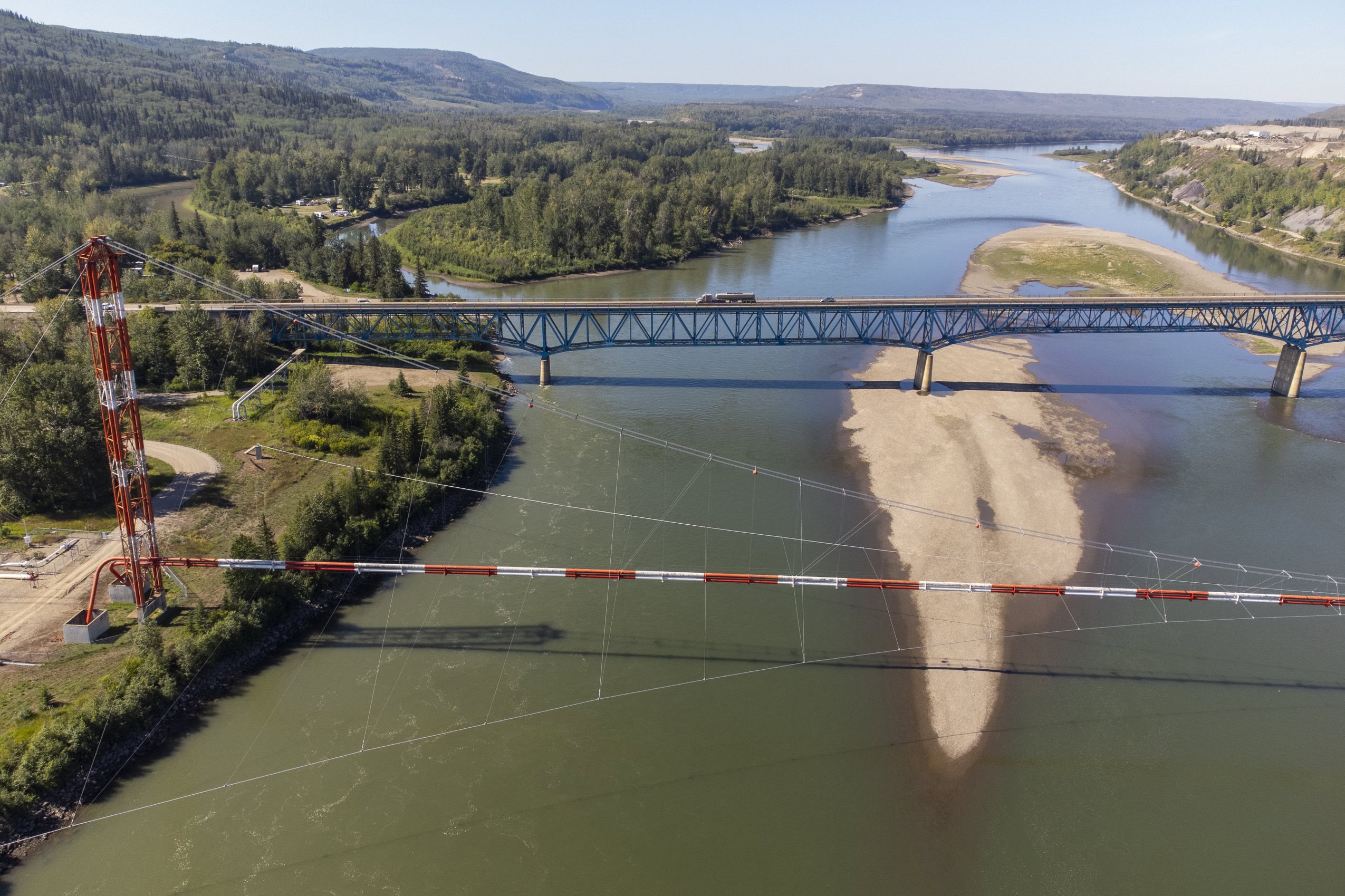
The majority of B.C.’s oil and gas operations are concentrated in the northeast, where agricultural fields are criss-crossed by pipelines and studded with well pads. Oil and gas is a way of life for many Peace Region residents but it also comes with downsides. Fracking operations use huge amounts of water to extract gas from the ground, a process that can also leak gas and chemicals into the air and water. The Canadian Association of Physicians for the Environment has called for the B.C. and federal governments to fund a health impact assessment of the LNG sector to assess links between the industry’s activities and “asthma, heart disease, birth defects, childhood leukemia, neurodevelopmental and neurodegenerative diseases like autism and Alzheimer’s.”
Beyond royalties, Biggs argues B.C. should also be seeking to recoup the cost of the industry’s environmental and potential health impacts.
“All of those costs get passed on to us if they are not paying,” he said. “Technically this gas belongs to British Columbia — it’s a Crown resource and we are licensing it to these extraction companies.”
Complaints about competitiveness ‘a smokescreen,’ advocate says
The new system the province is proposing would take into account the money companies invest in their B.C. operations, as well as the money those operations make, called a revenue minus cost system. This approach is “globally recognized for maximizing economic values,” according to a B.C. government website.
Adopting a revenue minus cost system would bring B.C. into alignment with other gas-producing places, including Alberta, notes Werner Antweiler, an economics professor at the University of British Columbia’s Sauder School of Business.
When the province began reviewing the royalty regime, the plan was to capture “50 per cent of profits after production costs are accounted for” — a pretty standard split in other jurisdictions, according to Antweiler.
“When you calculate revenue minus cost, revenue is pretty simple [because] you can see what the market pays,” Antweiler said. “The cost, that’s a different thing. … Anything that’s increasing costs will reduce profits and will lower the royalty. So one of the key questions that I have is to what extent are we calculating costs the same way as other jurisdictions?”
Depending on how costs are calculated, companies may pay only 30 or 40 per cent of their profits to governments in royalties, Antweiler said.
As for BC Conservative Labour critic Giddens’ warning about companies moving to Alberta, Biggs said those warnings are “a smoke screen from the industry.” He noted gas companies have been investing in B.C. for years — a trend partly sparked when Alberta implemented a new royalty regime in 2016.
“I don’t see a way that they can walk away from those at this point,” he said. “It would be a huge write-down. Alberta could produce more gas — hypothetically, but not really enough to meet the kind of demand we’re talking about.”
However, Biggs worries that governments remain susceptible to threats that an entire industry will “pack up and leave town and blame the administration for the lack of investment.”
“It works very well on them every time,” he said.
Years ago, when B.C. was working to lure gas companies to set up shop in the province, offering competitive royalty rates was a key advantage, Antweiler said.
“As the industry has matured, there’s really no reason to continue treating them better than their peers in Alberta.”
‘No decision has been made yet’ on B.C.’s new natural gas royalty regime
Industry priorities have already prompted the government to back down on a couple of proposed royalty scenarios, as Dix’s April letter shows.
“The province will not be advancing the Transition-Plus or Enhanced Return royalty curve scenarios further,” Dix wrote in the letter. “We acknowledge the concerns raised about the magnitude of change associated with those scenarios and the uncertainty they could introduce at this stage. Any further scenarios will consider your feedback as we work to align with the objectives of the new royalty framework.”
The Energy Ministry did not respond to The Narwhal’s questions about the letter, including a request for a description of the Transition-Plus and Enhanced Return scenarios.
Antweiler noted the two scenarios are similar to interim royalty rates outlined in 2022 under which companies pay higher royalties when gas prices are high and lower rates kick in when prices drop. The revenue minus cost system is simpler, he said, and could still give B.C. a good rate of return, depending on how it is designed
“It makes sense to me to move away from just an update of the existing system and to something that’s really robust and economically cohesive,” he said. “That’s exactly what other jurisdictions — like Alberta — are doing.”
Antweiler hasn’t seen the specific rate scenarios the province has been discussing with industry stakeholders. Those are covered by non-disclosure agreements, as Giddens pointed out to reporters.
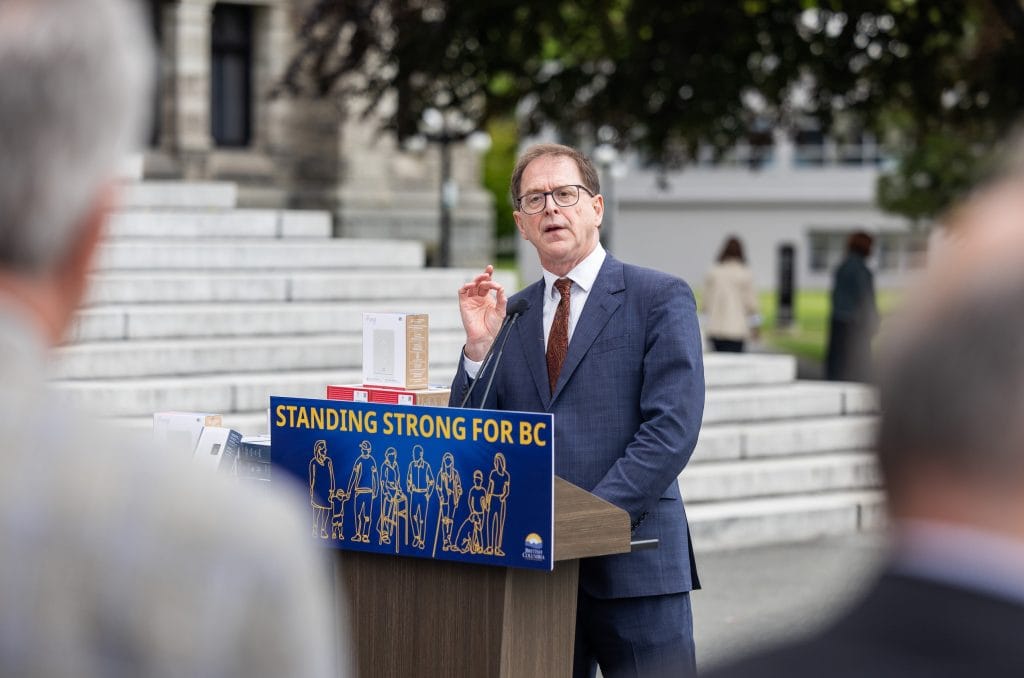
Dix said non-disclosure agreements, known as NDAs, are a standard part of government consultations with both First Nations and industry stakeholders.
“The energy companies provide information to us about the impact of different possible royalty regimes and differences that are obviously commercially sensitive, so that’s done under NDA,” Dix said. “We put forward different proposals and asked them to comment on different potential proposals, just to see what the impact is on different companies.”
“I think that’s really irresponsible,” the Green Party’s Valeriote said of the government’s apparent concession on the two royalty scenarios. “I think we should be extracting the most value for the B.C. public out of these public resources, and caving into lobbyists and others who want to make it easier to make big profits, it’s just not good public policy.”
“No decision has been made,” Dix said when asked about the letter in the legislature on May 28.
“A lot of work has gone into the process and now we’re in the consultation stage,” he added. “This included extensive consultation with Treaty 8 First Nations and with energy companies.”
The minister told reporters he hopes to have a final decision on the new natural gas royalties later in June.