
 18 min. read
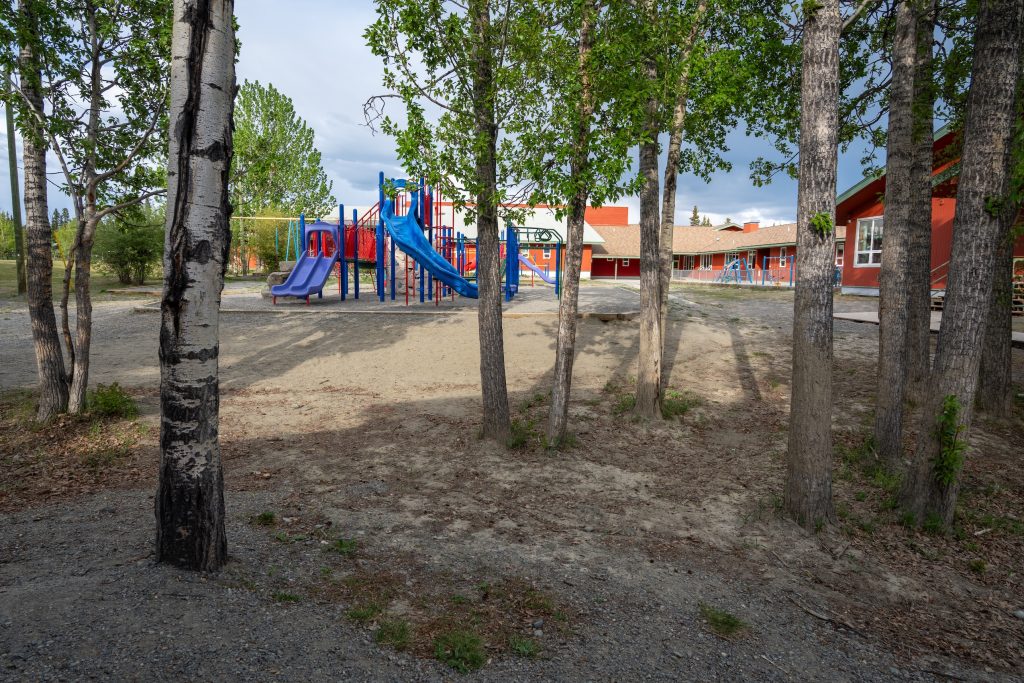
At recess, Abby Burtnick watches her Grade 4 and 5 students play in the schoolyard that borders an aspen and spruce forest in the Village of Haines Junction, Yukon.
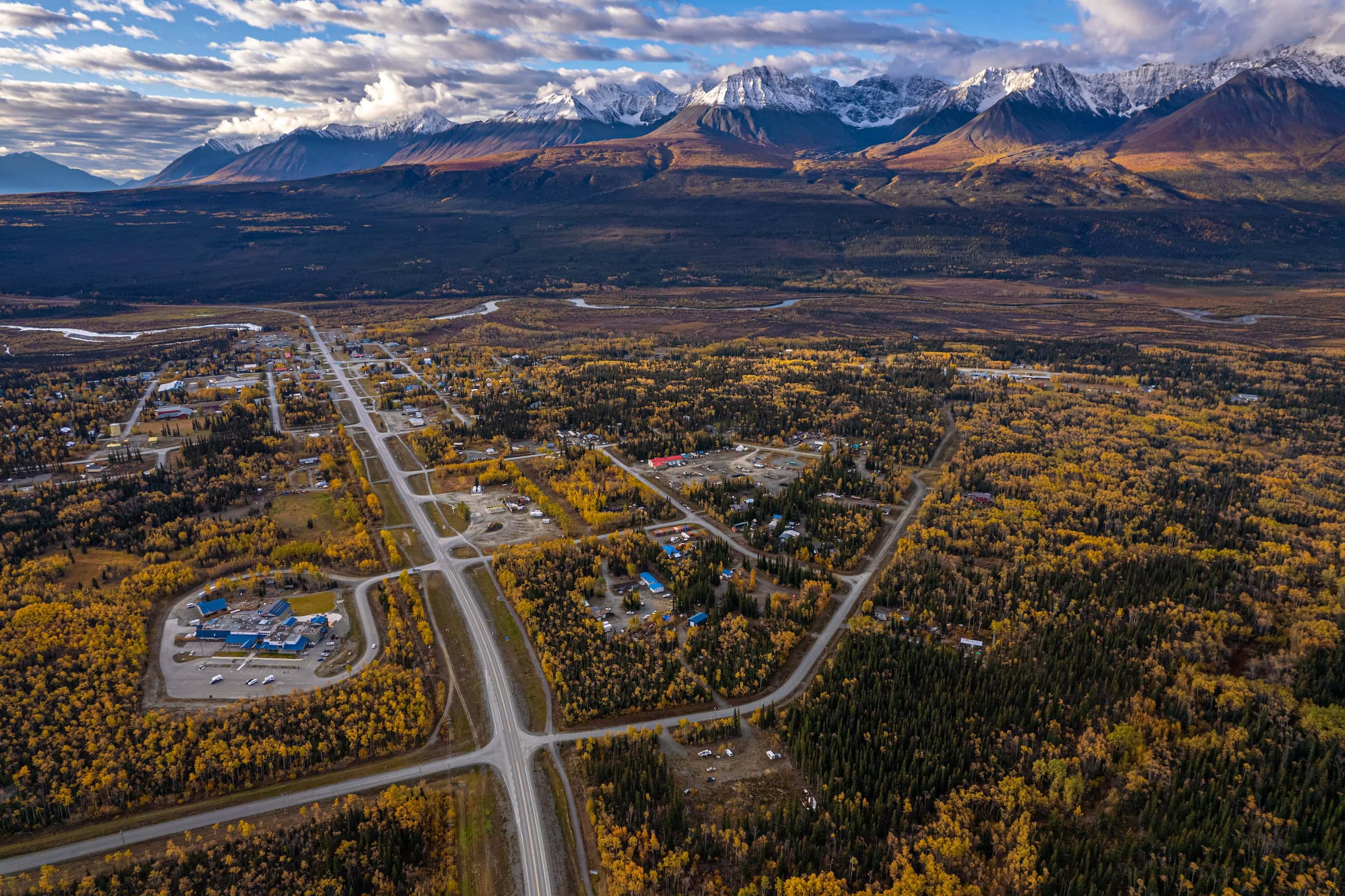
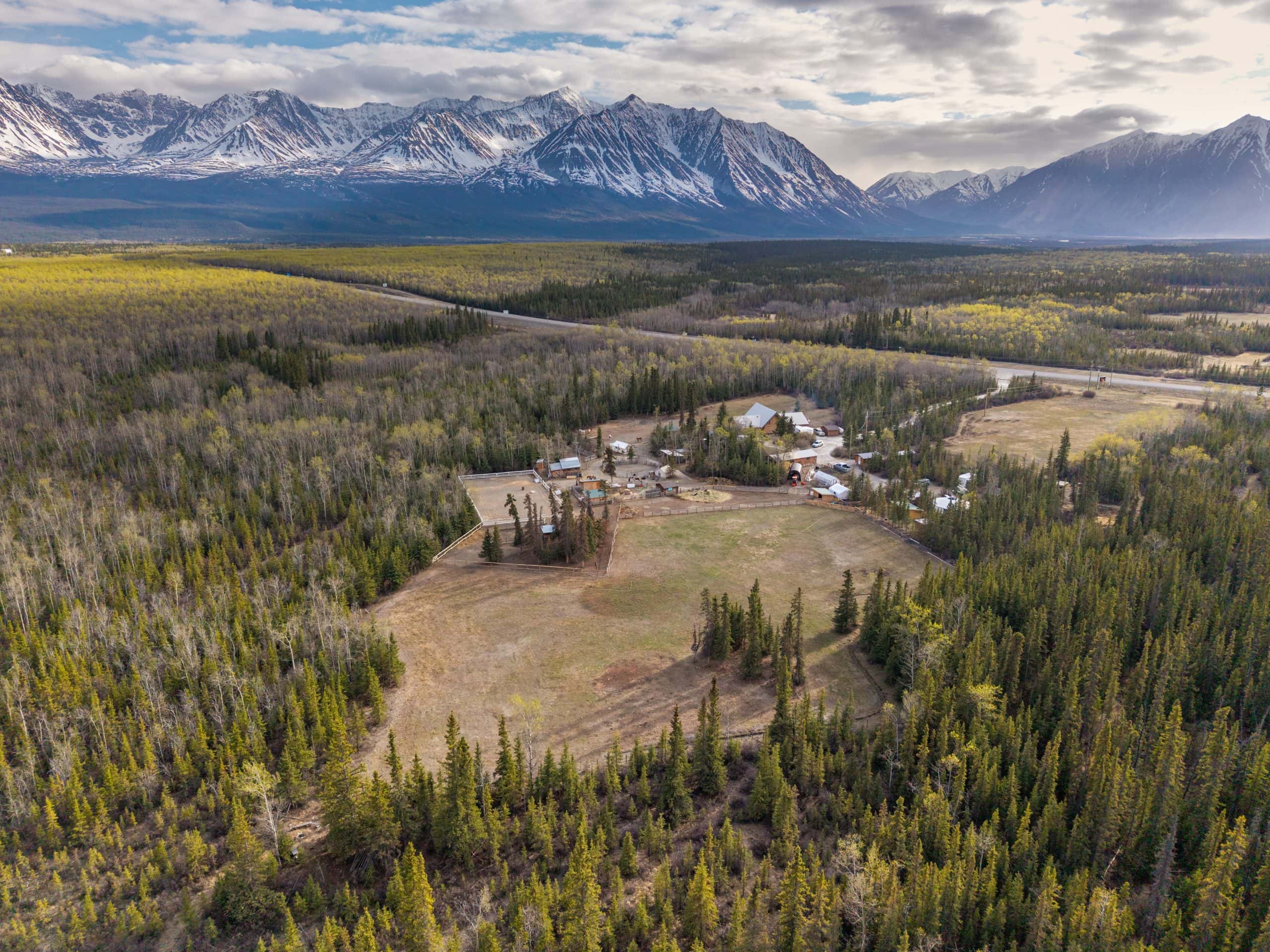
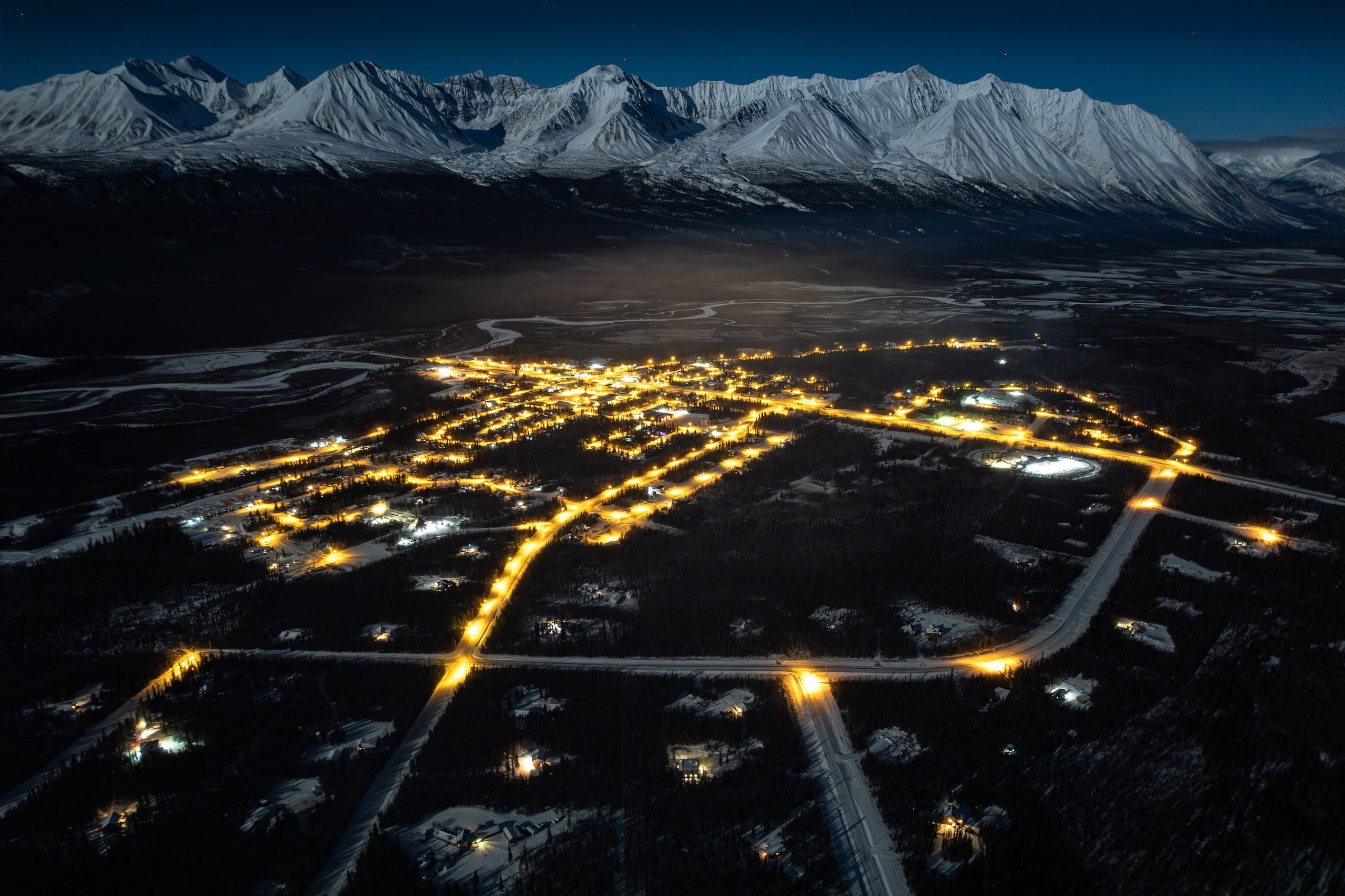
Known as Dakwäkäda by the Champagne and Aishihik First Nations, meaning “high cache” in Southern Tutchone, the valley is hemmed in by the glacier-capped mountains of neighbouring Kluane National Park and Reserve.
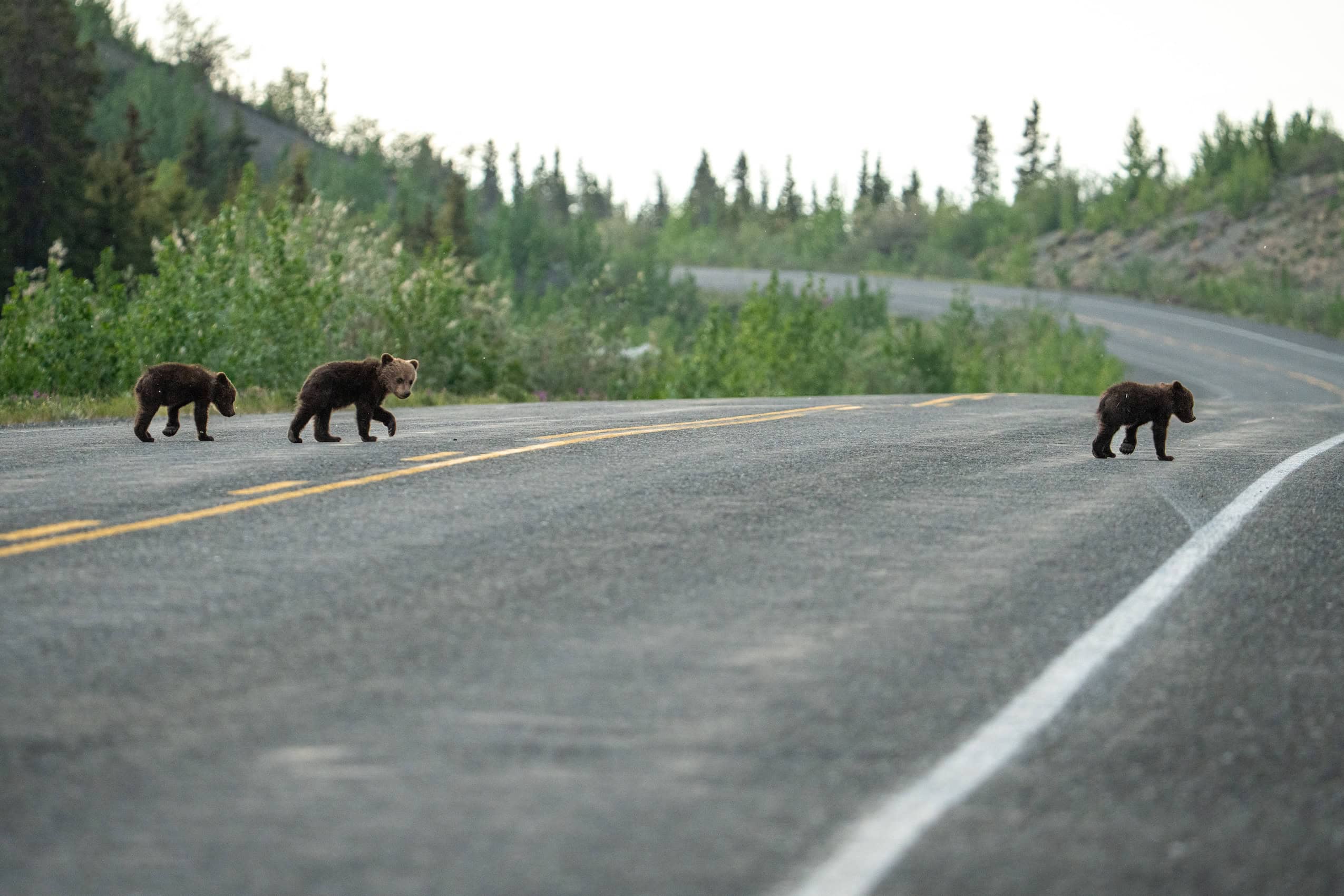
Burtnick’s students “check in,” scanning the bush as they play. From an early age, kids in Haines Junction are taught to confirm there are no grizzly bears or black bears around. Growing up in one of the densest grizzly bear corridors in Yukon — with a range of 14 to 40 grizzly bears per 1,000 square kilometres — kids learn young about the “things you should do in bear country and the things you shouldn’t do,” Burtnick says.
Most kids are unfazed when conservation officers call the school because there’s a bear in the area. When the rules are respected, grizzlies “don’t really cause issues,” Burtnick says. “They just exist.”
In 2024, not one but six grizzly bears were spotted along the five-kilometre trail of the school’s annual cross-country race that loops through a forested ravine. Conservation officers and wildland firefighters fanned out along the race route to ensure that the bears stayed off the trail. Burtnick was at the start-line, holding back 200 students, when she overheard a radio call about a grizzly on the race trail, followed by an update of two grizzlies mating.
The school delayed the race for an hour to give the grizzlies space to breed and move on. It’s the kind of thing that “only happens in the movies,” Burtnick says with a laugh. Or, in Haines Junction.
Communities in B.C. and Alberta are reporting higher rates of human-grizzly interactions and conflict — due, in part, to climate change, shifting food availability and habitat loss, along with more people living and recreating on the landscape. There are reactions ranging from fear to outright intolerance from communities who aren’t accustomed to sharing space with one of Canada’s largest apex predator species. Recently, authorities confirmed that two male subadult grizzly bears had been illegally shot along a highway near Sundre, Alta.
Meanwhile, the Village of Haines Junction has quietly coexisted with grizzly bears for decades. For First Nations people, millennia.
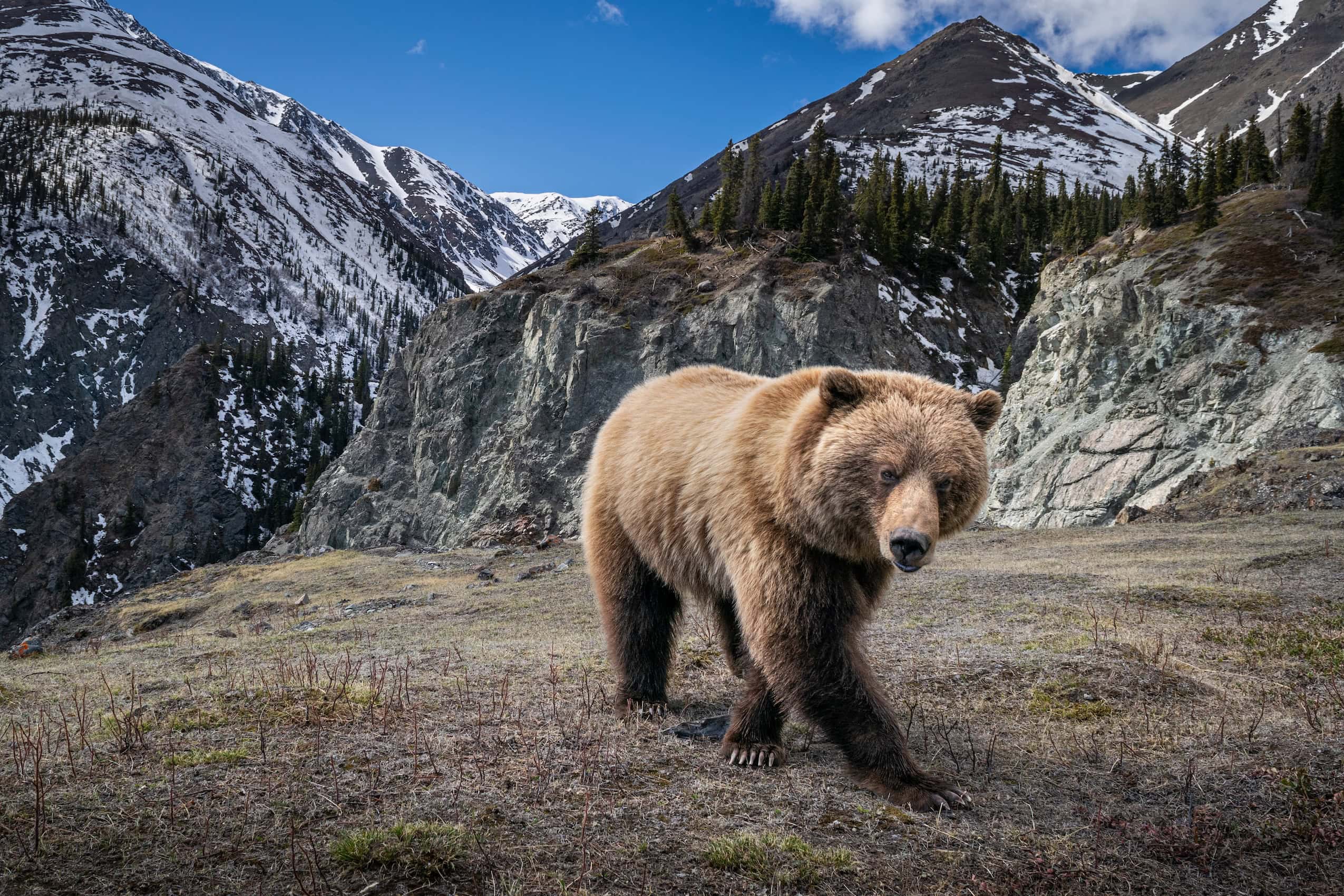
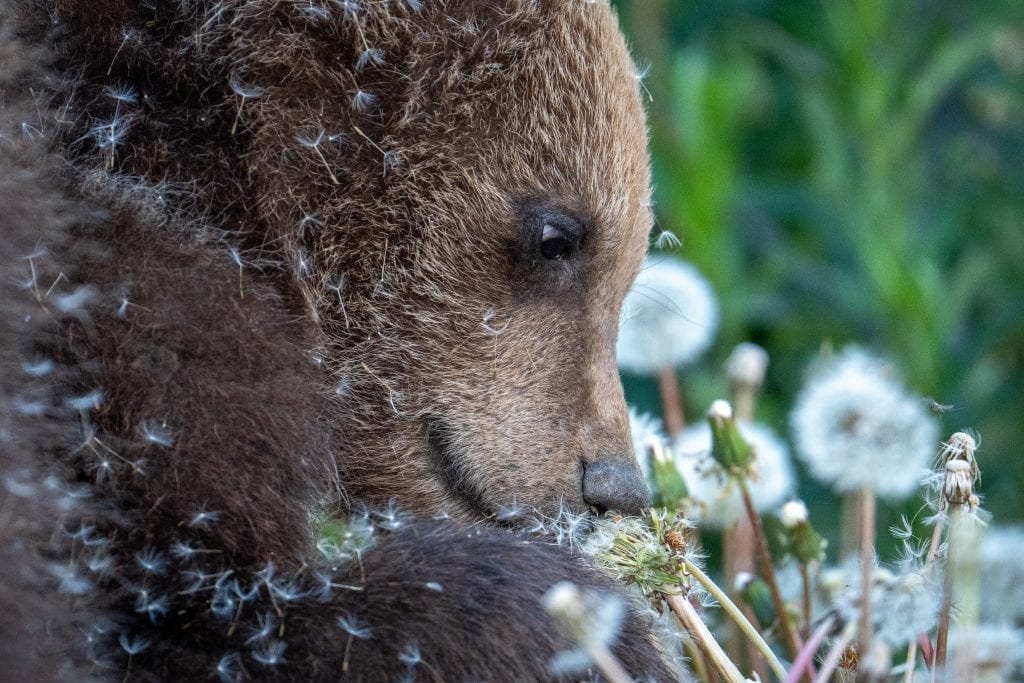
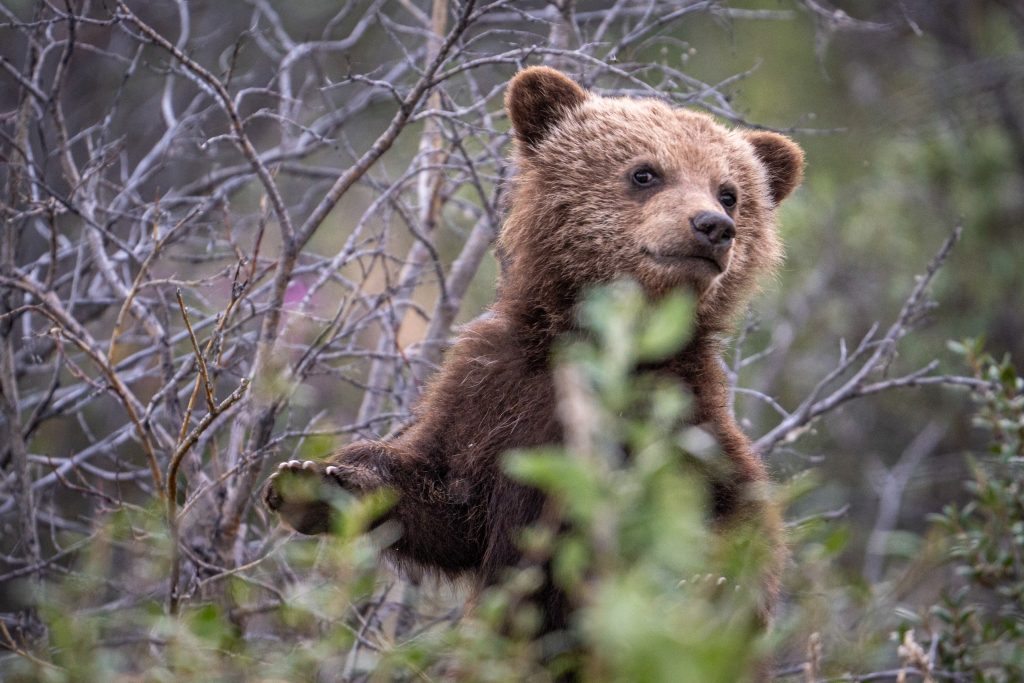
Here, people are proud — and even protective, Burtnick says — of the grizzly bears who den in the mountains and wander down to gorge on plants and berries in the valley below.
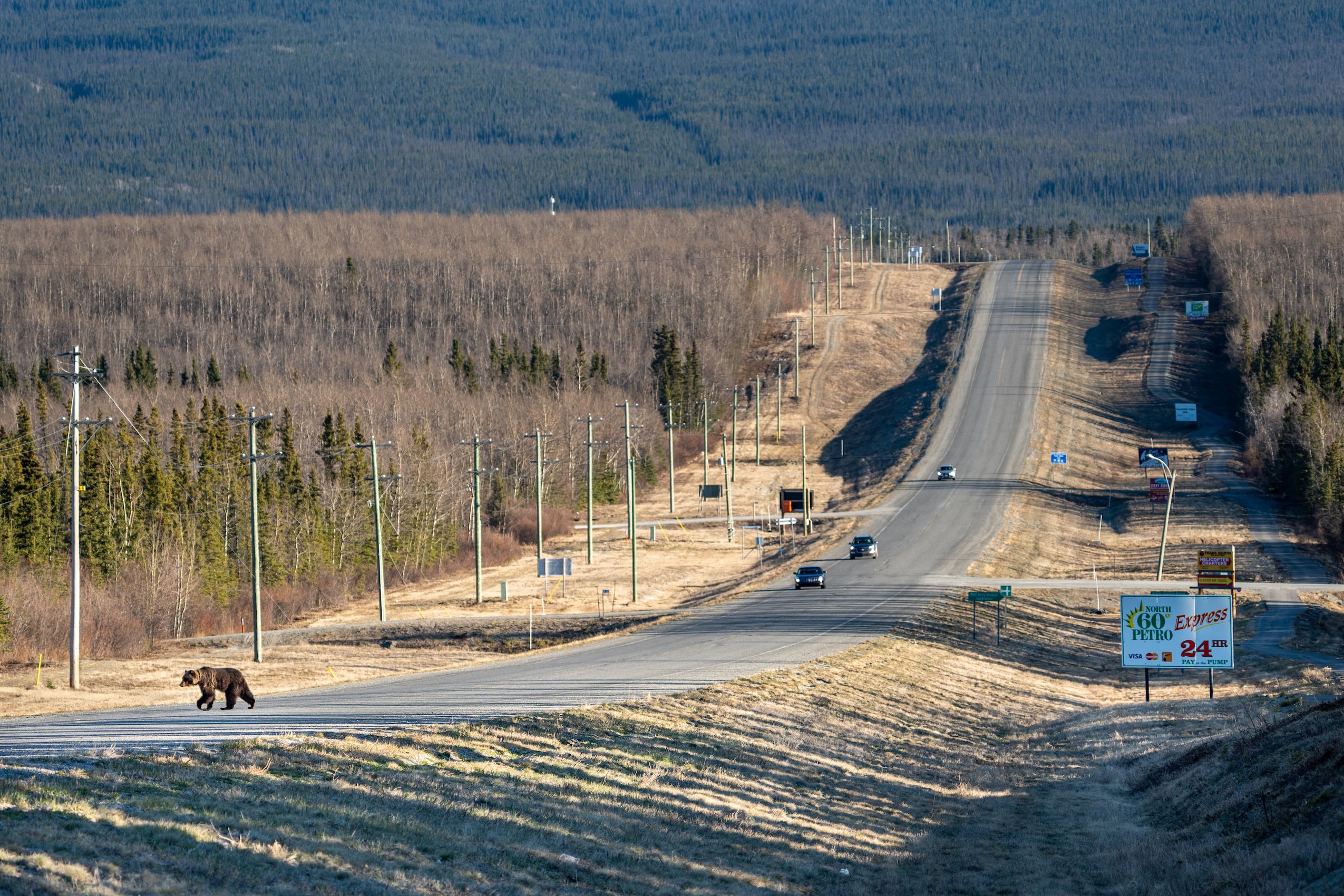
Grizzly bears in Haines Junction aren’t sold as a tourist commodity in the same way they are in other Canadian towns that overlap with bears — like Banff, Alta., or Churchill, Man. — and residents say they prefer it this way. They don’t want the “bear jams” that crowd highways down south and can lead to grizzlies being killed by vehicle traffic, Burtnick says.
So how does this small mountain community in southwest Yukon make it work?
‘This is their land’
When John Fingland meets a grizzly bear on a trail, he heeds advice from Elders. He speaks calmly to the bear, addressing him as “Ä́’sía,” the Southern Tutchone word for “grandfather.”
“Bears are very spiritual to us. We treat them like human beings,” Fingland, a member of the Champagne and Aishihik First Nations, says.
Fingland works as a guide and storyteller at the Da Kų Cultural Centre, which showcases his First Nation’s history and culture in Haines Junction. The village was established in 1942 with the construction of the Alaska Highway, which carves east and west through the valley. But the Champagne and Aishihik First Nations, along with the Kluane First Nation and White River First Nation, hunted, fished and travelled through the region for millennia before that.
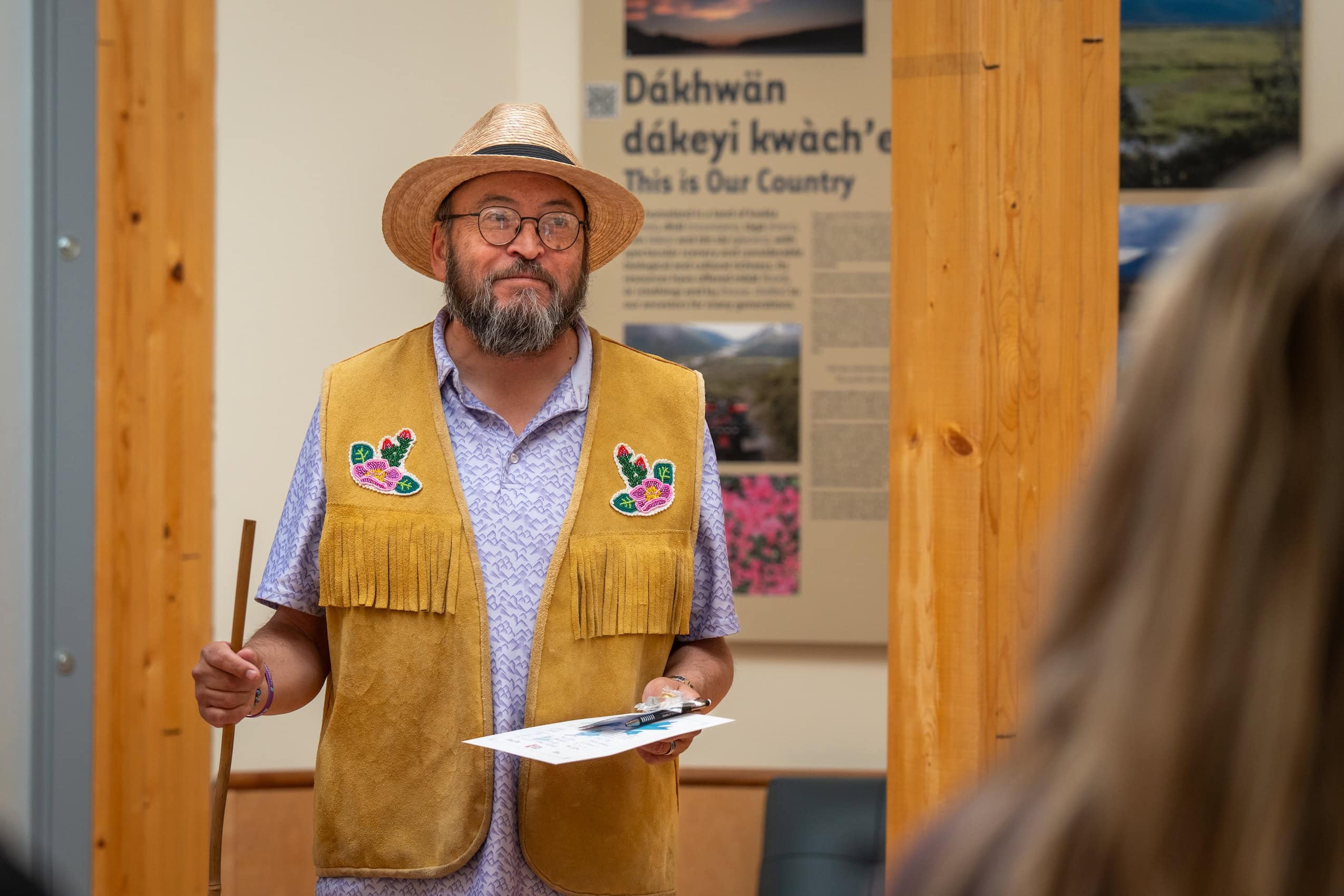
There’s a kind of code of conduct that develops when you’ve lived so closely with grizzlies for 10,000 years. Fingland doesn’t speak badly or make jokes about bears. He even steps around piles of scat. Stepping over would be considered disrespectful — a show of dominance, he explains.
“We have a very strong belief that this is their land,” Fingland says. But not everyone has the same relationship with bears — or even a relationship at all. Especially tourists. Every summer, upwards of 40,000 people flow through Haines Junction on their way to Kluane National Park — home to the majority of Canada’s tallest mountains — to camp, paddle on Kluane Lake or hike to the Kaskawulsh Glacier.
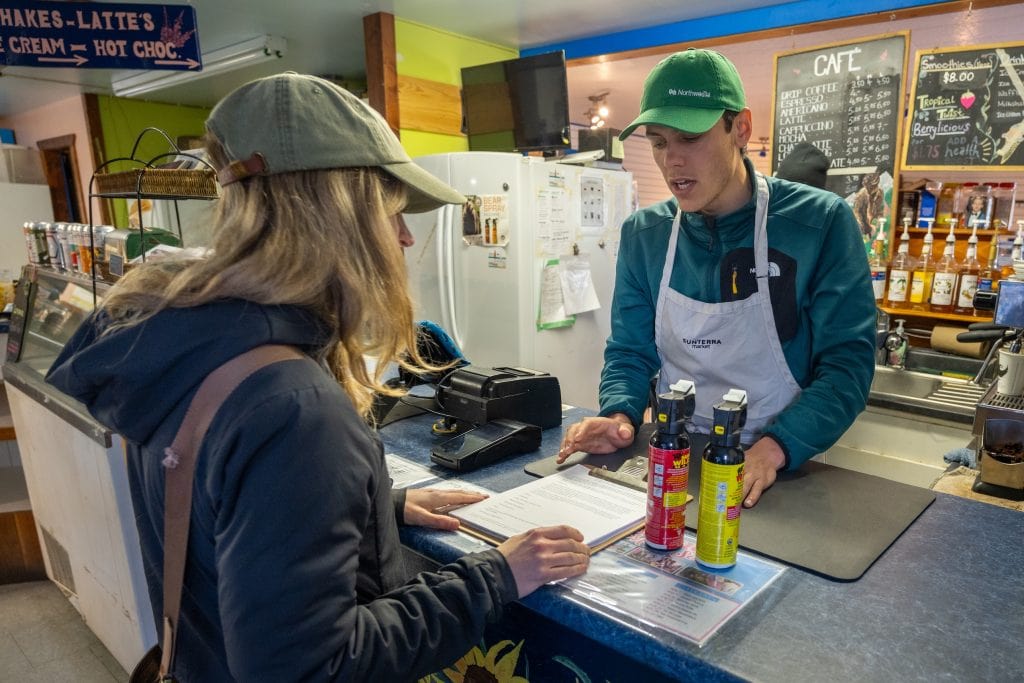
At the village welcome centre, visitors are directed to the local bakery to buy or rent cans of bear spray. Bear spray contains capsaicin, the chemical compound that gives chili peppers their burning heat, and is considered highly effective at deterring aggressive bear behaviour. A study of 83 incidents of bear spray use from 1985 to 2006 showed 98 per cent of people who carried bear spray in close-range incidents were uninjured. Outside the bakery, there’s a sign with a QR code that links to online instructions for using bear spray. Inside, baristas whip up lattes, and offer essential tips to tourists: Do not spray into the wind.
Some residents carry it, too, even if they’re just out for a stroll. Marguerite Richard, who’s lived in Haines Junction since 1988, says she doesn’t need to see bears to know that they’re around. That’s not to say she’s “bearanoid,” she adds, but rather “situationally aware.”
While walking, or trail running, Richard doesn’t wear ear buds. She stays alert. In town, Richard sometimes finds grizzly tracks or piles of scat. She’ll even take a closer look to get a read on how recently the bear was around, and what it was feeding on.
“Coexistence is like a recipe, but it isn’t a teaspoon of this or that,” Richard says. It’s about risk assessment and modifying her own behaviours based on the season, or the bears she encounters.
Richard relies on reports from neighbours and a community-run Facebook page, where a typical photo post might include the caption, “Grizzly out between the airport road and Pine Lake, don’t use the trail!”
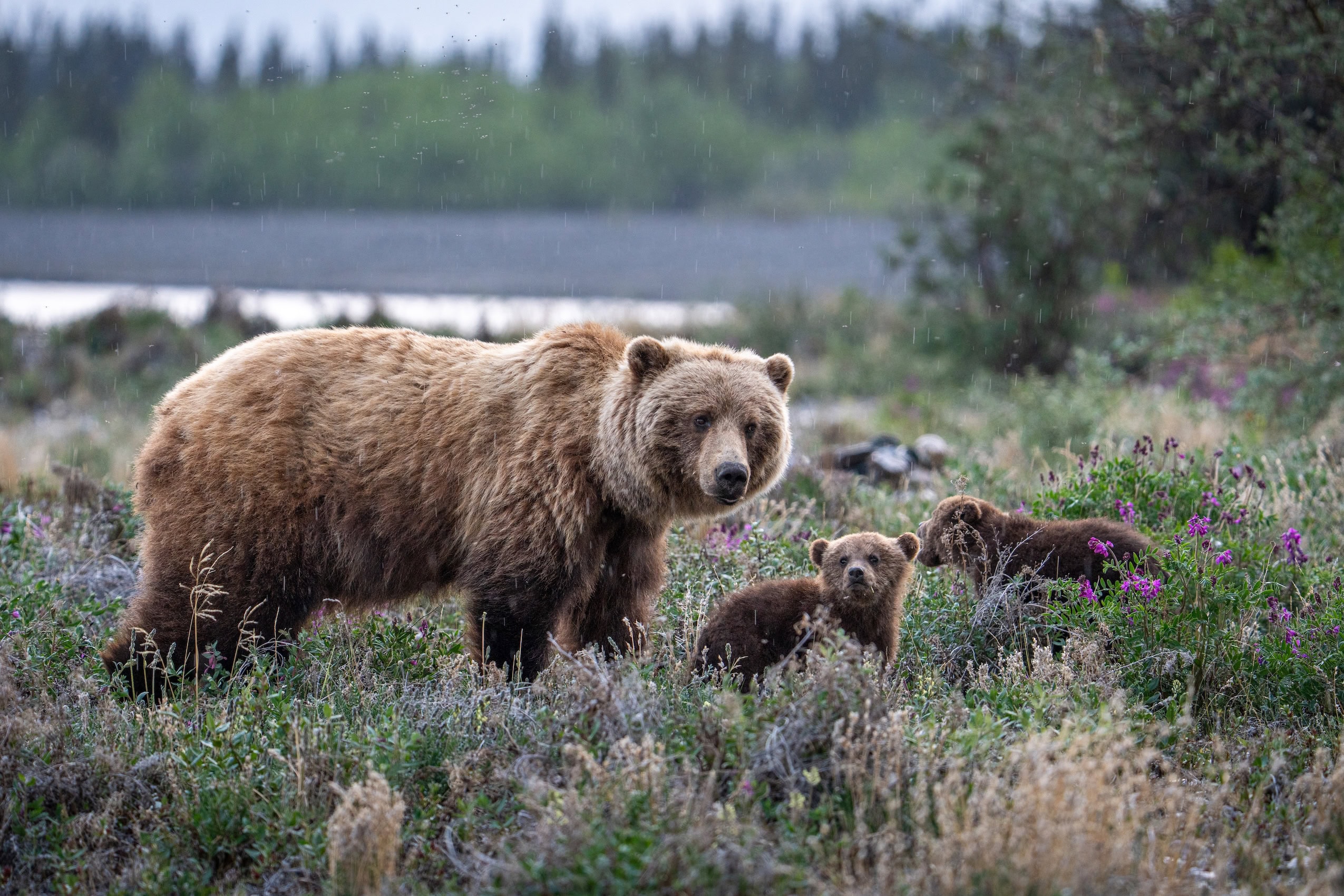
The valley is a smorgasbord for bears. In early spring, grizzlies feed on green grass, dandelions and alpine sweetvetch, known aptly as “bear root,” along the highway. If they get the chance, they’ll prey on moose, sheep or caribou calves, along with smaller mammals like ground squirrels. Berries ripen through the summer into early fall as grizzlies undergo a metabolic state called hyperphagia, an extreme desire to pack on the calories.
It’s when bears are given a chance to habituate to anthropogenic food sources — including garbage, livestock, meat caches or domestic fruit bushes, that trouble comes knocking on people’s doors in Haines Junction. “That’s a really dangerous situation for everybody and that bear is going to die,” Richard says, point-blank.
That’s one law of living with grizzlies that everyone in Haines Junction seems to understand is non-negotiable: a fed bear is a dead bear.
Prevention better than the alternatives
Perhaps no one knows grizzly bears better in Haines Junction than the conservation officers tasked with managing them. Fortunately, according to Russel Oborne, a conservation officer with the Yukon government, responding to a case of food-conditioned grizzlies is a rare occurrence in Haines Junction.
For 26 years, Oborne has lived and worked in various Yukon communities. Nineteen of those years he’s spent in Haines Junction. While every local community is unique in their cultural approach to living with wildlife, he says Haines Junction is one of the most tolerant of coexisting with grizzly bears.
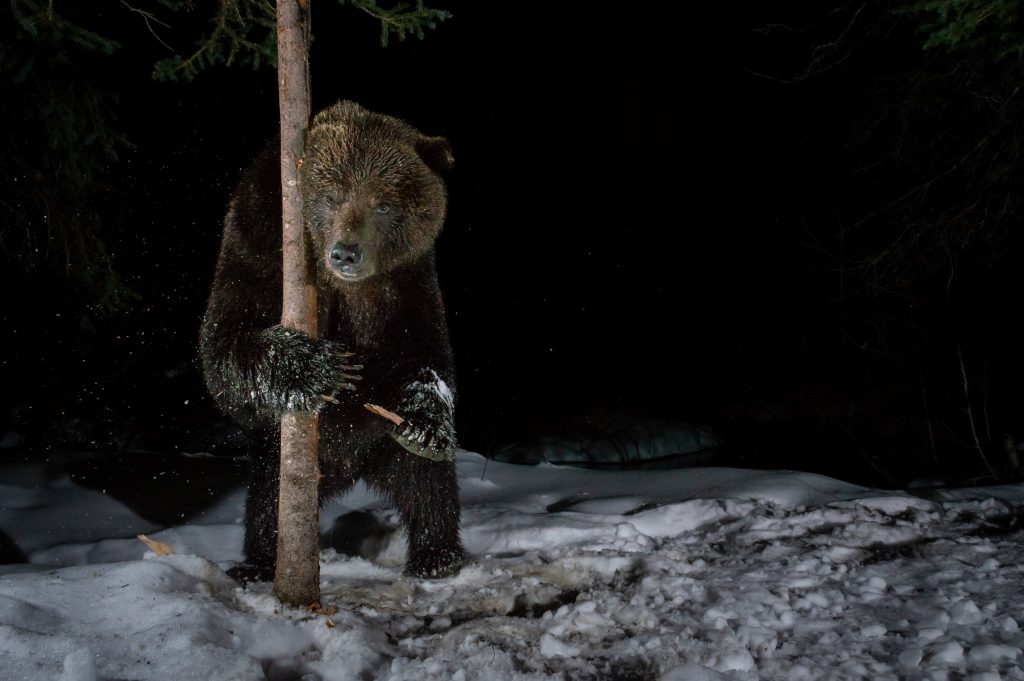
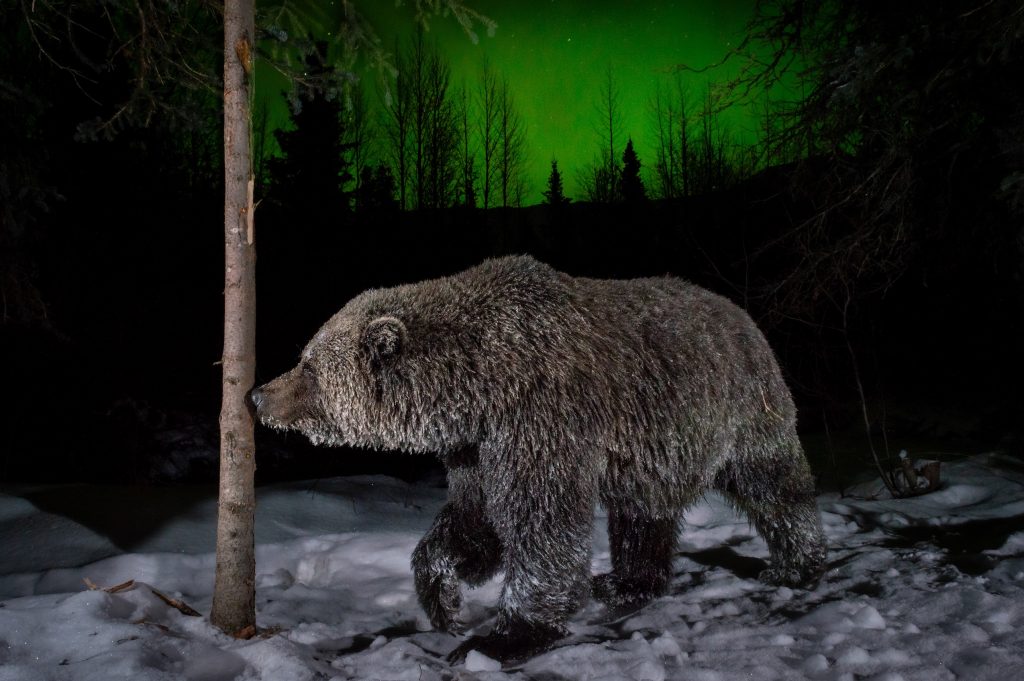
“People are very aware that they can’t have standing garbage on their properties,” Oborne says. “They really understand what you need to do to keep the community safe and keep the bears safe.”
He points to cooperation between the Village of Haines Junction, Yukon government, First Nations governments and Parks Canada to prevent food habituation. They’ve identified areas for potential risk, including a new bike park for youth, where they plan to uproot female soapberry plants — only the female plants produce fruit — this summer.
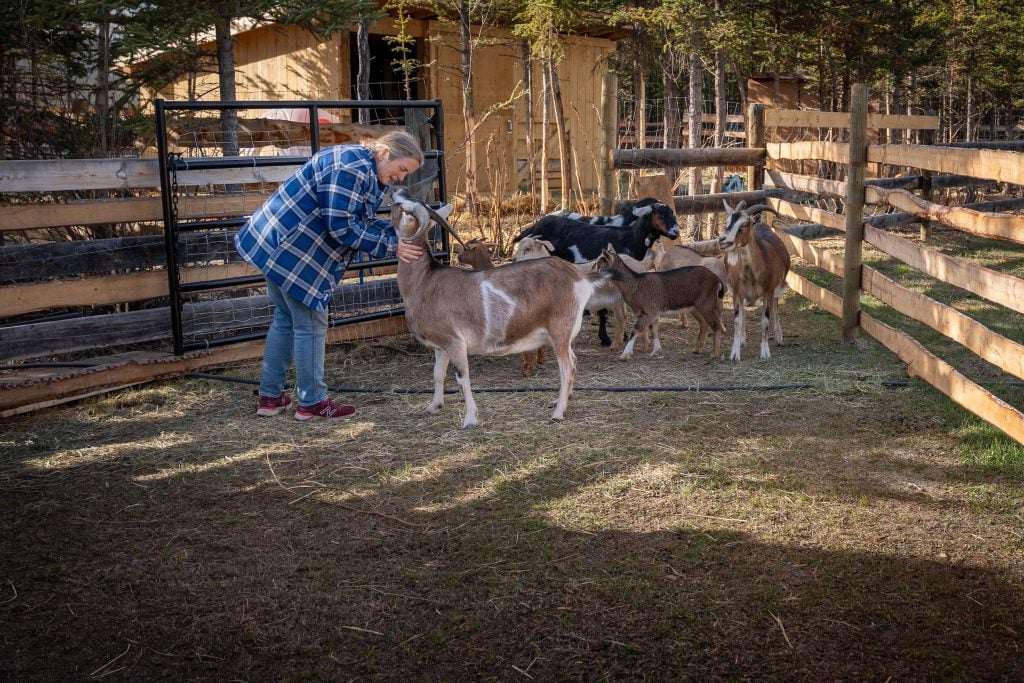
While agriculture and ranch lands can be “ecological traps” for carnivores, Oborne says the number of farm-related conflicts in Haines Junction are very low. Nataschaa Chatterton lives adjacent to a grizzly bear hot spot along the Alaska Highway, and raises goats, horses and dairy cows, along with free-range chickens. “We’ve never felt any threat,” she says.
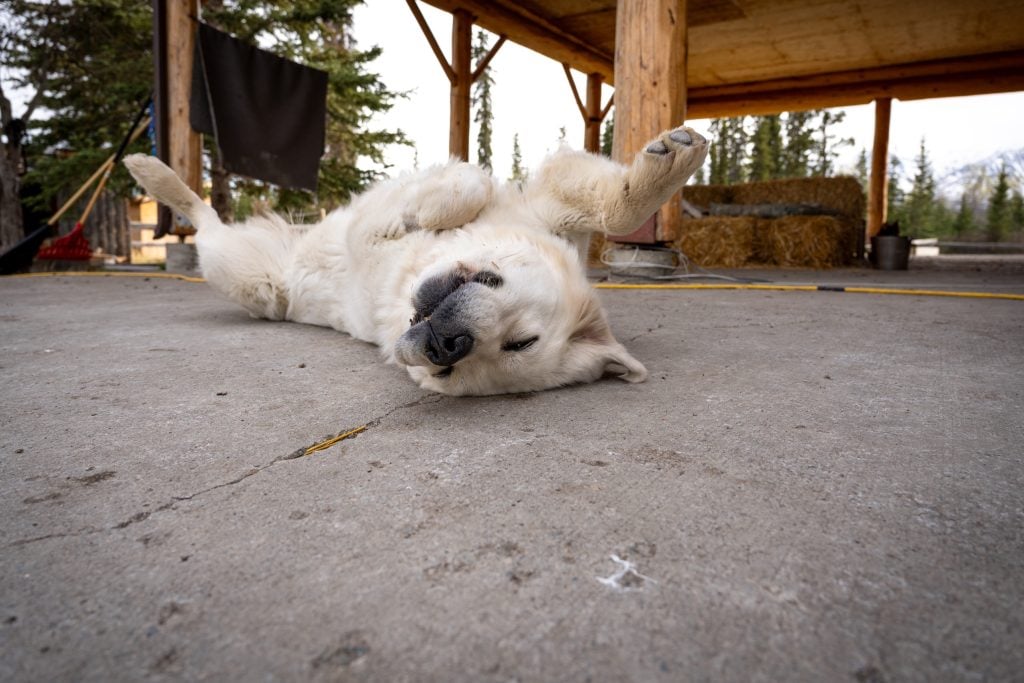
Occasionally, she’ll find bear scat along the perimeter of the property. But she’s never had a negative interaction with a grizzly bear. She credits her two land guardian dogs, Pyrenees mixes, for keeping the bears at bay. “I know when there’s a bear around because their bark has a different tone,” she says. “It goes to a deeper tone — it’s a bigger sound.”
Licensed hunters can legally harvest one grizzly bear every three years in the Yukon, however females with cubs are off limits and roadside hunting is prohibited in some areas. In a recent government survey of 700 resident hunters, nearly half indicated that they’d only harvest a grizzly bear in a conflict situation. The majority of hunters reported efforts to mitigate such a scenario with a grizzly, including that after a successful hunt, they’d take the meat only and leave behind the gut-pile — the latter which is strong-smelling and a major bear attractant.
Yukon Conservation, along with Champagne and Aishihik First Nations and Kluane First Nation, have mobile electric fencing units that hunters can temporarily use while they process the meat, Oborne says.
“People will hang a moose for about a week before they cut it up,” he says. “Of course, it’s just this delicious-smelling dead moose to a grizzly bear.”
There have been incidents in the past with grizzlies hanging around unfenced meat caches. Oborne advises people to process and get the meat into freezers, as quickly as possible, and remove bones and other attractants. “Usually, that solves the problem,” he says.
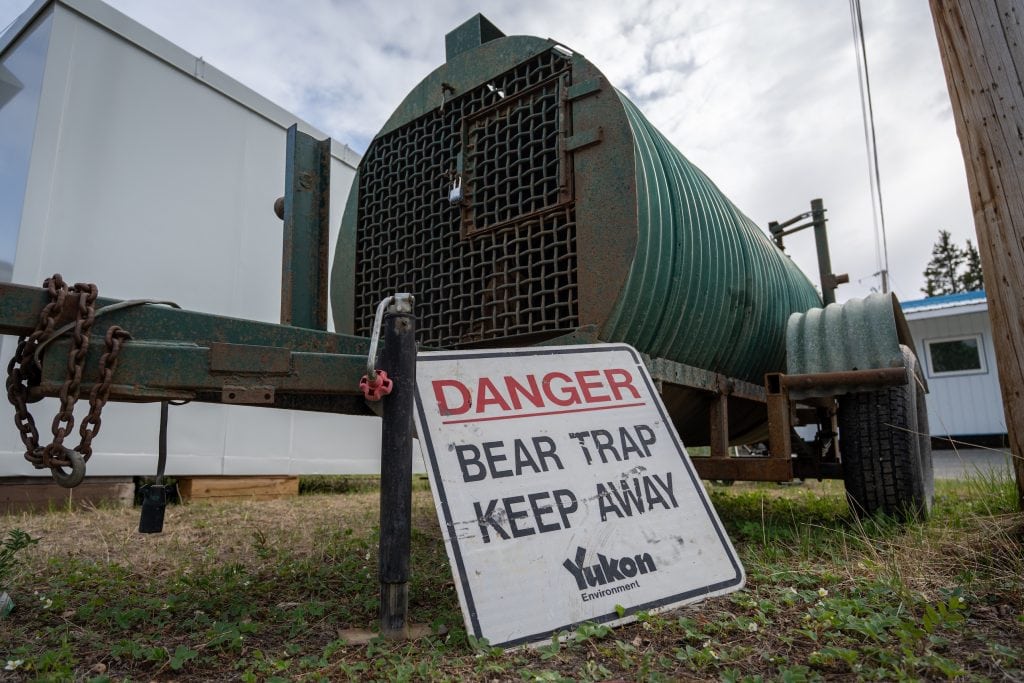
If it doesn’t, Oborne adds, there are protocols in place to capture and relocate bears — if they haven’t shown aggression towards people. Worst-case scenario, and an outcome that nobody wants, Oborne says, they euthanize. “It’s a really hard cycle to break with the bears once they’re into attractants.”
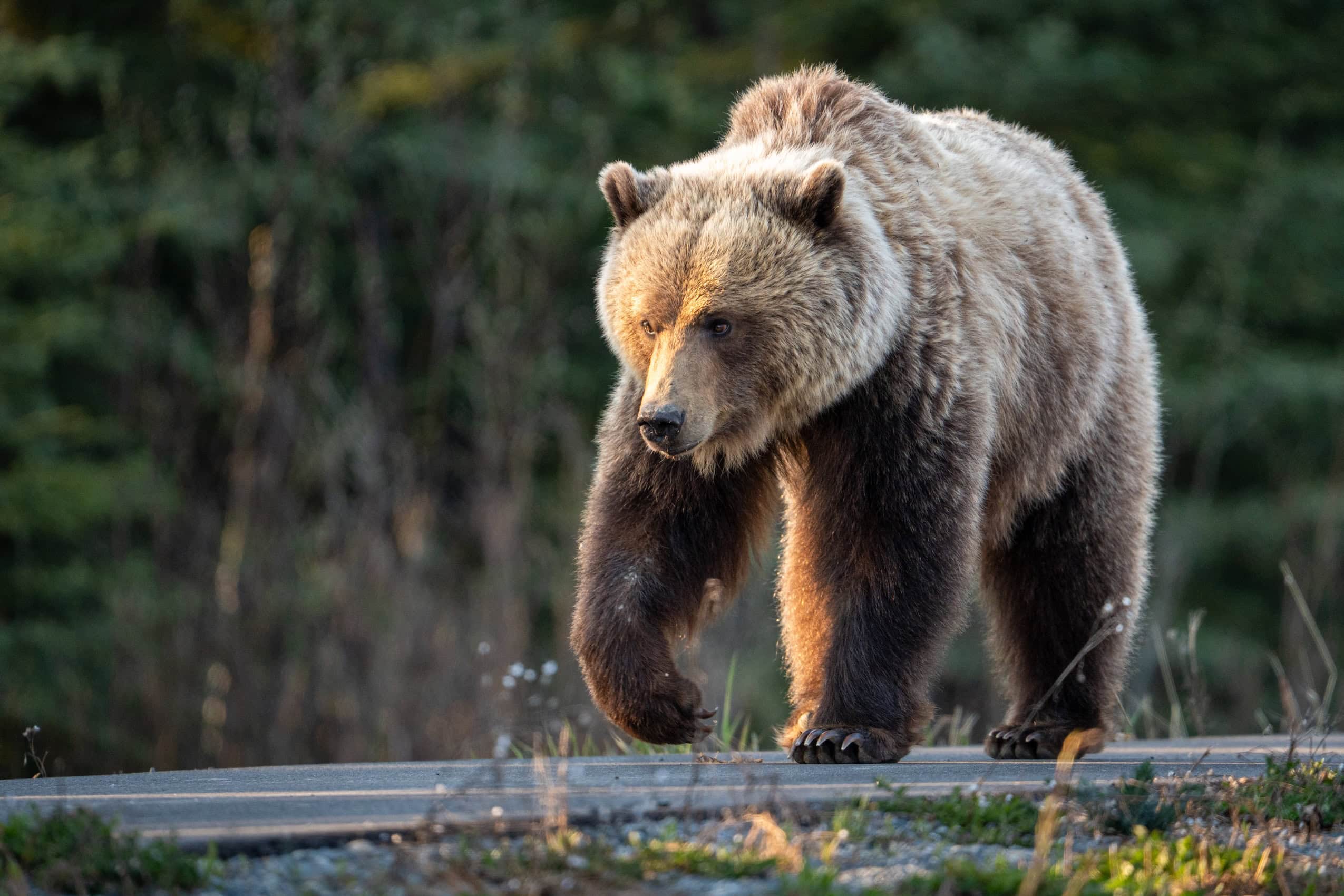
While relocation is often perceived by the public as a “good news story,” Oborne says, most conservation officers know that there’s a high probability of the grizzly wandering back, especially if it’s a male. Even if it’s been moved 300 kilometres or more from the original location. Sometimes bears return in worse body condition, even more motivated to find food.
Relocation and euthanization are a last resort, Oborne says. He encourages residents to prevent food conditioning from occurring in the first place by keeping a clean property, or camp. “The proactive is way better than the reactive course of action,” he says.
Practical steps Haines Junction has taken to support grizzly bear coexistence
A gang of glossy black ravens perch on a small mountain of garbage at the Haines Junction landfill.
Beyond the heaps of trash, you can make out a five-foot-tall fence — consisting of seven steel wires — running around the entire perimeter of the dump. A current of 10,000 volts runs through those wires: one touch to a curious bear’s snout, and ZAP! It’s an effective way to teach a bear you’re not welcome here without harming it.
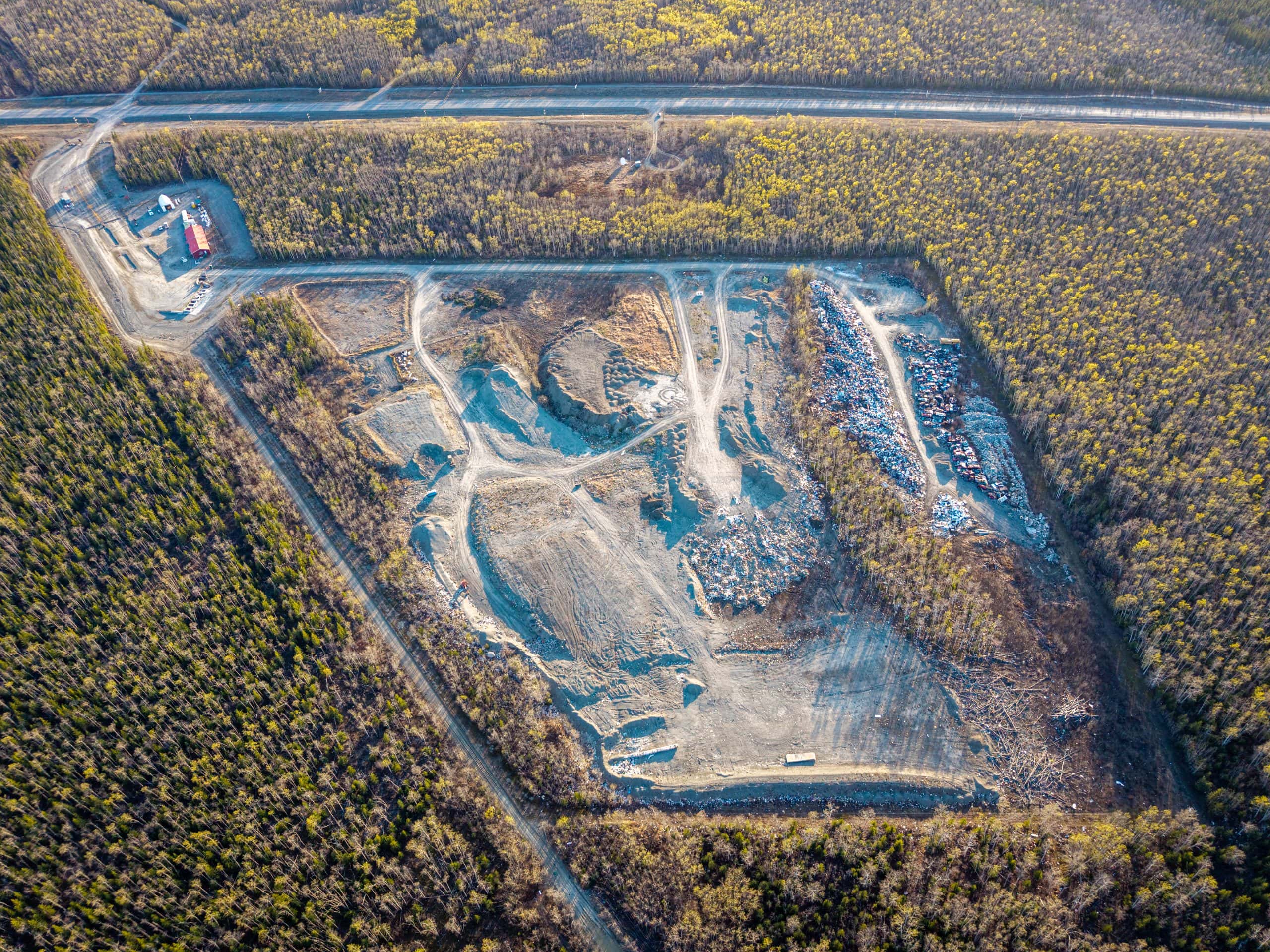
In 1992, Haines Junction became the first Yukon community to electrify its garbage dump, Dan Drummond says. Drummond, a retired conservation officer who worked here from 1986 to 2007, says previously “all the dumps were open to all wildlife.” Black bears frequented the dump during the summer, while grizzly bears — most often big males who wandered over from Kluane — tended to dominate in early to late fall. Locals and tourists also used to flock there to take photographs. The combination of attractants and attention led bears to become dangerously habituated to people.
“Human waste was available to bears at the bear’s discretion,” Drummond says. “Bears died at an unreasonable rate because of their proximity to people and people’s garbage.”
Drummond was a part of the village’s effort to secure funding and install a trial 300-metre electric fence around the pit. It was part of a broader North America-wide movement from the late 1970s to early 1990s to improve bear management practices around garbage dumps in high-density wildlife areas.
The fence was immediately effective, Drummond says. One zap and the bears got the point.
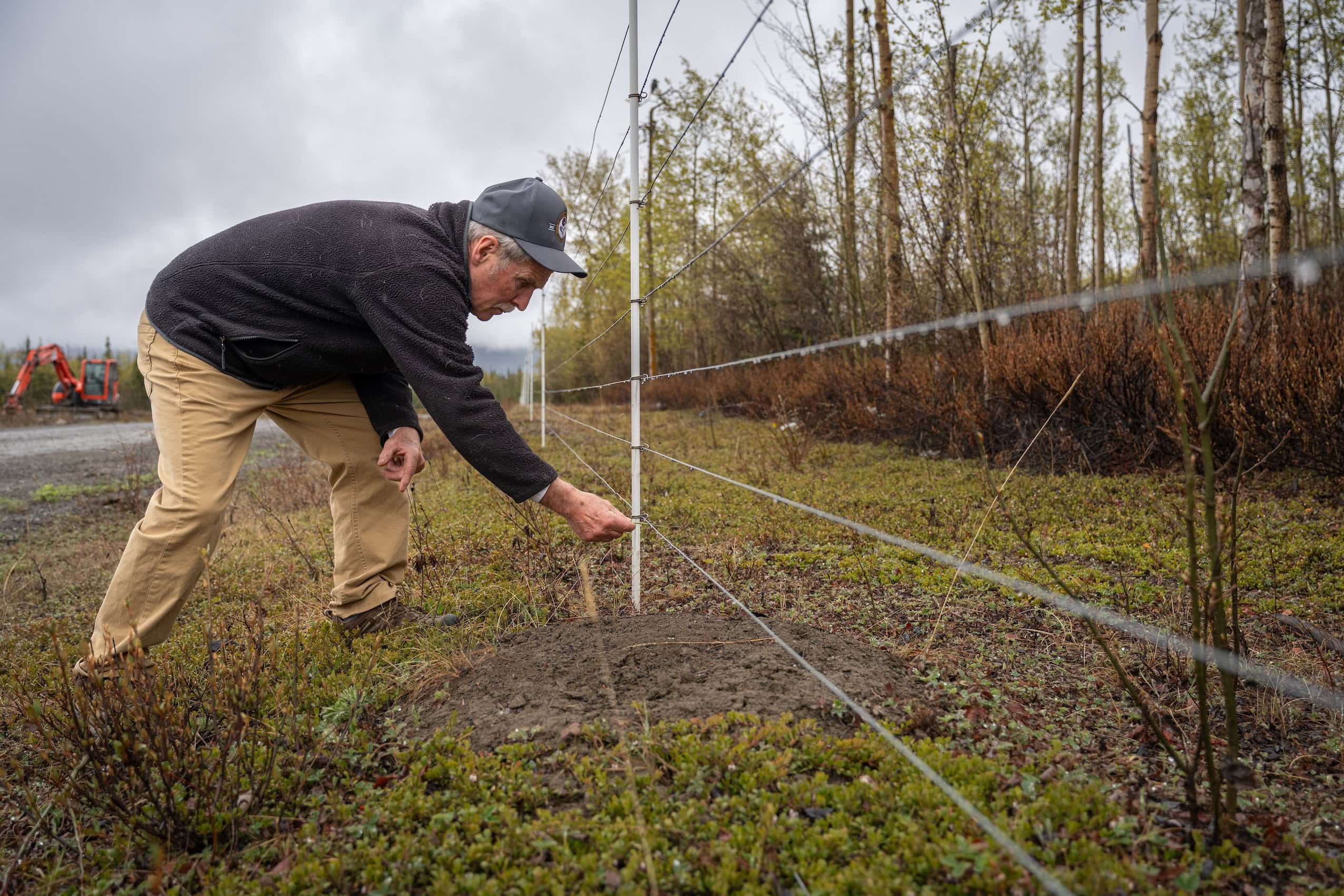
The community of Faro followed suit, then Whitehorse, he says. Today, all communities in the Yukon have electric fences installed around their landfills, or waste facilities.
Following the dump enclosure, however, many bears had to be put down. Mature bears who’d spent their entire life gorging on garbage were conditioned to source it elsewhere. Some diverted to the neighbouring community of Champagne to raid meat caches and outdoor freezers, Drummond says. Dozens were shot.
Some residents remember the story of a grizzly, dubbed the “burglar bear,” smashing through a residential door at night, tempted by a Thanksgiving turkey carcass left in a garbage bag. The only barrier between the bear and the owner and her two young children was a plastic baby gate. Quietly, she and her children escaped through the bedroom window. Later, it was determined the same bear had broken into cabins along Dezadeash Lake, more than 40 kilometres away.
Drummond shot the burglar bear from a helicopter, he says.
Once you “break the cycle” with those food-conditioned bears, “you’re dealing with wild bears, and it’s not so hard to keep them out of the dump.”
Two years ago, the Haines Junction dump expanded into a regional waste facility. There’s a recycling depot, which will soon be joined by a composter, all enclosed by an electric fence. The only wildlife spotted inside, an attendant says, are eagles and ravens.
They haven’t had an issue with a bear in nearly a decade.
The laws of living with grizzlies
Ellen Bielawski has stopped counting how many grizzlies she’s seen near her off-grid cabin, situated in a dense spruce forest west of Haines Junction toward the Alsek Valley.
But some encounters stand out, including the night she stepped outside to brush her teeth and looked up to see a mother grizzly and her two yearling cubs, less than 20 metres away. Shocked, everything Bielawski knew about bear encounters went flying out the window. “Did I remember to face the bear? I ran into the cabin with my electric toothbrush,” she laughs.
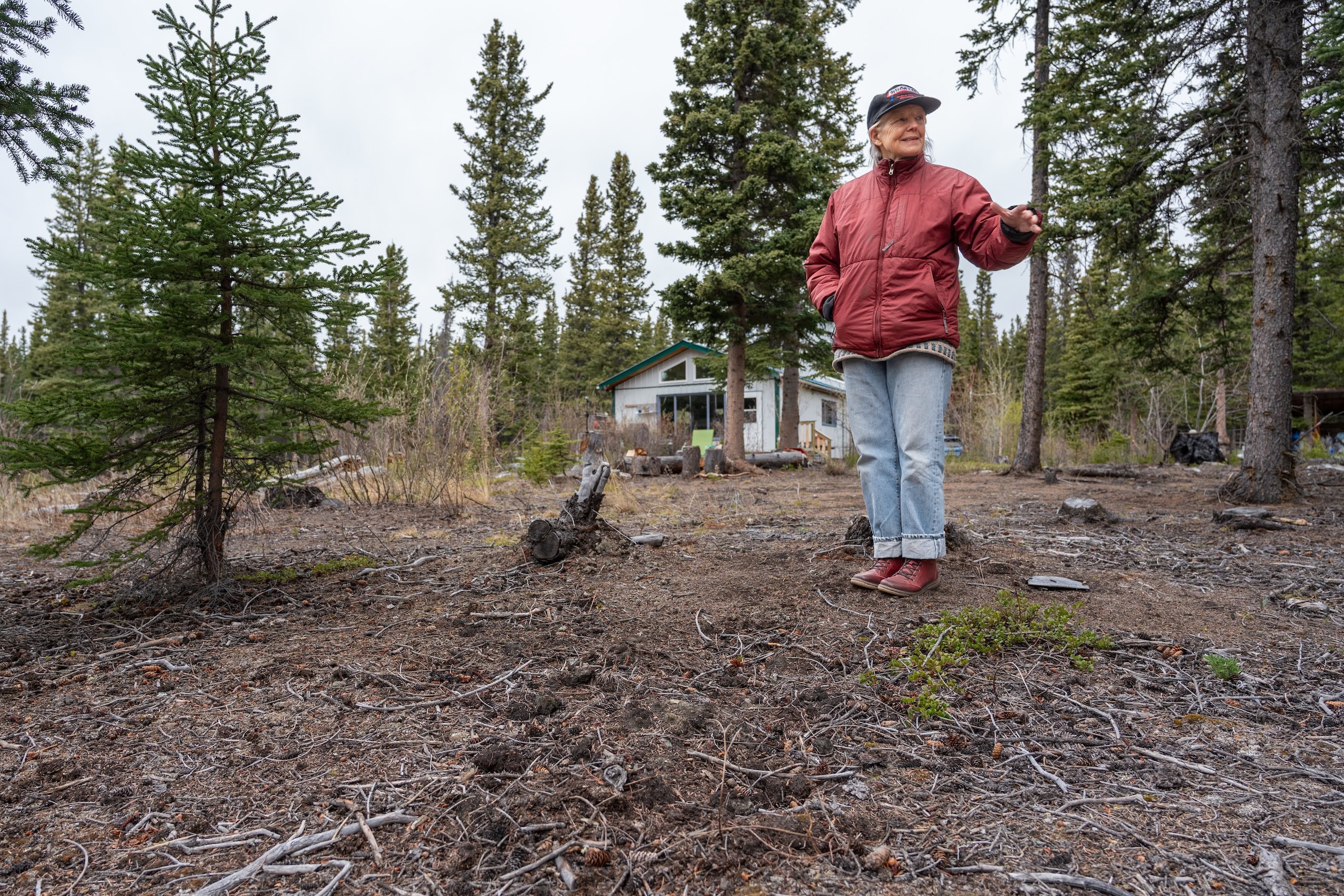
The retired archeologist and professor has lived here for the past 20 years. She previously worked in the Arctic in polar bear country, where she slept in a tent with a loaded rifle by her side.
But here, grizzly bears tend to keep to themselves, Bielawski says.
“People have always said to me, ‘Aren’t you afraid of bears?’ And I say, ‘I’m way less afraid of bears than I am being a woman alone in a parkade in the city.’ ”
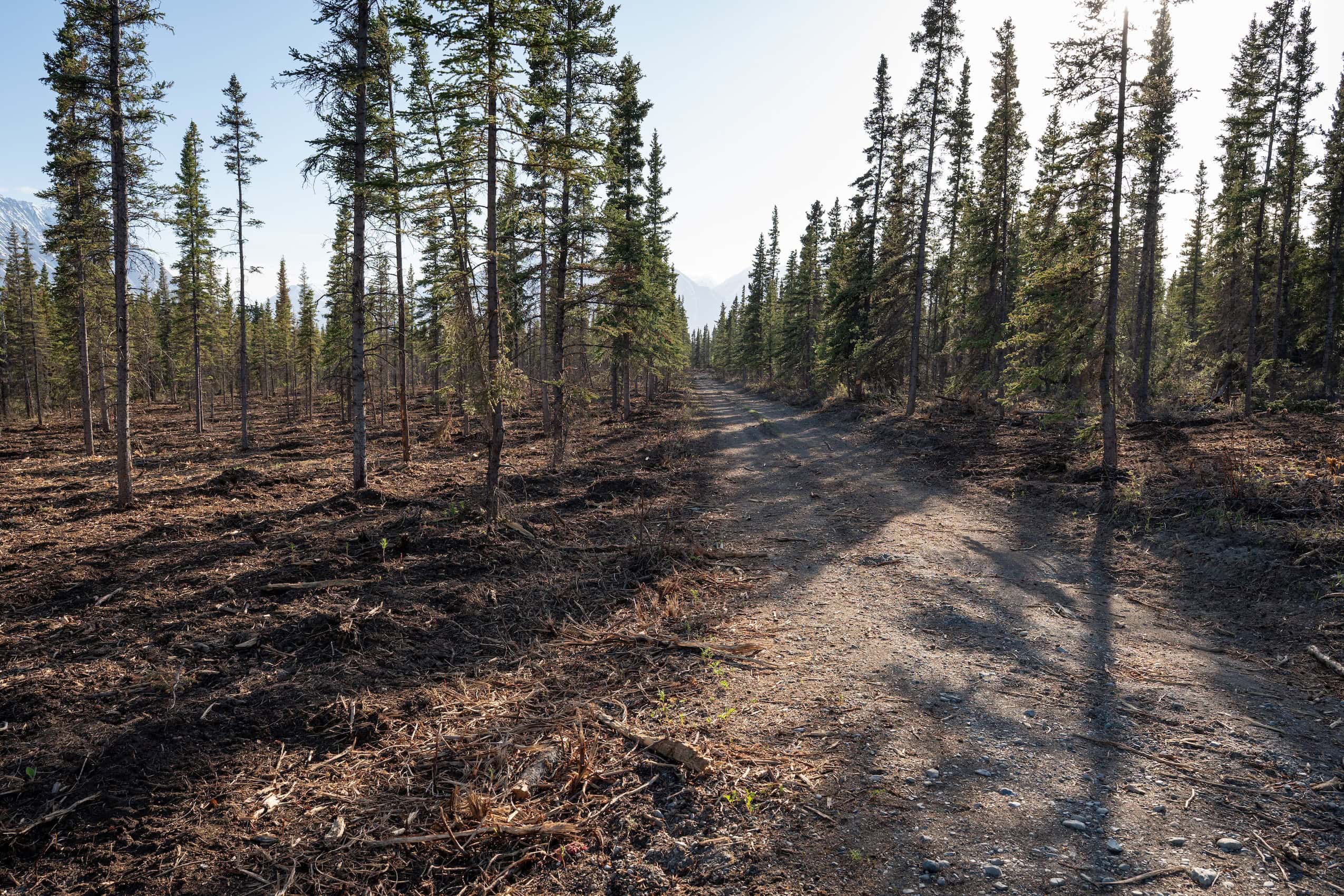
Recently, she and her husband cut down and cleared trees and bushes within 30 metres around the cabin to make it less susceptible to wildfires. The catch-22 is an increase in grizzly susceptibility, as disturbed forest promotes the fresh growth of bear foods like grass and berries. But the upside is that it’s now easier to see if a grizzly bear is around, Bielawski says, and they can avoid surprise encounters.
She’s extra cautious in the spring when bears come out of the den, motivated to find food and mate, and fall, when bears are preparing to hibernate. “I worry far more about November bears than I do the rest of the year,” she says. In late November 2018, a woman and her baby were fatally attacked at their remote trapping cabin in east-central Yukon by an emaciated grizzly bear that hadn’t yet denned. Authorities determined that the bear didn’t have enough body fat to hibernate.
Bielawski avoids recreating at dawn or dusk, when grizzlies tend to be more active. Even walking out to the clothesline, less than ten metres away from her cabin, she carries an air-horn on one hip and bear spray on the other.
But the Alsek Valley is notoriously windy, with katabatic winds barreling through the valley at 100 kilometres an hour. It’s not an ideal place to detonate a can of pepper spray.
She’d like to see more workshops that allow participants the chance to fire an inert can of bear spray, and to understand how many seconds the contents of a can lasts for (roughly eight seconds). Adrenaline, Bielawski says, has the potential to take over in human-bear encounters. “It’s flight or fight,” she says.
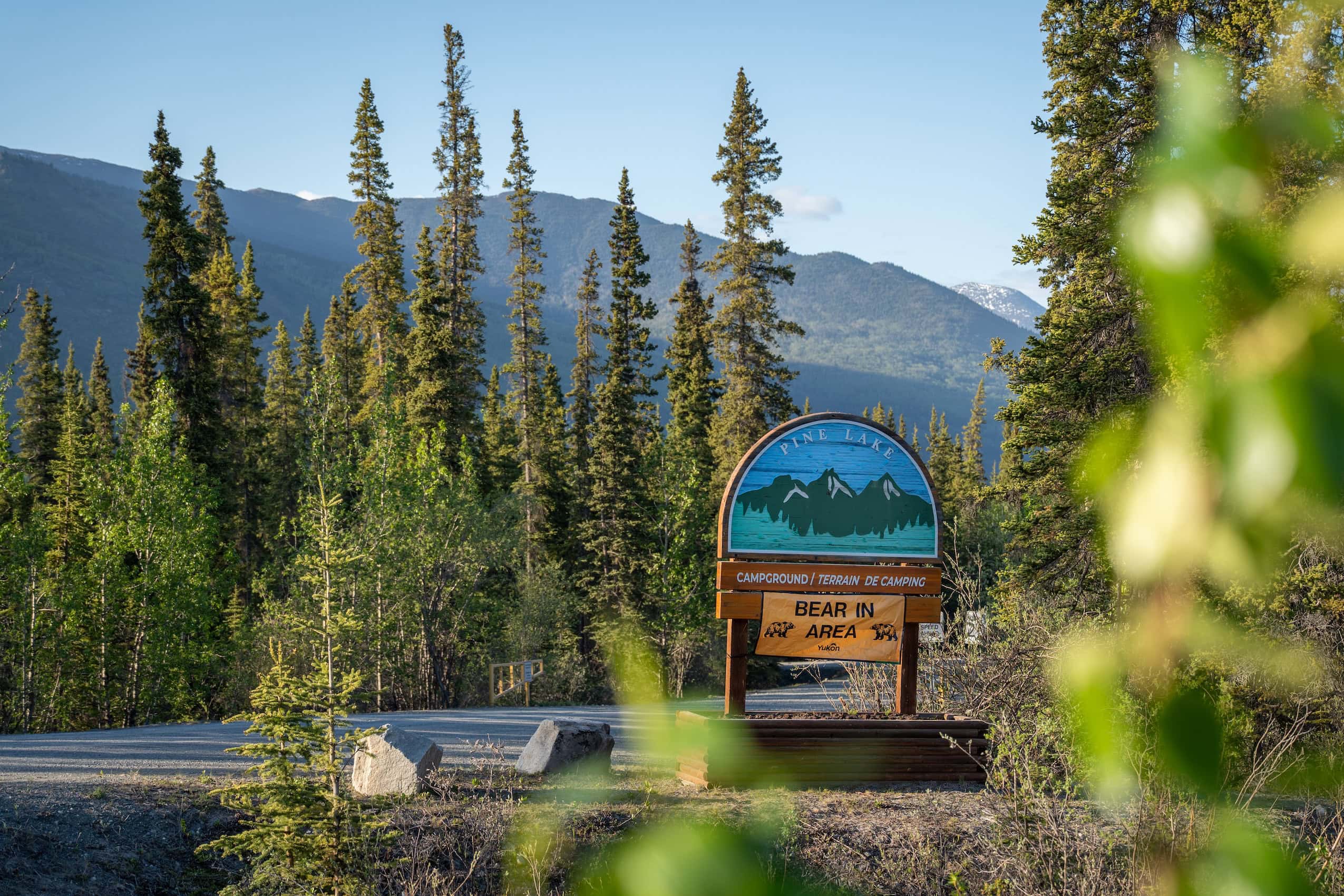
Although bear attacks are rare in Haines Junction, they have occurred in the past. On June 30, 2024, a resident was jogging with her dog along the Pine Lake trail which runs along the highway, east of town, when she came upon multiple grizzlies. There had been many sightings of family groups and courting pairs, grazing on grasses in the ditch, that spring, Oborne tells me. The dog broke free from its leash and triggered a defensive attack by one of the bears, who then turned on the jogger, according to a statement made by Yukon Conservation.
The jogger was critically mauled and required hospitalization, but survived — along with the dog. A recent study of human-bear conflicts found “the presence of a dog more than doubled the odds of a bear conflict.”
Conservation officers put down three bears. Weeks later, the willows along the trail were cleared and mulched to improve visibility along the trail. Yukon Conservation, along with the village council, also put up a cautionary sign that reads: “This path is a high-use area for grizzly bears. Encounters are likely.” It encourages people to carry bear spray and keep dogs leashed.
One source described the 2024 attack as a “lightning rod” for conversation in the community, questioning why a recreational trail would be built through a well-known grizzly bear corridor — and why the jogger, a resident, chose to run late in the evening, without bear spray. Others expressed frustration that the bears were euthanized when it had been a defensive attack. Another indicated support for the conservation officers’ call. Ultimately, everyone was relieved that the individual survived.
But no one raised the question of whether or not grizzlies belong.
Bear 141
As Burtnick drives to school, she scans the ditches for a small female grizzly bear that has been showing up in the community every spring since 2023. She’s easy to identify due to a visible scar around her neck where a wire had been wrapped. The grizzly has become colloquially known to people as “Snare Bear,” Burtnick says.
To conservation officers, she’s known as Bear 141, Oborne says. In 2023, he and his colleagues attempted to capture the small grizzly and remove the wire from her neck, but after a few days, she disappeared. He didn’t think she’d survive the winter.
Much to his surprise, Bear 141 returned in the spring of 2024, grazing comfortably beside the highway. Fortunately, the wire had fallen off. Although she hadn’t displayed any aggression, or caused any issues, they decided to relocate her 200 kilometres northwest of town near the Donjek River — for her own safety, Oborne says.
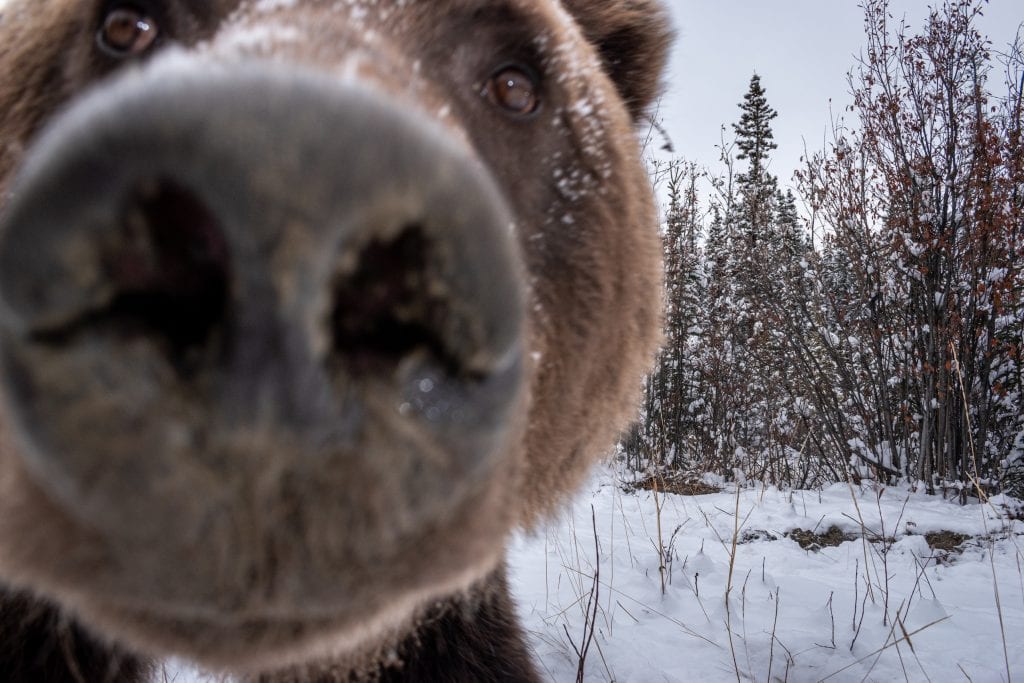
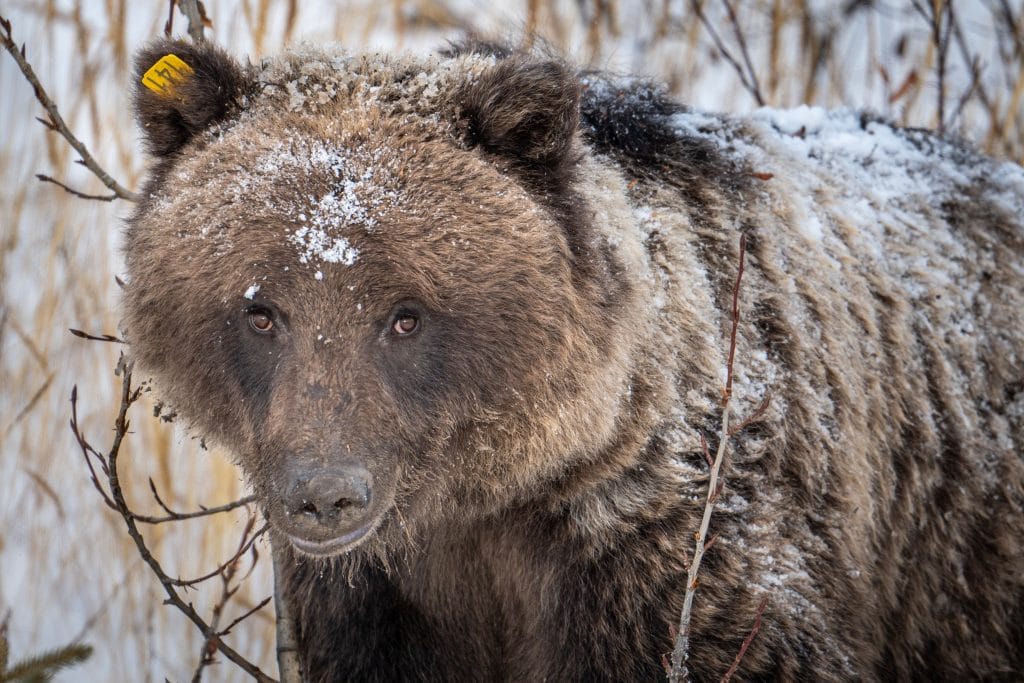
“Of course, she came right back to Haines Junction.”
But the small female kept to herself and didn’t cause any trouble, so they let her stay. Last year, Burtnick and fellow teachers traded stories of their Bear 141 sightings, routinely spotted grazing in her habitual location along the same recreational trail where the attack occurred.
“I actually think they’ve got this attachment to her,” Burtnick says, adding that residents feel protective of her when tourists idle in their vehicles, along the shoulder of the highway, taking photographs of the grizzly. “They want her to stay wild,” Burtnick says.
By late June, no one had reported seeing Bear 141 yet this year. But if the small grizzly does amble back to her favourite spot along the recreational trail again, says Oborne, they’ll leave her be.
“She’s doing what a bear should do.”