



 7 min. read
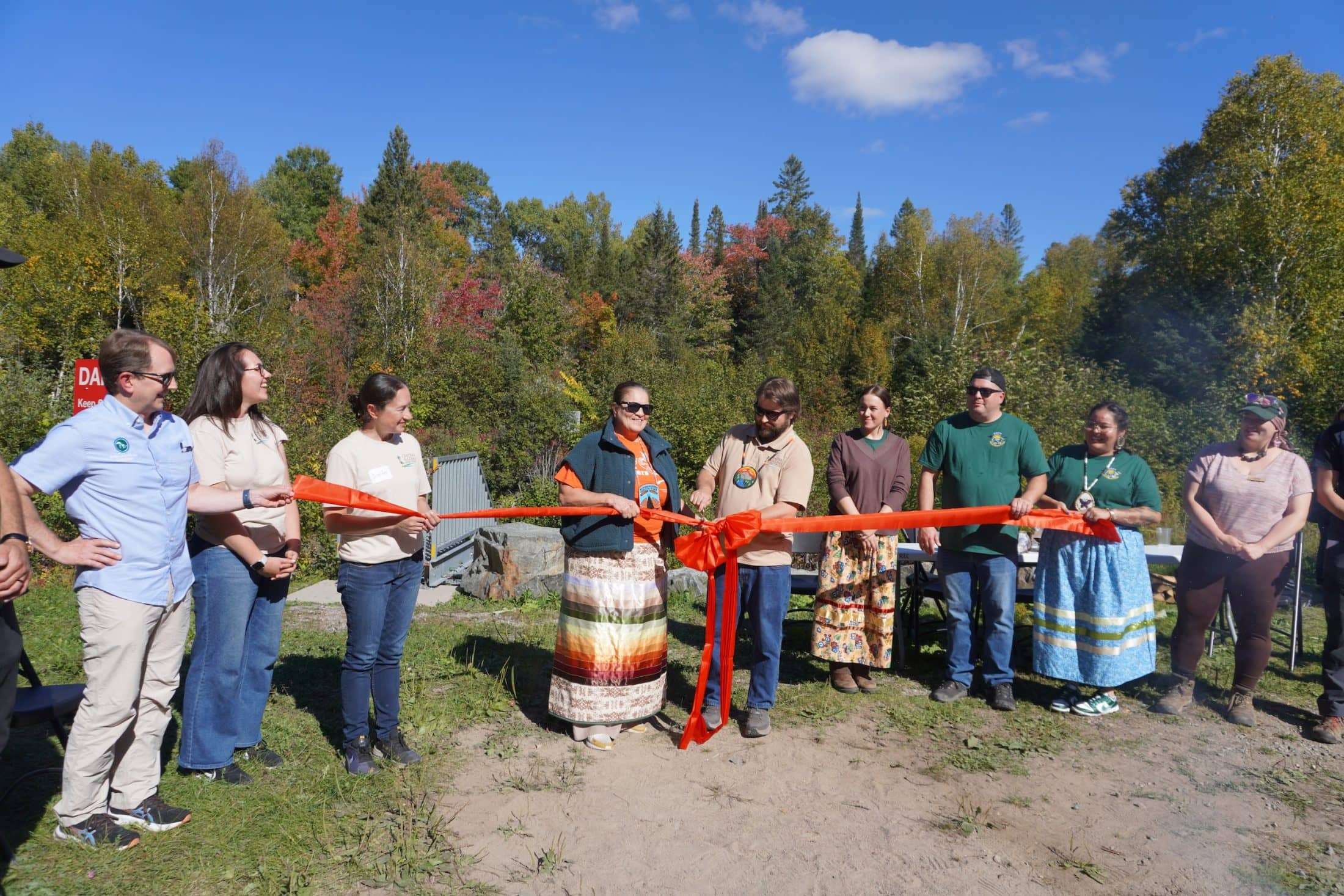
Underneath a warm sun on a late Waagaabagaa-Giizis (Leaves Turning Moon) Sunday afternoon, staff from the Garden River First Nation lands department led a small crowd of people through a forest path to gather in celebration at a clearing next to the Paswe Ziibi (Echo River).
The Anishinaabemowin word for the September moon. It translates as “leaves turning moon.”
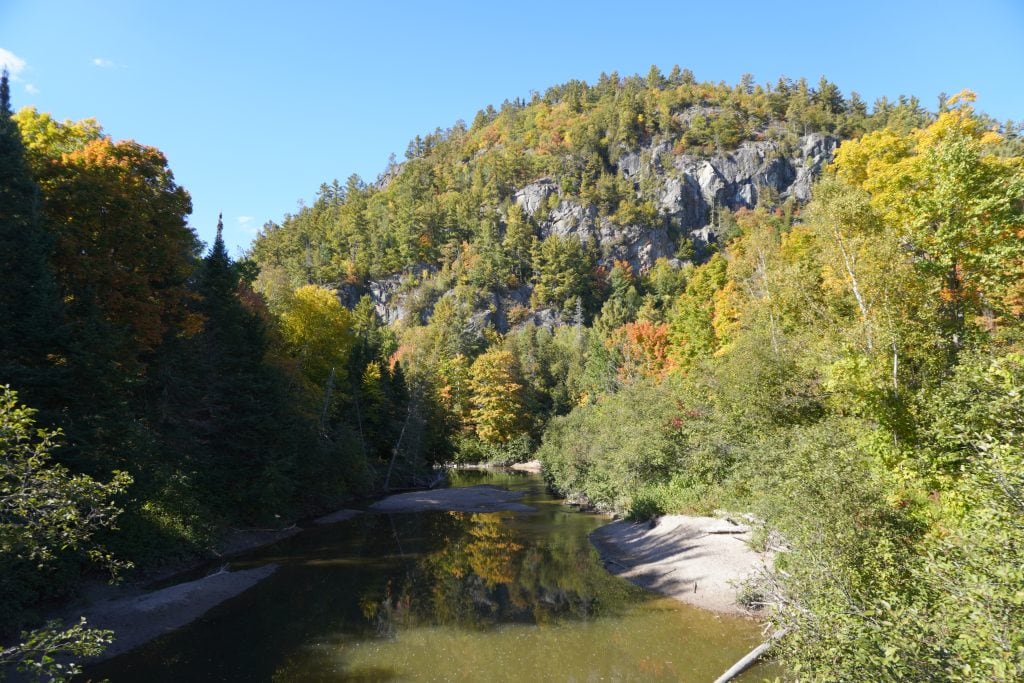
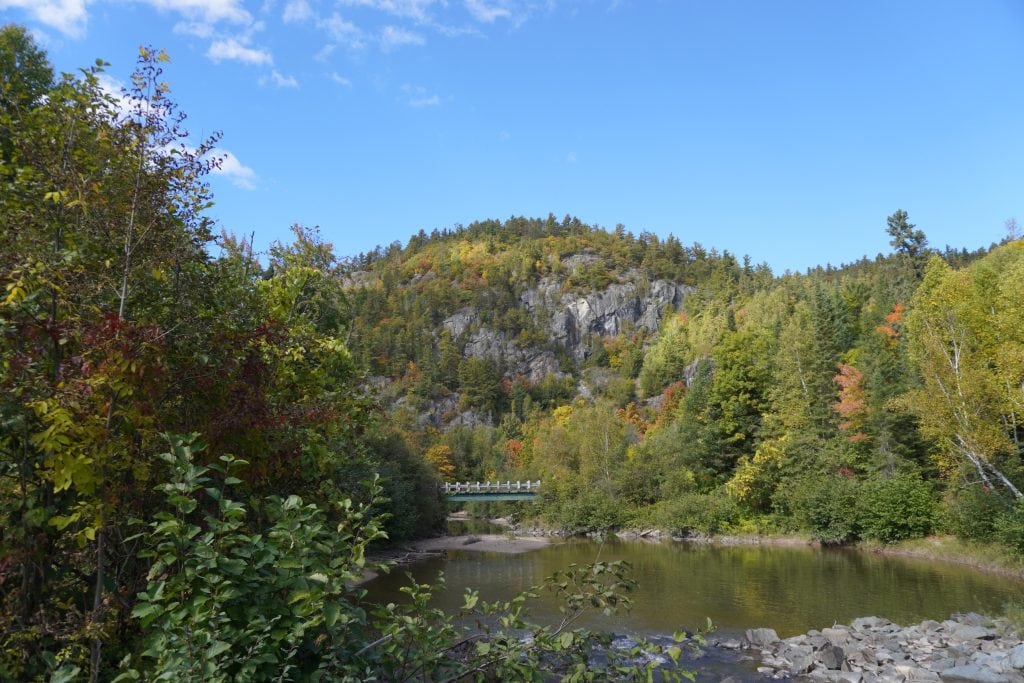
Set against a serene backdrop of colourfully turning leaves, towering cliffs and the babbling river, Garden River announced the creation of the first Indigenous Protected and Conserved Area in the Algoma region. Located at the northeast end of Echo Lake in Kehoe Township, Ont., the 392-hectare Paswe Protected Area borders both Garden River First Nation territory and Crown lands, and holds deep cultural significance to the people of Garden River.
“All of my ancestors, all of the people that came before me and all of the people that came before you, this land was once known as Ketegaunseebee’s place to have those spaces to have ceremony, to utilize and thank the Creator for what a beautiful place that we have, and for the revitalization of providing Anishinaabe knowledge and practice for generations to come,” Garden River’s Ogimaa Kwe Karen Bell, told the crowd at the celebration. Paswe is derived from the Anishinaabemowin word for “echo” in the Garden River dialect, and was selected for the area after consultation with local Elders.
The Anishinaabemowin term for a female chief.
Summary
Garden River secured the property along with multiple partners including the Central Algoma Land Trust, Ontario Nature and Ontario Conservation Accelerator, a new organization focused on bringing in private investors to develop land conservation projects, along with private individual donations. The Central Algoma Land Trust, a non-profit charitable organization in the region, has entered into an agreement with Garden River that will see the land trust own the property for the time being, while the First Nation takes the lead with on-the-ground conservation, monitoring and stewardship. Formal ownership of the land is expected to be transferred to the First Nation in the next five to 10 years.
The agreement “guarantees that Garden River First Nation community members will always have access to the property regardless of who owns it,” Aaron Jones, former guardian team lead for Garden River, told The Narwhal. That includes exercising their traditional and Treaty Rights like hunting, fishing, harvesting and holding ceremonies on the land.
Protected area home to endangered and culturally important species
The Paswe Protected Area is situated within one of 23 areas Parks Canada identified where conserved ecological corridors are urgently needed to protect biodiversity, culturally important species and areas at risk from development and climate change. The area provides habitat for multiple species listed under Ontario’s Species Conservation Act and the Federal Species At Risk Act including lake sturgeon, wood turtle, peregrine falcon and the black ash tree.
The original name of Echo Lake was Paswe-Gami. Traditionally, Garden River Anishinaabeg would harvest and then hammer black ash wood to create baskets, and the noise would echo off the cliffs of the north end of the lake and travel across the water. “On a still day where there’s not much wind where everything is really quiet, that hammering would echo across the lake and it would be heard for miles,” Jones explained. “Travelling community members would hear that sound and they would know they were close to home.”
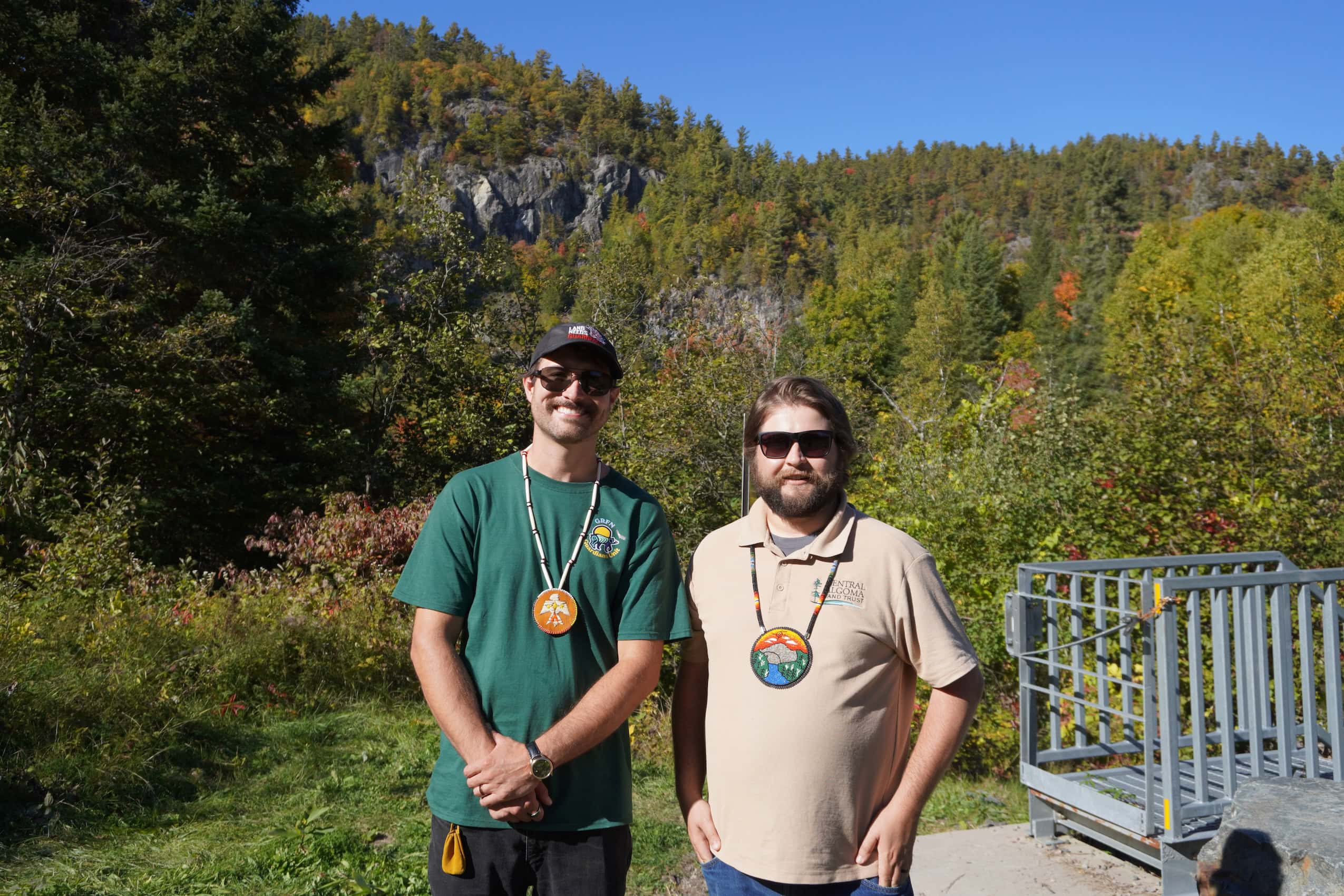
For Jones and Carter Dorscht, the executive director at the Central Algoma Land Trust, the protected area is the culmination of a years-long shared vision to collaborate on a conservation project.
When the property went up for sale by a private owner in early 2025, Dorscht said Garden River and Central Algoma needed to act fast, raising the money required in around six months. The partnership agreement allowed the nation and organizations to do just that, rather than seeing it scooped up on the open market, but the land title is intended to return to Garden River.
Garden River and the land trust have an option-to-purchase agreement that is expected to see the property transferred to the First Nation within a period of five to ten years. This gives the nation time to establish their own land trust to hold the title, or seek out an addition to reserve, a federal process to add new land to an existing reserve.
“It’s very culturally significant to Garden River and they’ve been stewarding this land for a long time,” Dorscht explained. “It makes sense for them to be the ones to continue to do it.”
The First Nation and the land trust intentionally avoided government grants when raising funds because they feared government granting policies might block the eventual transfer of the land to Garden River.
“With the general history of how the provincial and Canadian governments have treated our people in the past, we did not want to take on that level of risk,” Jones said. “We could not trust the government to approve a transfer of land to our community because it’s too risky.”
The goal is returning lands to the First Nation as smoothly as possible and, in the meantime, still allowing the band to oversee the property while it’s held by the land trust.
No support for IPCAs from Ontario government
Several other Ontario First Nations are working to establish Indigenous Protected and Conserved Areas in their territories, including Kitchenuhmaykoosib Inninuwug. While the federal government has provided funding to some Ontario nations to support the establishment of their protected areas as part of Canada’s goal to conserve 30 per cent of the country’s land and water by 2030, the Ontario government has not recognized any Indigenous Protected and Conserved Areas within the province. (The Narwhal reached out to the Ontario Ministry of the Environment, Conservation and Parks and Crown-Indigenous Relations and Northern Affairs Canada, but they did not respond by publication time.)
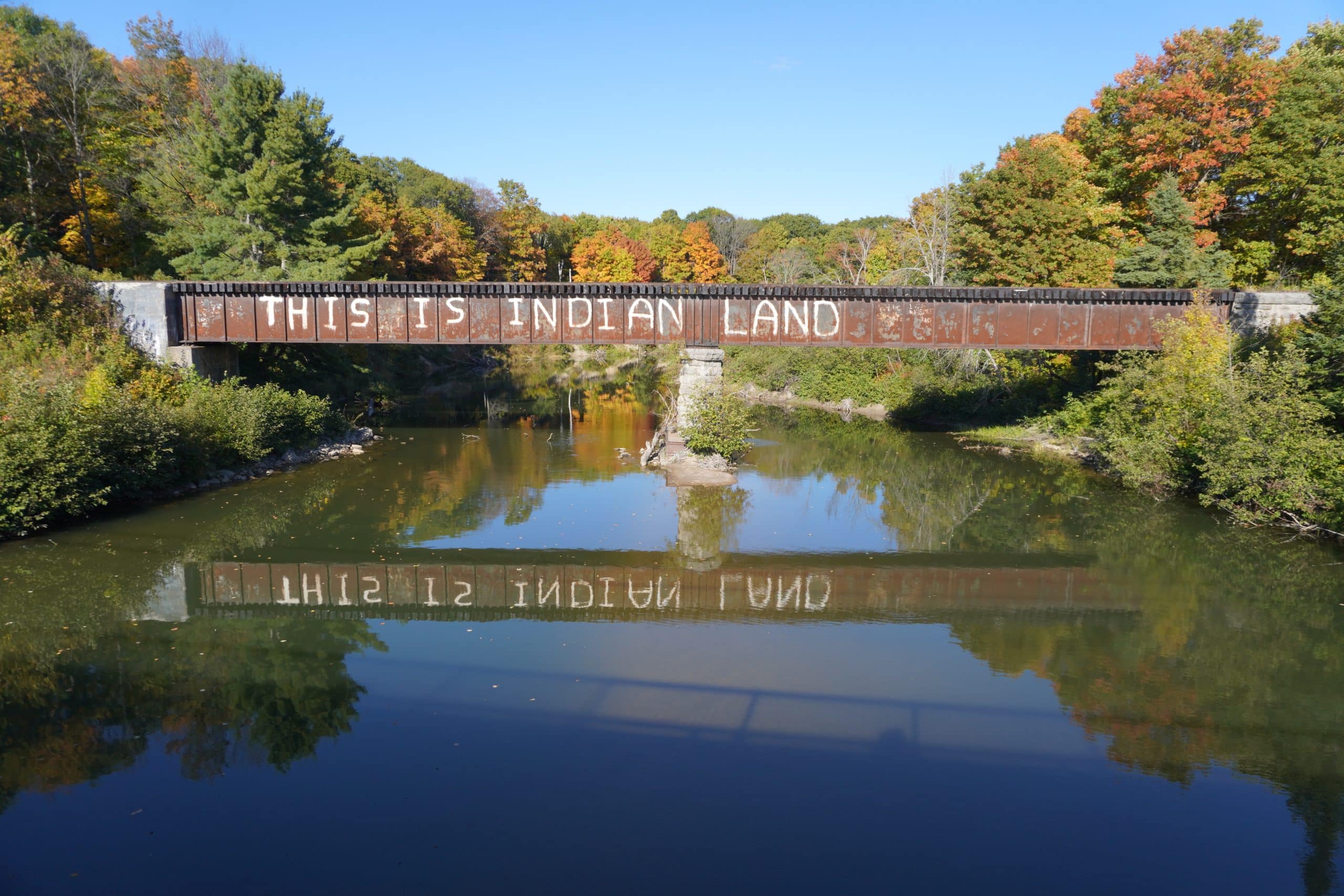
When speaking at the ceremony, Bell said the property is situated on lands that were historically part of the Garden River reserve as established in the 1850 signing of the Robinson Huron Treaty. “Since then, our reserve lands have been wrongfully reduced by more than half,” Bell said.
In 2023, Garden River filed a lawsuit against the Ontario and federal governments for allegedly breaching the Robinson Huron Treaty of 1850, claiming the Crown coerced the sale of 30,000 hectares of its land base. “It’s going to take two decades if not more to actually finish litigating this, but that swath of land that we are asserting is very significant for our First Nation,” Bell said, noting the First Nation is still seeking compensation for lands that now form communities and the return of lands left undeveloped as part of its lawsuit.
In the meantime, Garden River is eager to continue their management of Paswe. The nation has long-term stewardship goals of reintroducing namewag (lake sturgeon) to the area, and removing a Fisheries and Oceans Canada experimental sea lamprey barrier dam from the Paswe Ziibi.
Jones said he and the project partners hope the establishment of the Paswe Protected Area will be a model for Indigenous-led conservation, and help other First Nations to establish their own IPCAs.
“We just want to show governments that Indigenous communities want more land conservation,” Jones said. “We want to see more lands returning into the stewardship of our own communities, and we can do it.”