




 5 min. read
Alberta has introduced new rules that will allow landowners to destroy broad categories of wetlands across the province without seeking government approval. It’s a move the province calls common sense and critics call worrying.
“What I’m seeing is what I like to refer to as policy-based evidence making,” said Tracy Scott, who recently retired from his role as head of industry and government relations with Ducks Unlimited Canada, a wetland conservation organization.
The changes to the province’s Water Act will allow farmers to remove what are known as temporary and seasonal wetlands on private land to improve crop efficiency. Temporary wetlands are covered by water for a few weeks in spring or after a heavy rainfall, according to the government — they can be dips in the landscape where water naturally pools. Seasonal wetlands hold water for most of the growing season but dry out by the fall.
Summary
Previously, landowners had to pay for a detailed assessment of the impacts of such moves, and pay for wetland replacement costs.
“Farmers should not have to spend thousands of dollars and wait on government approval to carry out routine work on their own land,” Grant Hunter, the minister of environment and protected areas, said in a news release. “We are restoring private property rights and getting government out of the way where it doesn’t need to be.”
That sort of language irks Kennedy Halvorson, a conservation specialist at the Alberta Wilderness Association.
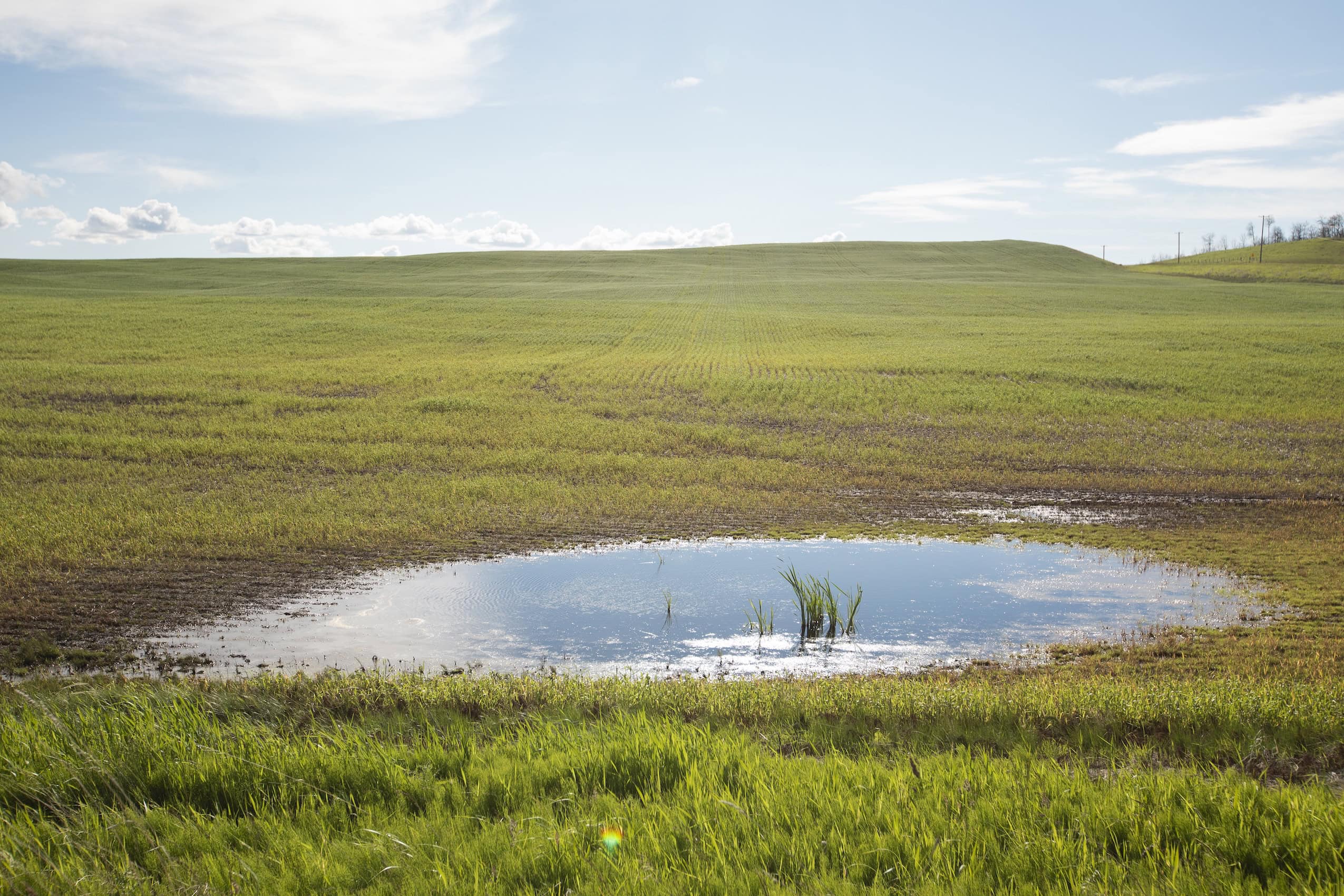
“It’s a bit of deceptive messaging, kind of depicting these wetlands as if they have no value, they’re just a hindrance for our producers,” she said.
“The reality is that these wetlands have a lot of ecological value. They’re basically the only other sort of water bodies that exist other than the rivers.”
Halvorson said there is plenty of scientific research to show wetlands help retain water in dry years, help prevent flooding, filter things like pesticides and herbicides, recharge groundwater and provide habitat.
She says the changes put the vast majority of the remaining prairie wetlands at risk — approximately 94 per cent.
Wetland ‘benefits accrue to society’
Wetlands are among the most diverse ecosystems on the planet. They’re home to countless species of birds, bugs and animals. But rapid human development, including agriculture, has ravaged many wetlands.
Globally, experts estimate more than half the world’s wetlands are gone. In Canada, approximately 70 per cent of historic wetlands have been degraded or dried up. Three-quarters of what are known as prairie pothole wetlands have been lost to agricultural developments and some areas have lost 90 per cent of their wetland cover.
Alberta’s changes apply to a broad swath of wetlands classified as “non-permanent.”
“Whether wetlands are large or small, temporary or permanent, they all make a positive difference,” reads Alberta’s landowner guide to wetland policy.
And they can be a nuisance for farmers trying to operate large machinery and increase crop yields.
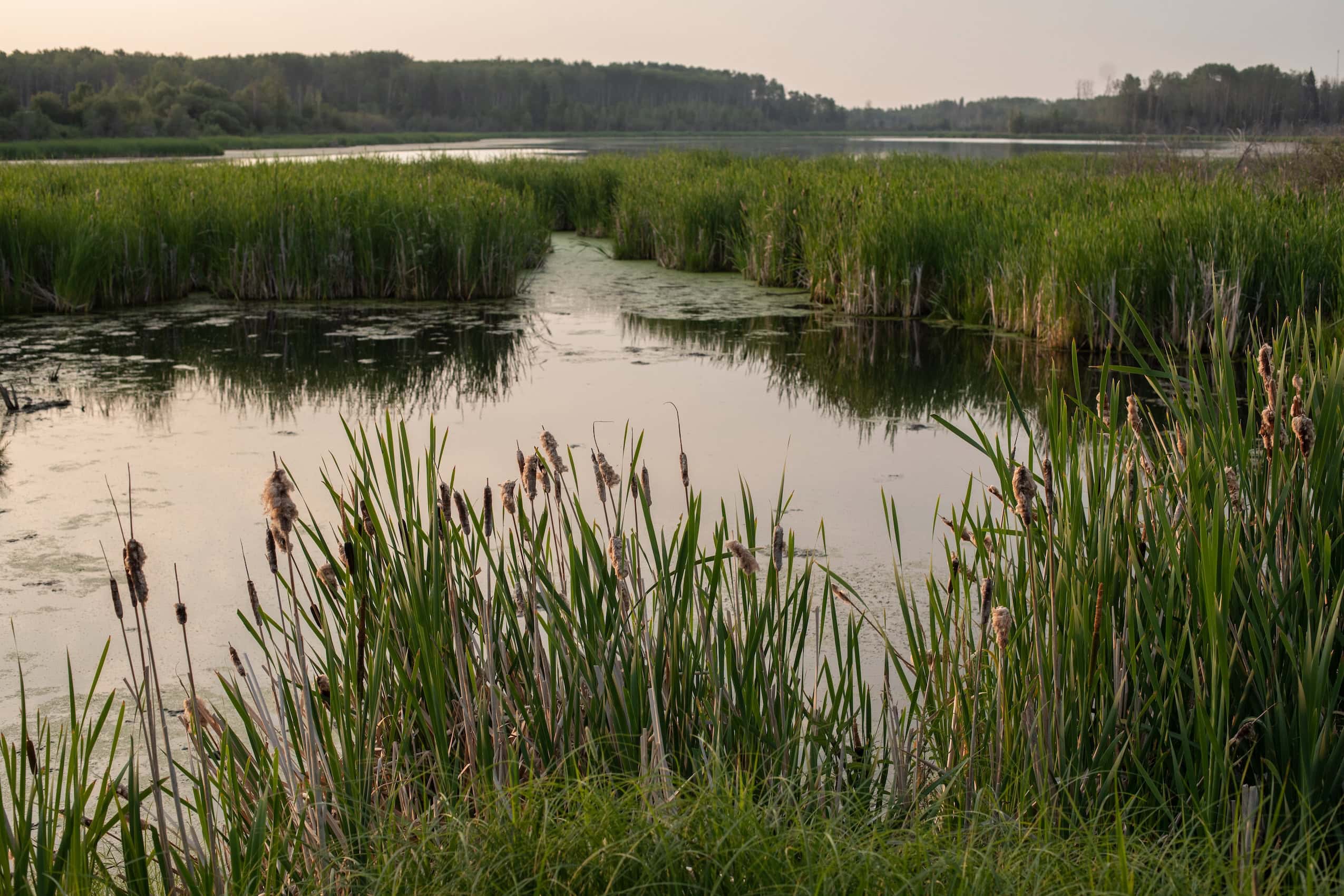
“The changes will make it easier for farmers to cultivate, seed, spray, ditch, drain and infill on their own cropland without going through an unnecessary approval process,” the government said in a press release.
These types of wetlands cause “production inefficiencies,” Sarah Weigum, the chair of Alberta-British Columbia Seed Growers Association, said in the government’s press release announcing the changes. “By managing these short-lived wet areas and reducing their impacts earlier in the season, it allows farmers to have greater efficiency in the field.”
Scott, a farmer himself near Camrose, Alta., says working around wetlands is “not fun,” and he can understand some of the frustration for landowners.
“The challenge here is that the benefits accrue to society, by and large,” he says. “The landowners bear the cost.”
Wetlands do provide agricultural benefits, too: they provide habitat for pollinators, nutrients for crops, pest control and contaminant filtering. They store carbon and help manage water flow during droughts and floods. Healthy, wetlands absorb phosphorus and nitrogen, helping manage explosions of algal blooms.
In the past, provincial governments relied heavily on research and consultation to develop policy to protect wetlands, something Scott said this government has turned away from.
“We do have a policy that I was heavily involved in, in 2013, that involved extensive consultation as well as review of the available science, of which there is a lot,” Scott said.
“This change is, in my opinion, based on political favour.”
The office of the minister of Environment and Protected Areas and the office of the minister of Agriculture and Irrigation did not respond to questions from The Narwhal by publication time.
Halvorson said another element of the changes is that wetlands that were established as part of the province’s wetland replacement program, which forced landowners or companies who wanted to destroy a wetland to pay to construct a new wetland in another location.
“How do we ensure that those wetlands that have been funded to be restored or replaced aren’t now just also at risk of being lost or degraded?” she wonders.