
 5 min. read
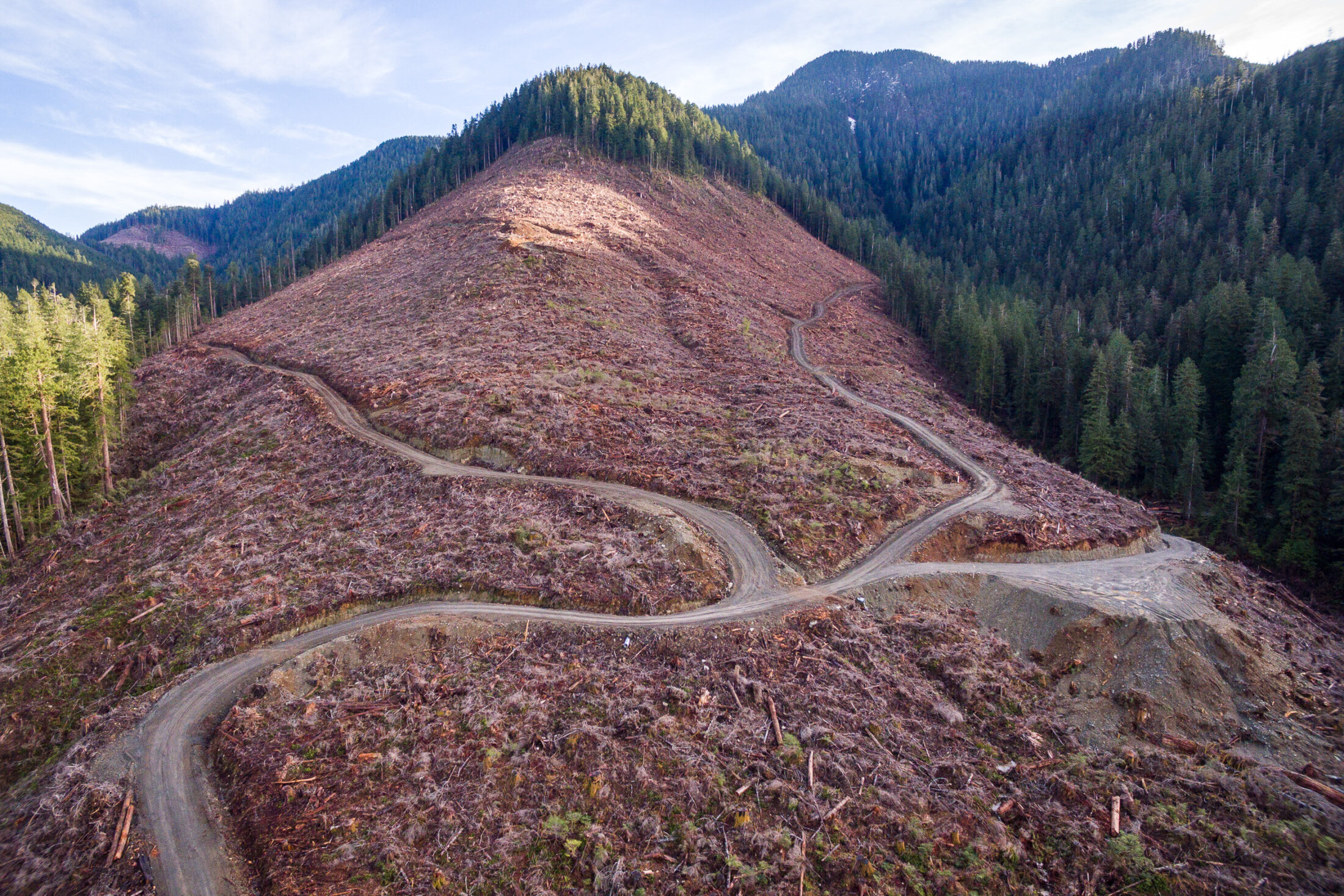
B.C.’s rarest forest ecosystems are rapidly disappearing and if the province doesn’t act immediately to defer logging in key areas, as recommended by the 2020 Old Growth Strategic Review, they will be lost forever, according to a report released Wednesday by a team of independent scientists.
The analysis of B.C.’s remaining old growth forests and mapping tools aims to help the province meet the recommendations of the old-growth panel.
While the map was designed to flag forests that meet the criteria for deferral rather than note specific at-risk locations, the authors noted it includes places like the Nahmint River watershed and Fairy Creek on Vancouver Island, currently a hot spot of protest and near where the RCMP began making arrests on Tuesday as part of its enforcement of an injunction. The map also identifies unharvested old-growth in the Babine watershed near Smithers and rare cedar hemlock old-growth near Nelson as top-priority areas for logging deferrals.
The new analysis takes its lead from the independent strategic review commissioned by the province, which outlined criteria to determine which forests are of the highest value and most at-risk, and clarifies which areas should be immediately protected. The review recommended the province defer development in old forests with a high risk of irreversible biodiversity loss.
“It’s been a year since that report went to the government and there have been no meaningful deferrals since that time,” Rachel Holt, forest ecologist and one of the authors of the report, told The Narwhal in an interview. “We waited for the government to map what the panel recommended and there’s been no action — so we decided to just do it.”
While the province implemented deferrals last year that ostensibly protected 353,000 hectares of forest, closer inspection revealed how the numbers were skewed to include already protected areas and 157,000 hectares of second-growth forests open to logging. The province subsequently adjusted its numbers to reflect the inclusion of second-growth.
The new analysis identifies about 1.3 million hectares of at-risk forests across the province, which is about 2.6 per cent of B.C.’s timber supply. According to the analysis, the actual area that requires logging deferrals will be much smaller and the province has the tools to put any planned cutblocks and road building on hold while it works with First Nations and other stakeholders to develop land use plans.
“Following the old-growth strategic review panel’s direction, [the province] should take that map and overlay it with planned cut blocks and defer harvest in those areas until the planning is done,” Holt said.

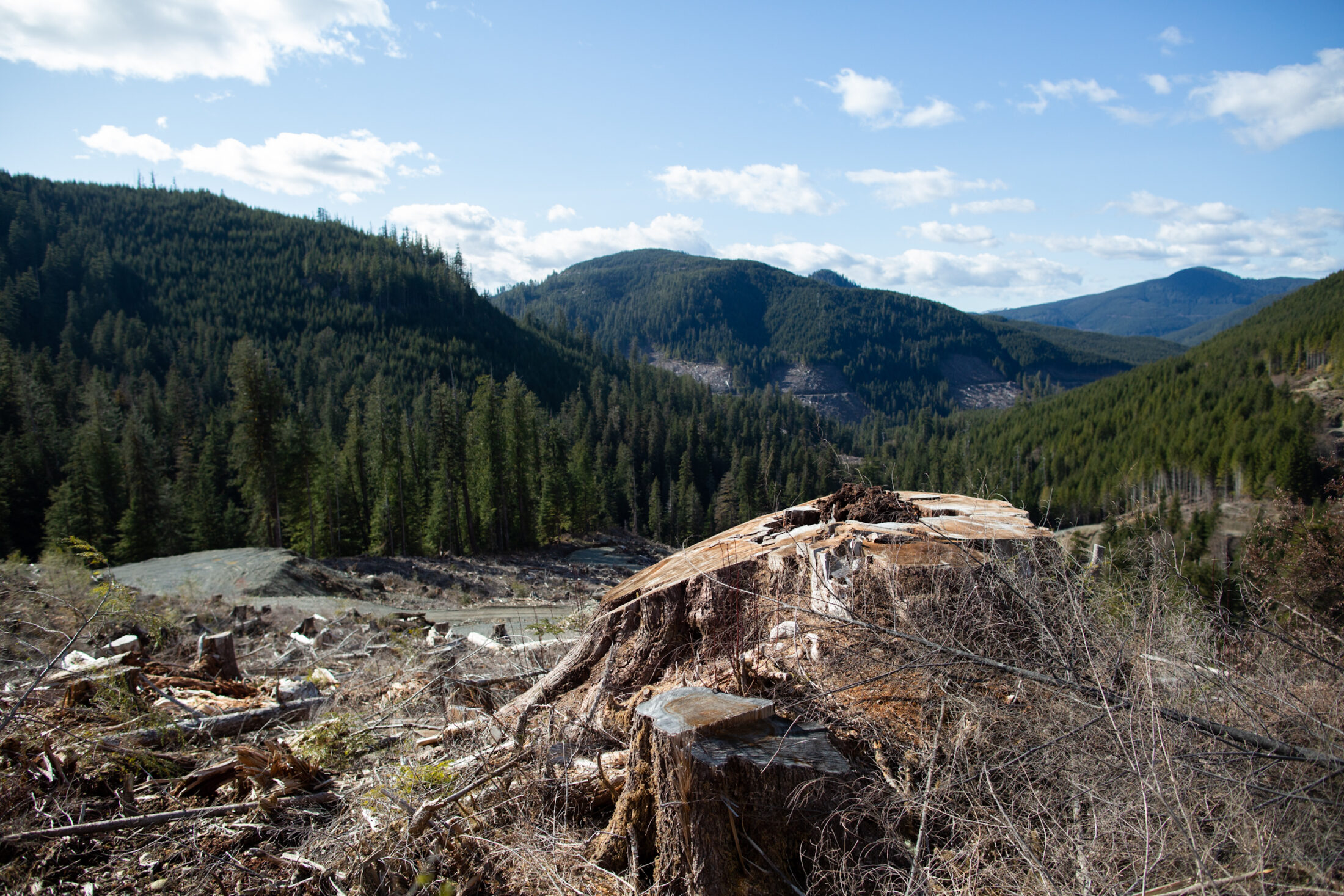
Old-growth review recommended a ‘paradigm shift’ in how B.C. manages its forests
The strategic review highlighted the urgent need to stop looking at B.C.’s forests as timber supply and start prioritizing Indigenous Rights and ecological and cultural values. It acknowledged this transition won’t happen overnight but noted the urgent need to put the brakes on logging the rarest trees while creating a new strategy.
The first step is to figure out which forests need to be saved, which is where Holt and her colleagues come in.
“Our map represents the key criteria that the old-growth panel outlined for immediate logging deferrals, including the tallest, largest forests, plus rare and ancient forest,” Dave Daust, forester, modeler and project lead, said in a press release.
“With this blueprint, the province can act immediately to ensure any existing or planned logging in these areas is put on hold while it pursues a government-to-government approach for forest management that puts Indigenous rights and interests, ecological values and community resilience ahead of timber volume.”
Holt explained that the data and maps were created based on current provincial information, but said there are gaps that will need to be addressed.
“There will be places on the ground that aren’t on the map. They should be added, like known cultural areas or known high-value areas that for some reason don’t show up,” she said, adding that there may also be areas that have already been logged.
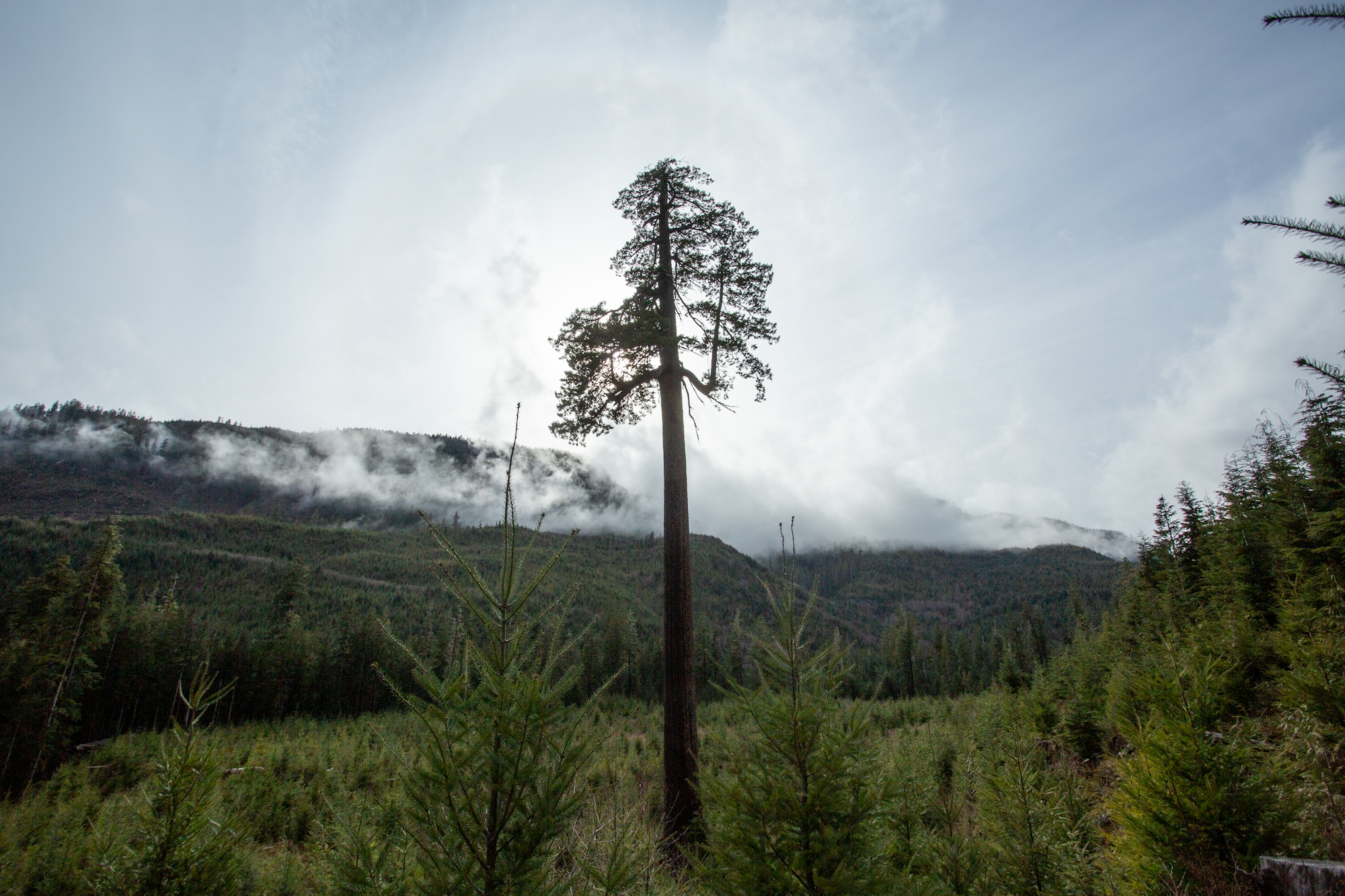
Scientists say there is no time to ‘talk and log’
In his 2020 election campaign, Premier John Horgan committed to implementing the panel’s recommendations.
“We will act on all 14 recommendations and work with Indigenous leaders and organizations, industry, labour and environmental organizations on the steps that will take us there,” he wrote.
But Holt said the province isn’t acting fast enough.
“There isn’t time to talk and log and try to create perfect maps,” she said. “Nothing is perfect, but we need to move forward.”
As The Narwhal recently reported, very little remains of B.C.’s old-growth forests. Holt, Daust and ecologist Karen Price calculated that just 415,000 hectares of productive old-growth forest remains in the province. Productive old-growth supports numerous endangered and threatened species, including caribou and northern goshawk.
As to whether the province will use the map to implement meaningful deferrals, the Ministry of Forests, Lands, Natural Resource Operations and Rural Development told The Narwhal in an emailed statement it is committed to protecting B.C.’s ancient forests for future generations.
“We know there is a lot more work to do. That’s why this government commissioned an independent panel to advise us on how we could do better when it comes to protecting old forests. Now, our government is working on next steps — which includes important engagement with Indigenous peoples, environmental advocates and forest-dependent communities around identifying additional deferral areas.”
Holt emphasized that the stakes couldn’t be higher.
“We are losing biodiversity and we’re losing carbon storage,” she said. “Old large tree ecosystems hold a phenomenal carbon store. We don’t have time to plant trees and wait 100 years.”