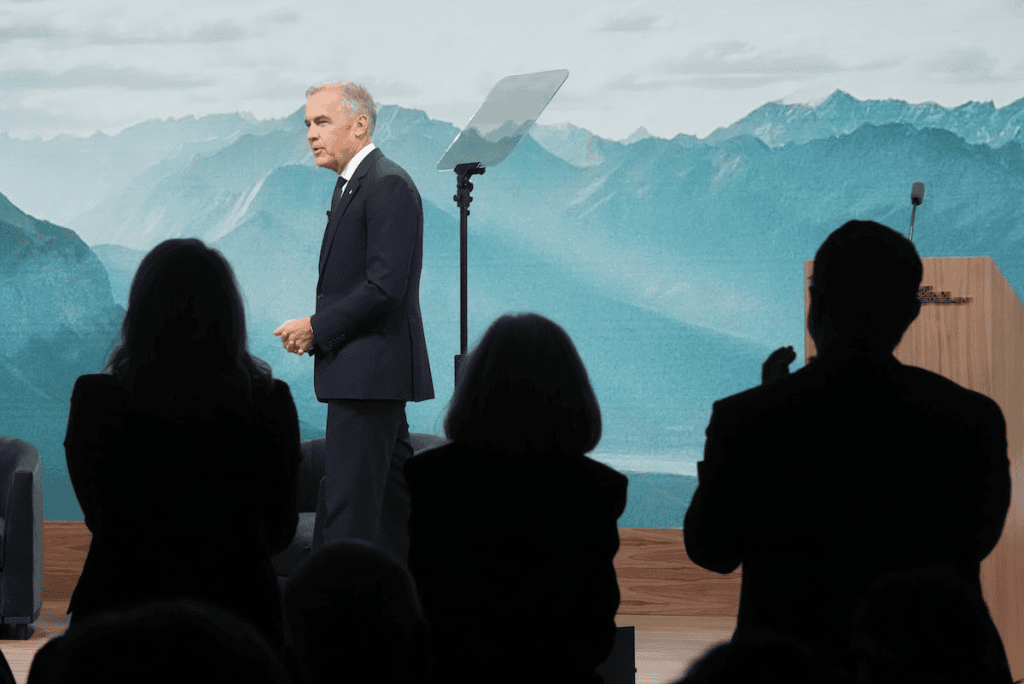
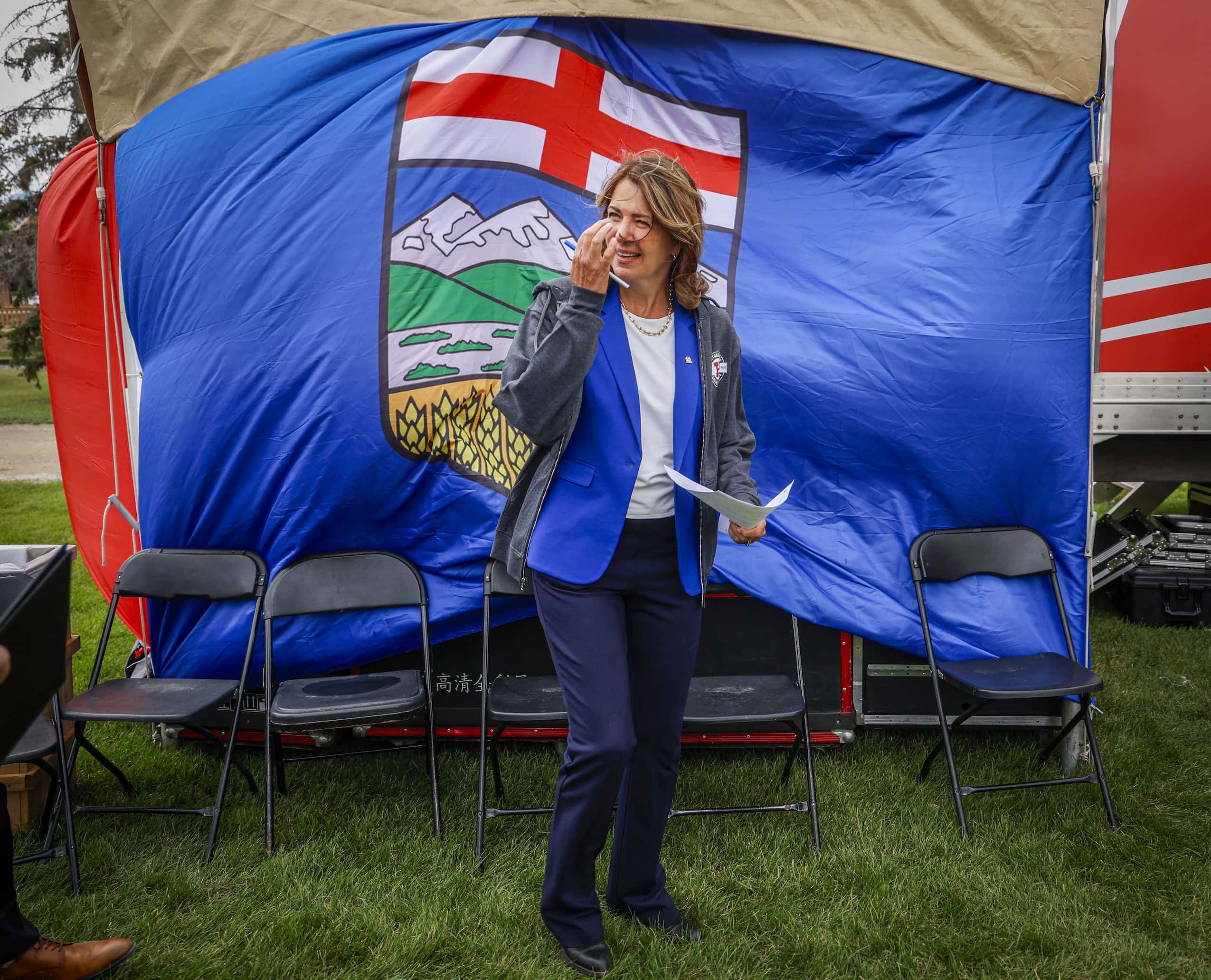
The president of the Oil Sands Alliance spoke about industry plans for carbon capture at a conference in Edmonton this week.
Photo: Amber Bracken / The Narwhal
Before we take a peek inside the conferences where decisions about Canada’s energy future are being made — let’s hear it for the 92 newest members of The Narwhal! Thanks to you, we can keep sending reporters to where the bigwigs are.
Ah, September … the time of year when kids head back to school — and powerful people gather to hobnob and make decisions that affect us all.
But reporters at The Narwhal are committed to telling you what’s really going on inside the halls of power. It’s why three of them attended two major events this week.
There’s an uncomfortable sentiment they’re hearing from people at the centre of Canada’s energy industry:
“Nobody cares about climate anymore.”
That’s what the president of a coalition of Canada’s largest oilsands producers said at Carbon Capture Canada, an industry gathering in Edmonton. He was sharing his take on how public views on carbon capture and storage — a controversial technology that’s yet to be proven at scale — have changed over the past five years.
People used to ask, he said, why the industry would invest in decarbonization, when “we’re not going to need oil in ten years.” Now, people accept that burning oil will continue, and ask “why would you waste your time,” on carbon capture.
“He was arguing that continued fossil fuel extraction in a climate crisis actually represents the ‘slow and steady, down-the-middle’ position,” Ontario and climate investigations reporter Carl Meyer, who was in the room, told me. That is, as long as carbon capture technology — something Canada’s been promoting for two decades with limited progress — is deployed (new federal tax deductions announced this week might help).
The vibes were similar at Prime Minister Mark Carney’s Canada Investment Summit in Toronto, where Ontario reporter Fatima Syed had an inside view this week.
“You’ll remember these words: climate change, climate crisis, climate catastrophe, race to net zero,” the CEO of a uranium mining company said. “We don’t talk about it much now.”
For Fatima, that signalled a shift in priorities for decisionmakers. “It’s wild to hear an industry leader say they’re not hearing about climate change anymore — when the impacts are being felt so acutely,” she said.
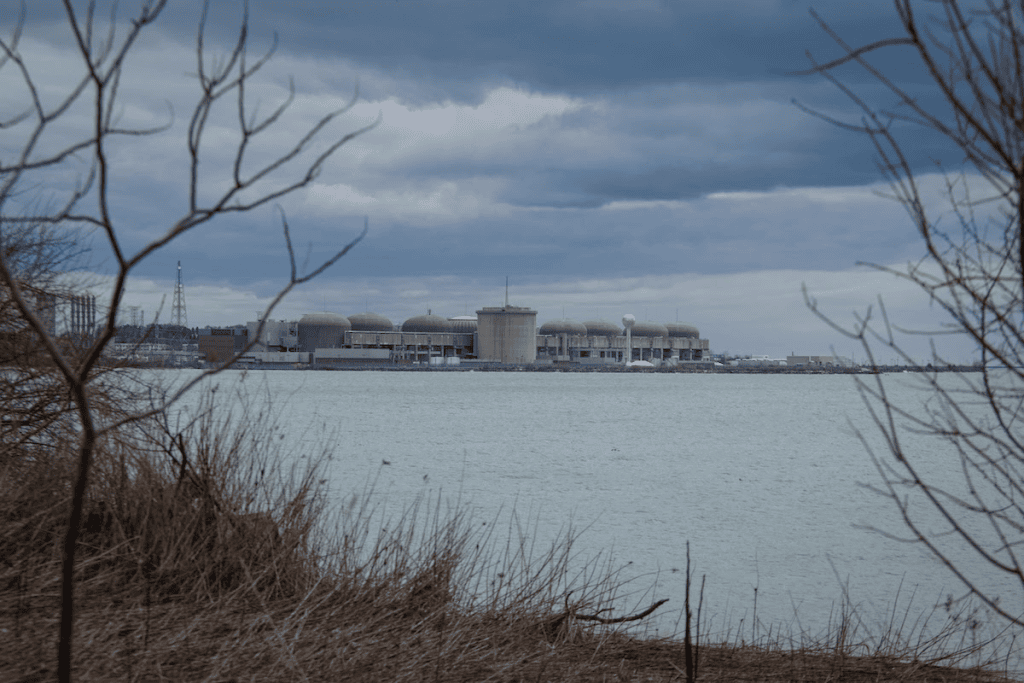
One example of those shifting priorities, highlighted at that summit? Fatima reported that a nuclear plant in Ontario, which supplies ten per cent of the province’s power, will go offline next week. The result? Burning more natural gas to fill the energy gap — find the details in the story we published today.
Stay tuned — there’s much more to come from Narwhal reporters keeping watch on big decisions impacting us all, and the natural world, in Canada.
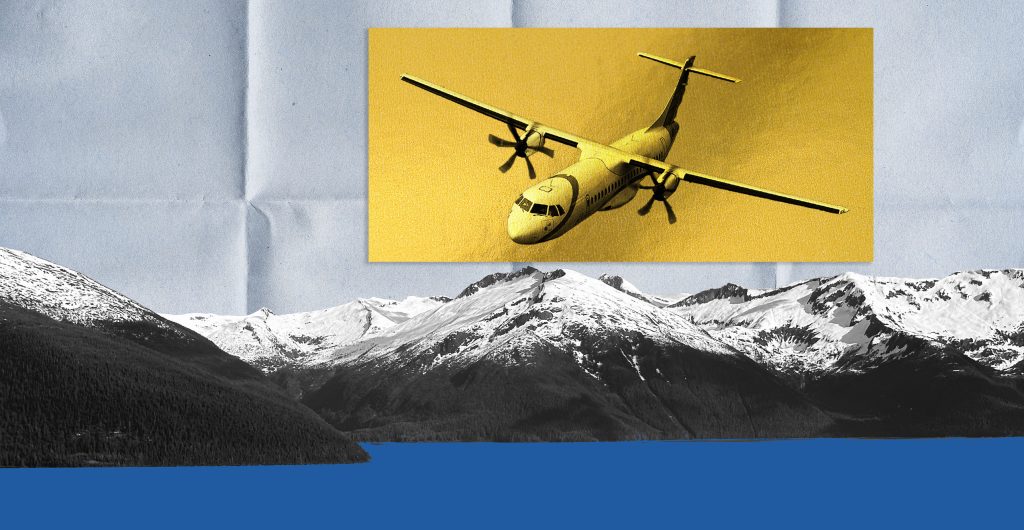
In a remote part of northern B.C., not far from Alaska, a Canadian company wants to re-open a gold mine. With soaring gold prices and possible critical mineral deposits, Canagold’s New Polaris mine is being prioritized by the provincial and federal governments.
To get the gold concentrate out, the company plans on flying cargo planes — up to 15 times a day. Freelancer Zoë Yunker spoke with the CEO and nearby community members to pull together this in-depth report on the mine proposal, published today. Check it out.
Among B.C.’s best
Here’s some good news: The Narwhal is a finalist for FOUR Jack Webster Awards, celebrating excellence in public interest journalism in British Columbia!
Matt Simmons and Zak Vescera shed light on an oil and gas company that successfully pressed Canada’s spy agency to start sharing government intelligence. Their investigation, a collaboration between The Narwhal and the Investigative Journalism Foundation, is nominated in the business reporting category.
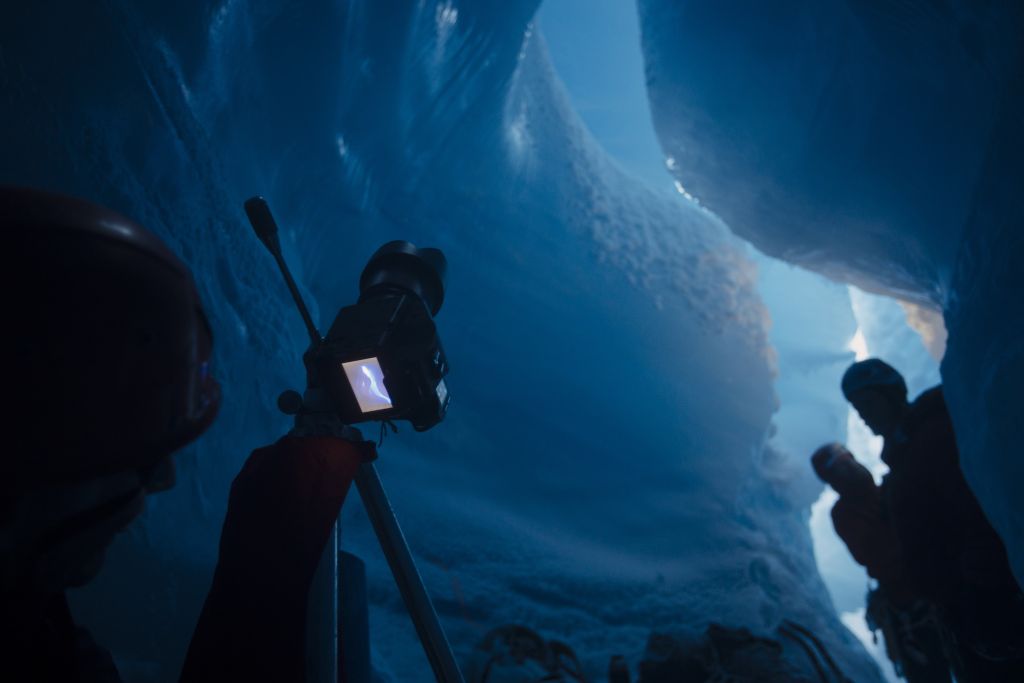
A photo essay by Amber Bracken and Sara King-Abadi on the race to document a melting glacier is a finalist for the innovative journalism prize.
Daniel J. Pierce is up for the environment reporting award, for his documentary Trouble in the Headwaters, produced in partnership with The Narwhal.
And Paige Taylor White is nominated for the photo of the year, for an image she captured of Joffre Lakes Park during a period of public closure.
Winners will be announced in November — congrats to all the finalists!
When you put on your best attire to hold power brokers to account. Support good Canadian journalism — and look good doing it — by becoming a member today. Join now and get a Lake Ontario tote bag!