




 13 min. read
Summary
- Wildfires in northern Ontario are putting many First Nations at risk, and two communities have already burned entirely.
- First Nations leaders are criticizing the provincial government’s response to the emergency. They say the government was too slow to identify the risks facing remote First Nations, and that jurisdictional issues prevent First Nations from accessing resources in an emergency.
- Several First Nations chiefs are calling for the resignation of senior government officials, as well as a public inquiry into the provincial government’s emergency response.
In the summer of 2021, in the midst of the COVID-19 pandemic, Grand Chief Alvin Fiddler of Nishnawbe Aski Nation personally presented Ontario Premier Doug Ford with an 82-page plan to support northern Ontario during emergencies, like wildfires.
The organization that represents 51 northern Ontario First Nations had developed the plan in response to a series of disasters between 2009 and 2019, both from flooding and wildfires, which are laid out across 27 pages. But those past disasters are nowhere near the scale seen this summer alone, with northern Ontario dealing with what’s now estimated to be the worst wildfire season on record.
The framework identified a series of “deficiencies and gaps” in emergency management for First Nation communities. They include a lack of clear roles for the federal and provincial governments in the event of a disaster; a lack of recognition of the unique challenges facing remote Indigenous communities, many of which are not incorporated like a municipality and are hard to access; a lack of pre-disaster resources and funding for both impacted communities and host communities for evacuees; and no legal framework giving First Nations emergency powers to persuade the province to take action.
The plan includes 20 recommendations, without which “the need for robust and comprehensive First Nation emergency management will continually increase.”
“That was five years ago,” Fiddler told The Narwhal. “There’s been no response.”
Everything that was highlighted in the report, Fiddler said, is coming to a head today in northern Ontario.
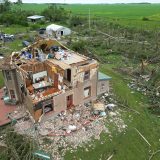
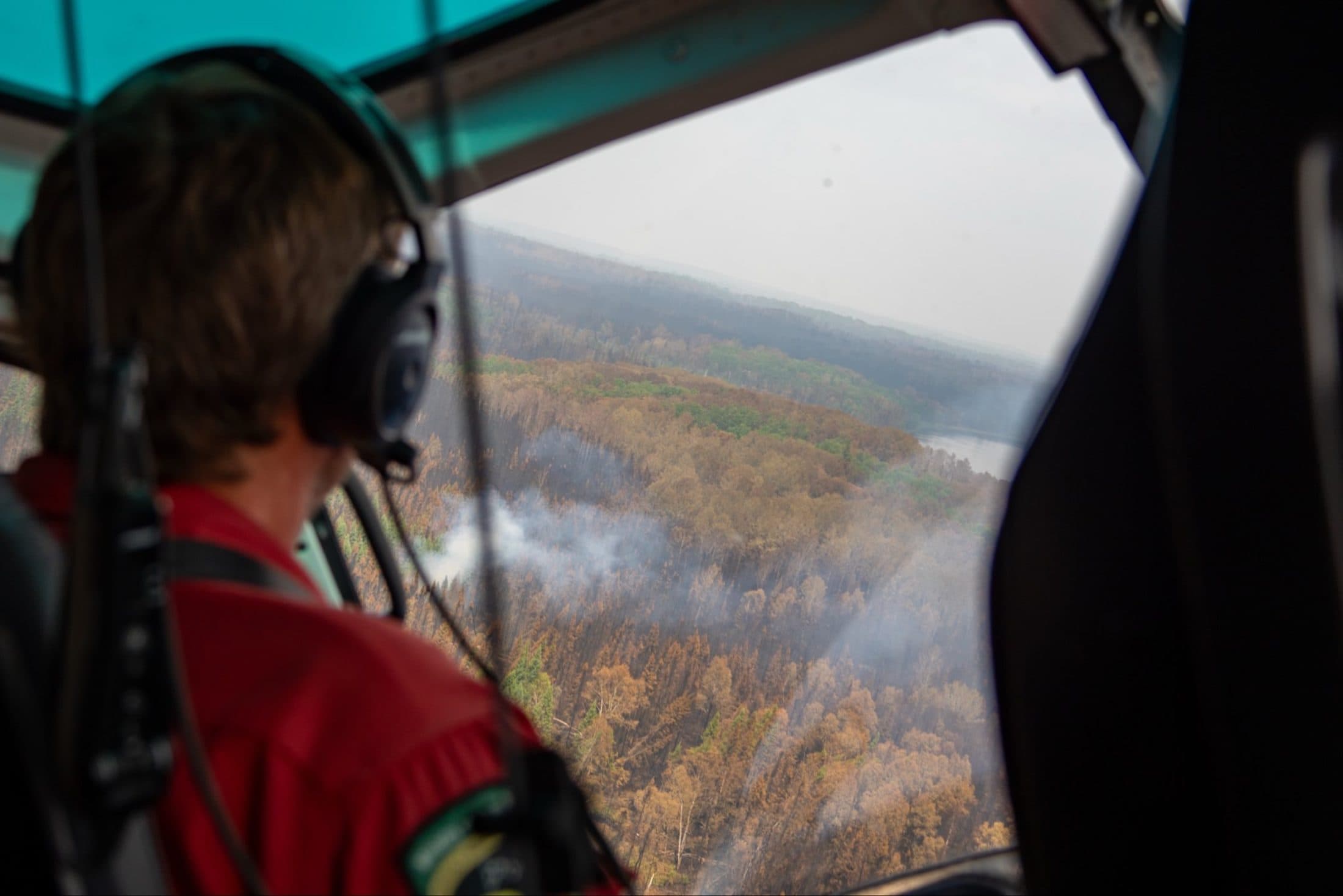
In the span of 11 days, two communities — Collins and Whitewater Lake First Nations — have entirely burned down. By last government count, around 1,800 people have been evacuated, though local emergency officials believe this number may be low as they say there is no coherent government-led system to support or track evacuations in remote Indigenous communities. At least 13 other communities are under evacuation orders, eight of which are First Nations, according to Chiefs of Ontario. As of publication time, there remain more than 170 active wildfires, per Ontario’s Ministry of Natural Resources, in northern Ontario.
This season’s 562 fires (versus 371 last year and a 358 10-year average) have already burned down an area almost as large as the entire Greater Toronto Area, which, last week, had some of the worst air quality in the world because of wildfire smoke.
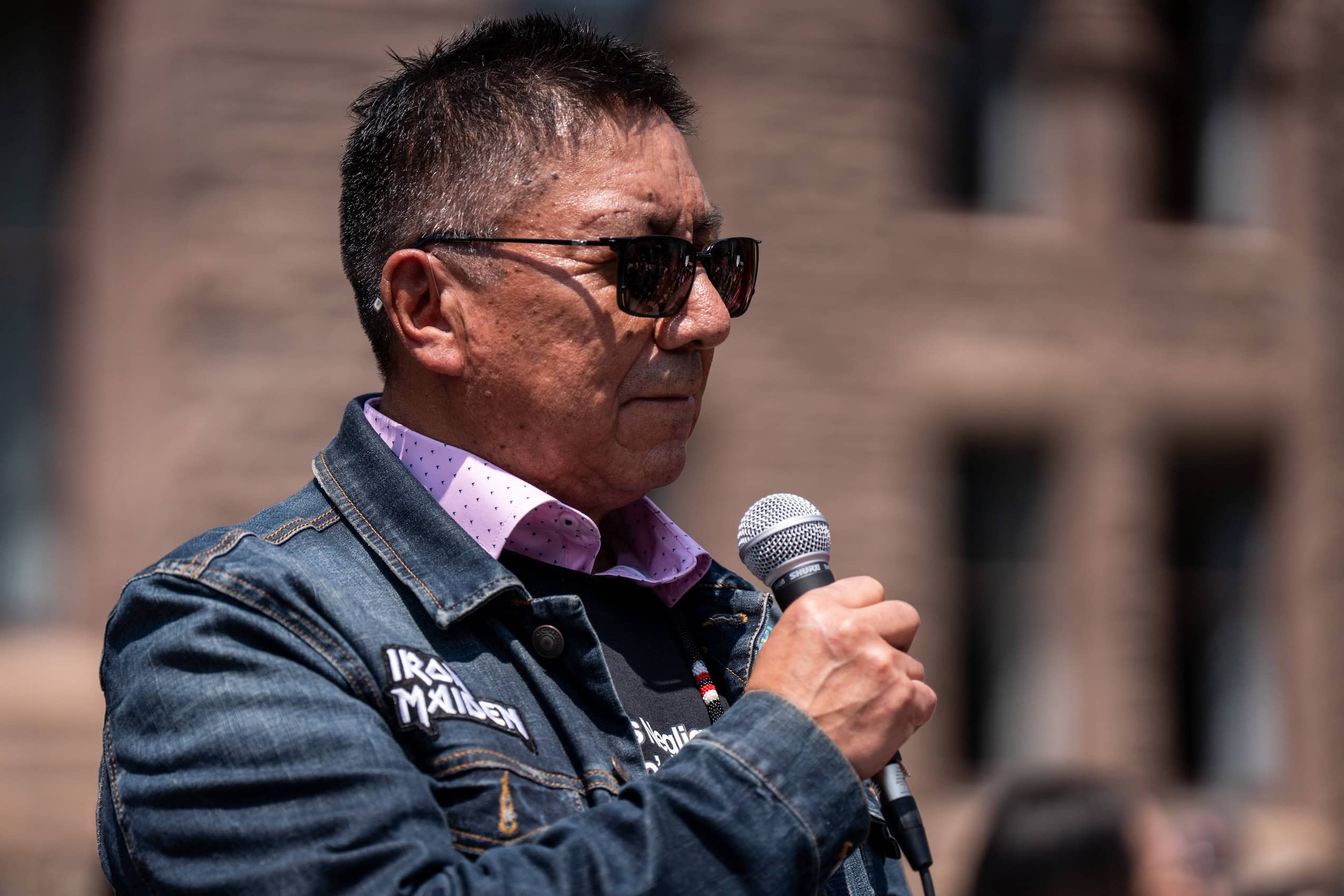
The fires are “behaving differently than what we’re used to,” Sharon Bak, an emergency responder based in Thunder Bay with 30 years of experience, including at the provincial level, told The Narwhal. “There have been more ‘hold my breath’ moments than I’m used to.”
Weather projections started looking deadly on July 12, with Thunder Bay heading into a week of record heat, hitting — and in some places surpassing — 40 C. Low humidity, combined with bone-dry conditions across northern Ontario’s boreal forest, plus a major lightning event and windy conditions the week before, made for a dangerous combination.
“The signs were all there,” Bak said.
“This wasn’t the norm,” she added. “With northern Ontario fires, we’re prepared. We expect them. But this isn’t the norm. We’ve had fires that are close to critical infrastructure and areas where people live. We’ve had fires going one way that changed direction overnight to get closer to communities, and fires joining together.”
“That’s some pretty huge red flags that a lot is going on that needs to be monitored,” she said. “The question is, ‘Who is watching the clock?’ ”
While the ignition points of the 2026 wildfire season are outside government control, the consequences — how fast warnings went out, whether crews were adequately resourced, whether First Nations were supported in evacuation decisions — are the parts local officials and Indigenous leaders say were within the province’s control and completely failed this wildfire season. And while it’s been one for the record books, that may not be the case for long as wildfires get more severe and intense every year due to global warming caused primarily by the burning of fossil fuels.
Impacted First Nations communities have reported needing to vacate themselves, not receiving timely and accurate information from government officials and finding spaces to flee to by themselves.
In the face of this systemic failure, several chiefs are now asking for the resignations of senior government officials — including the Ministry of Natural Resources director of aviation, forest fire and emergency services and the assistant deputy minister overseeing fire operations — and an independent public inquiry into the province’s response writ large.
No one from the office of the premier, the minister of natural resources or the minister of emergency preparedness responded to detailed questions from The Narwhal. In a July 17 press conference, Ford said of First Nations communities, “We’re supplying anything that they need, and they’ll be safe.”
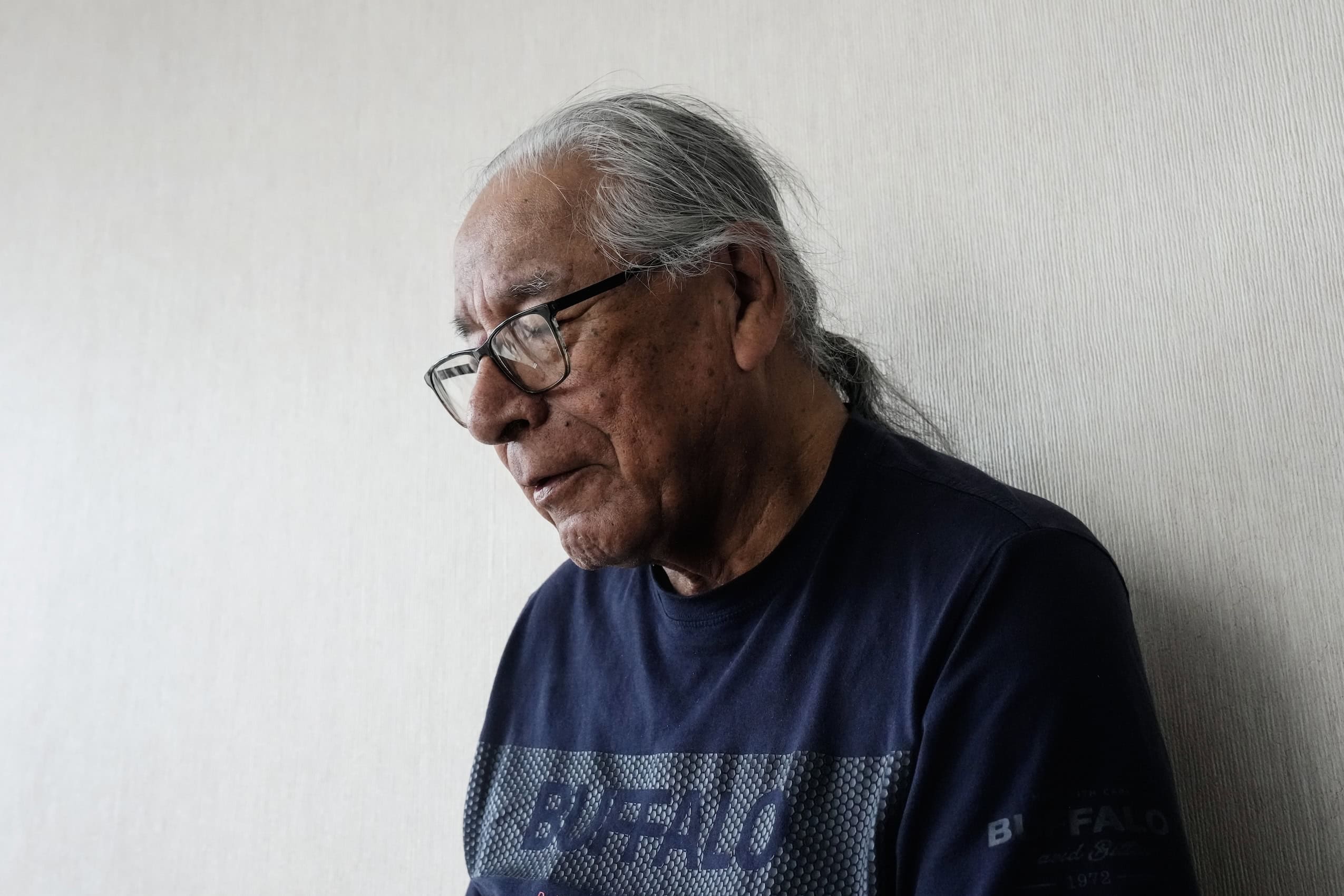
“The emergency response from both Ontario and Canada have been completely inadequate,” Chief Fiddler said. “I’ve been on Zoom calls with senior government officials asking them basic questions like ‘What is your capacity? How many beds are available? Where are the host sites?’ ”
“So far they haven’t given us a response,” he said. “Numbers keep moving, I get it, but you should have a baseline. ‘We don’t have that information’ is not a good baseline when people’s homes and lands are burning down.”
‘It took too long to recognize the danger’: First Nations in northern Ontario describe failed government communication and self-evacuations
At 2:30 p.m. on July 13, Whitesand First Nation’s band manager was informed of a large fire close to their community. A Ministry of Natural Resources official said it would send a helicopter to investigate, and later reported there was no fire despite visible smoke, Chief Lawrence Wanakamik told reporters this week.
By 4:00 p.m., the nation’s leadership began arranging transportation to Thunder Bay and booking hotels anyway. Some of their members started leaving soon after.
An hour later, a council member went to a Ministry of Natural Resources meeting, in which they said they were assured their community was safe and there was nothing to worry about. The member “requested the assurances in writing” but never received it, according to Chief Wanakamik.
At 6:30 p.m., he added, Elders advised the community be evacuated, despite the ministry maintaining that a full evacuation wasn’t needed and that only “vulnerable” people should be moved. (The ministry did not respond to questions about this sequence of events.)
The ministry issued a mandatory evacuation order three hours later. By then, the entire community was already moving away from their homelands.
“It took too long to recognize the danger, too long to issue a clear direction and too long to order the evacuation,” Chief Wanakamik told reporters on July 21. “Whitesand’s own preparation and decision-making helped prevent an already dangerous situation from becoming worse.” One person, Elder Stella Watson, died in this harrowing experience, he said, adding she was “having a hard time with her breathing from all the smoke.”
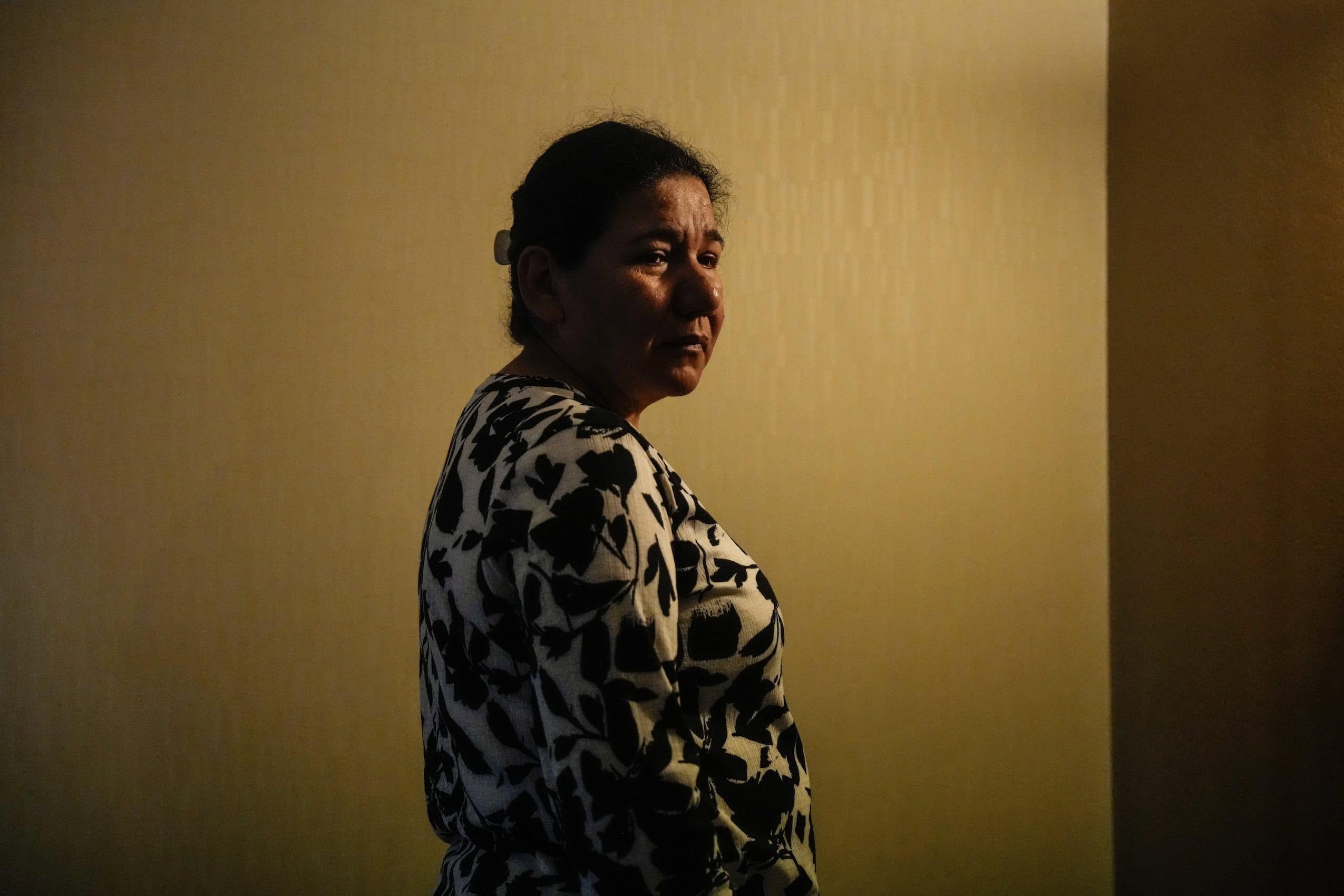
Whitesand First Nation wasn’t the only community to experience this provincial emergency response breakdown. Collins, or Namaygoosisagagun, First Nation Chief Helen Paavola said her community, the first to be evacuated, did so without any notice or support. “My community was devastated by a forest fire that overtook the homes with great speed and heat,” she said in the same press conference. “My members barely escaped with the clothes on their backs.”
“This community burned to ash,” she said. “It burnt to the ground because of a failure of the province in their monitoring. And further to that, the emergency management arm of the province also ought to be held accountable for this disaster.”
Her community isn’t formally recognized by the Canadian government, despite predating Canada, which means community members are locked out of disaster-recovery programs now when they need it most, she said.
Whitewater Lake First Nation Chief Pauline Drake, whose community has also entirely burned down, said they vacated by themselves, with her mother being the last to leave their land.
“I really wish things were different,” she said. “I wish we could turn back time and go back and be notified. ‘Okay, there’s a fire in your area. Please be ready.’ ”
The three chiefs, along with six others representing communities impacted by wildfires across northern Ontario, all said that no provincial leaders had reached out to them, neither Ford, nor his Indigenous Affairs Minister Greg Rickford or Minister of Natural Resources Mike Harris. And they dispute Ford’s narrative that Ontario is doing a great job fighting these fires.
“The premier may not yet have a full understanding of the extent of the operational dysfunction and systemic issues within the current wildfire management structure,” Chief Wilfred King of Gull Bay First Nation, which has been given an evacuation order, said in the press conference. “What he is saying is not true. … He’s creating the narrative so that he can basically lie to Canadians and lie to the people of Ontario.”
“What’s required is a complete overhaul of the system,” he said.

‘There’s been limited capacity in the system for a long time’: Ford government hasn’t fully implemented auditor general recommendations
This pattern of failed communications, lacklustre response and poor planning has been a feature of Ontario’s emergency response system for over two decades — and “all the gaps show this time,” Bak said.
A 2005 internal government review showed the emergency processes and funding were “not currently sufficient to ensure that Ontarians and the resources of the province are adequately protected against emergencies and disasters.” That review itself was cited in a 2017 auditor general report that noted the cabinet committee on emergency management had not met once in five years. In 2022, the auditor general made 30 recommendations to improve the process, noting that it took longer than four hours to dispatch fire crews to 15 per cent of fires from 2017 to 2021.
“Establishing effective emergency management programs can save lives and better protect property and the environment,” the 2022 report said. “More needs to be done to assess the risks of natural hazards so that the province is ready to respond quickly to future environmental events and to make sure we don’t repeat past mistakes.”
As of two years ago, the auditor general found the government has “made little or no progress” on implementing most of their recommendations over the years.
“There’s been limited capacity in the system for a long time,” Bak said.
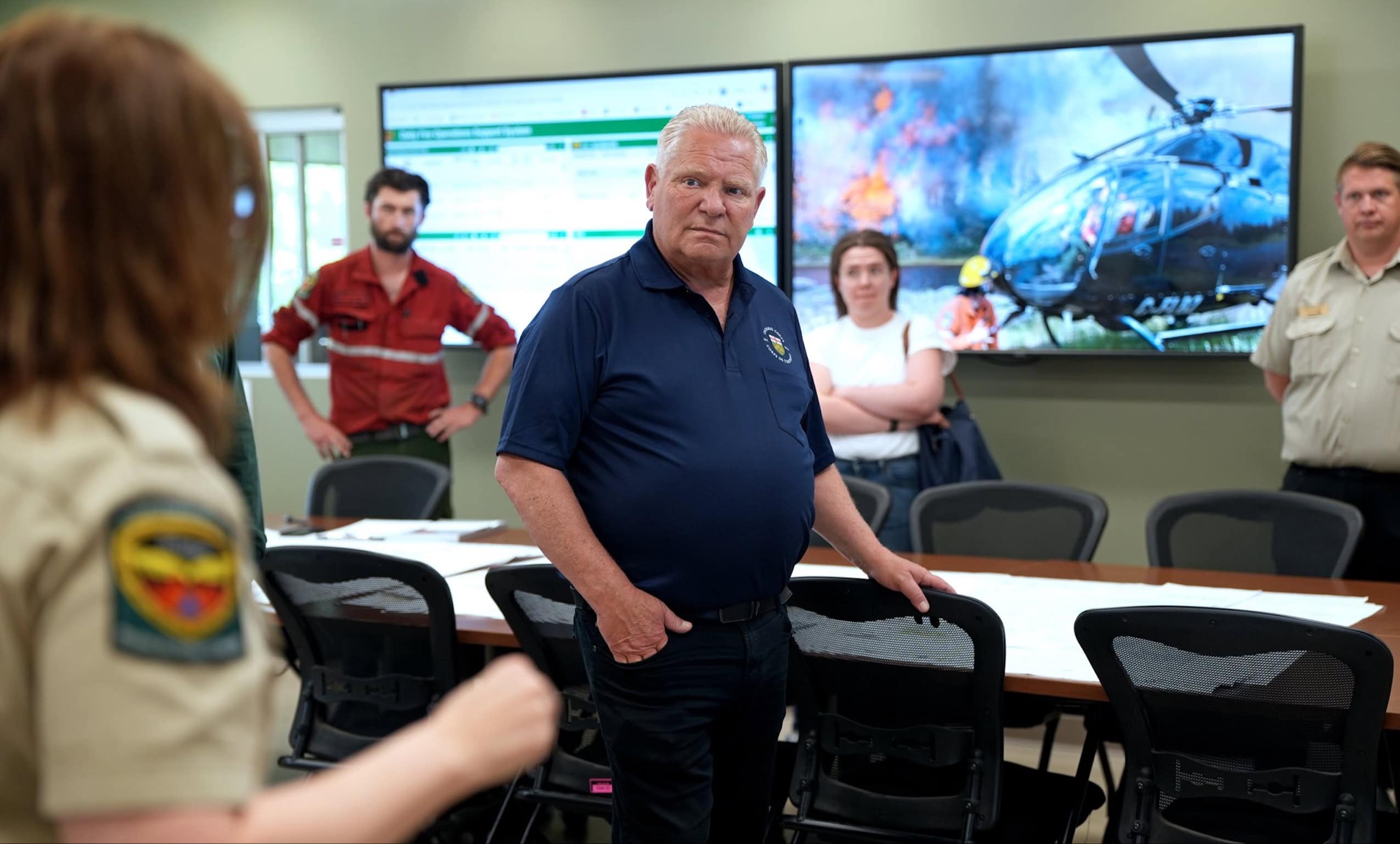
Chiefs say that’s left northern Ontario particularly vulnerable as there has been no full-time emergency management coordinator. There are no resources available and ready to mobilize over a much larger geography if needed, they say, adding there is no regional response centre or controlled coordination system. And there is no ready list of resources, including hotels and donated goods and services, for those who have to respond in real-time.
“The fires this year overwhelmed communities faster,” Bak said. “And there was a delay in acknowledging the problem and delivering the resources we needed.”
Yet, there were recent signs that this trend was shifting.
Emergency response has generally been undertaken by a stand-alone government agency under the solicitor general, one of the structural issues identified by the auditor general. That changed in March 2025 when the Ford government elevated it into its own ministry, with resources, employees, modernized legislation and a new volunteer organization called Ontario Corps. This new Ministry of Emergency Preparedness and Response works with other ministries depending on the type of emergency; in northern Ontario, that particularly includes the Ministry of Natural Resources, which manages and monitors forests and fires.
Emergency Preparedness Minister Jill Dunlop told CBC As It Happens that the government’s response is focused on safety. She said the ministry regularly conducts “after-action reviews” following emergencies and that any communication or coordination concerns “will be considered as part of that process.”
But when pressed about why First Nations were left in the dark during the worst of the wildfires, one of her staff pulled her off the air.
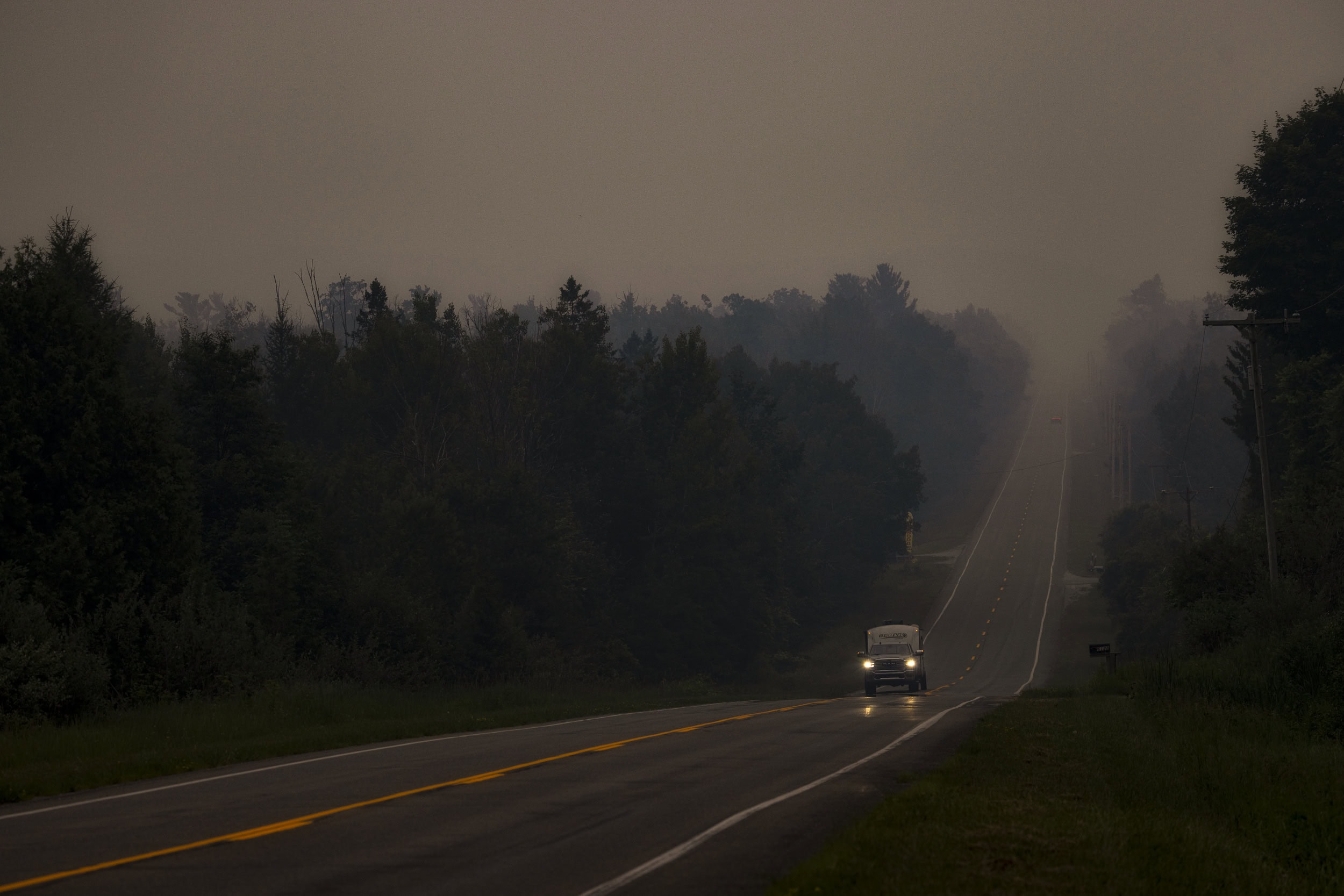
Emergency response in First Nations continues to be broken
Ontario’s emergency response also depends on federal funding, an agreement which assumes provinces have a robust system they can use to respond to disaster scenarios. In other words, Ottawa funds emergency response to First Nations, but Ontario controls the decisions about how that response gets executed.
Fiddler believes part of why the system is broken is because the First Nations are not at the table in making those decisions. As outlined in the Nishnawbe Aski Nation’s report, Ontario’s entire emergency management system is built for municipalities, and First Nations don’t fit that model — legally, financially or structurally.
To start, a First Nation’s declaration of emergency has no impact on the political system; it doesn’t unlock funding or resources, or force higher levels of government into action.
Financially, there’s not enough money being spent in the right places, the plan notes. Using federal data from 2012 to 2016, it shows Ontario received 31 per cent of all national emergency management funding for First Nations, with the vast majority going to response and recovery, not prevention or mitigation. Meanwhile, the government has consistently underbudgeted for fire response: in the 2025 budget, the Ford government allotted $135 million for its emergency forest firefighting fund, but ended up spending double that: $271 million.
And then there’s the matter of human resources. Citing the 2020 auditor general report, Nishnawbe Aski Nation’s plan notes that in 2021 Ontario had one field officer per 1.8 million residents, versus one for 137,000 residents in B.C. and one for 273,000 in Alberta. These field officers only show up during emergencies, allowing for little trust-building or preparedness before communities.
And per Ontario’s emergency response rules, municipalities are expected to self-fund emergency management partly through property taxes and can apply for provincial disaster assistance after the fact. But almost no First Nations in Ontario have a property tax regime, so this financing model doesn’t support them.
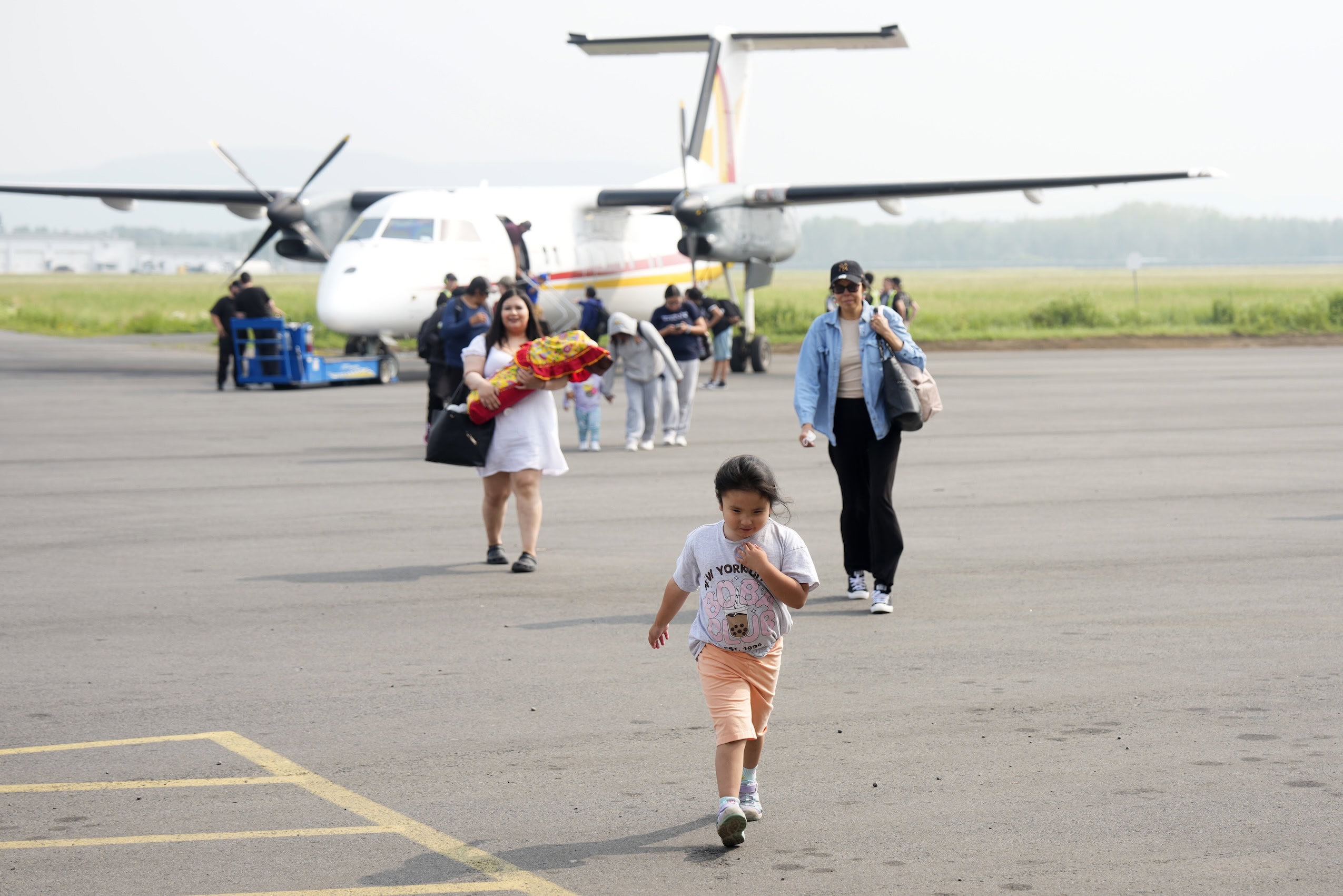
Compounding all this is the fact that wildfires in northern Ontario often shut down access to remote communities. That means wildfires cut off an entire essential supply chain of food and medicine. For that reason, Neskantaga First Nation declared a state of emergency this week and has begun evacuating its members.
These issues are all playing out in northern Ontario right now, with local responders and Indigenous members left asking questions about one central theme: “Why have we been left all alone?”
“Doug Ford talks a lot about our critical minerals and other resources in our territories,” Fiddler said. “He comes this way when it’s for photo opportunities and cutting ribbons and shaking hands with people in these communities. But when it comes to climate change and its impacts, I haven’t heard him make any commitment.”
Ford has said he will propose a national fire strategy at a meeting of First Ministers and Prime Minister Mark Carney in Charlottetown this week. But for many people The Narwhal spoke with, that’s not the solution; it’s merely passing the buck. Especially as northern Ontario’s calls to declare a provincial state of emergency, which would theoretically unlock resources, go unheeded.
“Everything starts at the local level, especially responses to emergencies like wildfires,” Bak said. “You think of what happened at Fort McMurray and Jasper, and you thank God it hasn’t happened here. Well, now it’s happened here and it’s clear we didn’t learn anything.”
Updated on July 23, 2026, at 4:47 p.m. ET: This story has been updated to clarify that the current wildfire season in Ontario is estimated to be the worst in terms of the amount of land burnt, but not lives lost.