





 20 min. read
Summary
- Two decades of records show Canadian politicians making big promises about carbon capture technology.
- In 2008, one government report claimed Canada could capture as much as 600 million tonnes of carbon a year — and carbon capture technology could be “implemented quickly.”
- From 2000 to 2024, a total of just 68.7 million tonnes of carbon dioxide was captured across Canada and experts say the technology has yet to be proven at scale.
It was March 2007. Apple had just debuted the iPhone. The Iraq War was raging. Al Gore’s An Inconvenient Truth had won two Oscars. And the prime minister of Canada was talking about “the exciting new technology called carbon capture and storage.”
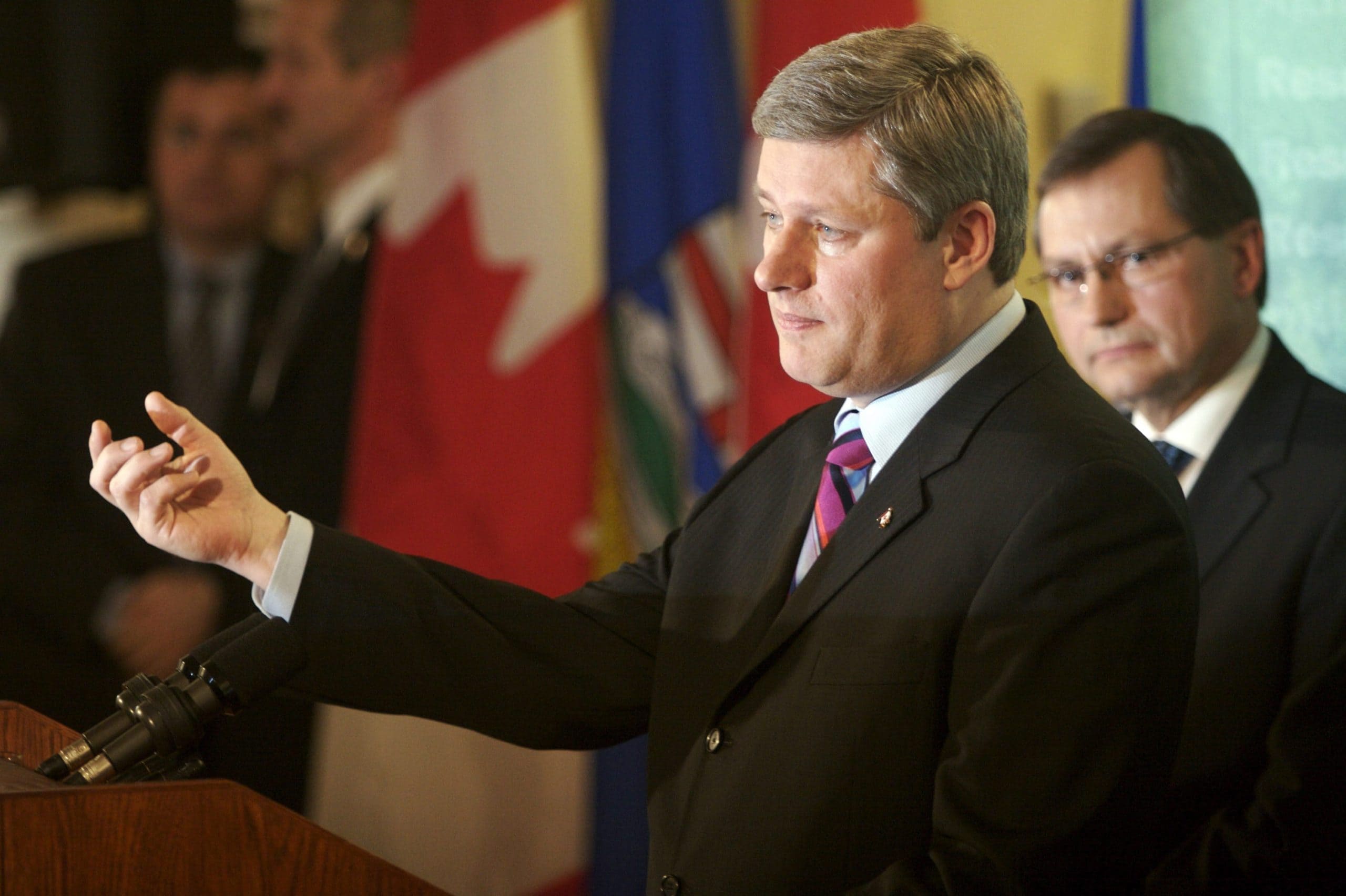
“Instead of pumping tonnes of carbon dioxide into the Earth’s atmosphere, we may be able to collect it from our oilsands, our coal-fired electrical plants and other industrial emitters, and pump it deep underground where it will remain for eternity,” Stephen Harper told a crowd of journalists at an event in Edmonton that year.
“If we can perfect this technology, we can use it not only to curb Canada’s contribution to greenhouse gas production, but we could also export it around the world.”
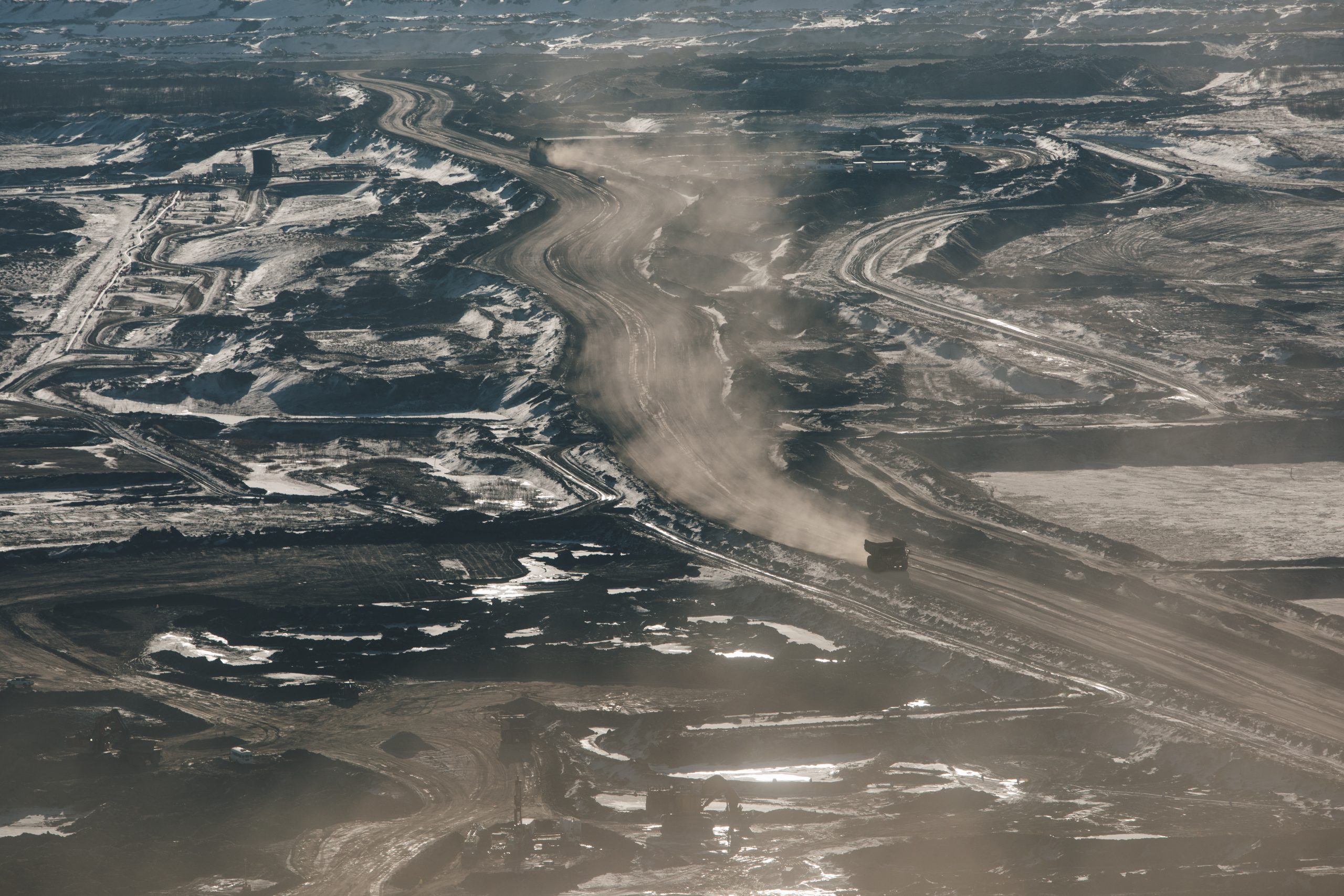
It was the beginning of a long line of claims from political leaders in Canada about how carbon capture could slash planet-warming industrial emissions, including in the oilsands, the world’s fourth-largest proven oil reserve, where 159 billion barrels lie buried under Albertan sand and clay.
For close to 20 years, both Liberal and Conservative governments have talked about using carbon capture and storage technology to filter out carbon dioxide, a greenhouse gas, from exhaust streams and store it so it doesn’t get released into the atmosphere, where it traps heat and causes climate change. Yet, while oilsands carbon pollution more than doubled from 2007 to 2024 to 92 million tonnes, the ability of facilities in Canada to capture carbon from industrial sources hasn’t yet grown beyond a few million tonnes of emissions per year.
Meanwhile, the consequences of fossil fuels and climate change are being felt today. Life is more expensive, cities have dirtier air from wildfires, deadly heat waves and other extreme weather are more common, First Nations are disproportionately threatened with disasters and Canadians are more at risk of poverty, heart disease, cancer and premature death.
Around the time Harper spoke in Edmonton, mining the oilsands was thought to be generating 26 million tonnes of emissions. Since then, the federal national inventory report has recalculated historical emissions using updated methodologies and new data to find it was closer to 41 million tonnes.
The petroleum in the oilsands starts as a viscous goo called bitumen, and takes large amounts of electricity, steam, fuel and heavy machinery to mine and transform into usable products. This extra activity means oilsands production has been associated with more emissions than some other oil deposits, adding to its climate impact when its end products like gasoline are eventually burned for energy.
There was also a boom happening when Harper made his remarks. Investment in the oilsands had tripled from 2003 to 2007, leap-frogging manufacturing, while oil and gas operating profits had doubled. Office space in Calgary, where many oil companies are headquartered, had dried up as the province rode a wave of record-low unemployment. By 2009, production levels from the oilsands would muscle out other forms of oil production in Canada.
Scientists agree the way to slow the chaos unleashed by climate change is to stop using so much oil, gas and coal. But Harper wasn’t about to impose strict government limits on oilsands emissions that day in 2007. Instead, he would talk about using carbon capture as a possible environmental and economic solution.
“This is a dream that could truly change the world,” he said.
“Friends, the era of empty rhetoric on the environment is over. We’re taking real action that will produce real, tangible results.”
Nineteen years later, that dream is still waiting to be realized.
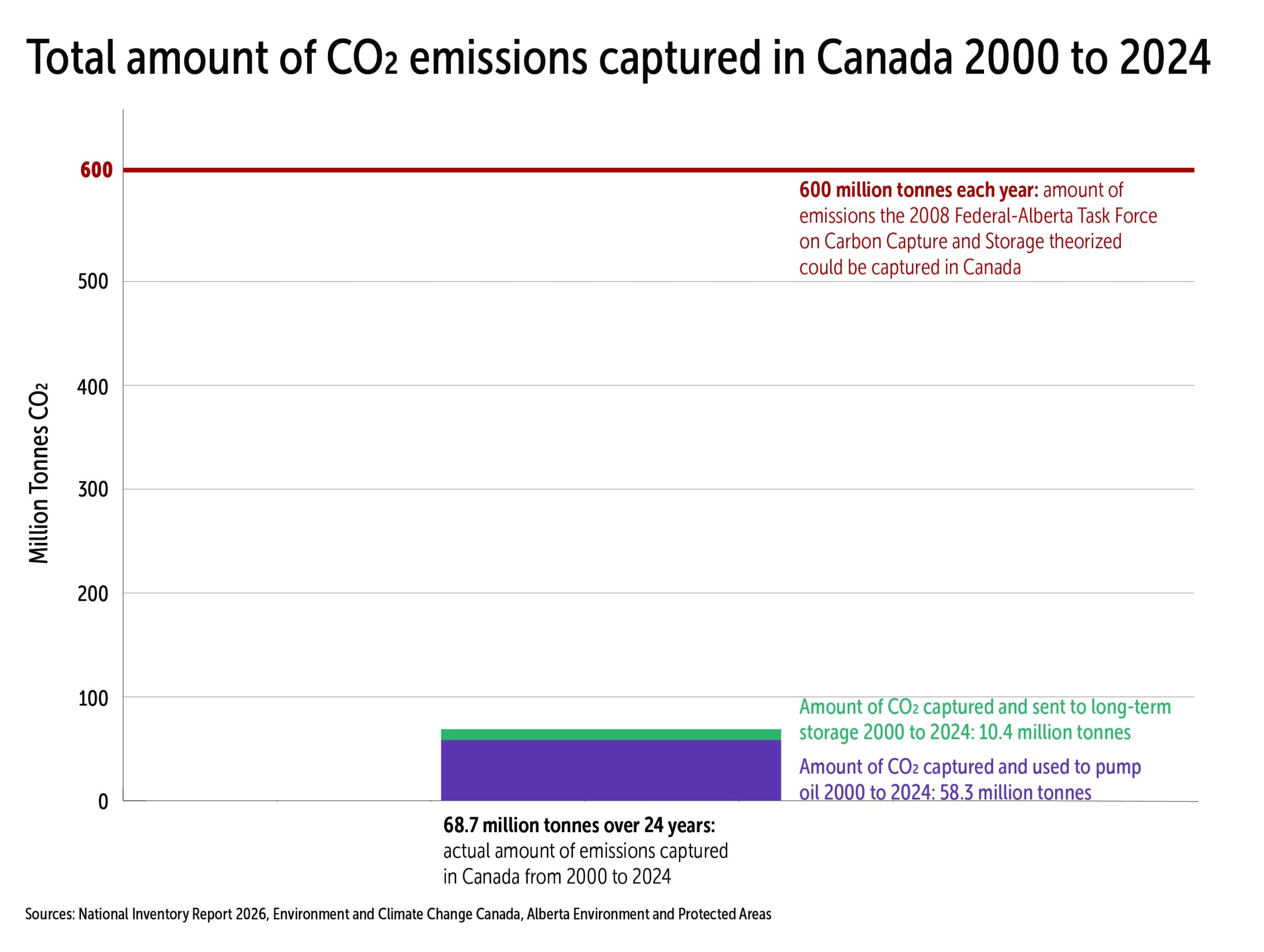
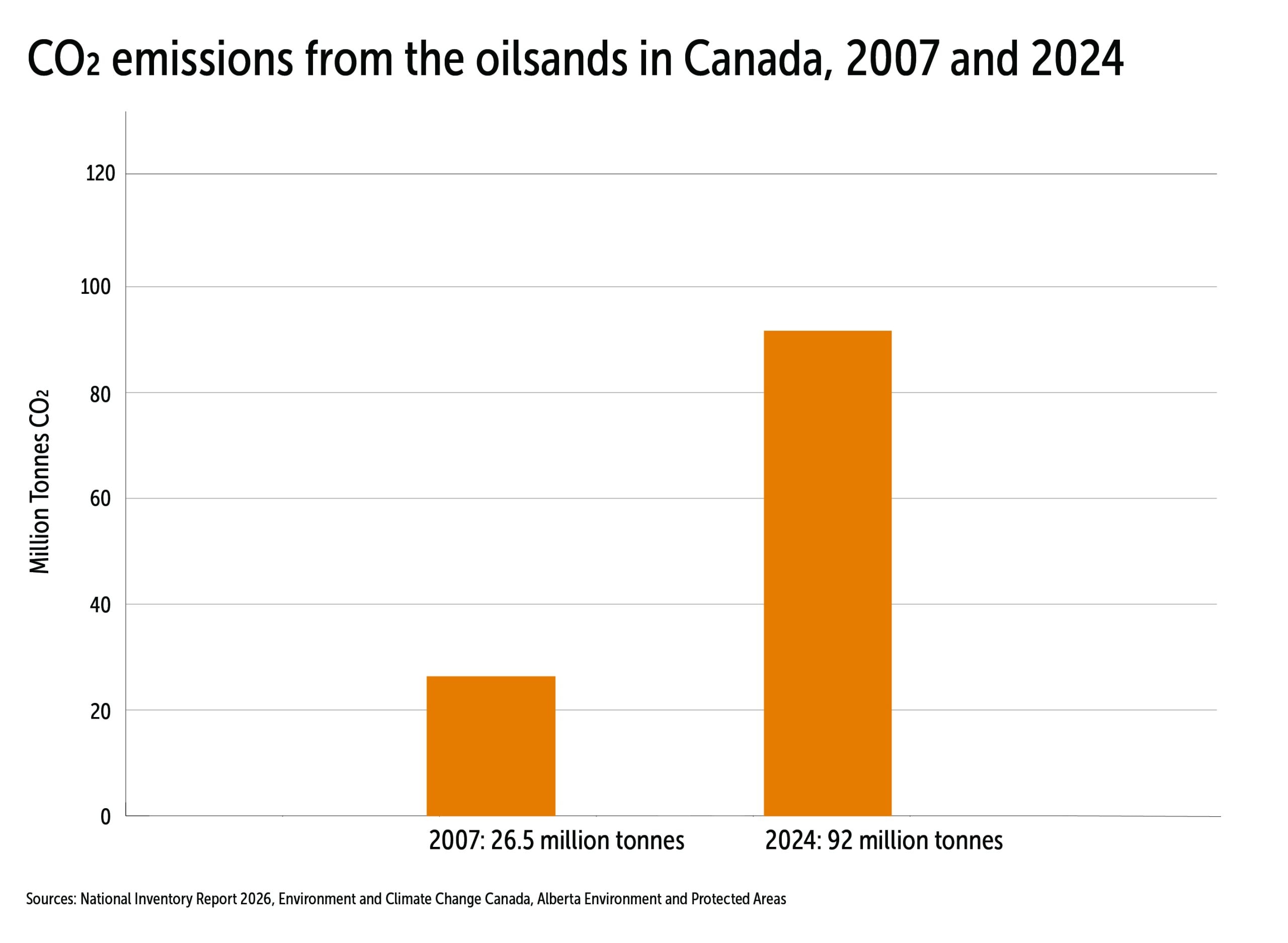
From 2000 to 2024, 68.7 million tonnes of carbon dioxide was captured in the country, Environment and Climate Change Canada confirmed to The Narwhal. That means the oilsands added more emissions to the atmosphere in one year, 2024, than carbon capture equipment has ever stopped from industrial sources over roughly a quarter-century.
It’s also a small fraction of the capture amounts once thought possible. A 2008 report that came out of Harper’s announcement said Canada could theoretically capture as much as 600 million tonnes a year, and that carbon capture could be “implemented quickly, within a decade, using existing technology.”
Carbon capture and storage “is a viable way to achieve significant domestic greenhouse gas reductions,” the report stated, and is a “must-have for western Canada which relies on fossil energy.”
Instead, after tremendous attention and investment, this year Canada will be able to capture “on the order of several [million] tonnes per year,” a Natural Resources Canada spokesperson told The Narwhal. (The department declined to offer a precise figure when asked.)
Capturing this amount when the oil industry is sending so much more into the air is equivalent to taking a million cars off the highway while 30 million more drive up the on-ramp.
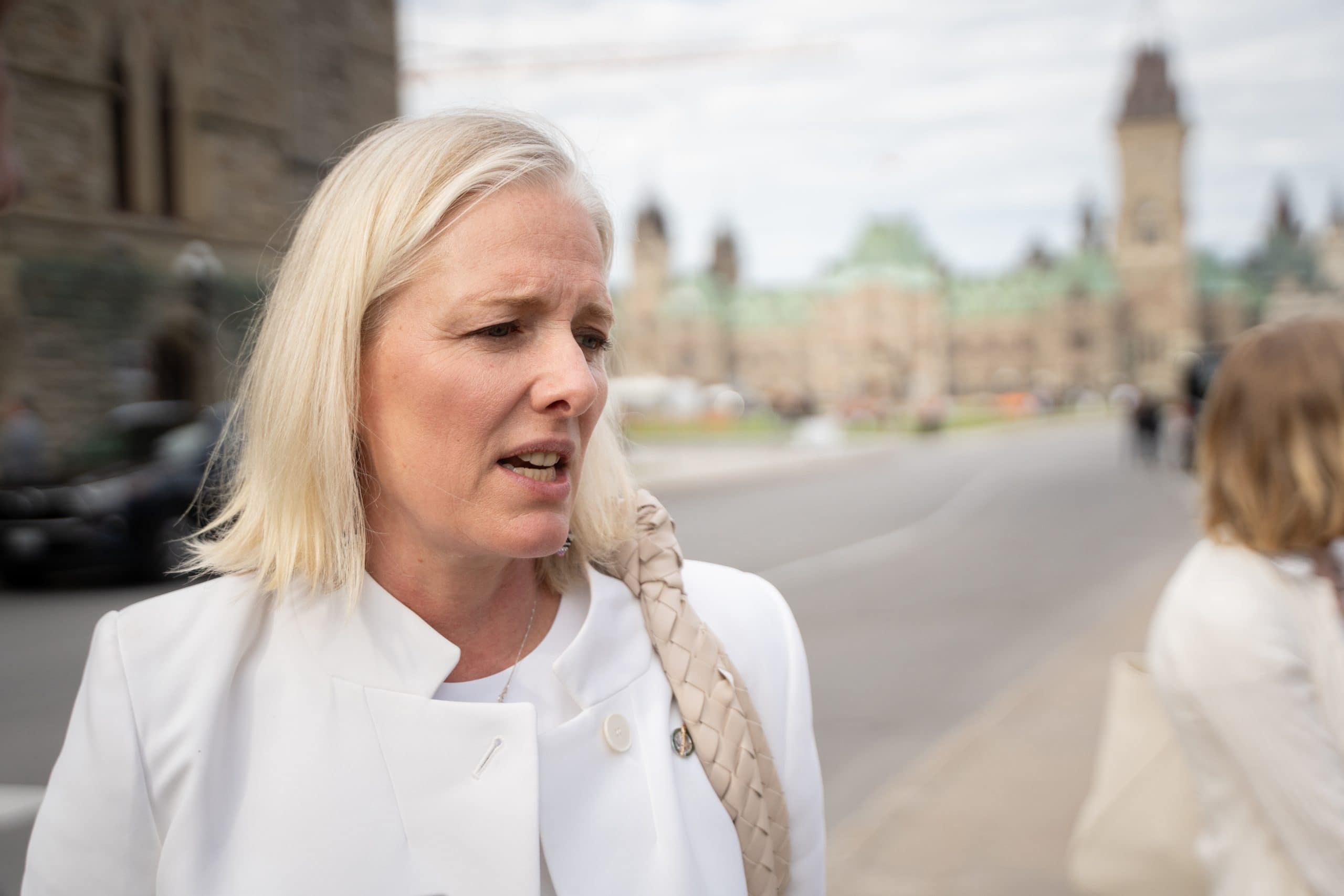
“Carbon capture has never, ever been proven at scale, or price. That’s just a fact,” Catherine McKenna, a former environment minister under the Justin Trudeau government, said in an interview.
“The oil and gas companies talked to me about carbon capture and storage, and made promises, for like a decade. We have yet to see anything.”
Now, like Harper before him, Prime Minister Mark Carney is putting his faith in carbon capture technology to do the heavy lifting, while he advocates for more oil production.
Carney struck a deal with Alberta that promises not to follow through with a Trudeau-era proposal for an emissions cap on the oil and gas sector.
Instead, the deal, meant to grow oil production and get a new oil pipeline to the West Coast built, includes an agreement to build a carbon capture and storage network in the province.
In July, five oilsands companies agreed to terms that envision using carbon capture to suck out six million tonnes of oilsands emissions per year by 2035. The project, dubbed Pathways, is supposed to use a “range of technologies” to eventually capture 16 million tonnes per year by 2045.
“The Alberta [deal] will build carbon capture and storage,” Carney said in Parliament in January. “It will build our future.” The deal, he told reporters in June, is about “working together, getting results for the citizens.”
His minister of energy and natural resources, Tim Hodgson, a former oilsands company board member, told a Calgary business crowd last year that the government, as much as private industry, should be pulling to get Pathways off the ground.
“All of us — governments and industry — need to get the Pathways project done. This government will not be a government of talk, but a government of action,” Hodgson said.

The federal government was boasting about being ‘a world leader in carbon capture’ in 2011
Harper’s full remarks from that day in 2007 are held at the national archives in Ottawa, where The Narwhal listened to a recording of them in June.
But plenty of other comments exist online in the public record of others talking optimistically about carbon capture to lower emissions.
In 2011, for example, Harper’s then-natural resources minister Joe Oliver said Canada was “a world leader in carbon capture and storage” and was “in an excellent position to use this technology on a wide scale.”
The next year he repeated this message: “Canada is in an excellent position to lead the world in the development, implementation and deployment of carbon capture and storage technology.”
In 2013, he said the government was “devoting significant amounts of money to carbon capture and storage, and we are doing that in co-operation with companies.”
Oliver now opposes the latest carbon capture proposal in the oilsands, in part because of the technology’s spotty track record and uncertain impact.
The trend continued after Trudeau’s Liberal government won power in 2015. Trudeau’s first natural resources minister, Jim Carr, told a ballroom full of energy analysts in New York in 2016 that carbon capture is one of “the most pressing issues of the day.”
The next year, he said carbon capture improves Canada’s “environmental performance.”
One of Carr’s successors, Seamus O’Regan, would describe carbon capture as “an integral part of lowering emissions” and said it was part of “how we get to net zero.” In 2021, he told CBC News Canada was “on the cusp of doing a lot of these things.”
François-Philippe Champagne, who in 2024 was Trudeau’s industry minister and is now finance minister, described Canadian companies then as “world leaders in carbon capture” and portrayed it as one of the “clean-tech solutions for the net-zero economy.”
(Story continues below.)
The Trudeau government’s emissions cap proposal came together after the Oil Sands Alliance, a group of major producers formerly known as the Pathways Alliance, had publicized a project they originally claimed could cut 22 million tonnes of oilsands emissions by 2030, with carbon capture being a central element of their plans.
The natural resources minister at the time, Jonathan Wilkinson, portrayed the emissions cap as a way to ensure the industry did what it said it could do.

Oilsands companies fought the proposal. A group of them pushed the government to delay and weaken the emissions cap’s rules, saying they needed “flexible and cost-effective” rules and a “long lead time” to prepare. By 2024, the boss of one of the country’s largest oil and gas companies was openly calling for the idea to be abandoned. Alberta Premier Danielle Smith also came out against the proposal.
Last year, after Carney won power, Canadian oil and gas executives and lobby groups called on him to “unwind the past decade” of Trudeau-era policy altogether, killing not only the emissions cap but also other environmental rules. The prime minister has ticked off several boxes on their wishlist.
The Narwhal reached out to more than a dozen current and former government officials to ask them if they stood behind their comments about carbon capture today, knowing what they know now.
Minister Hodgson’s spokesperson forwarded the questions to Natural Resources Canada. A spokesperson for his department responded that technologies like carbon capture are “important tools in Canada’s broader climate toolbox of measures to reduce or remove emissions, while strengthening growth and security.”
Carbon capture and storage “holds great opportunity to advance climate competitiveness, and is an area where Canada can lead internationally and sell components and expertise in global markets,” they said in an email to The Narwhal. It offers a “practical path to reduce emissions, protect and create jobs, sustain economic growth and keep Canadian industries globally competitive.”
A spokesperson for Champagne declined to comment. The others did not respond.

The Narwhal also sent separate questions to Natural Resources Canada directly. Another spokesperson claimed Canada’s industrial carbon capture rates will rise in the coming years.
“While Canada has already captured and stored or used significant volumes of [carbon dioxide] the sector is growing, with new projects and infrastructure expected to come online as technology improves and evolves,” the spokesperson said in an email.
There’s a “growing list of potential projects across multiple industrial sectors” today, they said, and “these projects are expected to increase capture volumes over time.”
Canada doesn’t publish an official forward-looking estimate of carbon capture potential, the department said. And the spokesperson pointed to a number of challenges with carbon capture adoption. For one, the projects are “large, capital‑intensive and technically complex.”
Carbon capture is expensive. The Pathways proposal was initially estimated at $16.5 billion and is now pegged at between $20 billion and $30 billion, despite lowering the amount of emissions it is intended to capture. At times it has seemed like it could struggle to break even, according to the Institute for Energy Economics and Financial Analysis.
The government is offering federal financial incentives for carbon capture, and Carney reversed a Trudeau-era ban on companies from accessing that incentive when they pump the captured carbon into wells to loosen up more oil for extraction.
Despite hitting record profits in recent years, oil companies have in the past largely resisted spending the billions of dollars necessary to build out carbon capture equipment across their large properties. Instead the industry spent years lobbying the government for lucrative public subsidies to install and run carbon capture systems.
Scaling up carbon capture and storage also requires building new pipelines and storage hubs. A Natural Resources Canada spokesperson said the technology continues to “evolve” and investors are looking for enough “market demand for low‑carbon products,” which the government believes has been bolstered with the Alberta deal.
Globally, the technology has underperformed, according to the International Institute for Sustainable Development. One of Canada’s own flagship projects captured less carbon than initially thought. In 2022, more than 400 academics wrote an open letter to Canada saying carbon capture was “neither economically sound nor proven at scale,” despite decades of research.

Carbon capture used to secure social licence for pumping more oil
When it comes to techniques for keeping carbon out of the atmosphere, using carbon capture technology on industrial sources is only one approach.
Other types of technologies, collectively called carbon removal, can draw existing emissions from the atmosphere or store carbon permanently in other forms like rock.
There are 11 million tonnes worth of annual permanent carbon removal capacity in the planning stages in the country, according to Carbon Removal Canada, an independent non-profit. Those plans are for new projects such as direct air capture or carbon mineralization, but not industrial carbon capture.
The Intergovernmental Panel on Climate Change, the United Nations body that provides governments with climate science, has said carbon capture and carbon removal technologies will have to be part of the mix of techniques that countries use to slow the rise in planetary temperatures causing climate change.
It’s a point Steven Guilbeault, who served as another environment minister under Trudeau and helped develop the emissions cap proposal with Wilkinson, raised several times in Parliament. Canada needed to look at every possible technology that could help reduce emissions, he argued.
But the United Nations panel was also clear these kinds of technologies are not a substitute for a “substantial reduction in fossil fuel use,” rather something to be used alongside those efforts.
In an interview with The Narwhal, Guilbeault said Canadian politicians have often misunderstood the difference, seeing carbon capture as “a way to continue pumping oil and gas in Canada.”
“It’s a technology we will need, but it’s not in lieu of reducing emissions, and unfortunately it seems that a lot of people haven’t understood that,” he said.
The technology “is a very convenient, theoretical, technical fix to a larger problem,” Guilbeault said. “We humans tend to look for easy fixes, sometimes, to complex problems.”
Evidence also suggests carbon capture has been popularized by the oil and gas industry to shield itself from criticism. In 2022, a U.S. Congressional probe found oil companies were talking about carbon capture publicly as a way to mitigate their climate impact, but internally were discussing it as a way to secure “social licence” to continue producing fossil fuels.
In June, the investigative outlets ProPublica and Drilled published evidence the oil company BP helped shape an academic paper that oversold carbon capture’s readiness, while the oil and gas industry funded research at universities that boosted the technology.
Guilbeault said he has “always been skeptical” of the oil industry’s carbon capture proposal in Alberta.
His skepticism is shared by former oilsands executive and former member of Parliament Martha Hall Findlay, who helped develop the industry’s initial Pathways carbon capture proposal. She now argues Canada should “postpone” the project and focus on other priorities.
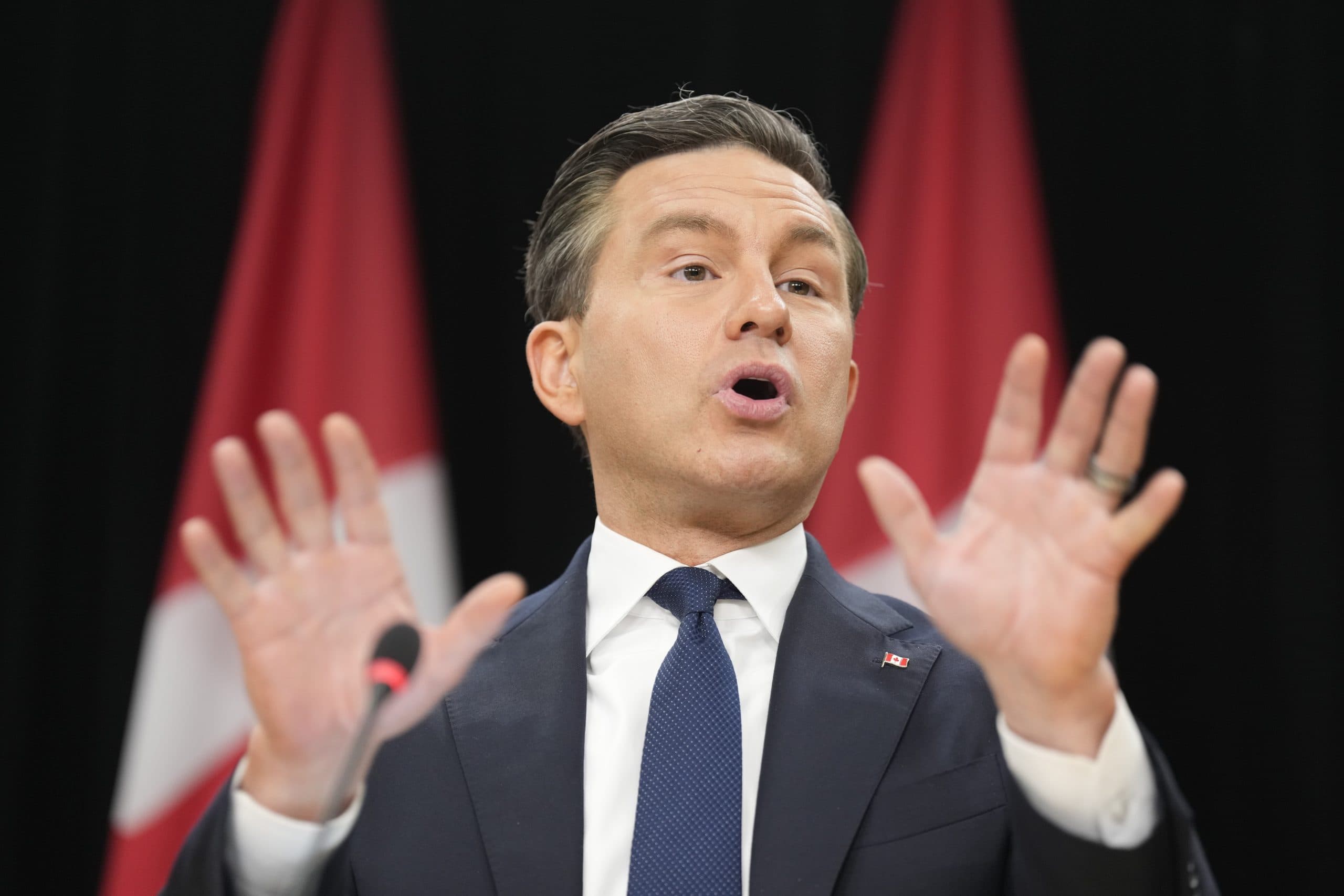
Federal Conservative Leader Pierre Poilievre is also skeptical of Carney’s plan.
A former Harper government minister of democratic reform, and employment and social development, Poilievre has supported subsidizing carbon capture in the oil and gas industry in the past. In 2022, shortly after becoming leader, he said the Canadian energy industry was “leading in the world” on carbon capture, and accused the Trudeau government of being “slow to support it and insufficient in that support.”
In 2023 he asked, “Why do we not use technology instead of taxes to fight climate change? Why do we not support our energy sector in pumping the carbon back into the ground through carbon capture and storage?”
More recently, Poilievre has criticized Carney’s deal with Alberta for committing billions of dollars to a “money-losing carbon capture project that has never been proven anywhere.”
Asked by The Narwhal why he’s soured on support for carbon capture, Poilievre said he only sees value if it’s used to extract more oil.
“When you pump carbon back in the ground and pressurize the geology, and you can bring up more oil, they can then go out and make the world a better place,” he said.
“The other is just pumping air into the ground and getting nothing in return. … How’s it going to make money?”
Updated on July 22, 2026, at 11:48 a.m. ET: This story was updated to include the latest figure for 2007 oilsands emissions from the national inventory report. While a report from Alberta published in 2008 put the figure at 26 million tonnes, the national inventory report has recalculated historical emissions figures with updated methodology and additional data, putting it at 41 million tonnes of emissions.