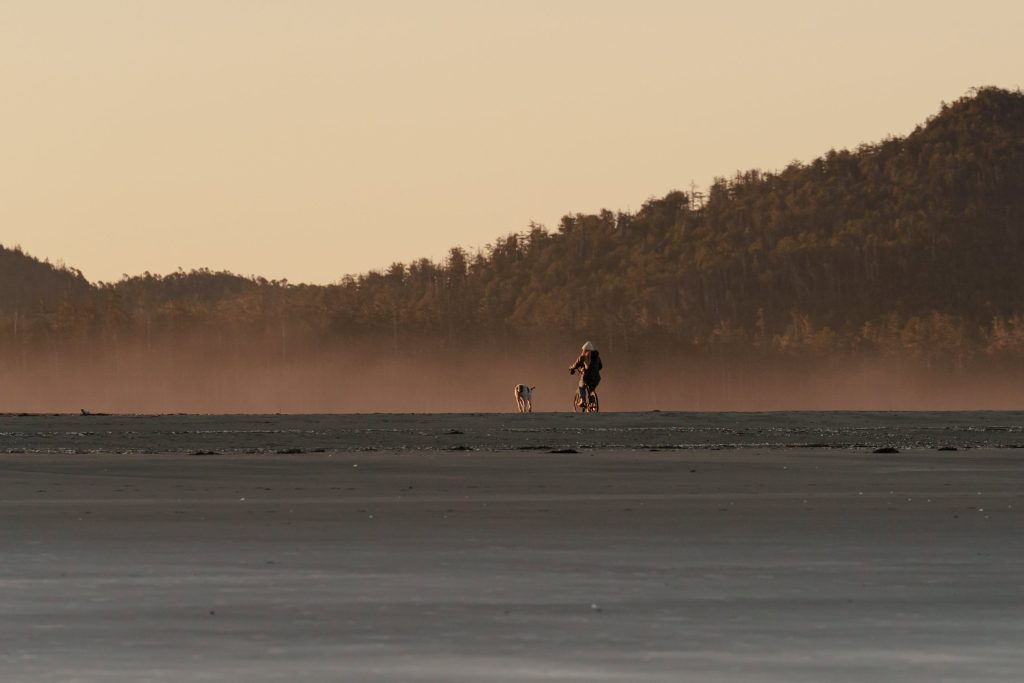
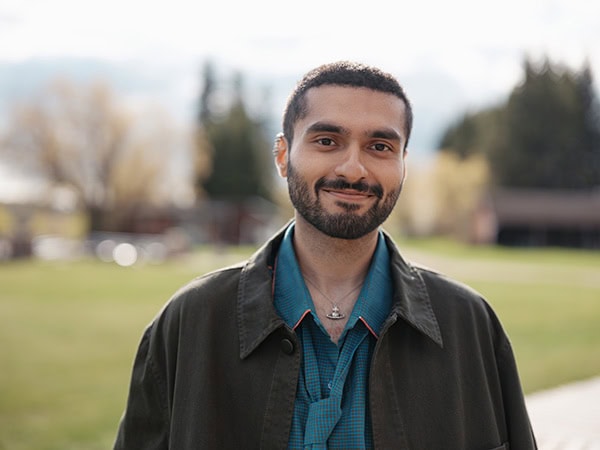
This week, our top story is about a company that’s looking for gold in a long-dormant mine near Tofino, B.C. — and the First Nation that does not want a mine on its territory. Before that (and an impressive pile of fresh reporting from across the country) — an update:
This month, 177 of you have stepped up to become the newest members of The Narwhal, boosting our effort to keep sending journalists into the world to tell stories that matter. Thank you!
Now, here’s the scoop from the scenic west coast of Vancouver Island:
“A gold mine will never open in Clayoquot Sound in this tenure.”
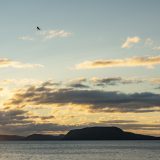
That’s what Saya Masso told freelance reporter Zoë Yunker, on a visit to a controversial mine exploration site — near Tofino, a tourist town in British Columbia, famous for its surf waves, towering trees and winter storms.
Zoë hopped into a helicopter with Masso, the natural resources manager, and Tattuuskulth (Tatt) Charlie, lead guardian for Tla-o-qui-aht First Nation, to get rare access to the site where Imperial Metals — the same company that owned the infamous Mount Polley mine (the site of the largest mining waste disaster in Canada’s history) — has a permit from the province to look for gold. Prospectors first staked the Fandora site in the 1930s, but the mine never amounted to much.
Zoë’s dogged reporting got her access to documents that showed what that exploration entails: digging trenches the size of two football fields to survey the soil for gold, with potential drilling plans for holes that could use up thousands of litres of water.
What’s more? It’s in Clayoquot Sound, a UNESCO Biosphere Reserve, brimming with biodiversity like old-growth trees, orcas and salmon. Imperial Metals did not respond to Zoë’s multiple requests for comment, but CEO Brian Kynoch told the publication Ha-Shilth-Sa that Imperial Metals “remains committed to engaging respectfully with First Nations and local communities as the project moves forward.”
Gold, along with other precious metals, has quickly become one of Canada’s top exports. In its effort to become less economically dependent on the U.S., provinces and the feds have pledged to push major projects, like mining, and do it fast.
Tofino’s mayor told Zoë that a mine in the sound seems like a “no-go,” and for Masso, the prospect of one goes against the First Nation’s spiritual and cultural plans — in a region that’s seen First Nations resistance against resource extraction before. What plays out near Tofino could have an impact across the country.
“I think Fandora’s story and its yet-to-be determined future can help us think through some of the big economic and political choices facing much of the country right now,” Zoë told me.
I hope you’ll go read Zoë’s on-the-ground feature, along with stunning photos and videos of the region (and the helicopter ride!) from Jillian Wilkes, over here. Got 90 seconds? Check out this short video on our YouTube channel, too.
“I think where the prime minister and I differ in terms of our views of what needs to be done on climate change, is that I have come to the conclusion that he thinks that the markets are going to do it.”
That’s what former federal environment minister Steven Guilbeault told Ontario reporter Carl Meyer in his first interview since announcing he will resign his seat as a member of Parliament.
Carl, who has been reporting from Parliament Hill since 2010, gets into it with Guilbeault on his past, his time in cabinet and his “highly personal call” to leave federal politics, for now. Check it out over here.
And Savannah Ridley won silver in the emerging Indigenous journalist category for the body of work she produced as The Narwhal’s first-ever Indigenous editorial fellow.
In recent weeks, The Narwhal has snagged eight medals among dozens of nominations at top journalism awards programs in Canada and internationally. Our small team can only outplay the big guys because recurring support from more than 7,300 readers like you keeps us focused on deeply reporting stories that really matter.
Canada’s new water bill backtracks on recognizing human right to water for First Nations By Carl Meyer and Fatima Syed
‘I wish one of Canada’s major projects were to provide us clean drinking water’: a much-delayed First Nations water bill faces criticism.